As the video game industry braces itself for what is widely projected to be the single biggest entertainment launch in human history—the anticipated November 19 release of Grand Theft Auto 6—a jarring paradox hangs over Rockstar Games and its parent company, Take-Two Interactive. Grand Theft Auto is arguably the most ubiquitous, culturally pervasive, and financially successful video game franchise on the planet. Yet, despite its colossal stature, attempting to access, purchase, and play the foundational titles that built this multi-billion-dollar empire is an exercise in frustration.
Rockstar Games has long maintained an ambivalent, if not entirely indifferent, relationship with its own history. While modern audiences can easily access Grand Theft Auto V and its persistent online ecosystem across multiple generations of hardware, the developer’s catalog of early 2D titles, portable spinoffs, and experimental expansions has been left to languish in legal limbo. For a cultural touchstone that has shaped modern interactive media for nearly three decades, the company’s digital preservation record is surprisingly spotty.
To understand the current accessibility crisis, it is necessary to divide the franchise into its three recognized epochs: the "2D Universe," the "3D Universe," and the "HD Universe." While the HD and 3D eras are largely represented—albeit with notable caveats—the 2D era is practically nonexistent for modern consumers unless they possess aging retro hardware or are willing to navigate the gray areas of internet abandonware.
Executive Overview: The State of GTA Preservation
The landscape of video game preservation is fraught with licensing expiration issues, engine obsolescence, and shifting corporate priorities. For Rockstar Games, these challenges have resulted in a patchwork distribution model.
For modern players looking for a streamlined gateway into the franchise’s history, subscription services like GTA+ offer a partial solution. Priced at $7.99 per month, GTA+ acts as a value-added shortcut for GTA Online enthusiasts and classic game fans alike, offering a revolving curated roster of classic Rockstar titles alongside mobile ports. However, access is strictly tethered to the platform of subscription—whether console or PC—alongside supported mobile ecosystems.
Yet, GTA+ does not solve the fundamental gap in Rockstar’s catalog. The early overhead titles that defined the late 1990s are entirely absent from the service. To fully grasp how the franchise evolved from a top-down sprite-based indie experiment into a cinematic juggernaut, players must embark on an archaeological dig through discontinued digital stores, physical secondary markets, and community-driven patches.
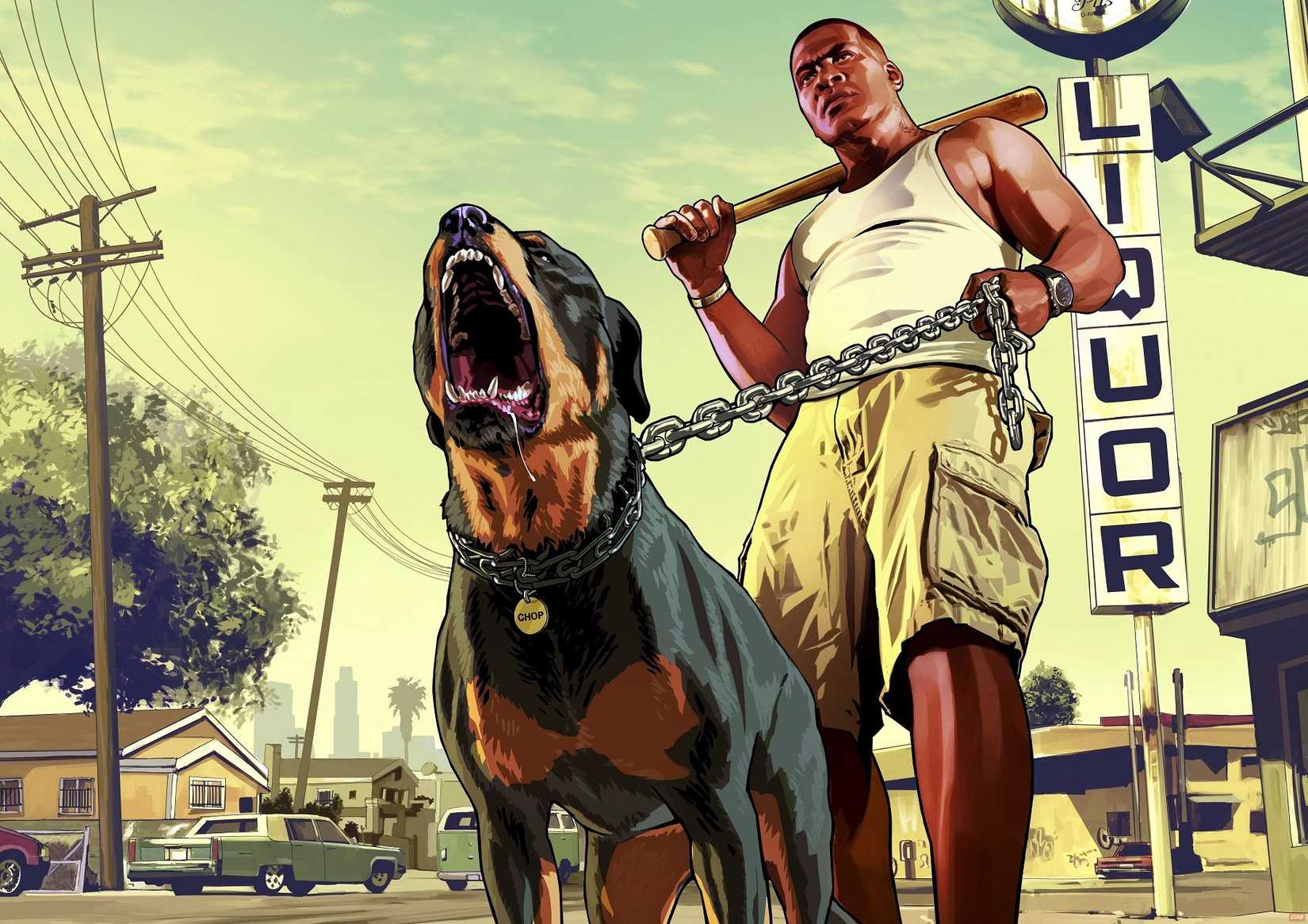
Detailed Chronology: Every Game in the Series and Where to Play It
1. Grand Theft Auto (1997)
- Era: 2D Universe
- Platforms: MS-DOS, Microsoft Windows, PlayStation, Game Boy Color
- Current Availability: Officially unavailable
The original 1997 release—viewed from a birds-eye, two-dimensional perspective—actually predates Rockstar Games itself, having been developed by DMA Design before the studio was fully absorbed and rebranded. For a brief period in the early internet era, Grand Theft Auto was available as a free promotional download directly from Rockstar’s official website. However, this goodwill gesture came to an abrupt end in 2013, when the files were scrubbed from the web.
Today, the original GTA exists firmly in the realm of abandonware. Whether pirating a copy of a game that cannot legally be purchased crosses an ethical line is a debate left to the individual consumer, but practical hurdles remain: the original PC executable will not run on modern operating systems without heavy community modification, source ports, or emulation. If you happen to own retro consoles, the Game Boy Color port is rudimentary and stripped-down, while the original PlayStation version offers the historical benefit of a physical, fold-out paper map.
2. Grand Theft Auto: London 1969 (1999)
- Era: 2D Universe
- Platforms: Microsoft Windows, PlayStation
- Current Availability: Officially unavailable
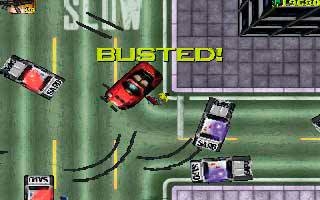
Serving as the first mission pack expansion for the original GTA, London 1969 shifted the franchise’s aesthetic to the swinging mod culture of late-1960s Britain. Because it relied on the core engine of the first game, it suffers from the exact same preservation fate. The expansion is entirely unavailable through official digital storefronts. Players must source custom-modified code to run the PC version on modern hardware, track down physical PlayStation discs, or rely on emulation. Notably, the PlayStation edition was also distributed as a standalone physical release titled Grand Theft Auto: London — Special Edition.
3. Grand Theft Auto: London 1961 (1999)
- Era: 2D Universe
- Platforms: Microsoft Windows
- Current Availability: Officially unavailable
Released shortly after its predecessor as a free downloadable expansion for the PC version of London 1969, London 1961 required players to own both the base game and the first expansion pack to function. Released strictly as freeware for personal computers, it has since vanished from Rockstar’s ecosystem. Accessing this historical curio requires digging through community archives and utilizing patched wrappers to make the aging software compatible with contemporary operating systems.
4. Grand Theft Auto 2 (1999)
- Era: 2D Universe
- Platforms: Microsoft Windows, PlayStation, Dreamcast, Game Boy Color
- Current Availability: Officially unavailable
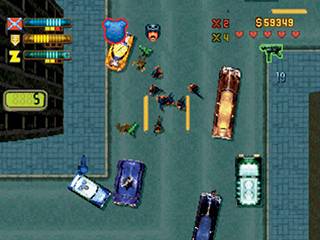
Generally viewed by critics and fans as an uneven sequel, GTA 2 adopted a grimy, dystopian retro-futuristic aesthetic set in the then-distant year of 2013. Featuring a rudimentary respect-meter system tied to various city gangs, the game occupies an awkward middle child status in the franchise history.
Its availability mirrors the rest of the 2D canon: it cannot be purchased digitally. Players must seek out community-patched PC versions or turn to retro hardware. For those collecting physical media, the Sega Dreamcast and original PlayStation versions are vastly superior to the heavily compromised Game Boy Color port.
5. Grand Theft Auto III (2001)
- Era: 3D Universe
- Platforms: PlayStation 2, Xbox, PC, iOS, Android, Modern Consoles
- Current Availability: Widely available (via Remaster and Mobile Ports)
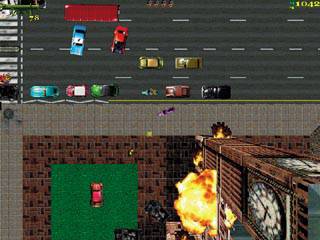
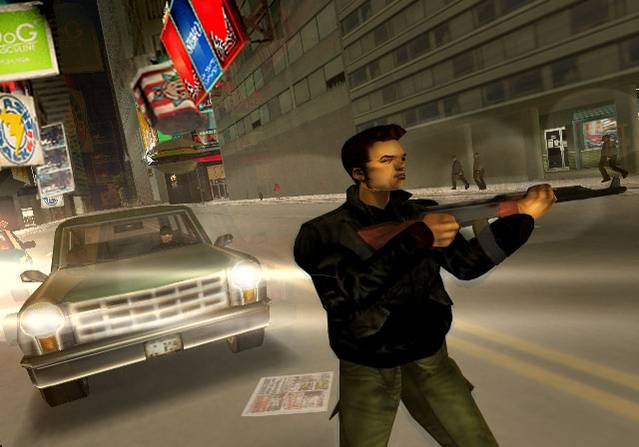
When the franchise transitioned into full 3D with GTA III, it fundamentally altered the trajectory of the video game industry. Fortunately, cultural milestones are rarely allowed to vanish completely, but GTA III presents players with a frustrating compromise regarding quality and fidelity.
On modern consoles, PC, and mobile devices, the primary way to purchase and play GTA III is through the 2021 compilation, Grand Theft Auto: The Trilogy — The Definitive Edition. However, this collection—initially developed by Grove Street Games—was met with widespread critical backlash at launch due to glaring technical bugs, performance instability, and unfaithful, plasticky visual upgrades that stripped away the gritty, smog-laden atmosphere of the original Liberty City. While subsequent patches have improved stability, the collection remains a subpar way to experience one of the most important games of the 20th century.
For players seeking a more authentic experience, the 10th Anniversary mobile port released by Rockstar in 2011 remains active on iOS and Android storefronts. For historical purists, however, the gold standard remains hunting down an original PlayStation 2 or Xbox disc and playing it on period-accurate hardware.
6. Grand Theft Auto: Vice City (2002)
- Era: 3D Universe
- Platforms: PlayStation 2, Xbox, PC, iOS, Android, Modern Consoles
- Current Availability: Widely available (via Remaster and Mobile Ports)
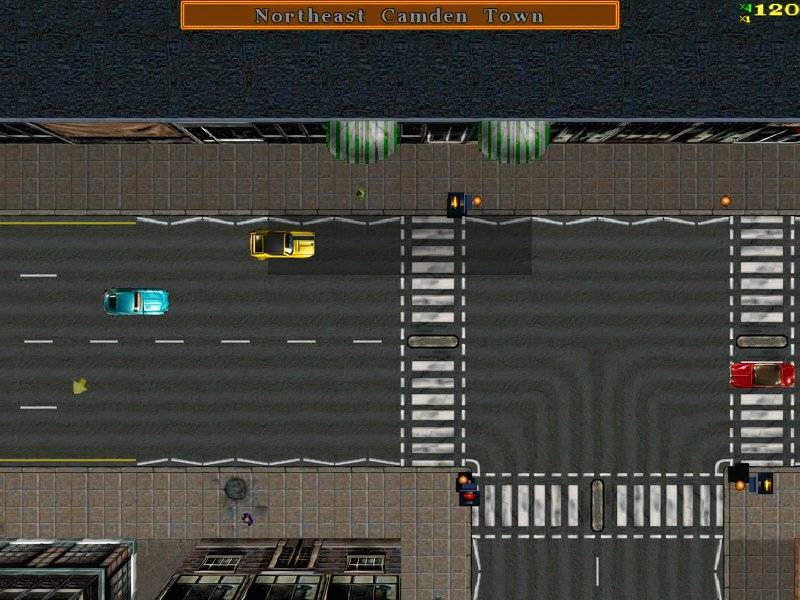
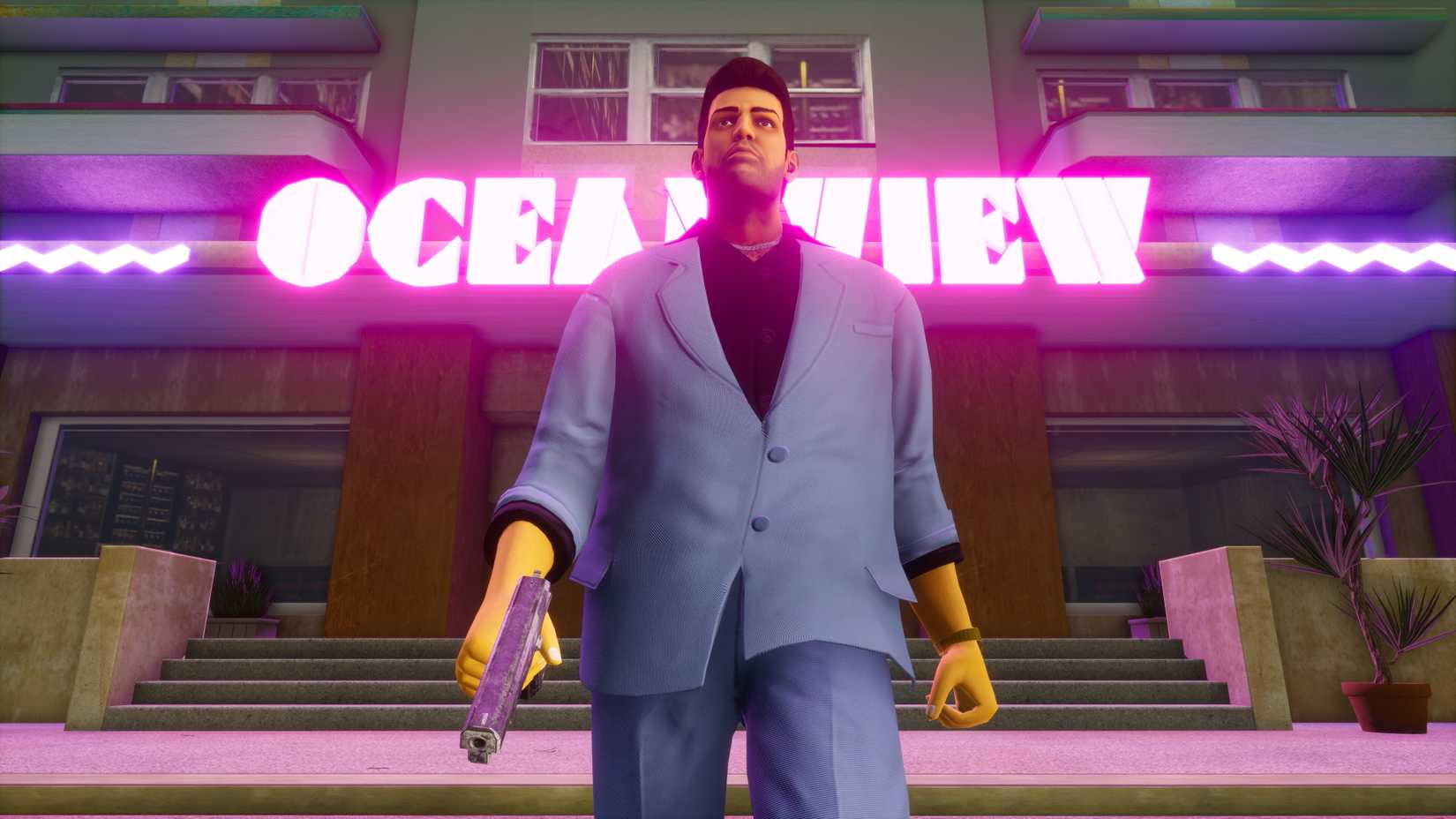
Imbued with an neon-soaked, 1980s pastiche heavily inspired by Miami Vice and Scarface, Vice City remains a fan favorite. Structurally, its availability mirrors GTA III. The 2021 Definitive Edition remaster is readily available across almost all modern platforms, though it suffers from the same stylistic and technical criticisms as its predecessor.
Additionally, licensing expirations for the game’s iconic licensed soundtrack have historically plagued various digital re-releases, resulting in missing tracks that diminish the atmospheric perfection of the original PlayStation 2 release. The 10th-anniversary mobile port offers a middle ground, but true fans often prefer tracking down original physical copies.
7. Grand Theft Auto: San Andreas (2004)
- Era: 3D Universe
- Platforms: PlayStation 2, Xbox, PC, Xbox 360, PlayStation 3, iOS, Android, Modern Consoles
- Current Availability: Widely available (with unique console exceptions)
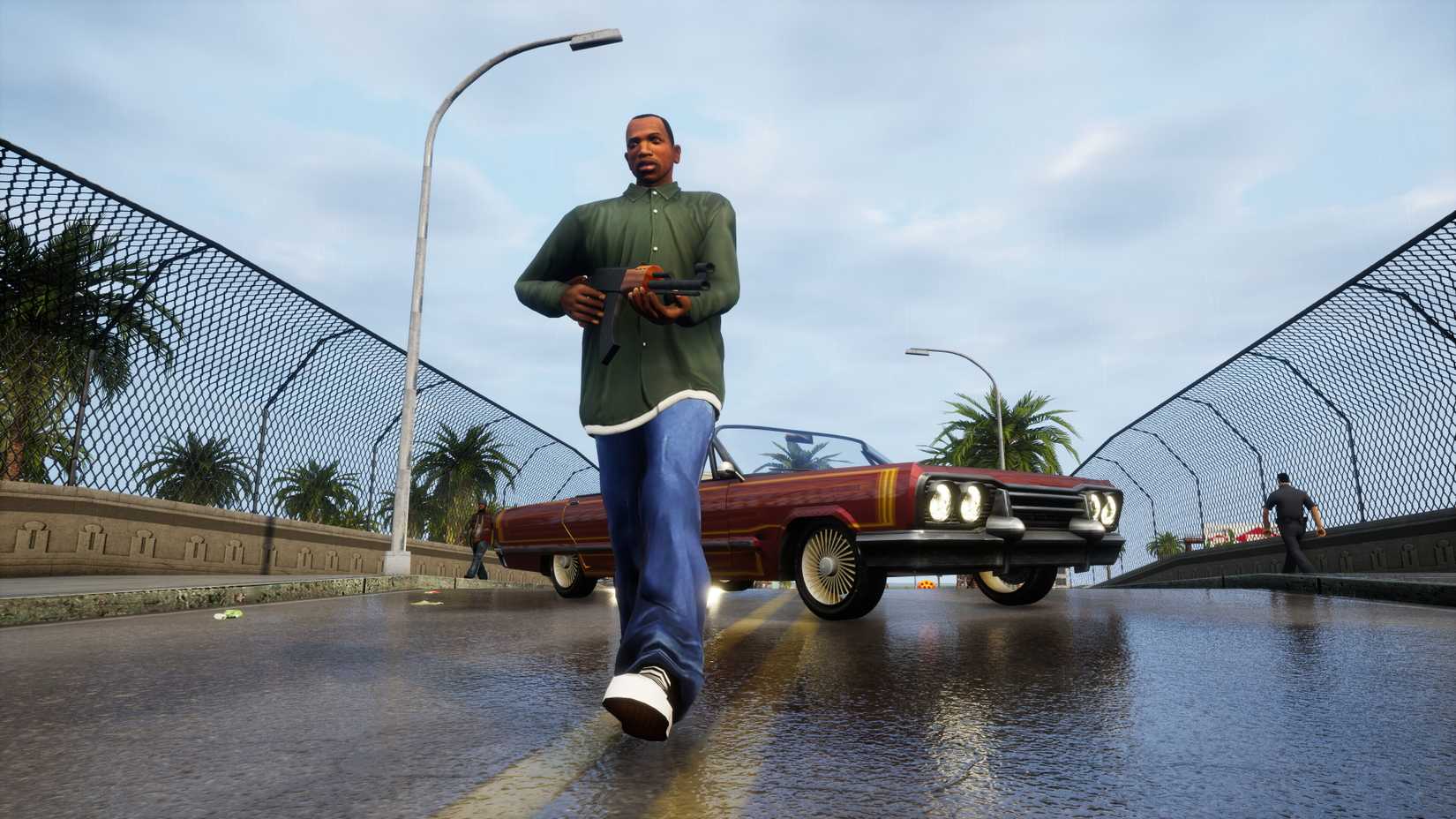
San Andreas expanded the scope of open-world gaming exponentially, offering three distinct cities, sprawling countryside, and deep role-playing mechanics. Like its immediate predecessors, the path of least resistance is the Definitive Edition on your modern platform of choice.
However, San Andreas holds a unique place in preservation history due to its fragmented port lineage. The 10th-anniversary mobile edition was ported to the Xbox 360 and PlayStation 3 digital stores as an upscale mobile port (replacing the original versions). Notably, the digital Xbox 360 version retains backward compatibility with the Xbox One and Xbox Series X/S. While it is no longer listed for purchase on the Xbox marketplace, users who previously acquired it digitally can still download and play it on current-generation Microsoft hardware.
8. Grand Theft Auto Advance (2004)
- Era: 3D Universe (Canon Prequel)
- Platforms: Game Boy Color / Game Boy Advance
- Current Availability: Officially unavailable
A fascinating historical oddity, GTA Advance was developed as a handheld exclusive for the Game Boy Advance. Despite utilizing a top-down 2D perspective reminiscent of the pre-millennium titles, it is officially considered part of the 3D Universe canon, serving as a narrative prequel to the events of GTA III. Never ported to modern platforms, it remains entirely inaccessible through official digital channels. Experiencing this title requires tracking down an authentic Game Boy Advance cartridge.
9. Grand Theft Auto: Liberty City Stories (2005)
- Era: 3D Universe
- Platforms: PlayStation Portable (PSP), PlayStation 2, iOS, Android
- Current Availability: Available on Mobile
Acting as a true 3D-engine prequel to GTA III, Liberty City Stories was originally engineered as a technical showcase for Sony’s portable PlayStation Portable (PSP) hardware before later receiving a standard PlayStation 2 port. Fortunately, unlike many of Rockstar’s portable experiments, this title received a competent mobile port in the mid-2010s. It remains actively available on iOS and Android app stores, making it one of the few pre-HD era spinoffs that does not require legacy hardware to play today.

10. Grand Theft Auto: Vice City Stories (2006)
- Era: 3D Universe
- Platforms: PlayStation Portable (PSP), PlayStation 2
- Current Availability: Officially unavailable
Rounding out Rockstar’s aggressive mid-2000s handheld strategy, Vice City Stories served as a companion piece and prequel to Vice City, introducing empire-building mechanics that would later influence San Andreas. Strangely, despite the success of Liberty City Stories, Rockstar opted never to grant Vice City Stories a mobile port or a modern digital re-release. Licensing hurdles—particularly concerning its massive, period-accurate soundtrack—have heavily compounded its absence. Anyone wishing to experience the sun-drenched streets of 1984 Vice City must secure an original PSP or PS2 disc and matching hardware.
Supporting Context & Metrics: The Preservation Dilemma
The friction surrounding Grand Theft Auto’s back catalog highlights a broader crisis within the interactive entertainment industry. According to data compiled by the Video Game History Foundation, an alarming percentage of classic video games released prior to 2010 are considered "critically endangered" or entirely commercially unavailable.
For Rockstar Games, the economic incentive to preserve early titles is heavily skewed by the astronomical financial success of Grand Theft Auto V and GTA Online. Having generated billions of dollars in recurring revenue over more than a decade, the corporate engine at Take-Two Interactive naturally prioritizes live-service maintenance and upcoming tentpole releases like GTA 6 over the painstaking code archaeological work required to license, patch, and re-release 1990s MS-DOS software or unoptimized PSP spin-offs.
Furthermore, third-party publisher relationships complicate matters. Early GTA soundtracks relied heavily on licensed music tracks from major record labels. When digital storefronts emerge years later, those licensing agreements rarely cover perpetual distribution. Consequently, re-releases either require expensive, multi-million-dollar renegotiations with music publishers or result in heavily sanitized versions featuring stripped soundtracks—a compromise that alienates the very fanbases these retro releases are designed to target.
Official Statements and Industry Reception
Rockstar Games has historically maintained a notoriously insular corporate communications strategy, rarely granting interviews or issuing public statements regarding its digital preservation philosophy. When questioned about the spotty availability of legacy titles or the heavy criticism leveled against the 2021 Definitive Edition trilogy, company executives have largely let sales figures and patch notes speak for themselves.
Upon the rocky launch of Grand Theft Auto: The Trilogy — The Definitive Edition, Rockstar issued a public apology to the community acknowledging that the remasters "did not launch at a state of polish that met our own standards of quality." Subsequent patches rolled out by Grove Street Games and Rockstar Dundee gradually addressed critical pathing errors, visual glitches, and performance drops, but the controversy cast a long shadow over how the company handles its foundational IP.
Industry analysts have frequently noted that Rockstar’s approach stands in stark contrast to other historical media giants, where deep catalog access is viewed as an essential component of brand heritage. Instead, Rockstar treats its legacy catalog with a degree of cyclical neglect, occasionally resurrecting titles when a profitable remaster opportunity arises, while allowing the deeper cuts to fade into obscurity.
Future Outlook: Will Rockstar Fix Its Back Catalog?
As the industry counts down the days to November 19 and the arrival of Grand Theft Auto 6, the conversation surrounding game preservation grows ever more urgent. The HD Universe—consisting of GTA IV, GTA V, and soon GTA 6—is relatively secure due to modern digital architecture and backward compatibility features on current-generation consoles.
However, the outlook for the 2D Universe and non-remastered 3D spinoffs remains bleak. Unless regulatory frameworks shift to mandate digital preservation, or consumer advocacy successfully shifts corporate policy toward abandonware allowances, titles like GTA Advance, Vice City Stories, and the original 1997 MS-DOS classic will remain trapped in regulatory and technical limbo.
For now, dedicated fans and digital historians must continue to rely on a fragmented ecosystem of aging physical hardware, community-led preservation projects, and sporadic mobile ports. As Grand Theft Auto cements its place as the definitive cultural art form of the 21st century, the irony remains: finding the future of the franchise is effortless, but exploring its past requires a map, a compass, and a great deal of luck.