Executive Overview
In an era where male vitality has been thrust to the forefront of cultural, political, and wellness conversations, the digital health landscape is undergoing a radical shift. Telehealth juggernaut Hims has officially launched a comprehensive testosterone replacement therapy (TRT) service aimed at cisgender men, marking a monumental pivot for a company that first rose to prominence dispensing generic erectile dysfunction medications.
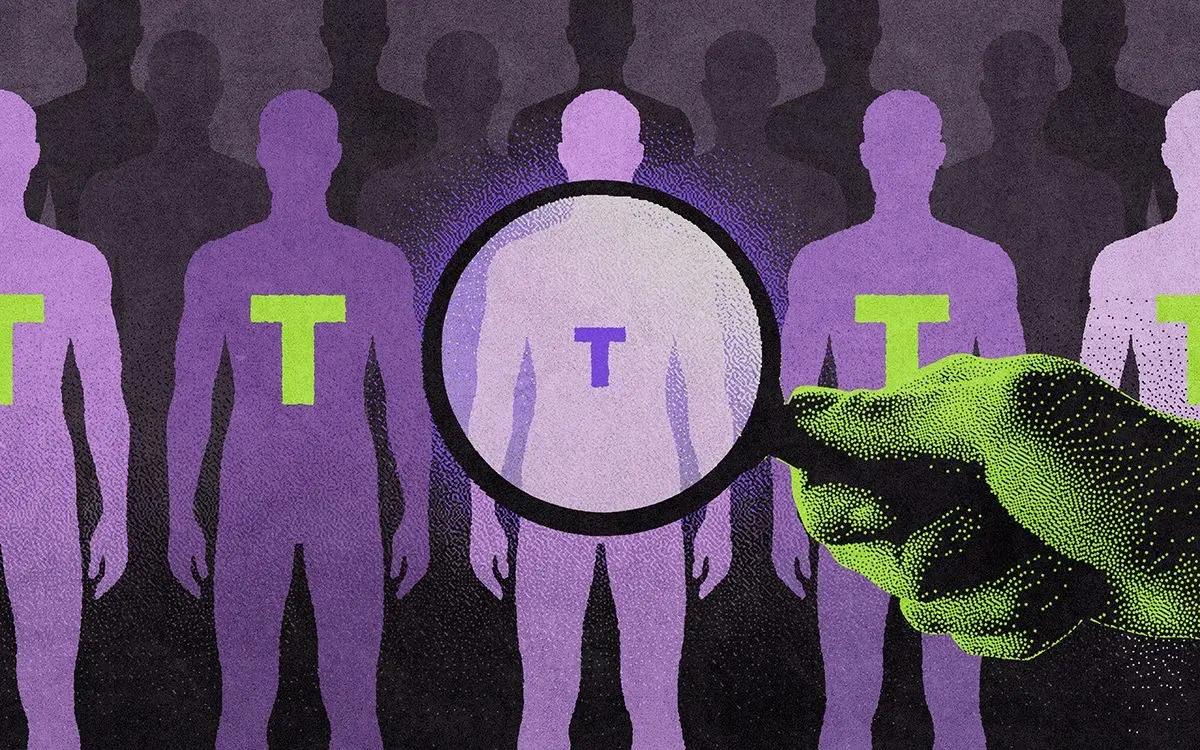
This strategic expansion arrives at a time of unprecedented cultural salience for testosterone. From viral podcast discussions and fitness subcultures to high-profile political weaponization—such as mandatory testing initiatives within the Pentagon and weaponized "low T" insults in high-stakes midterm elections—testosterone has become a modern barometer of health, power, and identity.
However, entering the TRT market places Hims squarely in a crowded and historically controversial arena. Online men’s health clinics have proliferated rapidly in recent years, often operating with minimal clinical rigor, marketing hormones as anti-aging panaceas, or prescribing them to patients with normal baseline levels. By pairing at-home capillary blood collection devices with mandatory synchronous video consultations, Hims is attempting to position itself as a trusted, medically rigorous alternative in a sector that critics often describe as the "Wild West" of digital medicine.
This report examines the convergence of cultural anxiety, political fixation, and telehealth innovation driving the modern testosterone boom, while analyzing Hims’ clinical strategy, regulatory hurdles, and the broader implications of scaling hormone therapy direct-to-consumer.
Detailed Chronology: From Erectile Dysfunction Startups to Hormonal Juggernauts
2017–2020: Laying the Groundwork
When Hims launched in 2017, its initial value proposition was simple, discreet, and destigmatizing: mail-order medications for erectile dysfunction and hair loss. Operating as a direct-to-consumer (DTC) digital health platform, the company targeted demographic anxieties with sleek branding and asynchronous care models—where patients filled out a text-based questionnaire and received a prescription reviewed by a remote clinician.
Over the next three years, the company expanded rapidly, broadening its catalog into mental health, primary care, and dermatology. Yet, complex endocrine conditions remained out of reach. As Peter Stahl, a urologist and senior vice president of men’s health at Hims, notes, the platform simply lacked the clinical infrastructure required to safely manage intricate hormonal imbalances.
2021–2023: The Direct-to-Consumer Telehealth Boom and the "Wild West" of TRT
As venture capital flooded into the digital health sector following the COVID-19 pandemic, a wave of specialized telehealth startups emerged, promising rapid access to lifestyle medications, weight-loss GLP-1s, and testosterone therapy.
During this period, online testosterone clinics proliferated. Many leveraged turnkey telehealth software to onboard patients in minutes. However, this speed came at the cost of clinical oversight. A landmark 2022 undercover study published in JAMA Internal Medicine revealed alarming practices across digital men’s health platforms: researchers posing as patients with normal testosterone levels found that six out of seven digital clinics evaluated were willing to prescribe TRT anyway, treating testosterone more like a lifestyle supplement than a controlled endocrine medication.
2024–Present: Cultural Hyper-Fixation and the Launch of Hims TRT
By 2024, testosterone had saturated the cultural zeitgeist. No longer confined to bodybuilding circles or clinical endocrinology offices, "Low T" became a ubiquitous buzzword across social media, wellness podcasts, and political rhetoric.
Sensing both a massive commercial opportunity and an unmet medical need, Hims expanded its platform to women’s health and scaled its customer base to 2.9 million users as a publicly traded company. Culminating years of internal development, the company rolled out its official TRT service. Unlike its asynchronous offerings for ED or hair loss, the complexity of managing testosterone—a controlled substance carrying distinct physiological risks—forced Hims to engineer a hybrid care model combining at-home diagnostics with mandatory video evaluations.
Supporting Context & Metrics: The Science, the Stigma, and the Market
Demystifying Hypogonadism and the Stigma of "Low T"
Medical professionals define clinically low testosterone—hypogonadism—as a condition characterized by both deficient serum testosterone levels and distinct clinical symptoms, including sexual dysfunction, loss of muscle mass, fatigue, and cognitive fog. According to Stahl, testosterone serves as a "powerful biomarker" for overall systemic health, noting that untreated hypogonadism is associated with a significantly elevated risk of overall mortality.
Despite its clinical importance, testosterone therapy has long battled cultural baggage. Following the passage of the Anabolic Steroids Control Act of 1990, testosterone was classified as a controlled substance due to rampant abuse within professional sports and bodybuilding. This regulatory classification cemented a cultural stigma that equated medical TRT with illicit muscle-building and aggressive behavior. Furthermore, older medical studies historically linked testosterone therapy to cardiovascular risks—concerns that modern endocrinologists and urologists argue were overstated or based on flawed cohorts.
The Political Weaponization of Testosterone
The cultural obsession with testosterone has increasingly bled into the political sphere, transforming a medical biomarker into a partisan flashpoint.
- Military Mandates: In the autumn of 2024, leadership under Pentagon officials moved forward with plans to implement mandatory testosterone deficiency screenings for most male troops in the United States armed services, sparking intense debates among medical ethicists regarding junk-science integration versus operational readiness.
- Electoral Rhetoric: In high-profile political landscapes, such as the fiercely contested Texas Senate midterm race between candidates like Ken Paxton and James Talarico, the phrase "low T" has been weaponized as a direct assault on a rival’s masculinity and fitness for office.
Diagnostic Innovation: Moving Beyond the Standard Blood Draw
One of the primary friction points in preventive men’s health is the reluctance of young men to visit a physical clinic for routine bloodwork. Hims is attempting to bypass this psychological barrier by incorporating the Tasso blood collection device—a single-use, wearable puck that attaches to the upper arm and uses microscopic needles to painlessly draw capillary blood.
Rather than testing for testosterone alone, the collected sample is sent to a laboratory that analyzes a panel of 21 distinct biomarkers, including:
- Total and Free Testosterone
- Thyroid-Stimulating Hormone (TSH)
- Lipid profiles (Triglycerides and Cholesterol)
- Metabolic markers
By bundling testosterone screening into a comprehensive metabolic health check, Hims hopes to convert young, otherwise healthy men who are curious about their hormone levels into engaged patients.
Official Statements and Industry Perspectives
The commercialization of telehealth-driven TRT has elicited a complex spectrum of reactions from leading medical professionals, academic researchers, and corporate executives.
Peter Stahl, MD – Senior Vice President of Men’s Health, Hims
Stahl views the launch of Hims’ TRT program as a necessary evolution in digital healthcare, designed to dismantle decades of medical stigma while maintaining strict clinical guardrails:
"When we first started, we didn’t have the capabilities to take care of a complex condition like testosterone deficiency. We’ve finally grown up. Our goal is to cast as wide a net, and get as many people tested, as possible… But if you’re asymptomatic, it doesn’t matter what your testosterone level is, you’re not going to get treated on our platform."
Stahl emphasizes that unlike competitors who market TRT as an anti-aging elixir for any aging male, Hims intends to enforce strict diagnostic thresholds. A low lab result in the absence of clinical symptoms will not result in a prescription.
Mohit Khera, MD – Director of the Laboratory for Andrology Research, Baylor College of Medicine
Dr. Khera sees digital health platforms as a promising avenue for democratizing access to specialized endocrine care, provided that patient safety remains paramount:
"It’s important to remember that testosterone therapy can cause infertility, and you don’t give it to someone trying to conceive. Telehealth TRT services are promising ways to expand access to the medication, as long as it’s monitored appropriately."
Khera’s warning highlights the delicate physiological balancing act required when prescribing exogenous androgens. Because testosterone supplementation suppresses natural gonadotropin production, it acts as a powerful contraceptive, rendering patients temporarily or permanently infertile—a critical counseling point that must be addressed during clinical evaluations.
Future Outlook: The Balancing Act of Digital Endocrinology
As Hims deploys its new TRT service—offering a mix of commercially available injectables, compounded formulations, and oral medications—the company sits at a critical juncture in the evolution of direct-to-consumer medicine.
Regulatory Scrutiny and Synchronous Care
Unlike lifestyle medications such as GLP-1 weight-loss drugs or estrogen-based hormone therapies, which can often be prescribed via asynchronous text questionnaires, testosterone’s status as a controlled substance legally mandates synchronous care. Patients must engage in live video consultations with licensed clinicians both before receiving an initial prescription and throughout their ongoing maintenance therapy. This regulatory mandate creates a natural friction point against hyper-growth, forcing telehealth companies to balance unit economics with rigorous clinical compliance.
The War on Anti-Aging Over-Prescription
The central challenge for Hims—and the broader digital health industry—will be maintaining clinical integrity amidst immense consumer demand. As the cultural narrative around male vitality continues to accelerate, driven by political talking points and wellness influencers, millions of men will look to online platforms for quick fixes to generalized fatigue, aging, and lifestyle stressors.
If Hims can successfully execute its promise to restrict prescriptions strictly to symptomatic hypogonadal patients while utilizing innovative diagnostic tools like the Tasso device, it may reshape how modern medicine approaches men’s endocrine health. However, if the platform succumbs to the temptation of over-prescribing—joining the ranks of the unregulated digital clinics that preceded it—it risks exacerbating the very skepticism it seeks to cure. Ultimately, the success of the "Low T" gold rush will be measured not by how many prescriptions are written, but by how safely and accurately patient health is managed in the digital age.