Executive Overview
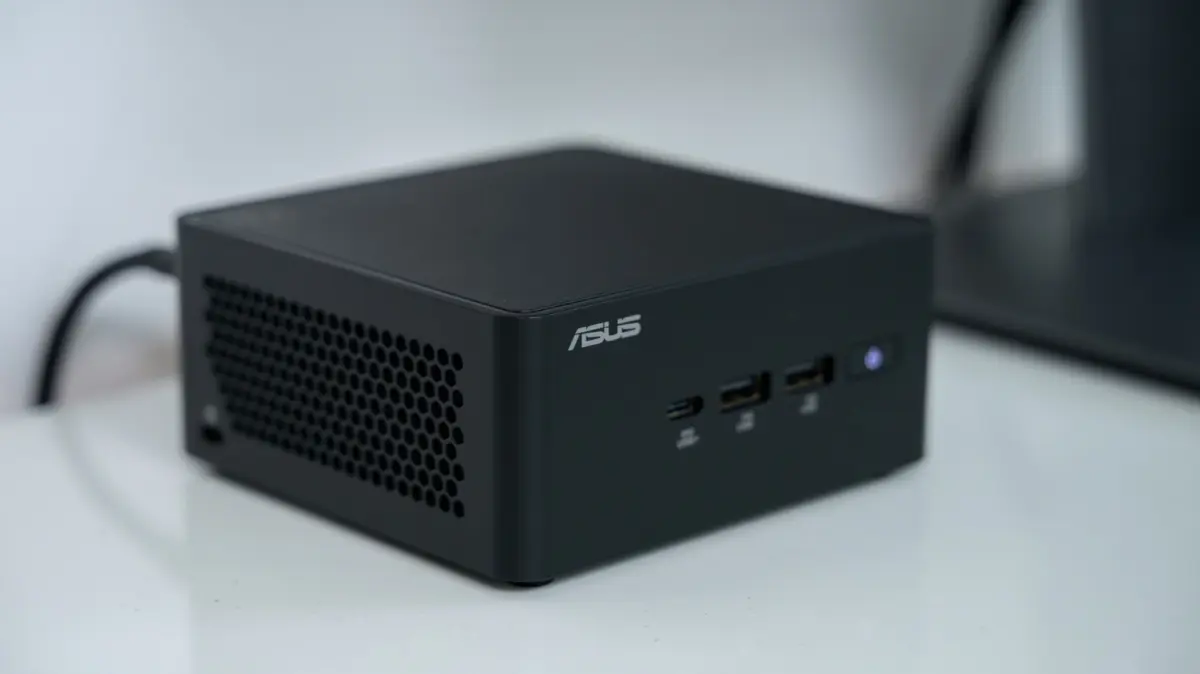
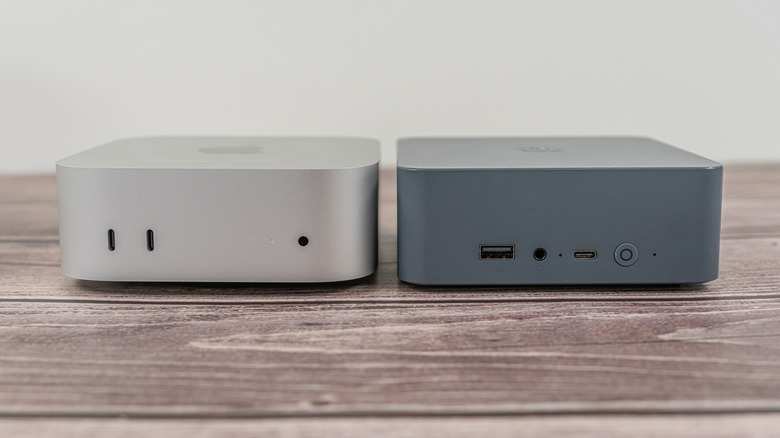
In recent years, the consumer computing landscape has undergone a subtle yet profound shift. Traditional, hulking desktop towers—once the undisputed kings of home and office productivity—now increasingly share desk space, or are completely replaced by, ultra-compact systems that can comfortably fit in the palm of a hand. Brands like Geekom, Beelink, Minisforum, and tech giants like Apple with its iconic Mac Mini, have mainstreamed form factors that defy conventional expectations of computing power. For everyday consumers, students, and space-conscious professionals, the appeal of a mini PC is instantly understandable: full desktop functionality bundled into an enclosure no larger than a thick paperback book.
However, beneath the sleek metallic chassis and minimalist aesthetics lies a series of severe engineering compromises. The old adage in physics—that space dictates capability—holds ruthlessly true in consumer electronics. Shrinking a high-performance computer down to a fraction of a traditional desktop’s volume introduces staggering thermal and architectural hurdles.
While manufacturers have made miraculous strides in component miniaturization, investing in a mini PC is rarely a seamless transition. Users must confront fundamental limitations in sustained thermal performance, near-total hardware obsolescence due to lack of upgrade paths, non-existent user-repairability options, and questionable long-term value propositions. As component pricing fluctuates under the heavy global demands of artificial intelligence hardware, understanding these trade-offs has never been more critical before clicking "buy."
Detailed Chronology: The Evolution and Bottlenecks of Compact Computing
The trajectory of the mini PC market mirrors the broader evolution of mobile computing. Decades ago, small-form-factor (SFF) systems relied on proprietary parts or heavily restricted desktop components that suffered from severe overheating and high failure rates. As mobile processors became exponentially more powerful and energy-efficient—largely driven by the smartphone revolution and ultrabook laptop design—manufacturers realized that laptop-grade silicon could be repurposed into standalone, desktop-like enclosures.
1. The Laptop Silicon Heritage
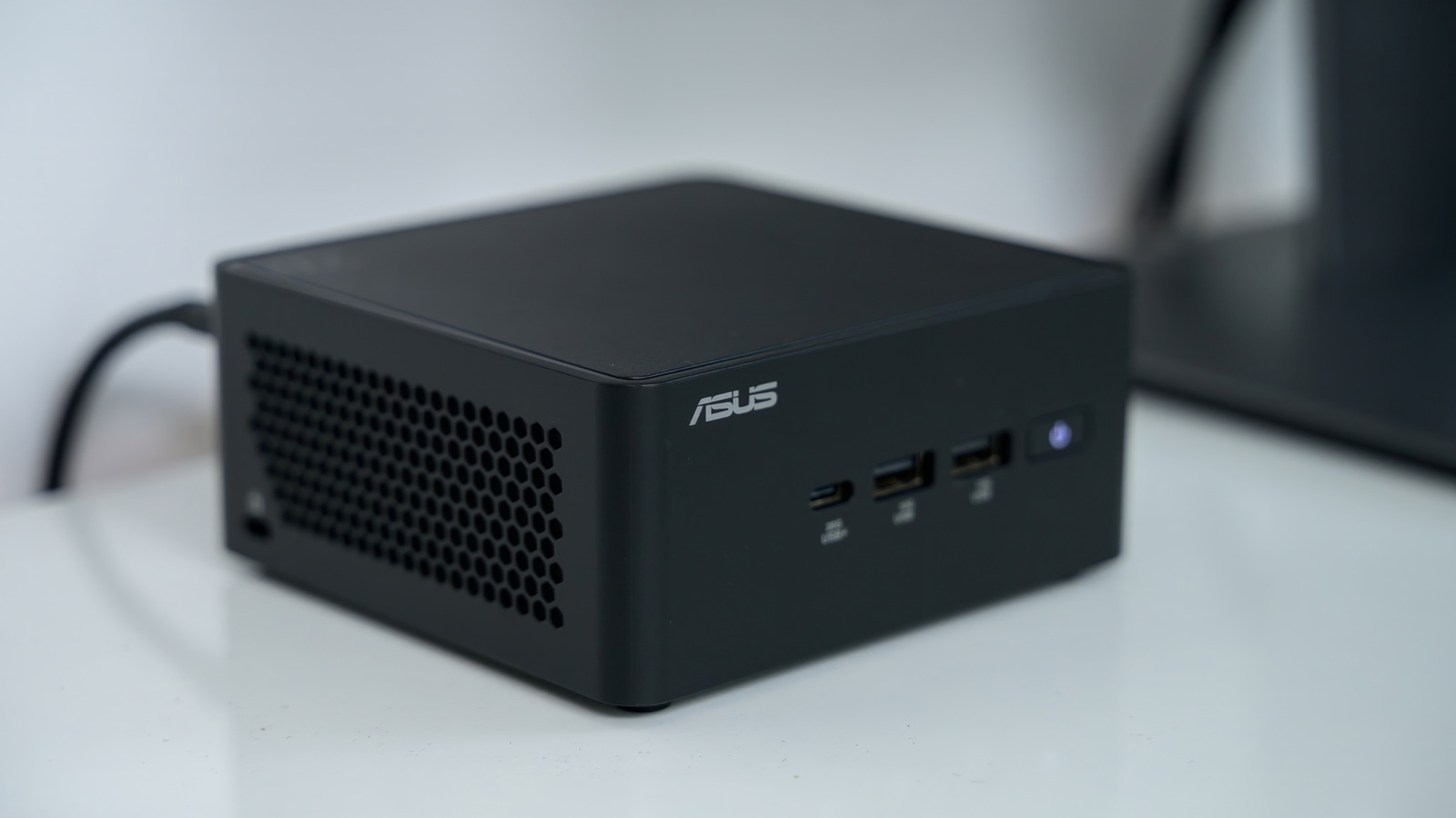
As early iterations of mini PCs gained traction, buyers quickly realized that these devices were, for all practical intents and purposes, clamshell laptops without the screens, keyboards, and batteries. This heritage defines their architecture to this day.
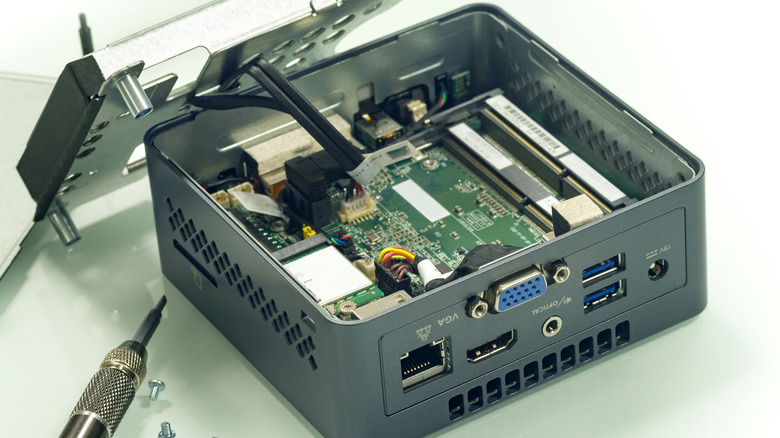
- The Soldered Reality: Much like modern ultrabooks, the vast majority of mini PCs rely on processors (CPUs) and graphics chips (GPUs) that are permanently soldered directly onto the motherboard. Unless an end-user possesses professional-grade surface-mount soldering equipment and deep micro-electronics expertise, upgrading the central processing units is completely out of the question.
- Component Limitations: When upgrades are permitted at all, they are typically restricted to secondary components such as smaller M.2 solid-state drives (SSDs) or SO-DIMM memory modules—the exact same components found inside modern laptops. Furthermore, an unsettling number of budget and ultra-compact models feature soldered storage and memory, sealing the hardware configuration permanently from the moment it rolls off the assembly line.
2. The Quest for External Expansion
Recognizing the intrinsic limitations of internal real estate, engineers began introducing alternative connectivity pathways. Mid-tier and high-end mini PCs increasingly feature high-bandwidth interfaces like Thunderbolt, USB4, or OCuLink ports.
These technologies allow users to tether an external graphics card (eGPU) housed within a dedicated desktop-style enclosure. While this workaround injects much-needed graphical horsepower for gaming or local AI workflows, it fundamentally defeats the primary selling point of the mini PC: ultimate portability and a clean, cable-free desk setup. Tethering a bulky eGPU enclosure tethered to a palm-sized box results in a sprawling desktop footprint that rivals traditional mid-tower builds anyway.
Supporting Context & Metrics: Cooling, Thermal Dynamics, and Hardware Economics
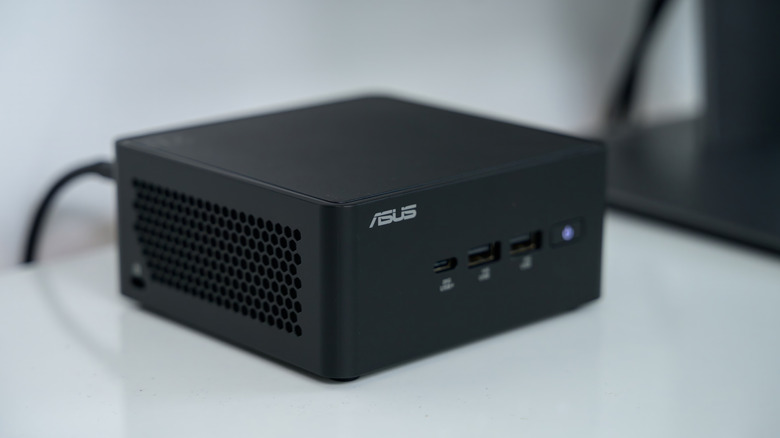
The single greatest enemy of modern high-performance computing is heat. As microchips process billions of operations per second, electrical resistance generates thermal energy that must be dissipated rapidly to prevent catastrophic hardware failure or thermal throttling—a mechanism where a processor artificially slows itself down to lower its operating temperature.
The Thermal Deficit
Traditional desktop PCs benefit from cavernous chassis designs capable of housing massive multi-fan air coolers or complex liquid-cooling loops. These systems maintain high static pressure, driving continuous streams of cool ambient air across heat-generating components.
Mini PCs possess none of these luxuries. Their internal volume leaves virtually no room for expansive heatsinks or high-airflow fans. While engineering teams employ sophisticated vapor chambers and blower-style fans to route air through impossibly tight spaces, physics imposes an unyielding ceiling:
- Acoustic Penalties: Under heavy, sustained computational loads—such as video rendering, compiling code, or modern gaming—high-end mini PCs are forced to spin their miniature cooling fans at maximum RPM. This results in a high-pitched, whacking acoustic profile that can easily drown out office environments.
- Sustained Power Disadvantage: While cutting-edge mobile processors (such as AMD’s Ryzen AI Max+ series) boast CPU performance metrics that dangerously close the gap on desktop powerhouses like the AMD Ryzen 9 9950X, they cannot sustain those peak turbo frequencies indefinitely. The moment heat saturates the tiny chassis, thermal throttling kicks in, leading to a noticeable drop in sustained performance compared to a well-ventilated desktop tower.
The Financial Equation: Premium Pricing vs. Long-Term Value
The pricing spectrum of the mini PC market is extraordinarily wide, creating unique economic dilemmas for consumers. At the entry level, systems like the Beelink SER5 retail for roughly $389, offering adequate performance for basic word processing, web browsing, and lightweight administrative tasks. At the extreme opposite end of the spectrum, enthusiast-grade marvels like the Asus ROG NUC 16 can command astronomical prices reaching up to $4,999.
When consumers spend thousands of dollars on a flagship mini PC, they are paying a steep "miniaturization tax." For that same financial investment, a traditional desktop build would yield vastly superior raw performance, significantly better cooling efficiency, and—most importantly—endless avenues for future upgrades.
This value disparity is heavily exacerbated by broader macroeconomic trends. Driven by the explosive global demand for AI infrastructure, the cost of volatile memory (RAM) and NAND flash storage (SSDs) has experienced cyclical surges. When a system is entirely non-upgradable, consumers cannot easily weather these component price hikes by selectively upgrading single parts over time; instead, they are forced to discard the entire machine when it eventually falls behind the technological curve.
Repairability and Longevity: A Disposable Paradigm
In an era increasingly conscious of electronic waste (e-waste) and the "Right to Repair" movement, mini PCs represent an uncomfortable regression toward disposable technology.
When a component fails inside a traditional desktop PC, diagnostics and repair are remarkably straightforward. If a power supply unit (PSU) suffers a catastrophic electrical failure, the user can isolate the issue, purchase a standardized replacement part, and swap it out within minutes. Even in worst-case scenarios where a motherboard or CPU is fried, the remaining components—such as the chassis, storage drives, power supply, and graphics card—frequently remain salvageable.
Mini PCs offer no such structural resilience. Structurally and philosophically, they align directly with modern smartphones and laptops:
- Single-Point-of-Failure Vulnerability: Should the soldered motherboard or integrated power management circuitry experience a component failure outside of the initial warranty window, sourcing independent retail replacement parts is virtually impossible.
- The Replacement Cycle: Because board-level micro-soldering repairs are prohibitively expensive and economically unviable for the average consumer, a single hardware failure effectively transforms the entire mini PC into electronic waste. Users are left with no choice but to absorb the total financial loss and purchase a brand-new replacement system.
Future Outlook: Where Does the Form Factor Go From Here?
Despite their distinct drawbacks, mini PCs occupy a vital, expanding niche in the personal computing ecosystem. They are peerless when deployed in specific environments: digital signage, home theater PC (HTPC) setups, minimalist enterprise office desks, and space-constrained apartments where every square inch of desktop real estate matters.
Looking forward, the viability of the mini PC will heavily hinge on breakthroughs in semiconductor energy efficiency. As silicon manufacturers push toward smaller lithography nodes (such as 3-nanometer and below) and optimize performance-per-watt metrics, future processors will generate significantly less heat while maintaining high processing speeds. This evolution could largely mitigate the severe thermal and acoustic penalties that currently plague high-performance micro-desktops.
Furthermore, innovations in wireless connectivity and modular magnetic connection interfaces may eventually bridge the gap between ultra-compact portability and desktop-grade expansion. Until those technological leaps mature into commercial reality, however, prospective buyers must approach the mini PC market with clear-eyed pragmatism. Choosing a palm-sized computer is an exercise in deliberate compromise—trading away upgrade paths, absolute thermal headroom, repairability, and long-term economic value in exchange for a clean, unobtrusive desk footprint.