Executive Overview
For generations, the transition phase leading up to menopause was medically minimized, socially stigmatized, and practically ignored. Dismissed as an inevitable, albeit frustrating, "fact of life," perimenopause was a black box of symptoms—ranging from brain fog and sudden temperature spikes to severe mood disruptions and sleep deprivation—that women were largely expected to endure in silence.
Today, that paradigm has undergone a seismic shift. In what can only be described as a cultural and commercial renaissance, perimenopause has burst from the shadows of taboo and into the glaring, hyper-targeted spotlight of the internet age. It is no longer just a medical footnote; it is a booming market, a dominant social media talking point, and a lightning rod for broader conversations surrounding women’s healthcare, hormone therapy, and wellness trends.
This rapid transformation has been driven by a confluence of powerful forces: the democratization of medical information via the internet, the post-pandemic explosion of telehealth platforms specializing in midlife women’s health, a renewed mainstream interest in hormone replacement therapy (HRT), and even the shifting political and cultural winds represented by movements like MAHA (Make America Healthy Again).
In a recent episode of the What Next: TBD podcast, guest Kate Knibbs, a senior writer for WIRED, joined the host to dissect how perimenopause went from being a little-understood biological phase to dominating the social media feeds of women over forty. This deep dive explores the mechanics of that shift, examining how digital connectivity dismantled decades of medical neglect, the commercialization of midlife biology, and what this new era means for the future of aging and wellness.
Detailed Chronology: From Medical Silence to the Digital Feed
To understand how perimenopause became an unavoidable fixture of contemporary digital culture, it is necessary to chart its journey from clinical obscurity to viral ubiquity.
The Era of Medical Dismissal (Pre-2010s)
Historically, women experiencing the erratic hormonal fluctuations of perimenopause encountered a wall of apathy within the traditional medical establishment. Medical school curricula historically dedicated minimal time to menopause and its preceding phases, leaving generations of general practitioners underequipped to diagnose or treat symptoms that did not neatly fit into standard diagnostic boxes.
Women presenting with anxiety, fatigue, weight gain, or cognitive sluggishness were frequently handed prescriptions for antidepressants or told it was simply "stress" or "normal aging." This systemic gaslighting left millions of women feeling isolated, confused, and fundamentally untrustworthy of their own bodies.
The Digital Undercurrent and Early Forums (2010–2018)
The first cracks in the wall of silence appeared online. Long before algorithm-driven social media feeds existed, digital pioneers sought solace and validation in the dark corners of the internet. Early message boards, Reddit communities, and specialized health forums became the lifeline for women desperately seeking answers to erratic menstrual cycles and sudden, unexplained physical distress.
In these peer-to-peer spaces, women traded symptoms, debunked medical dismissals, and began piecing together a collective narrative that conventional medicine was failing to provide. These digital enclaves proved that the demand for information was vast, even if traditional institutions were slow to recognize it.
The Telehealth Revolution and Post-Pandemic Boom (2020–2023)
The COVID-19 pandemic permanently altered the healthcare landscape, accelerating the adoption of telehealth by a decade. This technological pivot coincided perfectly with a generational shift: Gen X women, who were now entering midlife, possessed both the digital literacy and the cultural inclination to demand better healthcare solutions.
Venture capitalists and entrepreneurial clinicians quickly recognized the gap in the market. A new wave of digital-first clinics emerged, explicitly designed to bypass the traditional, often dismissive primary care gatekeepers. These platforms offered specialized, empathetic care focused on midlife women’s health, making treatments like hormone replacement therapy (HRT) accessible from home. Perimenopause was suddenly packaged as a manageable, treatable condition rather than a life sentence of decline.
The Social Media Saturation (2023–Present)
Today, perimenopause has achieved hyper-visibility. It is impossible for a woman of a certain age to scroll through Instagram, TikTok, or Facebook without encountering targeted advertisements for supplements, cooling pajamas, online hormone clinics, and specialized wellness coaches.
While this visibility has successfully dismantled decades of shame, it has also introduced a new set of complexities. The line between evidence-based medical education and predatory wellness marketing has blurred, creating a digital ecosystem where genuine empowerment often competes with high-priced snake oil.
Supporting Context & Metrics: The Anatomy of a Movement
The sudden commercial and cultural saturation of perimenopause is supported by profound demographic shifts, economic realities, and evolving medical guidelines.
Demographics and the Workforce Crisis
The generation currently navigating perimenopause—primarily older Gen X and younger Boomer women—represents a formidable economic force. These are women at the peak of their earning power and professional influence. However, the untreated or poorly managed symptoms of perimenopause have historically taken a heavy toll on their careers.
Studies from organizations like the Mayo Clinic have previously highlighted that billions of dollars are lost annually in productivity due to midlife women reducing their hours, passing up promotions, or leaving the workforce entirely because of debilitating symptoms like severe brain fog, insomnia, and anxiety. The push for better perimenopause care is therefore not just a healthcare issue; it is an economic imperative.
The Renaissance of Hormone Replacement Therapy (HRT)
Perhaps the most significant medical pivot fueling this trend is the rehabilitation of Hormone Replacement Therapy (HRT). In 2002, the premature and deeply flawed reporting of the Women’s Health Initiative (WHI) study sparked widespread panic, erroneously linking HRT to skyrocketing rates of breast cancer and cardiovascular disease. Overnight, prescriptions plummeted, and a generation of women was denied effective symptom management out of an abundance of misplaced fear.
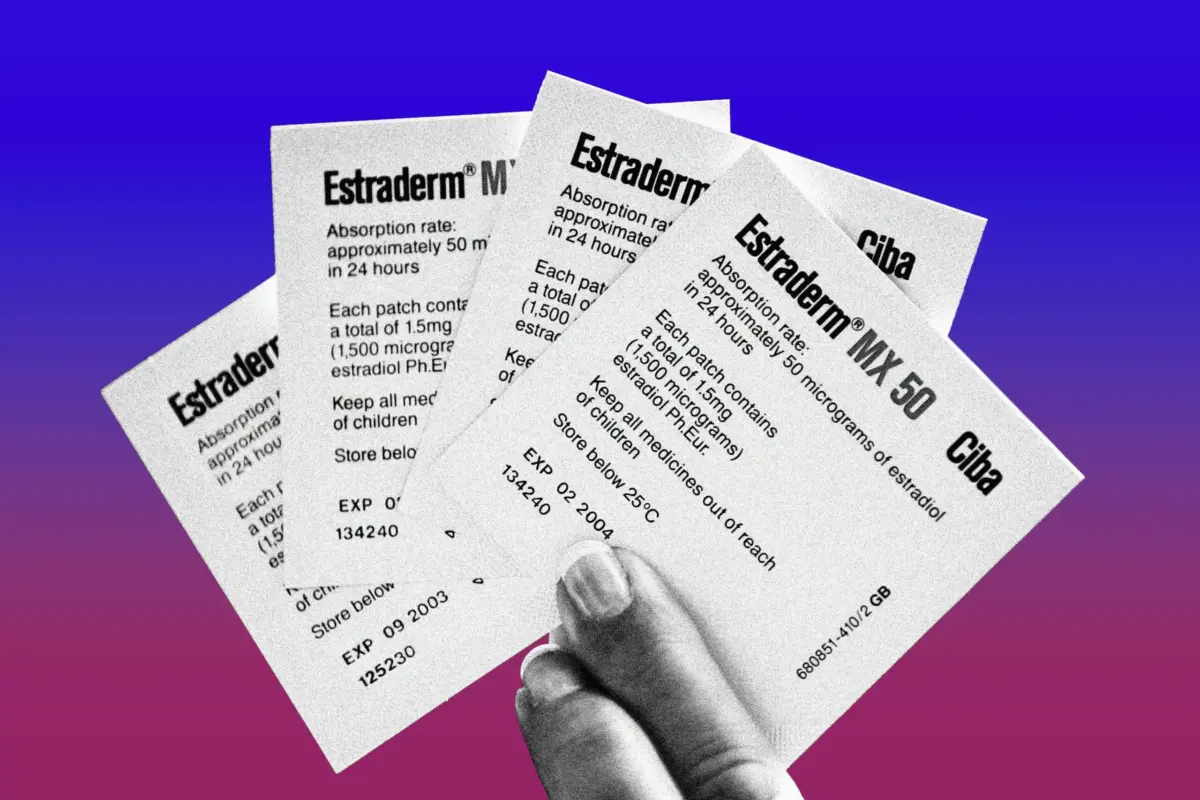
Over the last several years, epidemiologists and gynecological associations have meticulously re-analyzed the WHI data, concluding that for the vast majority of healthy women under 60 (or within 10 years of menopause onset), the benefits of HRT drastically outweigh the risks. This medical correction has coincided with the digital boom, leading to a massive resurgence in demand. Influencers, physicians, and podcasters have made discussing estrogen, progesterone, and testosterone patches as commonplace as discussing skincare routines.
The Intersection of MAHA and Alternative Wellness
As the wellness industry intersects with broader political and cultural movements—such as the "Make America Healthy Again" (MAHA) ethos emphasizing skepticism toward conventional pharmaceutical interventions, a focus on holistic living, and a distrust of legacy medical institutions—perimenopause has found itself at a fascinating crossroads.
While online spaces champion evidence-based medical treatments like HRT, they simultaneously embrace a vast array of unregulated supplements, lifestyle hacks, and alternative therapies. This dual track reflects a public that is deeply hungry for holistic validation while remaining profoundly skeptical of a medical establishment that ignored them for generations.
Official Statements and Expert Insights
The cultural evolution surrounding midlife health has brought researchers, journalists, and clinical specialists to the forefront of public discourse.
Kate Knibbs, a senior writer for WIRED and a prominent voice tracking the intersection of technology, culture, and health, captured the essence of this phenomenon during her appearance on What Next: TBD. Reflecting on the lightning-fast trajectory of the topic, Knibbs noted:
"Perimenopause’s journey from little-understood phase before menopause to the subject of every ad on social media for women of a certain age was quick—and impossible to imagine without the internet."
Knibbs’s analysis underscores a fundamental truth of the modern era: technology acts as both the amplifier and the architect of our cultural shifts. Without algorithms designed to cluster demographic data, without virtual doctor’s visits that transcend geographic limitations, and without decentralized platforms where women can share their raw, unvarnished experiences, perimenopause would likely have remained buried in clinical textbooks.
Medical professionals have also begun to weigh in on the duality of this digital renaissance. Dr. Stephanie Faubion, medical director for the North American Menopause Society (NAMS), has frequently emphasized the importance of bridging the gap between accessible digital information and rigorous clinical science. While celebrating the fact that women are finally talking openly about their bodies, medical experts urge caution against the "Wild West" of unregulated digital wellness products that promise miraculous fixes without scientific backing.
Future Outlook: Where Do We Go From Here?
As the dust settles on the initial wave of digital awareness and commercial exploitation, what does the future hold for the perimenopause landscape?
1. Mainstreaming Medical Education
The pressure applied by digitally empowered patients is finally forcing institutional change. Medical schools and residency programs are beginning to update their curricula to include comprehensive training on menopause and perimenopause. The future primary care physician will likely be far better equipped to handle midlife endocrine shifts, reducing the reliance on specialized telehealth startups for basic care.
2. Regulatory Scrutiny and Consumer Protection
As the market for perimenopause-related products—ranging from supplements to wearable biometric devices tracking hot flashes—expands into the billions, regulatory bodies like the FDA and FTC will inevitably increase their oversight. The coming years will likely see a crackdown on misleading marketing claims, separating evidence-based therapeutics from expensive wellness fads.
3. De-Stigmatizing Aging in the Workplace
Forward-thinking corporations are beginning to recognize that supporting women through perimenopause is a crucial component of diversity, equity, and inclusion (DEI) initiatives. Programs offering flexible work arrangements, temperature-controlled office environments, and subsidized access to midlife healthcare platforms are moving from progressive perks to standard competitive advantages for talent retention.
4. Continued Digital Community Building
No matter how advanced traditional medicine becomes, the grassroots digital communities that sparked this revolution will remain vital. The psychological comfort of knowing that millions of other women are experiencing the exact same nocturnal sweats, cognitive hiccups, and emotional shifts cannot be replicated by a prescription pad alone. The internet built a bridge out of isolation for midlife women, and that bridge is here to stay.
Ultimately, the perimenopause renaissance represents a permanent and welcome correction. By leveraging technology to break the silence, women have reclaimed agency over their bodies, forcing society to recognize that the middle chapters of life are not a period of inevitable decline, but a dynamic, manageable, and deeply significant phase of human existence.