Executive Overview
In an era defined by instantaneous digital outrage and the high-stakes friction between celebrity influence and independent retail, few recent cultural micro-storms have captured the public imagination quite like the October 2026 clash between Grammy Award-winning pop artist Kelly Clarkson and Art of Play, a specialty curio shop and magic venue located in Brooklyn, New York. What began as a routine weekend shopping trip rapidly metastasized into a viral socio-economic debate regarding class assumptions, the fragility of small business reputations in the algorithmic age, and the precise boundaries of retail etiquette.
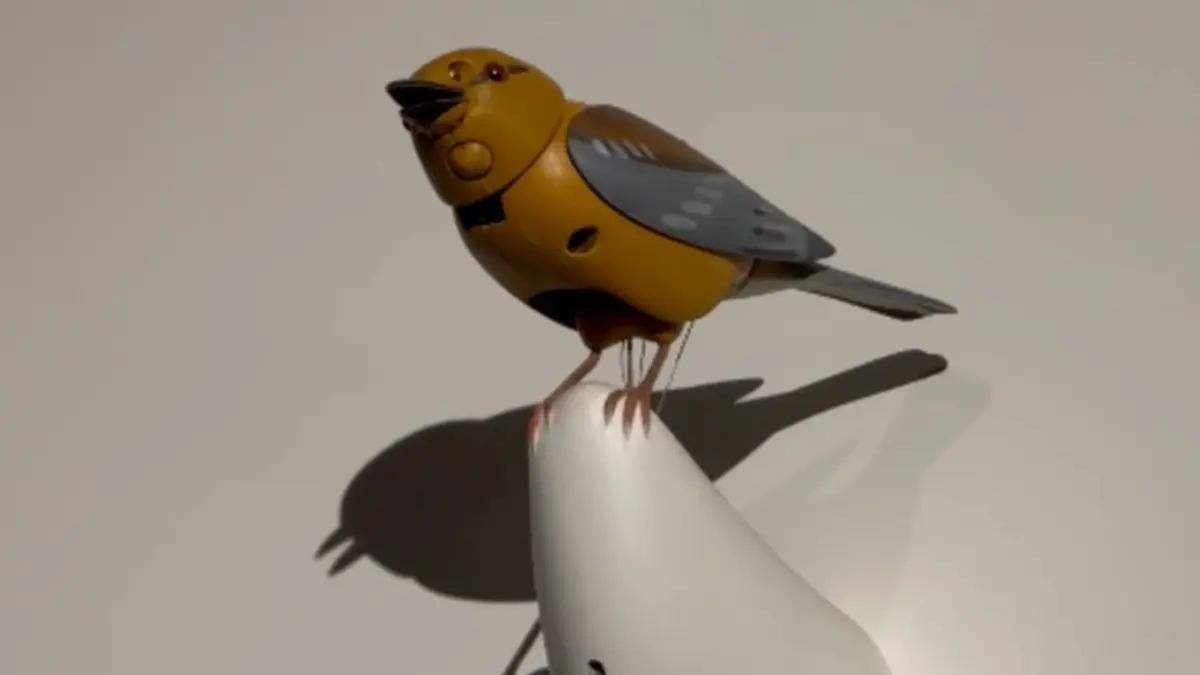
At the heart of the dispute is an exquisite, one-of-a-kind mechanical singing bird automaton named "Molly." When Clarkson visited the Brooklyn establishment, an interaction with a store employee left her feeling patronized, prompting a scathing public call-out on X (formerly Twitter) in which she likened the experience to the iconic luxury-snub scene from the 1990 film Pretty Woman. Within hours, millions of internet users weighed in, splitting sharply between staunch defenders of the multi-platinum recording artist and fiercely protective advocates of independent brick-and-mortar storefronts.
This comprehensive report examines the anatomy of the controversy, tracing its minute-by-minute escalation across digital platforms, analyzing the conflicting narratives provided by both parties, and exploring the broader sociological implications of celebrity-led digital consumer activism.
Detailed Chronology: How the Drama Unfolded
The Spark: October 10th, 2026
The controversy ignited on the evening of October 10th, 2026, when Kelly Clarkson took to X to voice her immense frustration following a visit to Art of Play’s Brooklyn location. Having ventured into the neighborhood with the intention of patronizing what she perceived to be a "rad" shop, Clarkson alleged that she was subjected to dismissive body language and condescending assumptions regarding her purchasing power.
Her initial post, which quickly amassed over 266,000 likes and 11,000 reposts within forty-eight hours, read:
"Just drove all the way to Brooklyn to check out this store I thought looked really rad and had a few things in mind to buy and literally was looked at as if I couldn’t afford it and was told he could find something comparable for me. Wow, dude. You’re an idiot and just lost a huge sale. But y’all should go check out Art of Play in Brooklyn if you enjoy being treated like Julia Roberts character in Pretty Woman. For sure, check it out 👈"
The invocation of Pretty Woman struck an immediate cultural chord. By framing the encounter through the lens of Hollywood classism—wherein a wealthy protagonist is turned away by judgmental boutique staff—Clarkson instantly galvanized her fanbase against the supposedly elitist clerk.
The First Defense: Art of Play Responds on October 11th
Recognizing the sudden influx of hostility directed at their storefront, Art of Play’s management issued a formal statement across their Facebook and Instagram channels on October 11th. The shop attempted to defuse the situation by clarifying the status of the disputed object while gently pointing out the disproportionate pressure exerted by a celebrity’s digital reach.
According to the store, "Molly" was not merely a piece of merchandise, but a permanently wall-mounted mechanical automaton that served as a de facto mascot for their live magic shows. They stated:
"Imagine our surprise when our small local business was suddenly attacked by 8 million people who have never visited our store. It’s been a surreal experience to be the focus of such widespread outrage after just one mention by a celebrity."
While maintaining a polite posture—even quoting one of Clarkson’s own famous tracks ("what doesn’t kill you makes you stronger")—the shop’s initial response insisted that the item in question was simply never for sale.
The Doubling Down: Clarkson’s Counter-Evidence
Art of Play’s assertion that Molly was not for sale proved to be a critical miscalculation. Later that same day, October 11th, Clarkson fired back on X with a blistering rebuttal, introducing photographic evidence that directly contradicted the store’s narrative.
Posting a close-up image of the display, Clarkson highlighted a physical price tag hanging adjacent to the automaton, reading "15,000 Singing Bird Automata by Bisa Kolb."
Accompanying the image, Clarkson wrote:
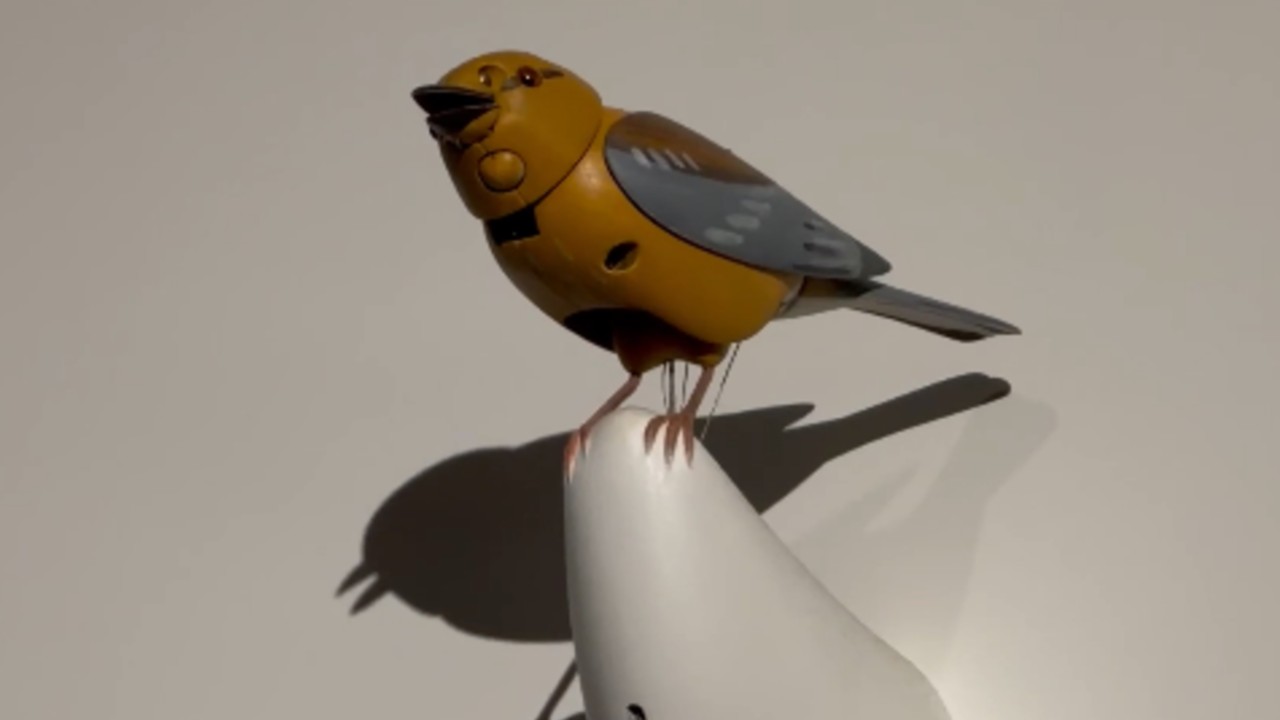
"Cool, cool. Sure, it wasn’t for sale. That’s the narrative Art of Play is gonna go with so the whole conversation we had when I asked you if it was for sale whilst pointing to the price tag hanging on the wall… didn’t happen as you elevator eyed me saying in a condescending tone ‘yes, it’s for sale but it costs 15,000 dollars so if you’d like me to find something comparable for you I can.’ That all never happened and now it’s not for sale. Okay, cool. So you’re not only rude, you’re also a liar."
Clarkson further defended her pro-small-business credentials, arguing that her status as a consumer at an independent shop did not exempt proprietors from basic standards of courtesy. This second salvo pushed engagement metrics even higher, clearing 150,000 likes in less than twenty-four hours.
The Nuanced Clarification: Art of Play’s Second Statement
On October 12th, Art of Play released a more detailed, conciliatory statement on Instagram attempting to bridge the gap between their inventory reality and Clarkson’s perception of the interaction.
The shop clarified the logistical nuance behind the $15,000 price tag: while the physical "Molly" bolted to their shop wall was indeed the store’s mascot and strictly off-market, the creator of the automatons—Seattle-based artist Bliss Kolb—had previously indicated he would be willing to part with a nearly identical twin automaton for $15,000. Furthermore, the employee had allegedly attempted to direct Clarkson toward an alternative, readily available German clockwork singing bird priced at approximately $2,000, which she could have walked out with immediately.
Art of Play concluded by noting that Clarkson had spent merely five minutes in the establishment before departing, and extended an olive branch in hopes of clearing the air privately.
Supporting Context & Metrics
To fully understand the velocity of the "Kelly Clarkson Singing Bird Drama," one must examine the intersection of digital infrastructure, public figures, and niche consumer spaces.
Public Sentiment Analysis
The public response was sharply bifurcated along two primary ideological lines:
- Pro-Clarkson Faction: Supporters argued that wealth and fame do not shield individuals from everyday microaggressions or condescending customer service. Many shared personal anecdotes of feeling judged in high-end specialty boutiques, curio shops, and art galleries. Industry colleagues, such as director Joseph Kahn, publicly vouched for Clarkson’s character, writing on X that she is "an 11 on the nice chart" and warning that pushing her to the point of a public call-out implies a severe lapse in judgment on the store’s part.
- Pro-Art of Play Faction: Conversely, a substantial contingent rallied around the independent retailer, warning of the dangers of asymmetric digital warfare. Critics of Clarkson argued that utilizing a platform with millions of followers to punish a local mom-and-pop shop over a perceived slight—particularly one complicated by high-end art pricing and custom inventory logistics—constituted an irresponsible abuse of celebrity influence.
Viral Amplification and Memetic Integration
Within 48 hours of the initial tweet, the discourse had transcended standard celebrity news, embedding itself deeply into internet meme culture.
- The Shrek Reaction: User @bmd7722 posted a classic Shrek reaction face with the caption "Oh someone’s getting fired today at that store," which secured over 125,000 likes.
- Absurdist Comparisons: Content creators leveraged absurdist humor to mock the sheer randomness of the feud. User @Yuncle1 posted a GIF of Jennifer Coolidge from The White Lotus with the caption, "Kelly Clarkson at Target when they tell her she can’t buy one of the big red balls outside."
- Archival Footage: Tech and business commentator Eugene Wei shared archival video footage of Molly the singing bird in action, noting the surreal nature of the collision between mainstream pop culture and niche Brooklyn curio subcultures.
Official Statements and Retrospective
The controversy highlights the persistent communication challenges inherent in modern retail environments. Specialty shops dealing in rare, bespoke, or museum-grade curiosities often navigate a delicate semantic dance between "exhibit pieces" and "inventory."
From Art of Play’s perspective, their staff attempted to guide an inquiring high-net-worth customer through complex commissioning options—distinguishing between the irreplaceable shop mascot, its Seattle-based creator’s available twin, and an alternative German clockwork piece. From Clarkson’s perspective, the delivery of this information was imbued with an unmistakable, class-based dismissal—an assumption that a pop star browsing a quirky toy store might lack the liquidity to acquire high-end art.
Neither party emerged from the cycle entirely unscathed, yet both experienced the compounding effects of modern viral attention: Art of Play received an unprecedented wave of global visibility (both supportive and critical), while Clarkson underscored her unwavering willingness to publicly challenge perceived elitism, regardless of the retail sector’s scale.
Future Outlook
As the dust settles on the Kelly Clarkson Singing Bird Drama of October 2026, the incident serves as a lasting case study for businesses and public figures alike.
For independent retailers, the episode underscores the absolute necessity of transparent communication, de-escalation training, and mindfulness regarding how pricing and inventory status are articulated to high-profile clientele. In an algorithmic marketplace, a five-minute in-store misunderstanding can instantly scale into an international public relations crisis.
For consumers and celebrities, the saga demonstrates the immense weight carried by digital megaphones. While Clarkson successfully highlighted what she perceived as poor service, the resulting storm of digital vitriol directed at a small-scale arts venue sparked essential conversations about proportional accountability. Whether Clarkson and Art of Play ultimately share a laugh over a cup of coffee—or a mechanical bird—remains to be seen, but the "Pretty Woman" automaton of Brooklyn has safely secured its place in internet folklore.