Executive Overview
Throughout the initial seasons of Avatar: The Last Airbender, the elemental system appeared bound by clear, practical laws. Firebenders could generate thermal energy from their own life force. Earth and air were virtually ubiquitous, providing constant resources for their respective practitioners. Waterbenders, however, faced a glaring limitation: they needed access to a tangible, external liquid source. Katara’s constant reliance on her signature water skin underscored this vulnerability, painting waterbending as a discipline tethered strictly to environment. A waterbender stranded in the desert was effectively neutralized.
That perceived limitation vanished on November 9, 2007, when Nickelodeon aired the Book 3 (Fire) episode, “The Puppetmaster.” Introducing the dark sub-discipline of bloodbending—the telekinetic manipulation of the water coursing through living organisms—the episode permanently shifted the boundaries of the series. By revealing that the most life-sustaining element could be weaponized internally, the narrative took a sharp, psychological detour into horror.
Beyond its immediate impact on the narrative arc of Team Avatar, “The Puppetmaster” laid the direct groundwork for the systemic corruption explored decades later in The Legend of Korra. The mechanics and philosophies introduced by the tortured Southern Water Tribe elder Hama birthed an era of psychological warfare, culminating in powerful syndicates and revolutionaries who weaponized bloodbending without the restrictions of the full moon. This retrospective analysis examines how a single bottle episode subverted the core tenets of the franchise, transformed its heroic characters, and established a dark legacy that echoed across generations.
Detailed Chronology: From Horror Trope to Generational Trauma
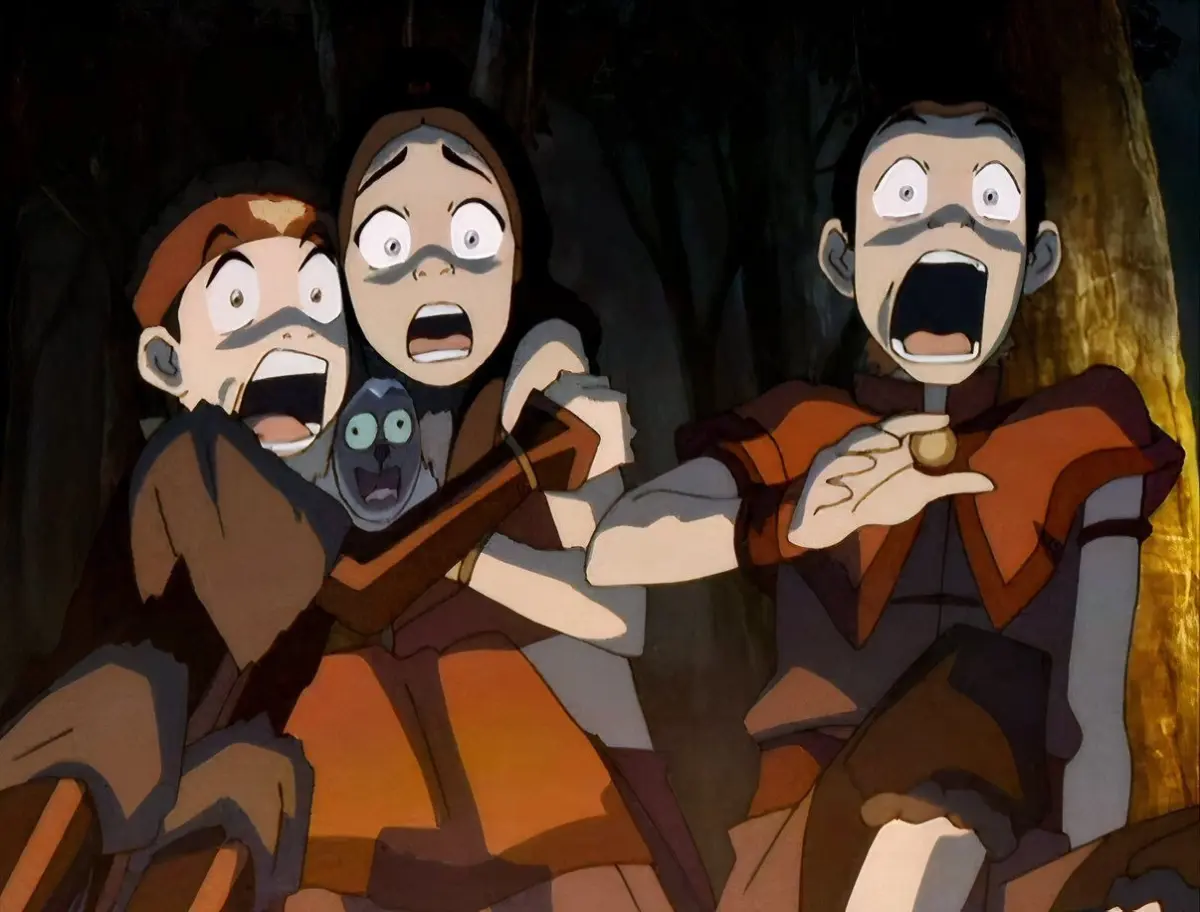
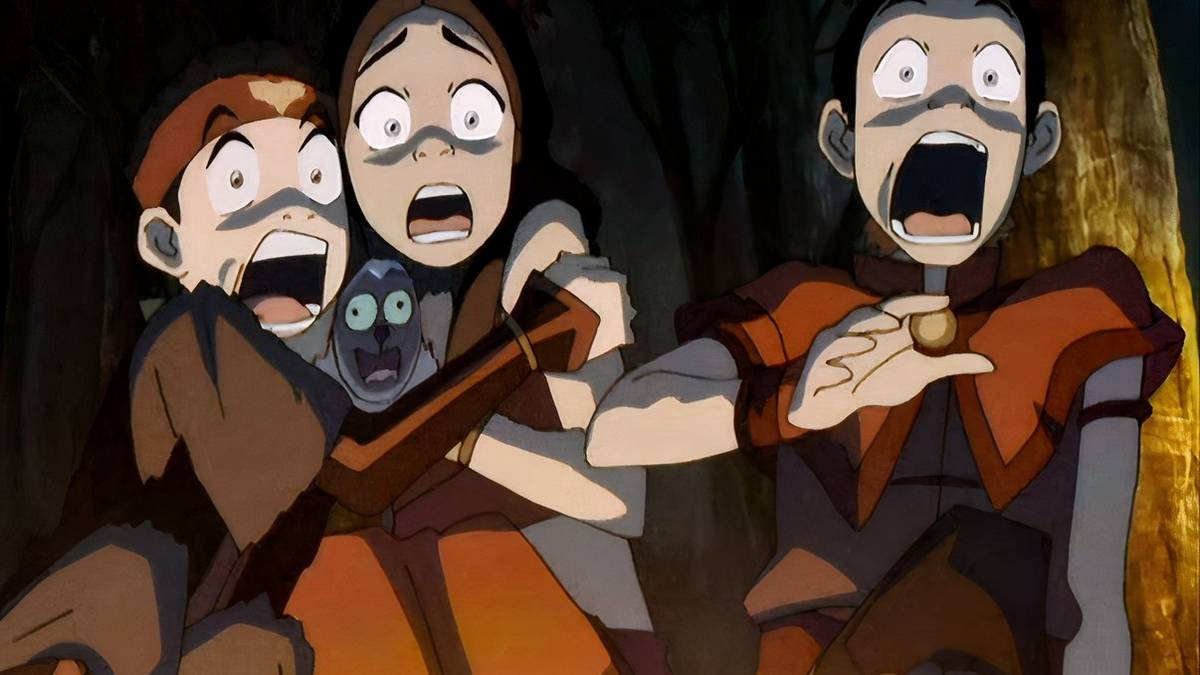
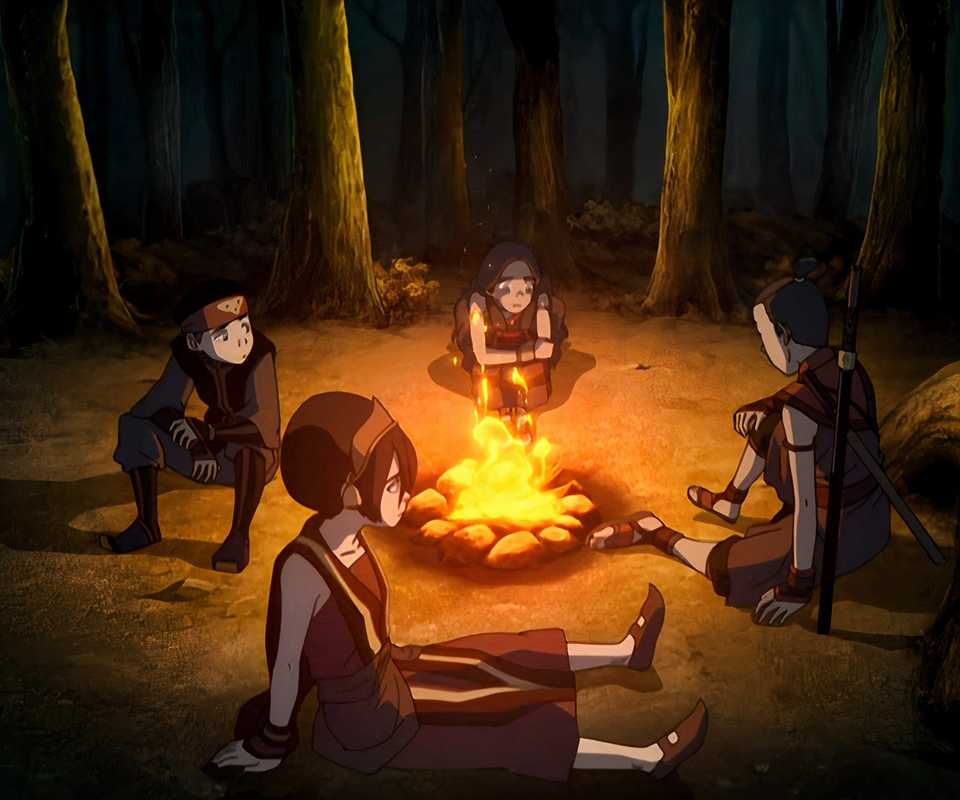
To understand the profound weight of “The Puppetmaster,” one must examine how the narrative slowly lowers its guard before descending into psychological horror. The episode initiates with a classic campfire storytelling trope somewhere within the militaristic borders of the Fire Nation. The atmospheric tension is palpable as Team Avatar shares ghost stories, immediately establishing an eerie, isolated tone that contrasts sharply with the show’s typically adventurous spirit.
The introduction of Hama, a seemingly benign elderly innkeeper who offers the weary travelers shelter, serves as the catalyst for a small-town mystery. Toph Beifong steps into the role of an intuitive detective, while Aang and Sokka navigate the spooky local rumors concerning citizens vanishing during the full moon. The twist that Hama is actually a survivor of the Southern Water Tribe—and a fellow waterbender—instantly bridges an emotional gap for Katara, who has spent her entire life yearning for a mentor from her homeland.
[Timeline of Key Narrative Milestones]
--------------------------------------------------------------
* Nov 9, 2007     : "The Puppetmaster" premieres, introducing bloodbending.
* Late Book 2 (ATAL): Toph discovers metalbending, proving element boundaries are porous.
* *The Legend of Korra* Book 1: Yakone subverts Aang, Toph, and Sokka using psychic bloodbending.
* *The Legend of Korra* Book 1 Endgame: Noatak (Amon) utilizes bloodbending to sever energy pathways.
However, Hama’s mentorship quickly strips away the innocent versatility of waterbending. Demonstrating how to extract moisture from the atmosphere and draw water directly from surrounding flora—killing a cluster of fire lilies in the process—she introduces a terrifying utilitarianism. Moisture is everywhere, but harvesting it requires destruction.

This revelation builds upon an existing thematic framework within the franchise regarding the elasticity of elemental boundaries. In Book 2, Toph revolutionized earthbending by isolating microscopic impurities of unrefined earth within metal, thereby inventing metalbending. Similarly, specialized firebenders had mastered lightning generation. Yet, while metalbending expanded a bender’s physical domain, Hama’s discovery breached the ultimate boundary: bodily autonomy.
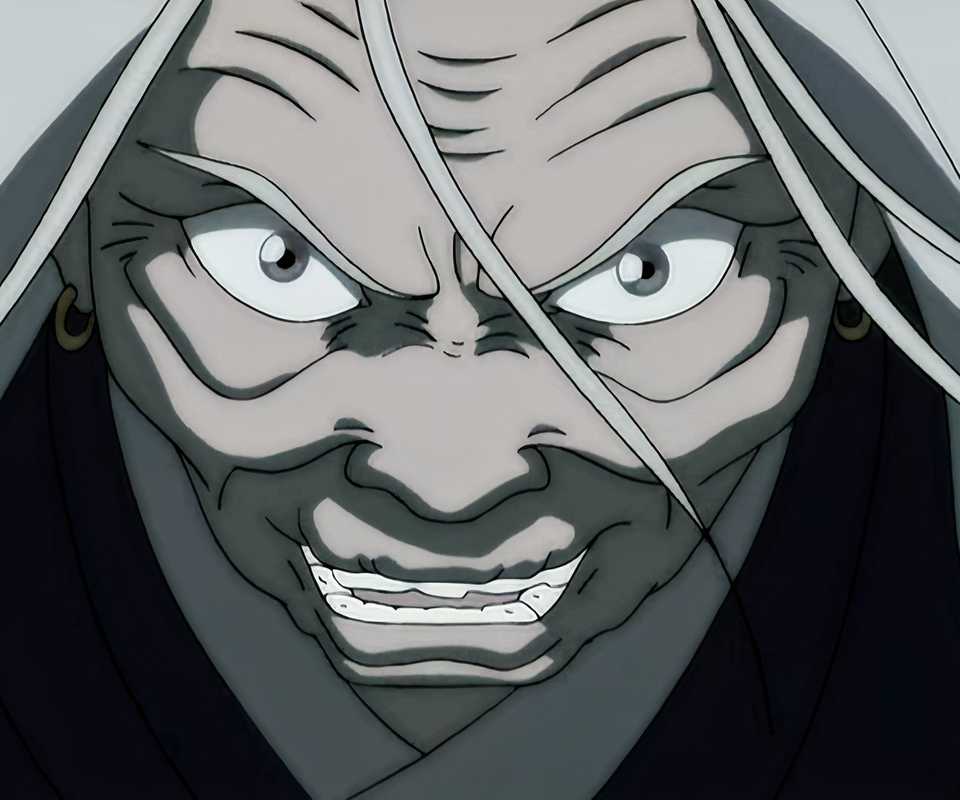
On the night of the full moon, Hama’s tragic and twisted backstory unfolds. Imprisoned for decades by the Fire Nation in an environment devoid of water, she discovered that she could control the fluid dynamics within living rats, eventually using the technique to escape her captors. Consumed by a generational cycle of trauma and a desire for absolute vengeance, she began abducting innocent Fire Nation villagers.
When Hama attempts to force Katara—through sheer puppet-like domination—into murdering an innocent local, Katara is pushed to her absolute limit. To save Aang and Sokka from execution, Katara utilizes bloodbending for the first time, overpowering Hama under the amplified influence of the full moon. The episode concludes not with a triumphant victory, but with a profoundly unsettling emotional collapse: Hama cackles maniacally, celebrating that her dark legacy has been successfully passed down, while Katara breaks down in tears of deep remorse.
Supporting Context & Metrics: The Evolution of Elemental Mechanics
The mechanics of bending in the Avatar universe are deeply tied to astronomical and cosmic phenomena, establishing a sliding scale of power that dictates societal conflicts.
| Cosmic Event / Factor | Affected Element | Primary Manifestation / Consequence |
|---|---|---|
| Sozin’s Comet | Firebending | Multiplies thermal output exponentially; enabled the initial Air Nomad genocide. |
| Lunar Cycle (Standard) | Waterbending | Enhances fluidity, strength, and defensive capabilities during nighttime hours. |
| Full Moon | Waterbending | Peaks lunar energy; acts as the essential catalyst for standard bloodbending. |
| Psychic Bloodbending | Waterbending | Advanced genetic trait allowing internal manipulation without physical gestures or lunar alignment. |
As seen in the metrics above, cosmic alignment has historically determined the upper limits of benders. However, the genetic and psychological evolution of bloodbending pushed these boundaries past natural constraints.
While Hama required the explicit illumination of a full moon and precise hand gestures to control her victims, her successors—most notably the crime lord Yakone and his sons, Noatak and Tarrlok—eradicated these limitations entirely. Through rigorous, abusive childhood conditioning, Yakone refined his techniques until his sons could execute "psychic bloodbending." This evolution transformed a rare, moonlight-dependent aberration into an invisible, untraceable weapon capable of incapacitating entire courtrooms or stripping away a bender’s connection to their element permanently.

Official Statements & Creative Perspectives
Behind the scenes, the creative team behind Avatar: The Last Airbender and its sequel series, The Legend of Korra, deliberately used bloodbending to challenge the moral binaries typical of children’s television.
Co-creators Michael Dante DiMartino and Bryan Konietzko frequently noted in interviews that as their primary audience aged alongside the characters, the narrative needed to mature correspondingly. Introducing elements of psychological horror allowed the writers to explore themes of systemic abuse, cyclical violence, and the burden of power.
In retrospective commentary regarding Book 1 of The Legend of Korra, the showrunners emphasized that Amon’s ability to strip bending was designed to evoke a profound sense of existential dread. Unlike physical wounds, which could be treated by traditional healers like Katara, the psychic severance of a bender’s spiritual and physical energy paths represented a complete erasure of identity. By tying this ultimate weapon directly back to the dark arts introduced by Hama in “The Puppetmaster,” the writers created a seamless narrative bridge demonstrating how unaddressed trauma and unchecked power ripple across generations.
Future Outlook: The Enduring Legacy of Psychological Bending in the Franchise
As the Avatar universe continues to expand into new eras, multimedia projects, and forthcoming animated feature films focusing on older iterations of the Gaang and subsequent Avatars, the legacy of “The Puppetmaster” remains a foundational text for dramatic tension.
The episode permanently altered the ethical landscape of waterbending. Before 2007, water was universally associated with healing, community, adaptability, and life. Hama and Katara’s forced descent into bloodbending shattered that innocence, proving that the most life-giving element could be weaponized to achieve total domination.
For modern audiences and analysts, the true terror of bloodbending does not lie simply in the physical contortion of limbs or the eerie snapping of joints. It lies in the moral contamination of its practitioners. When heroes traditionally level up, viewers cheer for the triumph of skill and dedication. But when Katara unlocked the secrets of bloodbending, the victory tasted like ash. Nineteen years later, her tears of horror resonate more deeply than any triumphant battle cry, reminding fans that the deadliest weapon in the Four Nations is not fire, earth, air, or water—it is the capacity for human cruelty when pushed to the absolute edge.