Executive Overview
Few television series manage to define a generation while simultaneously transcending the boundaries of their genre. Buffy the Vampire Slayer, created by Joss Whedon and starring Sarah Michelle Gellar as the iconic titular heroine, achieved this rare feat across its legendary seven-season run. Yet, looking back over a quarter of a century since its monumental fifth-season finale, "The Gift," one specific narrative milestone continues to anchor the show’s cultural and emotional legacy.
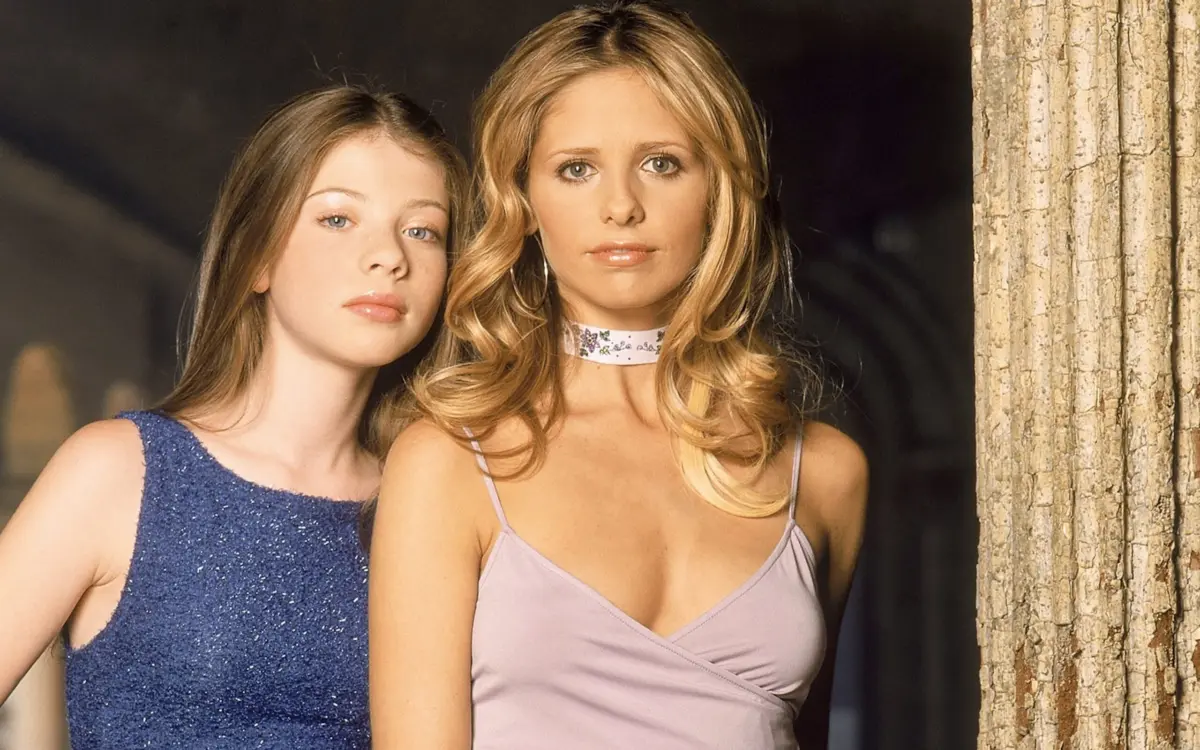
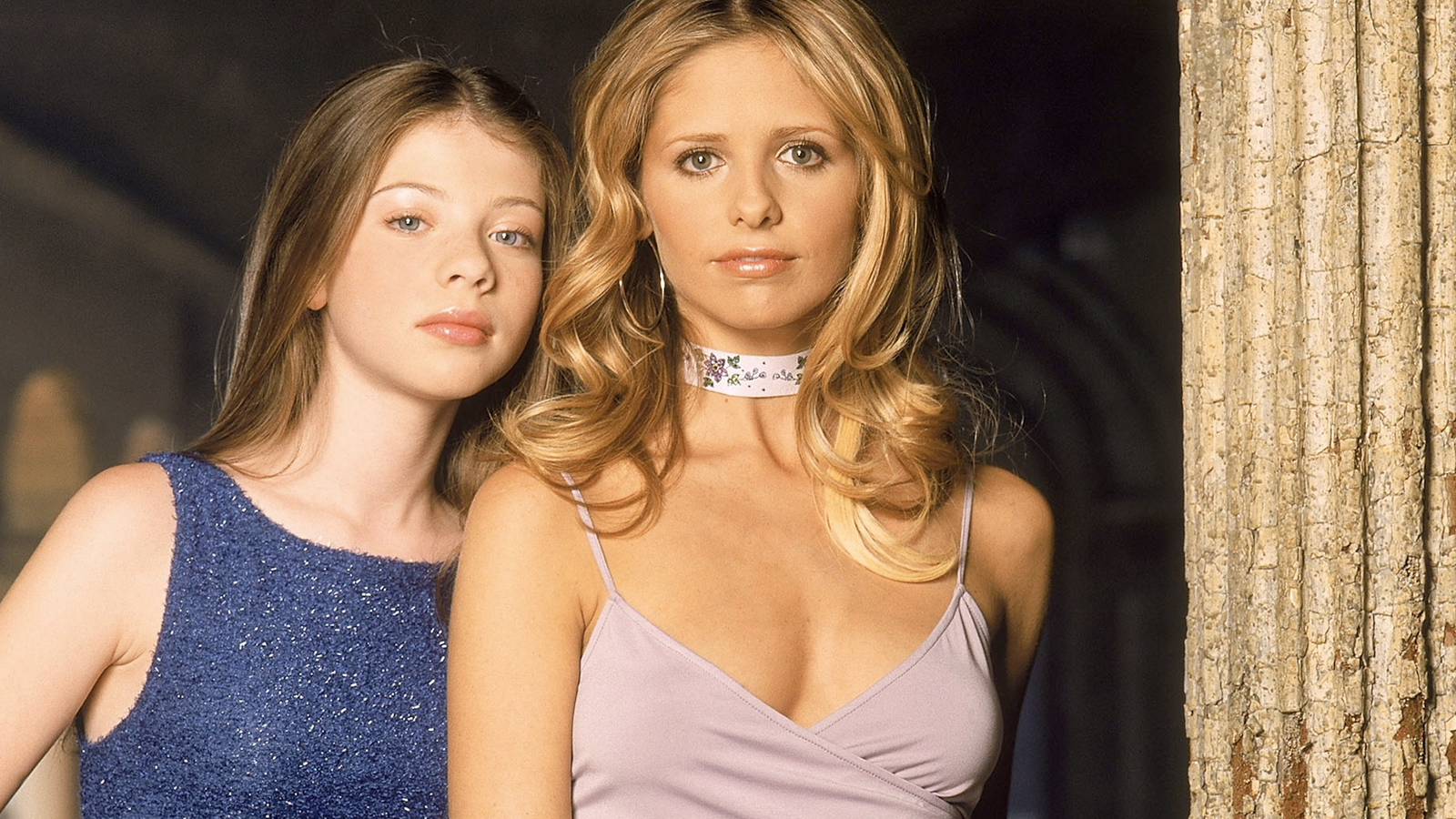
First broadcast during a time of immense network transition—serving as the final season for the series on The WB before its move to UPN—"The Gift" was crafted not just as a season closer, but as a definitive series finale. At its core lies a line of dialogue delivered by Buffy Summers to her younger sister, Dawn (Michelle Trachtenberg), just moments before making the ultimate sacrifice: "The hardest thing in this world is to live in it. Be brave. Live. For me."
This review and retrospective examines how those twenty-two words encapsulated the thematic evolution of a groundbreaking supernatural drama, shifted the paradigm of female-led action television, and provided an enduring mantra for fans grappling with the burdens of survival, grief, and resilience.
Detailed Chronology: The Anatomy of a Masterpiece
To fully appreciate the weight of Buffy’s final instruction in Season 5, one must examine the meticulous narrative architecture that led up to it. From its inception, Buffy the Vampire Slayer used its supernatural monsters as metaphors for the very real, often terrifying trials of adolescence and young adulthood. However, as the series progressed, the stakes shifted profoundly from high school corridors to existential philosophy.
The Introduction of Dawn and the Shift in Stakes
Season 5 introduced one of the most audacious twists in television history: the sudden appearance of Dawn, Buffy’s younger sister. For the first four seasons, Buffy was firmly established as an only child. Yet, the show plunged viewers and characters alike into a reality where Dawn had seemingly always existed.
Rather than a simple plot hole or a cheap narrative gimmick, this twist was unraveled over the course of the season: Dawn was not human at all, but "The Key"—a mystical bundle of ancient energy woven into human form by monks to hide it from the hell-god Glory (Clare Kramer). To protect the Key, the monks implanted false memories into Buffy, her friends, and the entire town of Sunnydale.
This creative choice fundamentally altered the show’s dynamics. As series creator Joss Whedon noted in retrospectives, introducing Dawn gave Buffy an intense, non-romantic dynamic that forced her into a maternal, protective caregiver role. Gone were the days of a scrappy teenager navigating high school romance with Angel or Riley. Buffy was stripped of her foundational safety nets—including the tragic death of her mother, Joyce, earlier in the season—accelerating her transition into profound adulthood.
"Death is Your Gift": The Burden of the Slayer
The thematic culmination of Season 5 draws heavily from an earlier episode, "Intervention," wherein Buffy undertakes a mystical vision quest to meet the First Slayer. The primordial entity delivers a chilling pronouncement: "Death is your gift."
This line strikes at Buffy’s deepest insecurity—the lingering fear that she is not truly human, but merely a biological weapon designed to slaughter vampires and demons, destined for an early, violent grave. Throughout the series, Buffy’s relationship with death fluctuates between wanting to escape it and accepting it as an inevitable occupational hazard.
In the Season 1 finale, "Prophecy Girl," a terrified teenage Buffy wept at the prospect of dying against the Master, desperately railing against her destiny. By contrast, when faced with the collapse of Sunnydale in "The Gift"—triggered by Glory’s activation of the portal using Dawn’s mystical blood—Buffy’s perspective has radically matured. She recognizes that true heroism is not about wielding immense power, but about the willingness to surrender it for those you love.
When Dawn attempts to leap into the swirling, reality-destroying portal to save the world, Buffy stops her. Sharing the same mystical blood as the Key, Buffy realizes she can close the portal by sacrificing herself instead. In her final moments, she imparts the philosophy that defines her entire journey:
"The hardest thing in this world is to live in it. Be brave. Live. For me."
Buffy dives into the abyss, closing the portal, saving her sister, and seemingly ending her watch. The episode concludes with an indelible, heartbreaking image: Buffy’s lifeless body resting upon a pile of rubble, followed by a shot of her tombstone reading: "Buffy Anne Summers. Beloved sister. Devoted friend. She saved the world a lot."
Supporting Context & Metrics: The Cultural Impact of "The Gift"
The resonance of "The Gift" is bolstered by its unique production context and the seismic industry shifts surrounding it at the turn of the millennium.

- The Network Transition: At the time of its production, the creative team operated under the genuine belief that Season 5 might be the end of the road. Negotiations with The WB had stalled, and a move to UPN was unconfirmed during much of the filming. This uncertainty drove Whedon and the writing staff to construct "The Gift" as an absolute conclusion, consciously echoing and subverting motifs from the show’s pilot and early seasons.
- Critical Reception: Upon its airing on May 22, 2001, "The Gift" was met with widespread critical acclaim. Reviewers lauded its emotional maturity, the subversion of traditional action-hero tropes, and Sarah Michelle Gellar’s career-defining performance. It remains frequently cited by critics and television scholars as one of the finest single episodes in the history of fantasy television.
- Long-Term Fandom Resonance: Decades later, the line "The hardest thing in this world is to live in it" has transcended the fandom. It is frequently tattooed, quoted in academic literature regarding trauma and resilience, and utilized by viewers navigating their own mental health struggles and personal grief.
Official Statements and Retrospective Insights
Reflecting on the legacy of Buffy the Vampire Slayer and the emotional weight of Season 5, cast and crew members have frequently spoken about the unique bond forged by the series.
In various interviews over the years, Sarah Michelle Gellar has reflected on the physical and emotional toll of playing the Slayer, noting that Buffy’s heroism was always rooted in her vulnerability rather than her invulnerability. Gellar’s portrayal grounded the fantastical elements of the show in authentic teenage and young adult angst, making the philosophical declarations in "The Gift" land with genuine emotional gravity.
Joss Whedon has similarly discussed the intentionality behind ending Season 5 with self-sacrifice rather than triumphant domination. In commentary tracks and essays surrounding the series, the creator emphasized that Buffy’s ultimate power was her humanity—her capacity to love fiercely in a universe designed to break her down. By choosing to die so that her sister could live, Buffy rejected the isolation of being a "chosen one" and embraced the ultimate expression of familial love.
Future Outlook: The Enduring Relevance of Buffy Summers
As television continues to evolve in the era of streaming prestige dramas and complex antiheroes, the archetype established by Buffy the Vampire Slayer remains foundational. Modern fantasy and sci-fi series—from The Last of Us to Stranger Things—frequently borrow the blueprint laid down by Whedon and his writers: blending high-stakes genre storytelling with intimate, character-driven explorations of trauma, family, and coming-of-age.
Yet, very few shows have managed to replicate the precise emotional alchemy of Buffy’s Season 5 climax. The phrase "The hardest thing in this world is to live in it" retains its sharp, healing edge precisely because it speaks to a universal human truth. Monsters, demons, and portals to hell are merely allegories for the daily friction of existence.
Twenty-five years later, Buffy Summers continues to teach audiences that survival itself is an act of profound bravery. Whether facing supernatural forces or the quiet, mundane agonies of modern life, the Slayer’s final lesson endures: to keep moving forward, to endure, and to live—not just for oneself, but for those we carry in our hearts.