Executive Overview
Ubisoft’s Assassin’s Creed franchise has remained a cornerstone of the modern video game industry for nearly two decades. Since its debut in 2007, the historical stealth-action series has evolved from a niche parkour experiment into an expansive open-world behemoth spanning multiple eras and continents. However, the path forward for Ubisoft’s crown jewel is currently facing both exciting expansion and notable internal friction.
Recent insider reports emerging from prominent industry sleuths and verified journalistic channels have painted a complex portrait of the franchise’s trajectory through the remainder of the decade. While details concerning newly leaked titles—such as a return to Ancient Rome and a mobile-focused spin-off—have invigorated fan speculation, darker clouds linger over major upcoming tentpoles. Most notably, the highly anticipated Assassin’s Creed Hexe has reportedly suffered internal delays, pushing its expected launch window back to 2028 due to a combination of development hurdles and high-profile creative departures within Ubisoft.
This report synthesizes the latest leaks, insider timelines, and overarching strategic shifts at Ubisoft, providing a comprehensive deep dive into what the future holds for the Brotherhood.
Detailed Chronology of the Latest Leaks and Reports
The landscape of Assassin’s Creed news shifted dramatically over a pivotal 48-hour window in November 2026, setting off a chain reaction of leaks, confirmations, and strategic evaluations.
November 6: The j0nathan Revelation
The cycle began when well-known and historically reliable Ubisoft insider j0nathan published a detailed YouTube exposé shedding light on previously unannounced projects within Ubisoft’s production pipeline. According to j0nathan’s sources, two distinct titles were in early-to-mid development phases:
-
**Project
"Mars":* A mainline, traditional Assassin’s Creed installment set in Ancient Rome. Notably, this era aligns chronologically with Netflix’s upcoming live-action Assassin’s Creed* television adaptation, pointing toward a coordinated multi-media push by Ubisoft and its entertainment partners.
- Project "Assassin’s Creed Pocket": A mobile-first title designed to capture a wider handheld audience. Inspired by the tactical, skill-based Mastery Challenges seen in Assassin’s Creed Valhalla, this entry is reportedly set against the historic backdrop of Jerusalem.
November 7: Insider Gaming’s Corroboration and Hexe Delay
The day following j0nathan’s broadcast, industry publication Insider Gaming stepped forward to verify aspects of the leak while adding critical, sobering context to the franchise’s overarching roadmap.
While Insider Gaming could not independently verify the specifics of "Mars" and "Pocket" prior to the initial report, its own sources confirmed that projects carrying similar codenames existed within Ubisoft’s internal ecosystem. More importantly, the publication dropped a bombshell regarding the dark horse of Ubisoft’s current slate: Assassin’s Creed Hexe.
Originally anticipated by analysts and fans to hit store shelves in 2027, Hexe has reportedly been pushed back internally to a 2028 release window.

Supporting Context & Metrics: Unpacking Assassin’s Creed Hexe and Development Woes
To understand why Assassin’s Creed Hexe has experienced friction, one must examine its unique genesis and the organizational shifts currently shaking Ubisoft.
What is Assassin’s Creed Hexe?
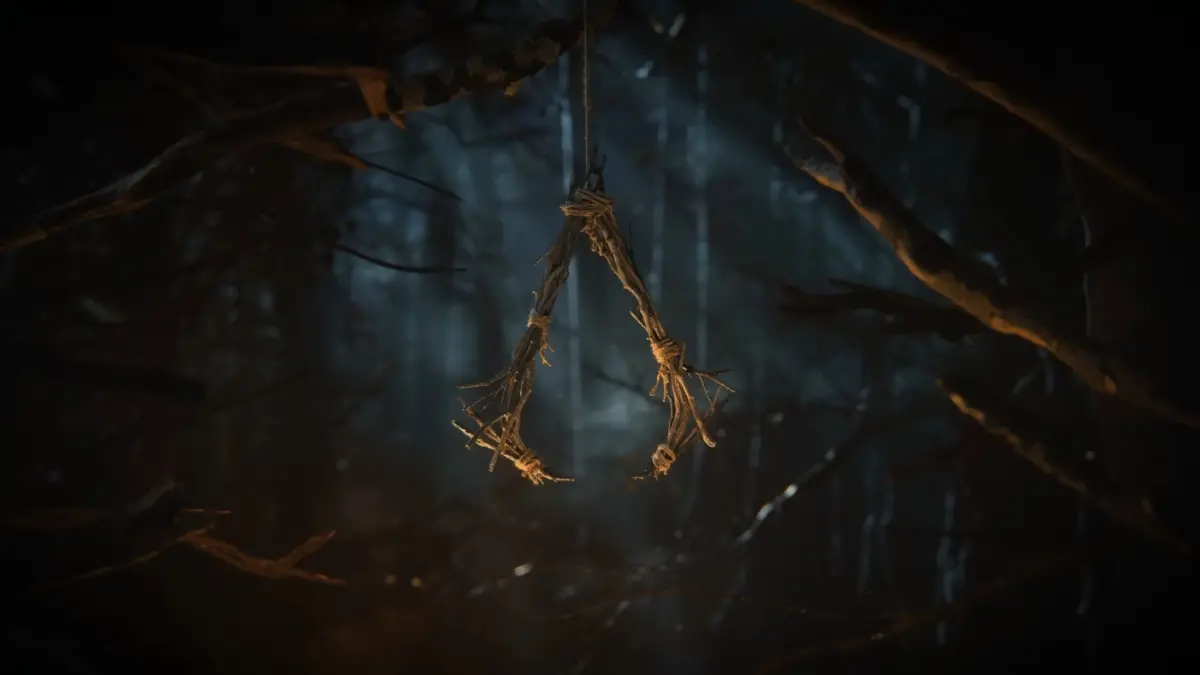
First teased during the digital Ubisoft Forward showcase in September 2022 alongside projects like Assassin’s Creed Shadows, Hexe was immediately positioned as a departure from the traditional historical-fiction formula. Set during the 16th or 17th century within the Holy Roman Empire, the game is heavily rumored to lean into themes of dark folklore, mysticism, and the European witch trials.
Ubisoft has continuously billed Hexe as a more linear, atmospheric, and terrifying experience compared to its sprawling RPG predecessors like Odyssey and Valhalla. However, despite being four years removed from its initial cinematic teaser, the public has yet to see a single second of actual gameplay footage.
The Anatomy of a Delay
According to Insider Gaming, the delay to 2028 is not merely a matter of polish; it is the byproduct of structural turmoil. Development on Hexe has reportedly been marred by significant internal friction, most notably characterized by the departure of several high-level directors and veteran developers mid-production.
In an industry where creative leadership transitions often trigger re-evaluations of narrative direction, mechanics, and art design, these exits inevitably force studios into prolonged periods of restructuring. For Ubisoft—a company that has faced widespread restructuring, labor pressures, and financial recalibrations over the past few years—losing key talent on a premier, risk-taking project like Hexe proves particularly costly.
Official Statements and Industry Reactions
Ubisoft has historically maintained a guarded approach to pre-release leaks, preferring to orchestrate controlled marketing rollouts through dedicated digital showcases. While corporate leadership has not directly addressed the granular details of the "Mars" and "Pocket" codenames, the company has previously acknowledged that its multi-year strategy relies heavily on diversifying the Assassin’s Creed brand.
During past financial briefings, executives emphasized the concept of the Assassin’s Creed Infinity hub—a launcher and narrative connective tissue designed to house multiple distinct experiences ranging from massive historical RPGs to bite-sized standalone adventures. Projects like Hexe and the rumored mobile entry Pocket fit neatly into this diversification strategy, attempting to capture different market segments concurrently.
Fan reception to the leaks has been mixed. On one hand, the prospect of returning to Ancient Rome ("Mars") has delighted purists who miss the classical Mediterranean atmosphere of Assassin’s Creed Brotherhood and Origins. On the other hand, the continuous delays surrounding Hexe have exacerbated fan fatigue, leaving many to wonder if Ubisoft has spread its development studios too thin across too many simultaneous projects.
Future Outlook: The Next Decade of the Brotherhood
Looking past the immediate horizon, the leaked timelines suggest a drastically reshaped release calendar for the latter half of the 2020s and early 2030s.
- The Immediate Pipeline: With Hexe shifting to 2028, the immediate future of the franchise rests on current mainstays, active live-service updates, and nostalgic re-releases. Fans currently find solace in titles like Assassin’s Creed Black Flag Resynced, which bridge the gaps between major generation-defining releases.
- The Mid-Term Landscape (2028): If internal projections hold true, Assassin’s Creed Hexe will finally debut in 2028, introducing a darker, more macabre tone to the franchise that fans have craved for years.
- The Long-Term Horizon (2029–2030+): Projects residing deeper in the incubation phase, such as the Ancient Rome-set "Mars," are unlikely to see the light of day—or even a formal marketing reveal—until the very end of the decade (2029 or 2030 at the earliest).
Ultimately, Ubisoft is playing a high-stakes chess game with its most valuable intellectual property. By attempting to satisfy every sub-fandom—from mobile gamers and historical purists to dark-fantasy enthusiasts—the publisher risks stretching its development pipelines to their absolute breaking point. Whether these delayed projects can emerge from development hell to recapture the magic of the series’ golden age remains the ultimate question for the years to come.