Executive Overview
For sixty years, Star Trek has defined the outer limits of science fiction television, charting a course through strange new worlds, profound moral dilemmas, temporal paradoxes, and epic space battles that have shaped global pop culture. Now, Wizards of the Coast is bringing that rich legacy to the tabletop through an unprecedented crossover event. The latest Magic: The Gathering Universes Beyond set honors the diamond anniversary of the iconic franchise, pairing the deep strategic mechanics of the world’s premier trading card game with the legendary narratives that captivated generations of fans.
As prerelease events sweep across local game stores ahead of its global launch on November 13, collectors and competitive players alike are turning their attention to one of the set’s most creative mechanical inclusions: 14 Saga enchantments. Drawing directly from thirteen television episodes and one cinematic masterwork spanning the franchise’s storied history, these Sagas translate the emotional weight, narrative arcs, and high-stakes drama of Star Trek into sequential, turn-based gameplay.
From Captain James T. Kirk’s timeless clash against Khan Noonien Singh to Captain Jean-Luc Picard’s harrowing assimilation by the Borg collective, these cards do more than bolster a player’s deck—they serve as a curated watchlist for both veteran Trekkies and newcomers eager to experience the finest storytelling the Final Frontier has to offer.
Detailed Chronology: The 14 Sagas of the Star Trek Crossover
Within Magic: The Gathering, Saga enchantments tell stories across a series of chapters, with distinct narrative and mechanical effects triggering at the start of each turn. Historically reserved for foundational mythologies within the game’s native lore, Sagas have increasingly been utilized in Universes Beyond expansions to encapsulate monumental arcs from franchises like Marvel Comics and Avatar: The Last Airbender.
For Star Trek, the Saga card type represents an inspired design choice. The episodic nature of the franchise—where routine exploratory missions frequently derail into existential crises—mirrors the multi-turn unfolding of a Saga card. Below is an exhaustive breakdown of the 14 iconic adventures immortalized in this landmark set, tracing the timeline of the final frontier from The Original Series to The Next Generation.
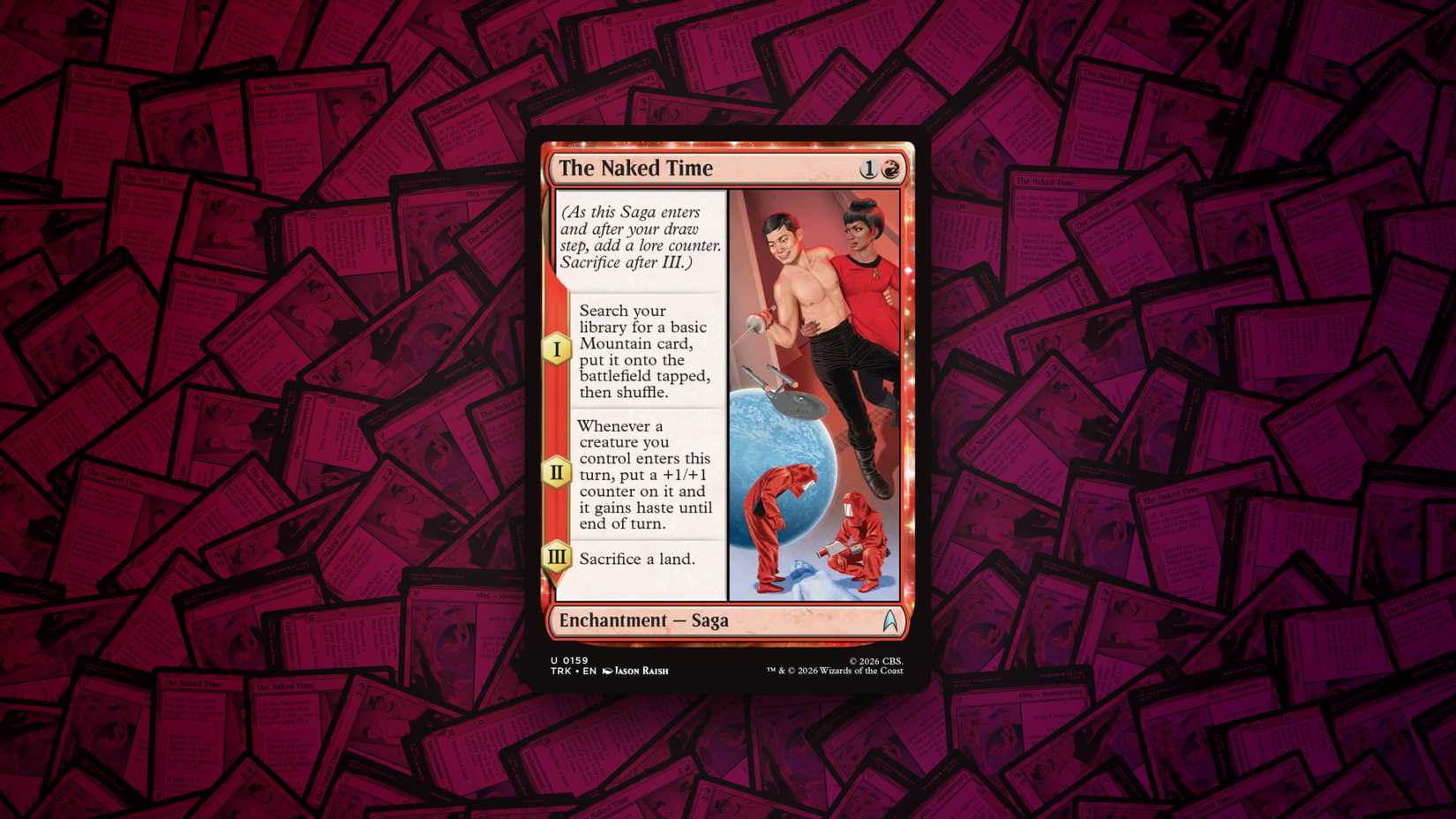
1. "The Naked Time" (Star Trek: The Original Series, 1966)
Opening the chronology is an infamous early outing from The Original Series. When an enigmatic, intoxicating infection sweeps through the corridors of the USS Enterprise, the crew rapidly loses their inhibitions, exposing the raw, unchecked psyches beneath their Starfleet professionalism. Lieutenant Hikaru Sulu (George Takei) transforms into a flamboyant, sword-wielding swashbuckler tearing through the ship’s empty halls, while Science Officer Spock (Leonard Nimoy) experiences a rare, devastating crack in his Vulcan emotional containment. This episode serves as an early, humanizing reminder that even the most disciplined officers are vulnerable to their own hidden desires.

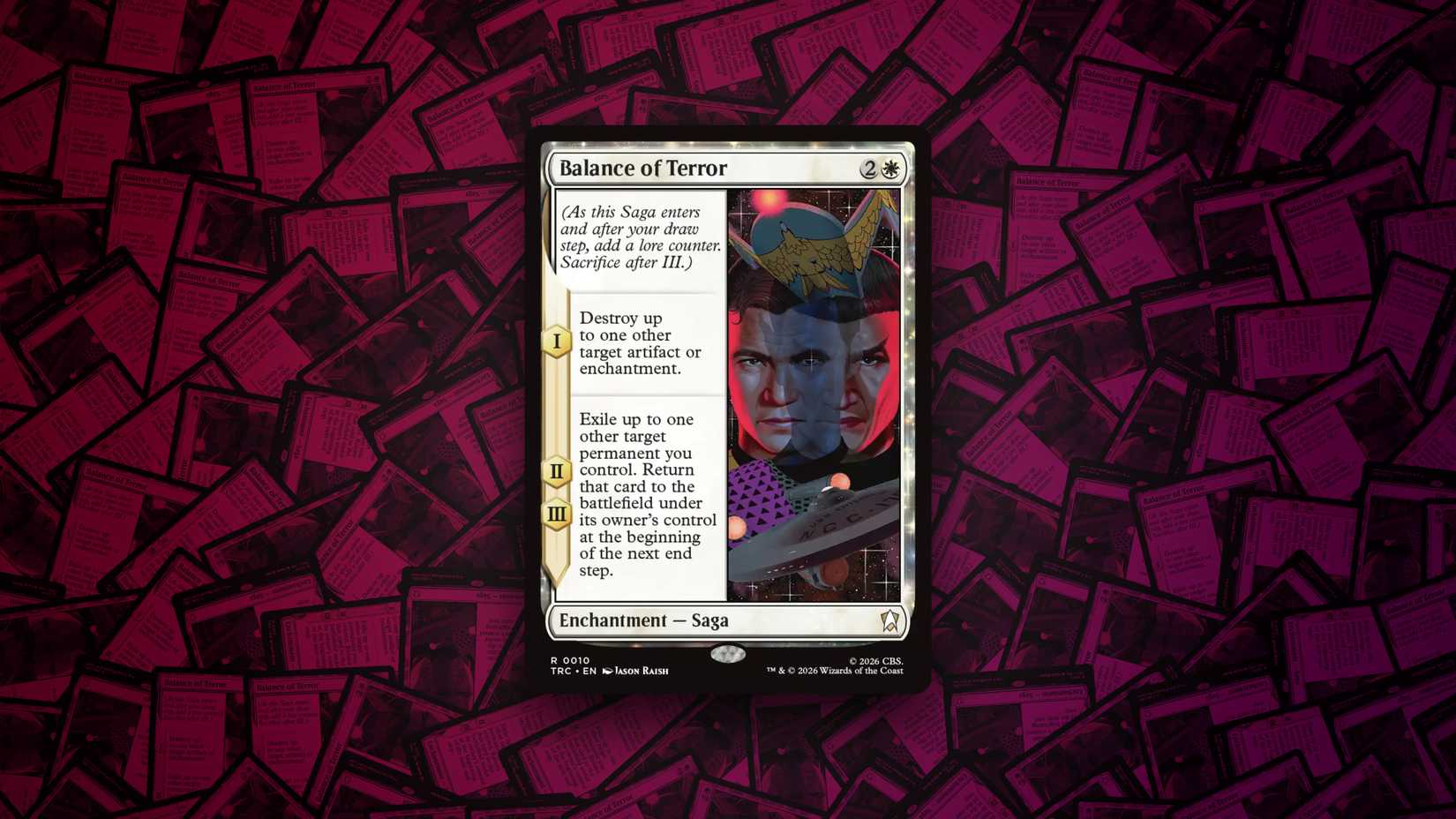
2. "Balance of Terror" (Star Trek: The Original Series, 1966)
Often heralded as television’s first great submarine-under-the-ice thriller, "Balance of Terror" pits Captain James T. Kirk (William Shatner) against a cloaked Romulan warbird commanded by a brilliant, honorable adversary (Mark Lenard). Heavily inspired by classic naval warfare cinema, the episode explores themes of deep-seated prejudice, strict military duty, and the unexpected mutual respect that can blossom between opposing commanders locked in a deadly game of cat-and-mouse across the vacuum of space.
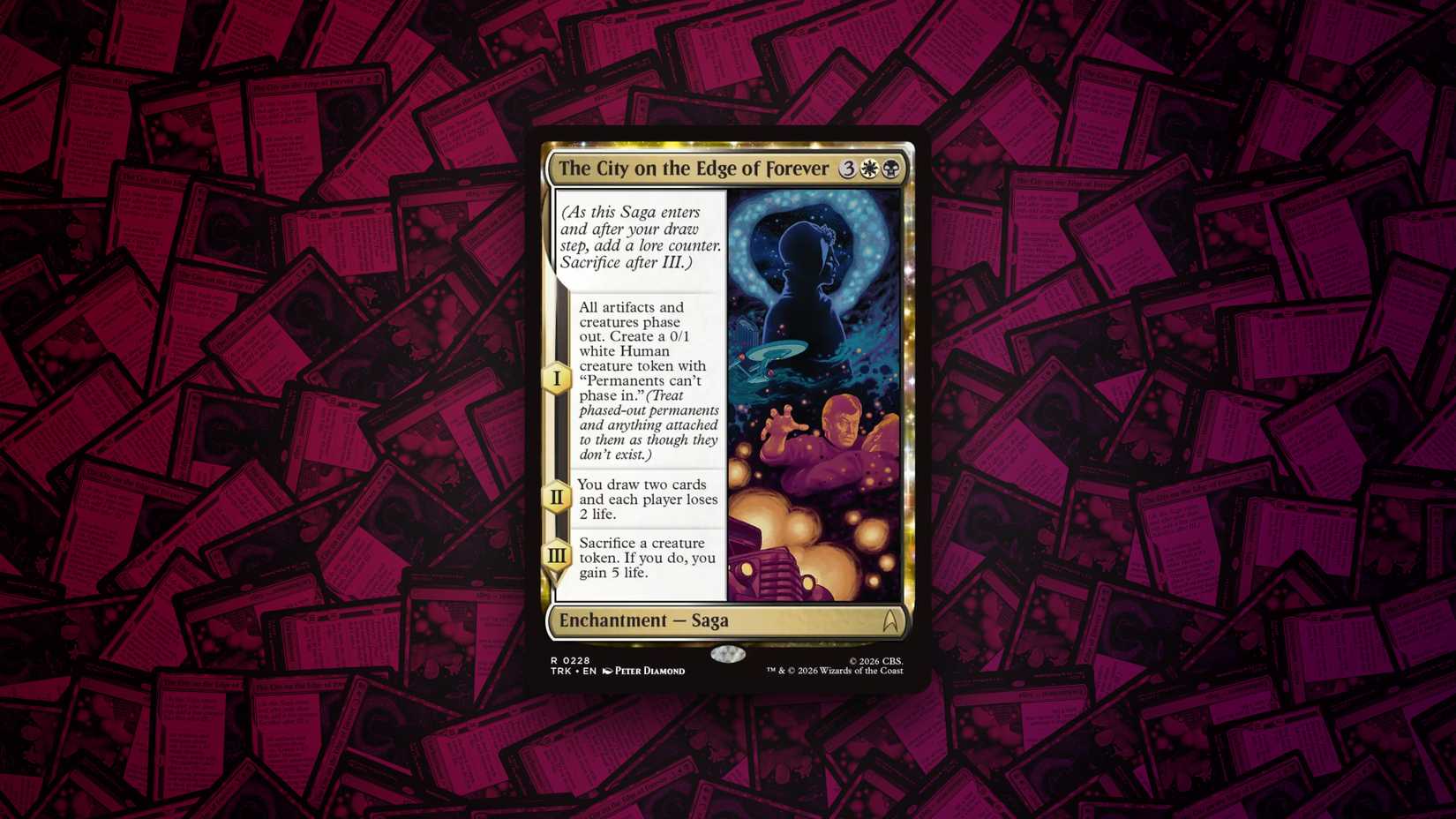
3. "The City on the Edge of Forever" (Star Trek: The Original Series, 1967)
Penned by legendary author Harlan Ellison, this time-travel tragedy remains a cornerstone of science fiction television. Following an accidental historical alteration by Dr. Leonard McCoy (DeForest Kelley) using the sentient Guardian of Forever, Kirk and Spock must strand themselves in Depression-era New York City. There, Kirk falls deeply in love with social worker Edith Keeler (Joan Collins)—only to discover that her survival will inadvertently lead to a timeline where Nazi Germany wins World War II. Restoring history demands her tragic death, resulting in one of the most poignant emotional beats in franchise history.
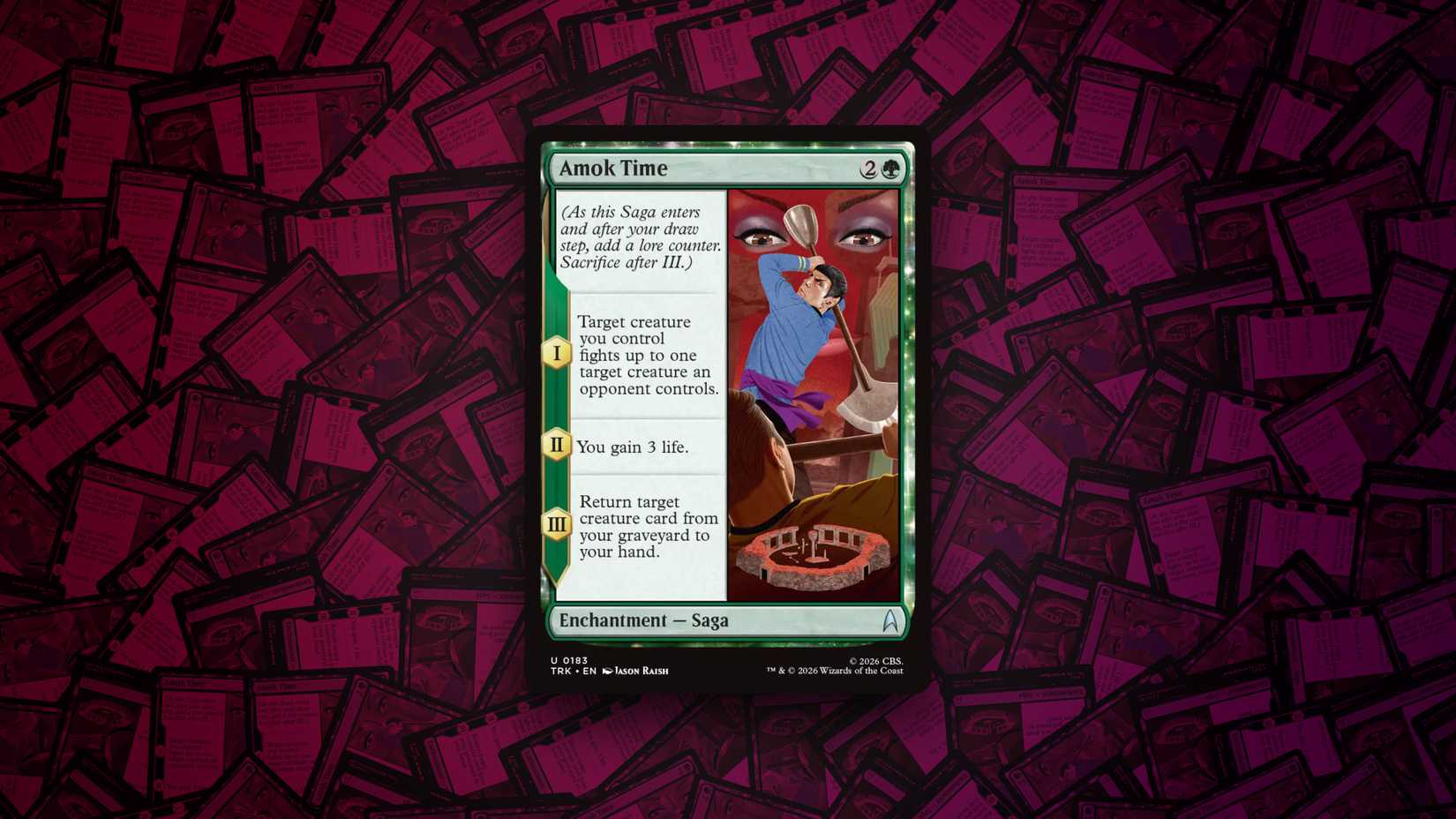
4. "Amok Time" (Star Trek: The Original Series, 1967)
This classic episode takes viewers directly to the crimson sands of Vulcan. When Spock falls victim to pon farr—a biological, life-threatening mating cycle unique to his species—the Enterprise is diverted against Starfleet orders. The resulting narrative introduces deep-seated Vulcan cultural traditions, concluding in a brutal, ritualistic fight to the death between Spock and Captain Kirk, underscored by Gerald Fried’s legendary, unmistakable musical motif.
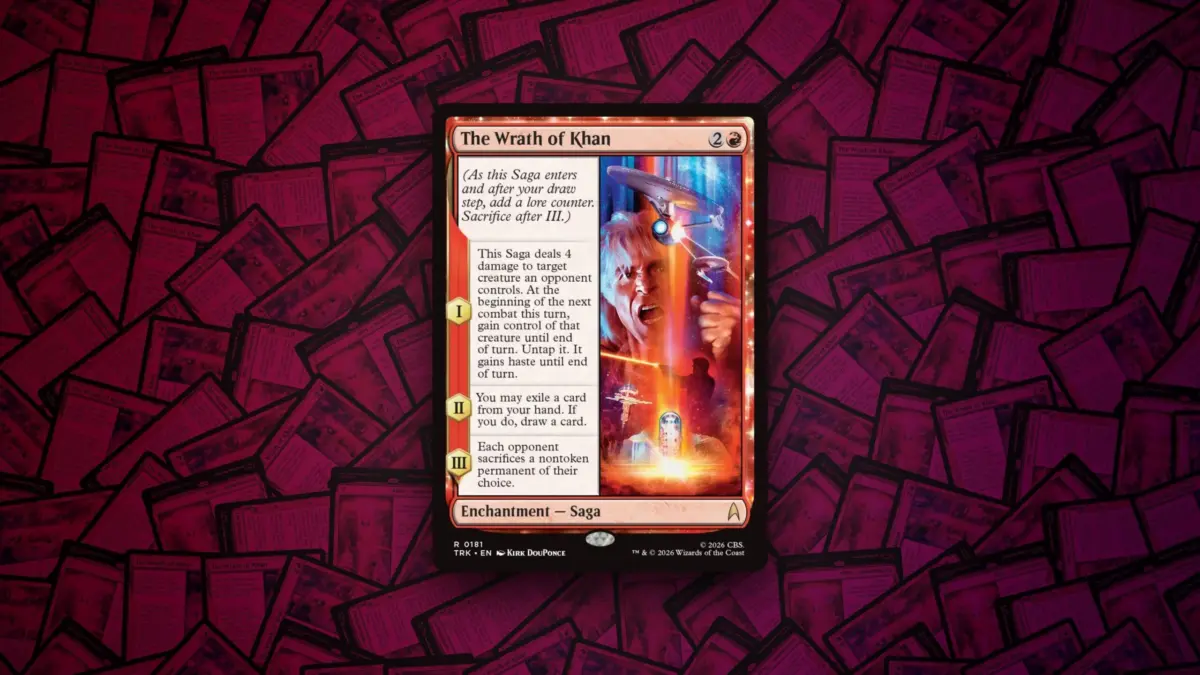
5. Star Trek II: The Wrath of Khan (1982)
Stepping out of the television sphere, the set captures the cinematic crown jewel of the film franchise. Ricardo Montalban reprises his chilling role as the genetically engineered tyrant Khan Noonien Singh, returning from decades of exile to exact vengeance upon Admiral Kirk. Beyond its tactical space battles inside the Mutara Nebula, the film fundamentally explores aging, the inevitability of death, and the ultimate sacrifice, immortalized by Spock stepping into the irradiated reactor core to save the ship.
6. "The Measure of a Man" (Star Trek: The Next Generation, 1989)
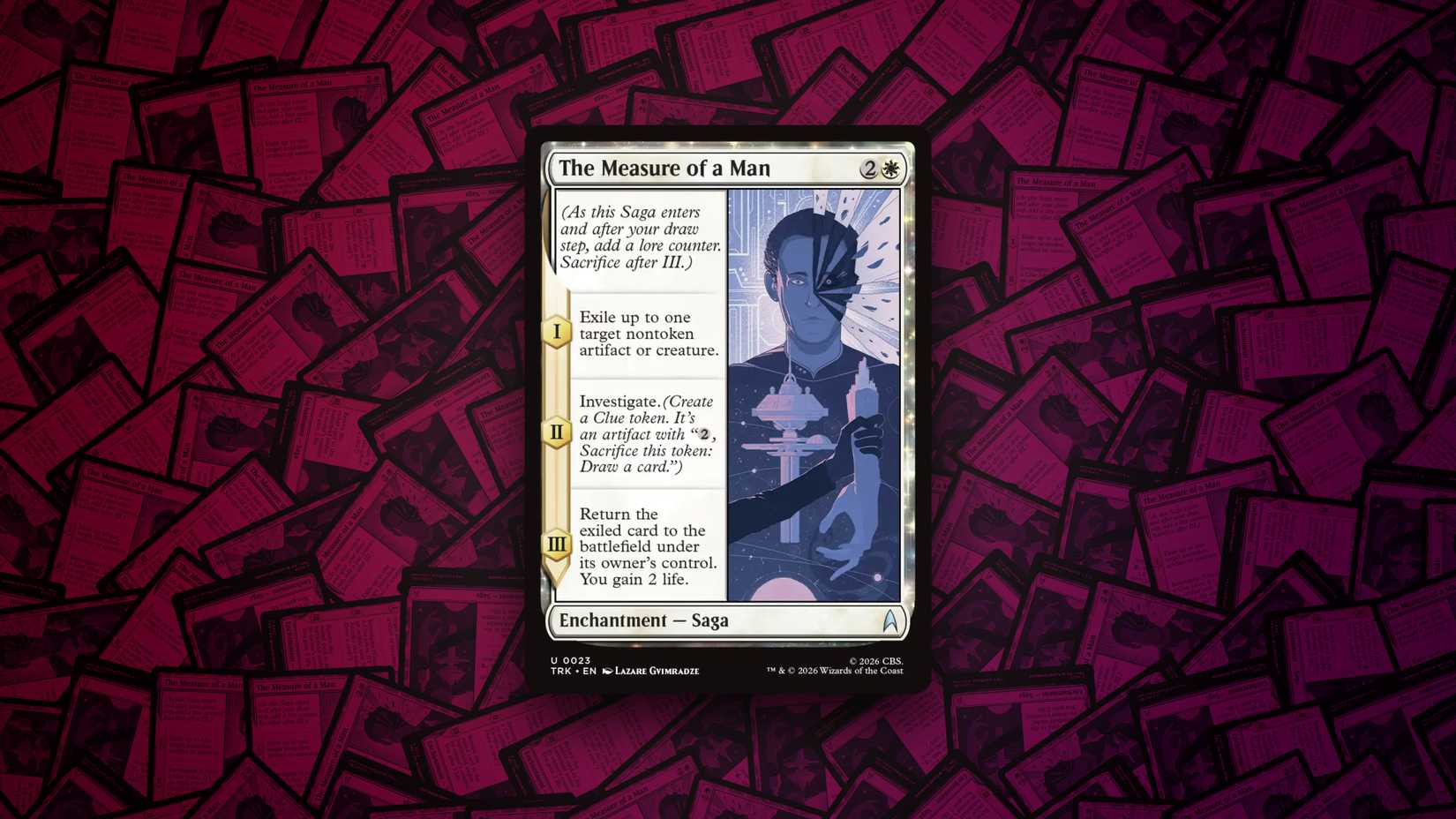
Shifting into The Next Generation era, this courtroom drama addresses the philosophical foundations of sentient life. When Starfleet scientist Bruce Maddox attempts to dismantle the android officer Data (Brent Spiner) to reverse-engineer his positronic brain, a formal legal hearing is convened to determine whether Data possesses bodily autonomy. Captain Picard’s (Patrick Stewart) impassioned defense redefines civil rights for artificial intelligence, raising questions that grow increasingly urgent in the modern era of emerging technologies.
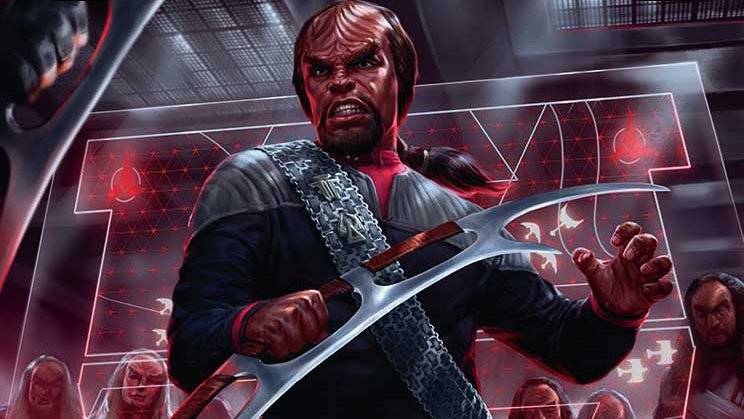
7. "Sins of the Father" (Star Trek: The Next Generation, 1990)
This definitive Klingon-centric episode follows Lieutenant Worf (Michael Dorn) as he journeys to the Klingon homeworld after his deceased father, Mogh, is posthumously accused of betraying the Empire at Kitomer. Uncovering a high-level political conspiracy orchestrated to maintain governmental stability, Worf ultimately chooses to accept the false burden of discommendation rather than spark a devastating civil war, underscoring the heavy toll of honor within Klingon culture.
8. "The Best of Both Worlds" (Star Trek: The Next Generation, 1990)
Considered by many to be the pinnacle of serialized television cliffhangers, this two-part epic pits Starfleet against an existential threat: the Borg. When the cybernetic collective captures Captain Picard and surgically transforms him into the mouthpiece known as Locutus, the Enterprise crew is forced into the unthinkable position of fighting their own captain. The narrative permanently alters Picard’s psychological landscape and permanently redefines the Borg as the ultimate sci-fi boogeyman.
9. "Unification" (Star Trek: The Next Generation, 1991)
Bringing together eras of the franchise, this ambitious two-parter features the return of Leonard Nimoy as Ambassador Spock. Operating undercover on Romulus, Spock attempts to foster secret reunification movements between his home planet and their long-time Romulan rivals. Picard and Data’s clandestine journey into the heart of the Romulan Empire offers profound meditations on diplomacy, ideology, and the long, difficult road toward healing generational enmity.
10. "The Inner Light" (Star Trek: The Next Generation, 1992)
Widely regarded as one of the finest hours of television ever produced, "The Inner Light" exposes Picard to a mysterious alien probe that beams an entire lifetime of memories into his consciousness. While mere minutes pass on the bridge of the Enterprise, Picard lives decades as K目e, a member of a doomed civilization on the planet Kataan, watching their sun die while raising a family. The episode is a masterclass in emotional resonance, exploring memory, identity, and the enduring legacy of a forgotten world.
Supporting Context & Metrics: The Universes Beyond Phenomenon
The integration of Star Trek into Magic: The Gathering marks the latest milestone for Wizards of the Coast’s wildly successful Universes Beyond product line. Over the past four years, crossover sets incorporating powerhouse intellectual properties such as The Lord of the Rings, Doctor Who, Fallout, and Assassin’s Creed have radically shifted the commercial and cultural landscape of the collectible card game.
Market analysts and hobby store owners report unprecedented pre-order numbers for the Star Trek expansion. According to early distributor data shared with retail partners, consumer demand for the set’s collector boosters—which feature specialized foil treatments of the 14 Saga enchantments alongside iconic starships like the USS Enterprise (NCC-1701 and NCC-1701-D)—has surged by over 40% compared to previous standard expansions.
Furthermore, tabletop demographic studies indicate a significant cross-pollination of fandoms. A staggering 28% of respondents in recent Wizards of the Coast consumer surveys cited the inclusion of sci-fi and fantasy crossover IPs as their primary gateway into purchasing Magic: The Gathering products. By translating the emotional narrative arcs of episodes like "The Inner Light" and "The Best of Both Worlds" into functional game mechanics, the design team has effectively weaponized nostalgia, providing a bridge for millions of science fiction enthusiasts to enter the complex strategic ecosystem of trading card games.
Official Statements and Industry Perspectives
Wizards of the Coast design leadership has been vocal about the immense responsibility of adapting a cultural touchstone as revered as Star Trek. In an exclusive design diary released ahead of the global launch, Lead Set Designer Mark Rosewater emphasized the delicate balance required to honor both communities.
"When you are dealing with a franchise that has shaped the modern imagination for sixty years, you cannot simply slap a fresh coat of paint on existing mechanics and call it a day," Rosewater explained. "Every single one of these 14 Sagas had to function as a love letter to the writers, directors, and actors who made these adventures immortal. When a player plays ‘The City on the Edge of Forever’ on turn three, we want them to feel the heartbreak of Edith Keeler’s sacrifice on the board. The mechanics must serve the narrative."
Executive Producer Aaron Forsythe echoed these sentiments, highlighting the collaborative synergy between Wizards of the Coast and Paramount Consumer Products during the multi-year development cycle.
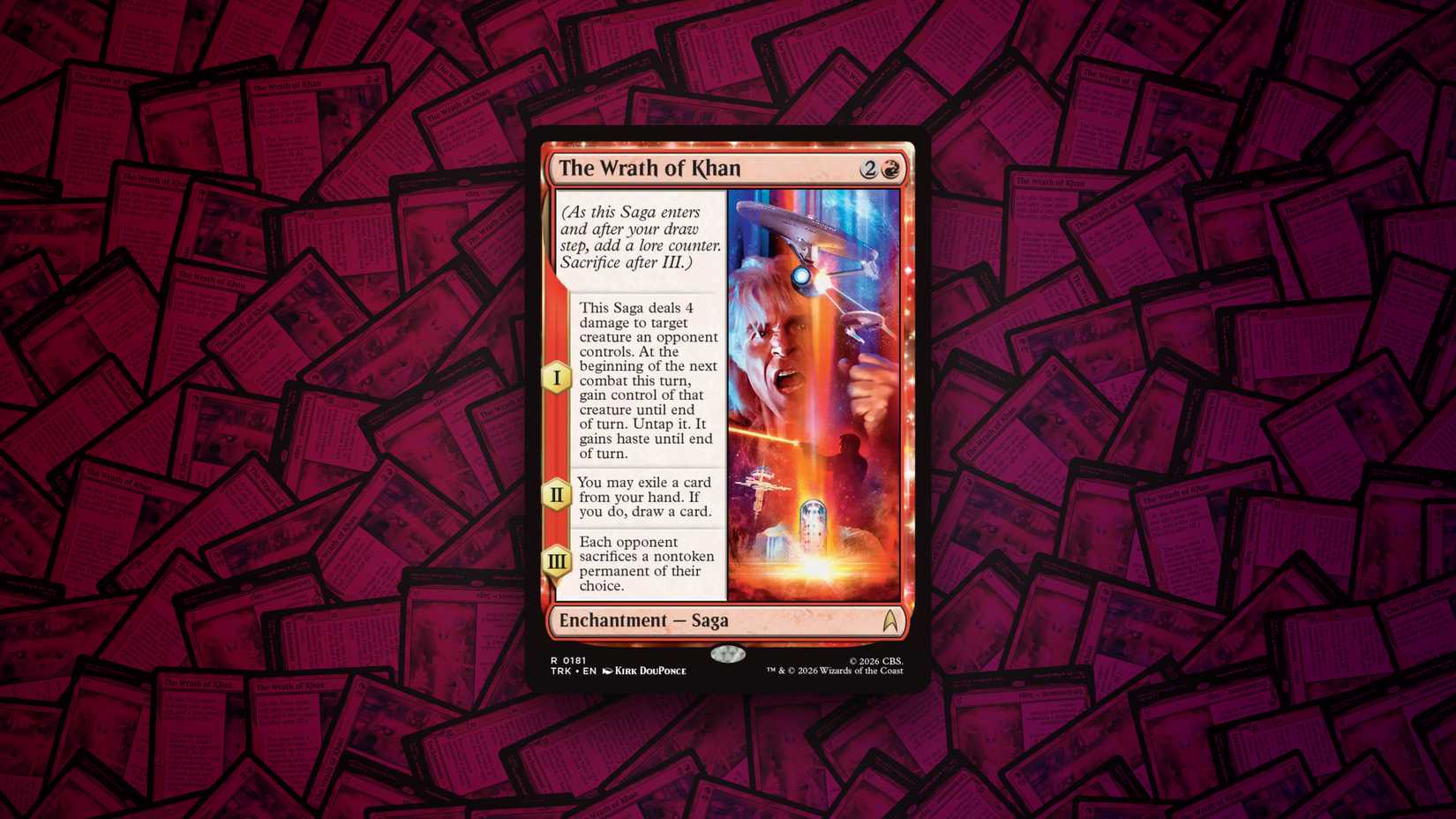
"Our team spent months agonizing over which episodes deserved to be enshrined as Sagas," Forsythe noted. "We didn’t just want the big action set pieces—though The Wrath of Khan and The Best of Both Worlds certainly deliver on that front. We also needed the quiet, philosophical triumphs like ‘The Measure of a Man’ and ‘The Inner Light.’ That breadth of storytelling is what makes Star Trek endure, and it’s what makes this Magic set so remarkably special for longtime fans."
Future Outlook: What Lies Ahead for Tabletop Crossovers
As the global launch of the Magic: The Gathering Star Trek set approaches on November 13, industry insiders are already speculating on the long-term impact this release will have on future tabletop crossovers. The massive commercial success and critical praise directed toward the narrative depth of the Saga enchantments signal a clear evolution in how external intellectual properties are integrated into card game mechanics.
Moving forward, Wizards of the Coast has confirmed that the Universes Beyond pipeline extends well into the decade, with scheduled releases touching upon other major fantasy and science fiction universes. However, the benchmark set by the Star Trek collection—particularly its meticulous reverence for television history and episodic pacing—will likely serve as the gold standard for narrative card design for years to come.
For local game stores, this weekend’s prerelease events represent more than just a competitive tournament; they are a celebration of community, shared fandom, and sixty years of exploring the final frontier. Whether players draft decks around the brutal efficiency of a Klingon warband or build control strategies leveraging the philosophical weight of Picard’s courtroom defenses, one thing is certain: the legacy of Star Trek has officially found a vibrant, enduring new home on the tabletop.