Executive Overview
The massively multiplayer online (MMO) genre has long been defined by an unyielding race toward the future. For two decades, flagship titles like World of Warcraft have treated their legacy environments as stepping stones—outdated stepping stones to be rushed through, abandoned, and left behind as expansions continuously raise the level cap and shift the focal point of the community. Yet, a radical new paradigm has emerged from Blizzard Entertainment: World of Warcraft: Forever.
Eschewing the traditional vertical treadmill of expansions, patches that invalidate previous tiers of gear, and hyper-accelerated "theme park" pacing, Forever takes a distinct path. It is built upon the chassis of the foundational 2004 experience, but rather than merely serving as a static museum piece of nostalgic preservation, it chooses to grow horizontally. Featuring over 1,000 brand-new quests, meticulously designed dungeons that fit the 2004 aesthetic, and an intentional, low-friction update schedule, the project has captivated veterans and critics alike during its beta phase.
This deep dive examines the genesis of World of Warcraft: Forever, the mechanical philosophy driving its design, the broader industry implications of horizontal MMO expansion, and what this means for a generation of gamers seeking a slower, more deliberate digital sanctuary.
Detailed Chronology: From Concept to Beta
The conceptual roots of World of Warcraft: Forever did not materialize overnight. They grew organically from the intense community appetite for World of Warcraft Classic, which launched in 2019. While Classic successfully proved that millions of players yearned to return to the original design philosophies of Azeroth—complete with arduous leveling paths, social interdependence, and dangerous open-world exploration—it ultimately fell victim to its own timeline. By progressing naturally through The Burning Crusade, Wrath of the Lich King, and subsequent expansions, Classic eventually mirrored the historical trajectory of the live game, marching steadily into modern design territory.
Recognizing a profound market hunger for an alternative path, Blizzard developers began quietly brainstorming a project that would diverge from the historical timeline entirely.
- The Internal Pitch: According to post-mortem developer insights, the initial internal pitch for Forever was modest: “Let’s build four new dungeons to pad out the mid-game leveling experience.”
- The Scope Creep: As developers delved deeper into the codebase and recaptured the creative mindset of 2004-era game design, that modest proposal snowballed. The team realized that patching up the notoriously barren leveling gaps of the original game required much more than a handful of instances. It demanded a comprehensive, expansive overhaul of the world’s pacing, itemization, and regional density.
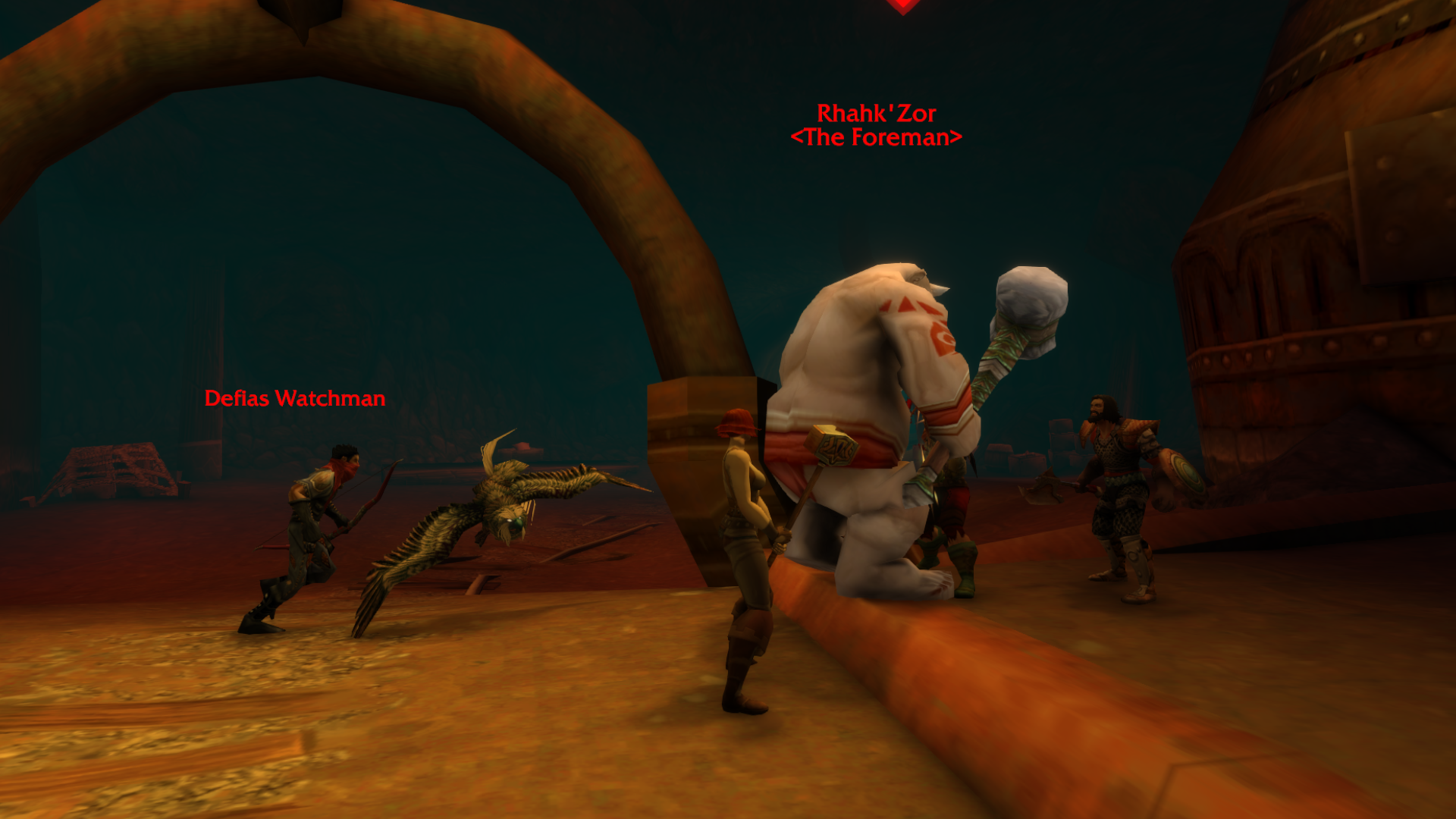
- The Beta Rollout: Moving into its comprehensive beta testing phase, Forever opened its doors to players eager to log dozens of hours testing its early-to-mid-game loops. With restrictions lifted on select zones and the introduction of new subterranean challenges like the Ruins of Lordaeron dungeon, the community quickly discovered that the project was far more than a minor texture pack or a modded server—it was a fully realized, parallel alternate universe for the world’s most famous MMO.
Supporting Context & Metrics: The Design Philosophy of "Slow Gaming"
To understand why World of Warcraft: Forever resonates so deeply with its audience, one must examine the macro-level evolution of modern MMO quest design.
In contemporary live-service games, player retention is frequently engineered through high-velocity engagement loops. Dungeons function like rollercoasters: players queue via automated systems, instantly teleport to the entrance, speedrun through linear corridors while ignoring narrative context, and collect massive influxes of experience points to race toward endgame raids. While efficient, this design strips away the tactile, spatial reality of the virtual world.
The Metrics of Pacing
- Quests and Content Volume: Forever introduces over 1,000 completely new quests. Crucially, these are not concentrated in endgame hubs; they are deliberately distributed across previously underutilized or empty zones in the Eastern Kingdoms and Kalimdor.
- Spatial Geography: Travel time matters once again. Players must rely on foot, mounts, and traditional flight paths without the luxury of instant global queues. Gathering outside a dungeon stone and walking inside remains a social ritual rather than a logistical afterthought.
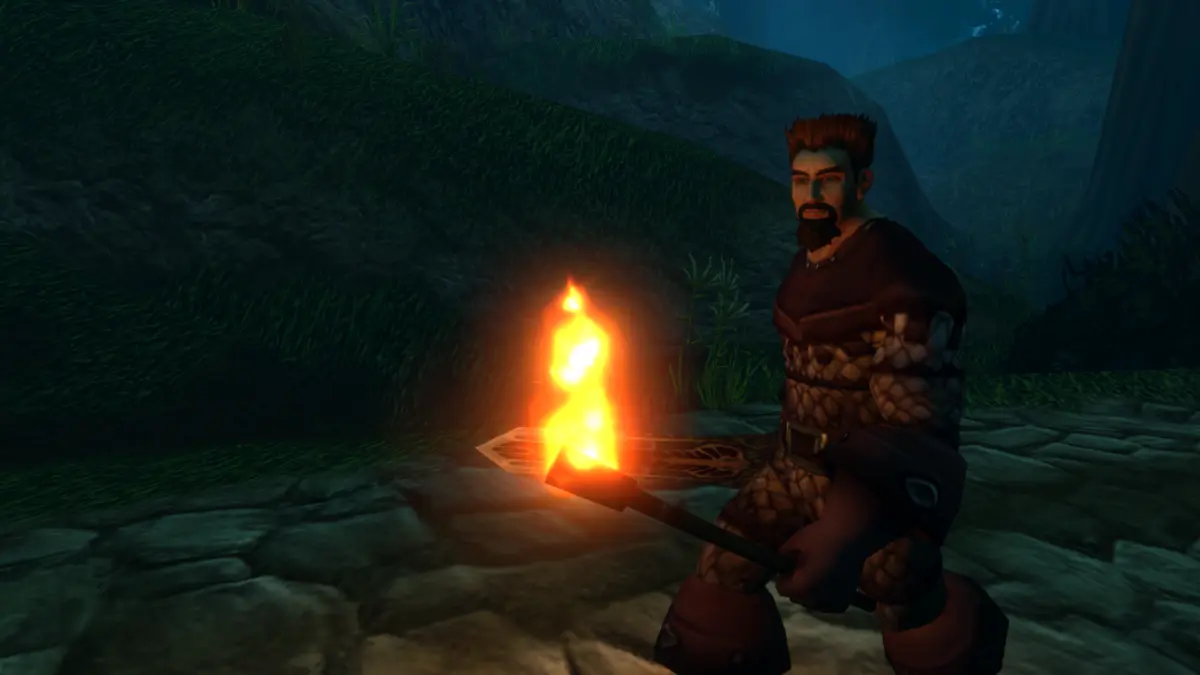
- Mechanical Restraint: Classes retain their foundational simplicity. A level 18 Warrior does not possess a bloated 30-button rotation requiring hyper-optimized weaving macros; instead, they rely on fundamental toolkits—such as timing a Heroic Strike and monitoring threat levels to avoid pulling aggro from group members.
This deliberate "lo-fi" rhythm creates a psychological shift. Players are encouraged to savor the journey rather than fixate exclusively on the destination. The dopamine hit is delayed, transforming the act of turning in a massive log of five completed quests after a grueling three-hour dungeon crawl into a deeply satisfying milestone.
Official Statements and Developer Insights
The creative direction behind World of Warcraft: Forever stems from a conscious desire to preserve what made the original class designs and world textures satisfying, without succumbing to the temptation of modernization-by-oblivion.
In recent developer roundtables and design manifestos, Blizzard representatives have emphasized that the level of mechanical complexity built into Forever’s classes was a deliberate choice.
"We wanted to ensure that we didn’t destroy what made the old classes so satisfying by modernizing them into oblivion," shared a member of the development team. "The level of mechanical complexity found in the beta classes is indicative of our intent: to respect the original foundation while building outward, not upward."
Furthermore, the team acknowledged that the update cadence for Forever will remain intentionally laid-back. Unlike the relentless, seasonal treadmill of the main retail game—where patches arrive with breakneck speed and immediately render previous gear loops obsolete—Forever embraces a slower update schedule. This philosophy targets an audience that no longer has the time or the inclination to treat a video game like a second full-time job.
As one early beta tester noted: "It’s like someone dusted off a set of forbidden texts and started reading them in flawless Ancient Greek—a sleight-of-hand that skeptics initially dismissed as a ‘millennial retirement home,’ but which delivers a cozy, highly social loop for those seeking refuge from modern gaming fatigue."
Future Outlook: What Forever Means for the MMO Genre
The success and reception of World of Warcraft: Forever signal a potential turning point for the massively multiplayer online genre as a whole. For over a decade, developers operating within the MMORPG space have felt pressured to chase the theme-park model popularized by modern iterations of World of Warcraft and its competitors. Every legacy game was expected to rush toward expansions, inflate player power ceilings, and discard old content into irrelevance.
Forever proves that there is a viable, highly lucrative, and critically appreciated alternative: horizontal expansion.
By filling in the blank spaces of an already beloved world rather than constructing an entirely new planet on top of it, Blizzard has unlocked a sustainable model for nostalgic longevity. If the development team can maintain this steady, measured tempo as players push past level 30 and into the higher brackets of the game, World of Warcraft: Forever could establish a blueprint for how long-running online universes handle their legacy properties.
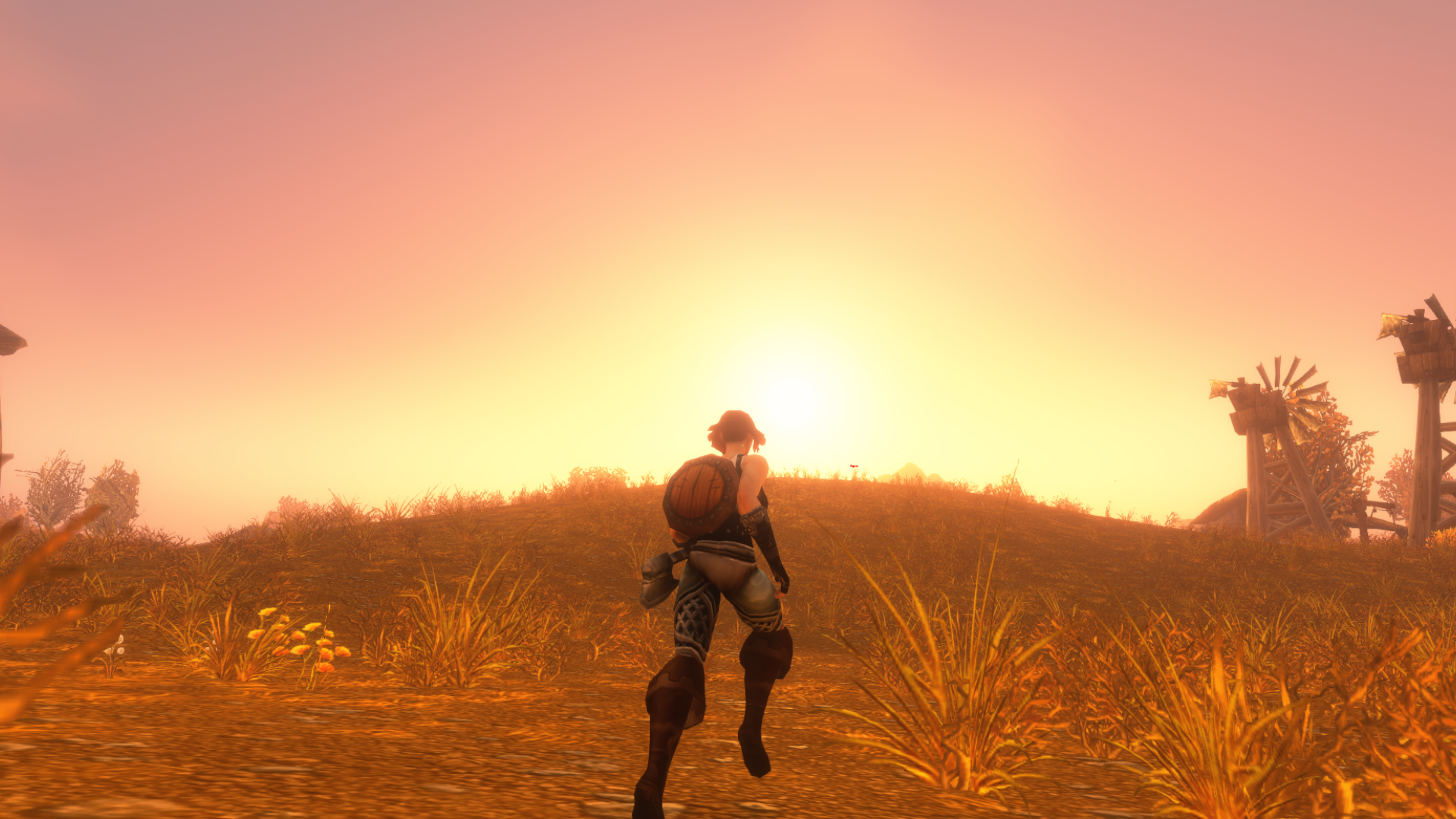
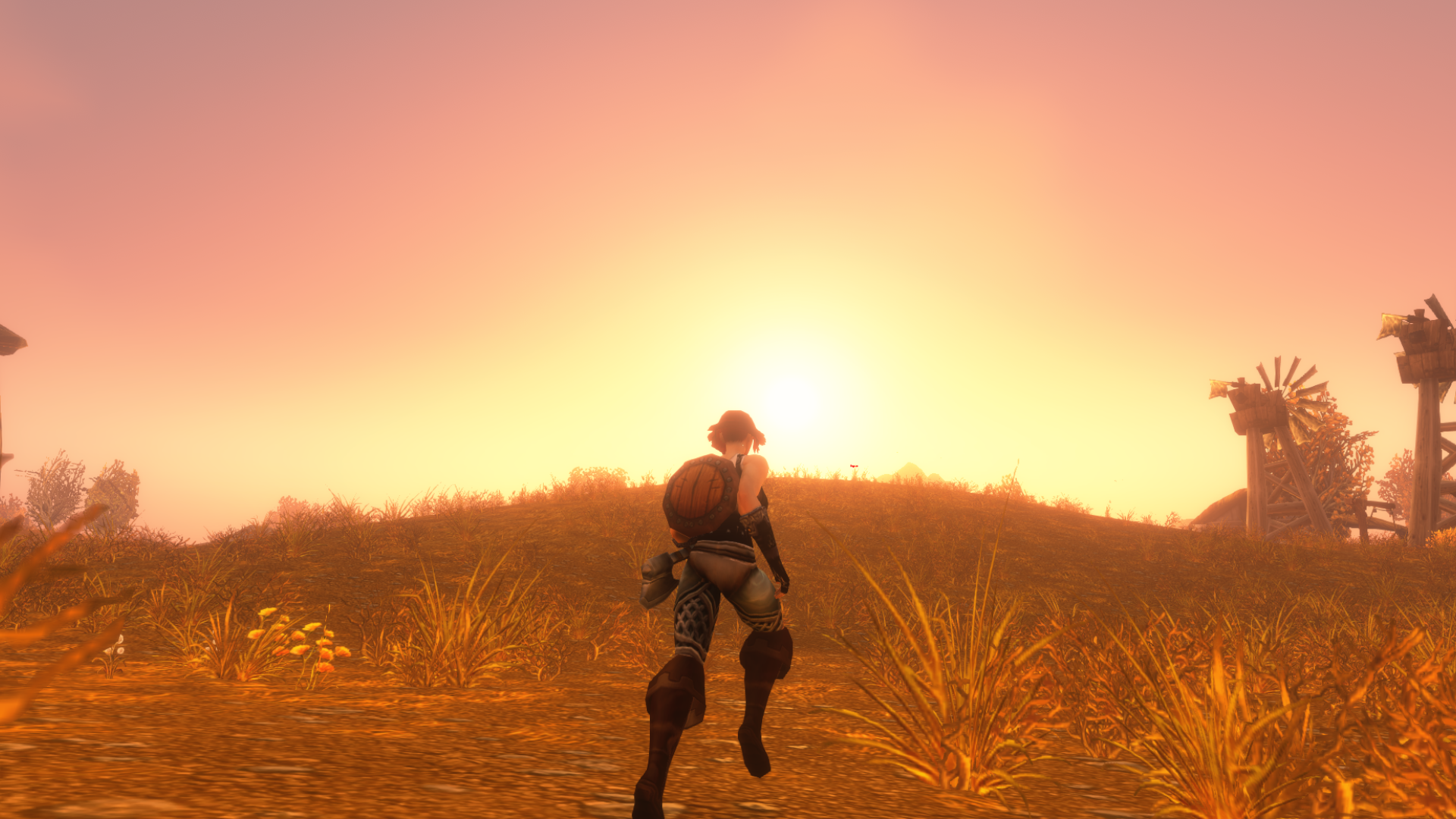
For now, adventurers looking to step back into a sun-bleached, oppressive Westfall or brave the shadowy paths of Duskwood can access the beta build directly through the Battle.net launcher on the official World of Warcraft website. Whether you are a lapsed veteran longing for the slower days of yore or a curious newcomer examining the roots of the genre, Azeroth’s past has never felt so alive—or so enduring.