Executive Overview
In the fast-paced, fiercely competitive landscape of modern multiplayer online battle arena (MOBA) games, few titles command the cultural footprint of League of Legends. Over more than a decade and a half, Riot Games’ flagship property has transformed from a modest successor to Defense of the Ancients into a global multimedia empire. Yet, as the game has evolved—incorporating sweeping visual overhauls, hundreds of intricate reworks, and an expanding roster of over 160 champions—a vocal segment of the community has frequently pined for simpler times.
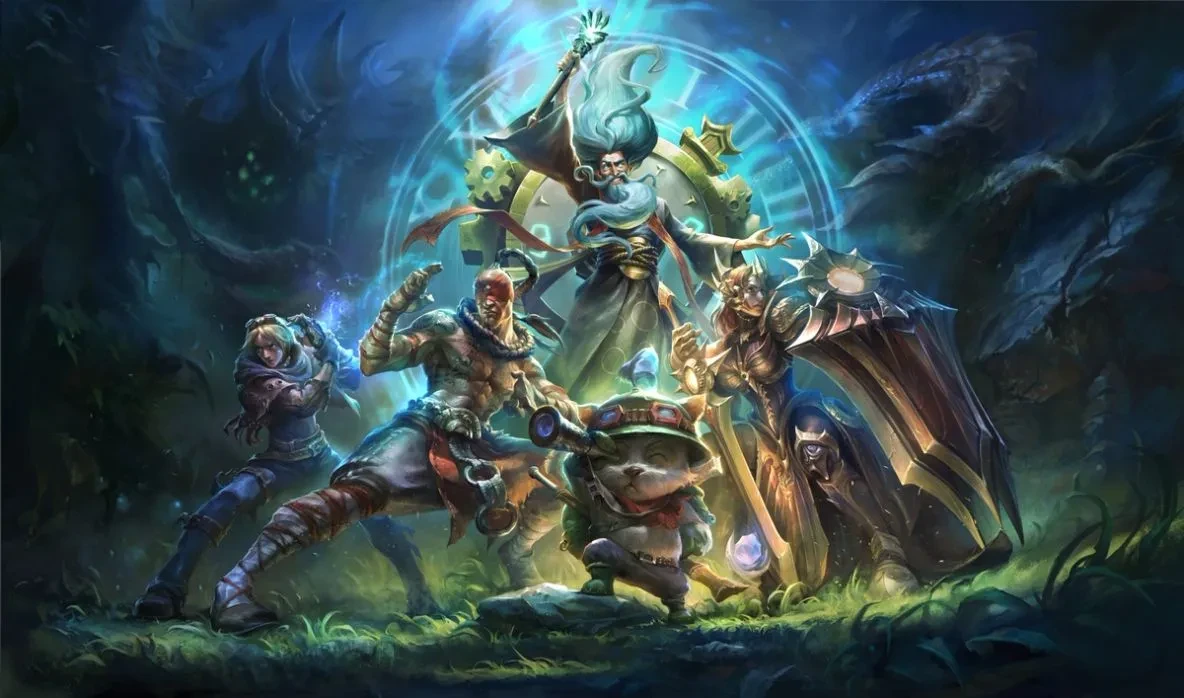
Enter League of Legends Classic: an ambitious, highly anticipated endeavor designed to strip away the clutter of modern updates, reverting the game to its vintage 2013 iteration. Stripping out a decade’s worth of mechanics, champion kits, and map redesigns, Classic was positioned as a love letter to the game’s formative years.
However, the experiment has proved short-lived. Riot Games has officially announced that League of Legends Classic will go offline in January 2027—a mere six months after its initial launch. While the mode initially captured a wave of nostalgic curiosity, player retention plummeted as the novelty wore off. This post-mortem explores the anatomy of the mode’s rapid rise and fall, examining community sentiment, structural hurdles unique to the MOBA genre, and what lessons Riot Games plans to take forward as it shelves Classic for the foreseeable future.
Detailed Chronology: From Conception to Cancellation
To understand the trajectory of League of Legends Classic, one must examine the timeline of its development, release, and sudden demise.
The Lead-Up and Launch (Early to Mid 2026)
For years, veteran players circulated rumors, fan projects, and requests for a "legacy server" mirroring the movements seen in the MMO space, such as World of Warcraft Classic or Old School RuneScape. Riot Games eventually answered these calls, confirming the development of League of Legends Classic. The design philosophy was stark: excise champions and reworks introduced after 2013, restore the classic iteration of the Summoner’s Rift map, and establish a cadence for rolling out "new" old champions at a rapid-fire pace reminiscent of the game’s early operational years.
When the mode launched in mid-2026, it sparked an immediate wave of digital migration. Former players returned in droves, eager to reconnect with college friends, relive glory days, and experience the simpler, albeit clunkier, mechanics of vintage League. Social media channels flooded with nostalgia, and community councils celebrated the realization of a long-held dream.
The Honeymoon Phase and Rapid Decline (Late 2026)
Despite the initial surge in player numbers, the honeymoon phase was remarkably brief. As weeks turned into months, concurrent player counts began to bleed out. The core issue was not a lack of affection for the past, but rather the stark realization that playing a decade-old competitive game feels vastly different in practice than it does in memory.
By late autumn, community engagement metrics made it clear that the vast majority of players had drifted back to modern League of Legends or other titles entirely. The infrastructure, balancing teams, and operational overhead required to maintain a separate legacy client could no longer be justified by the dwindling active user base.
The Announcement and Sunset Plan (January 2027)
In a frank developer update, Riot Games conceded defeat on the current iteration of the project. The company announced that the ongoing competitive season would be the last for Classic, with the mode scheduled to go offline permanently in January 2027.
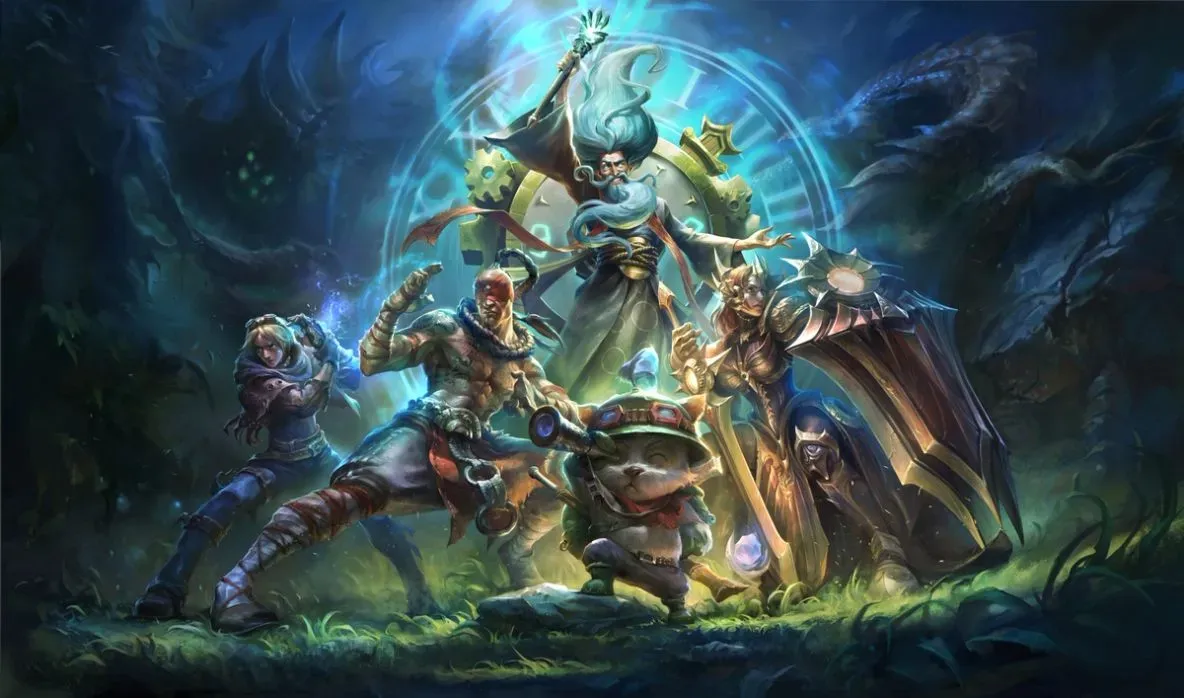
Crucially, Riot stressed that this is not a permanent cancellation of the concept, but rather a strategic retreat. The developer intends to place Classic "back in the box," with the ultimate goal of reintroducing it down the line as a rotating or limited-time event mode, retrofitted with structural adjustments and community-driven additions. In the interim, Riot has committed to fulfilling its remaining content roadmap—rolling out at least seven more legacy champions, including Mordekaiser, Yorick, Hecarim, and Lucian in update 26.21, followed by Volibear, Urgot, and Udyr in subsequent patches—while issuing full refunds for any Classic-specific content rendered obsolete by the closure.
Supporting Context & Metrics: Why Nostalgia Fails in MOBAs
The failure of League of Legends Classic to sustain a healthy player base has sparked intense debate across the gaming industry regarding the viability of nostalgia-driven updates within the competitive genre. While MMORPGs like World of Warcraft and Runescape have successfully weaponized nostalgia to sustain thriving, long-term legacy servers, MOBAs present a fundamentally different psychological and mechanical ecosystem.
The MMORPG vs. MOBA Dichotomy
In his post-launch analysis, former League of Legends esports veteran Alex Chu (Xpecial) highlighted the fragmentation of nostalgia. "Classic was never going to be a huge success at launch, because everyone has a different version of classic," Chu observed. While veteran players who started during the 2012–2013 window found immediate comfort in familiar item builds and ward systems, a massive portion of the modern player base began their journeys much later. For these newer demographics, Classic did not represent their formative gaming experiences; it simply looked and felt like an antiquated, poorly optimized video game.
Furthermore, MMORPGs and sandbox games are spaces players inhabit. They offer lower-pressure, exploratory loops that function as virtual living rooms or digital second homes. Conversely, League of Legends is an intensely adversarial, high-stakes tactical game. It requires constant cognitive engagement, emotional resilience, and mechanical precision. Once the initial wave of nostalgic euphoria fades, players are left grappling with the same toxic environments, steep learning curves, and frustrating losses that drove them away from the original builds in the first place.
The Pace of Evolution
Another critical factor lies in how games evolve. In 2013, League of Legends was defined by a frantic content schedule, frequently dropping new champions every two to three weeks. This rapid-fire introduction of variables kept the meta unstable and dynamic. By contrast, classic MMORPGs typically relied on seismic expansions occurring once a year, allowing specific game states and metas to settle deeply into the community consciousness. The breakneck speed of early LoL patch cycles meant that "vintage" balance was often inherently chaotic, unbalanced, and frustrating by modern standards—a reality that modern gamers, accustomed to refined quality-of-life updates, struggled to tolerate long-term.
Official Statements and Developer Reflections
Riot Games has maintained a transparent, reflective posture regarding the wind-down of Classic. Rather than burying the misstep, the studio has leaned into community feedback to dissect why the mode ultimately missed the mark.
In their official developer communication, a Riot spokesperson emphasized the emotional weight of the project:
"This game mode was a true labor of love from so many Rioters, and seeing you all dive back in to reclaim the nostalgia, reconnect with old friends, and relive your glory days made it a truly special moment for everyone. We will keep exploring different ways to play League and as always, we appreciate all of your feedback."
The studio acknowledged that while players deeply enjoyed revisiting the past, the operational reality of modern gaming habits ultimately dictated the mode’s suspension. Riot highlighted that future post-mortems will focus heavily on balancing fidelity to the past with the demands of modern player expectations:
"There’s more we’re going to share in the future about what we learned from this run. That includes where we think we got Classic right, where we could have gone more classic, and where sticking too closely to the past may have held the experience back."
Community contributions—ranging from social media advocacy to Council votes and early beta testing—were lauded as vital components in bringing the mode to life, even if its lifespan was cut short by shifting player habits.
Future Outlook: What Lies Ahead for League of Legends Classic
As the January 2027 shutdown date approaches, the conversation within the League of Legends community has shifted from mourning the mode’s loss to speculating on its eventual resurrection. Riot Games has made it clear that Classic is not being abandoned indefinitely, but rather re-engineered.
The Event-Mode Pivot
The most viable path forward for Classic appears to be its transition from a permanent standalone queue into a rotating, event-based game mode. By packaging the vintage map, older champion kits, and legacy items into temporary events—perhaps paired with unique mutators or community-voted rule sets—Riot can capture the initial surge of nostalgic excitement without bleeding long-term server resources.
Empowering the Community Council
Alex Chu’s insights regarding the untapped potential of community governance offer a compelling blueprint for future iterations. In a theoretical event-mode environment, Riot could loosen the regulatory reins, allowing player councils to vote on radical experimental changes that would never pass muster in the live, mass-market League of Legends client:
- Radical Drafts: Permitting multi-season champion bans or forced meta shifts (such as forcing marksmen into the mid-lane or mages into the bottom lane).
- Unfiltered Nostalgia: Leaning entirely into the broken, high-impact imbalances of early patches as a deliberate, chaotic party mode rather than a serious competitive ladder.
While a permanent, standalone legacy experience may not currently be sustainable for League of Legends, the data gathered during this six-month experiment provides invaluable insights. Riot Games has proven willing to take bold, nostalgic risks for its player base. Even as Classic prepares to go back into the box, the lessons learned from its brief existence ensure that the ghosts of Summoner’s Rift past will inevitably return—reworked, refined, and ready for another day in the sun.