Published: October 2026
Author: Global Technology & Culture Desk
Executive Overview
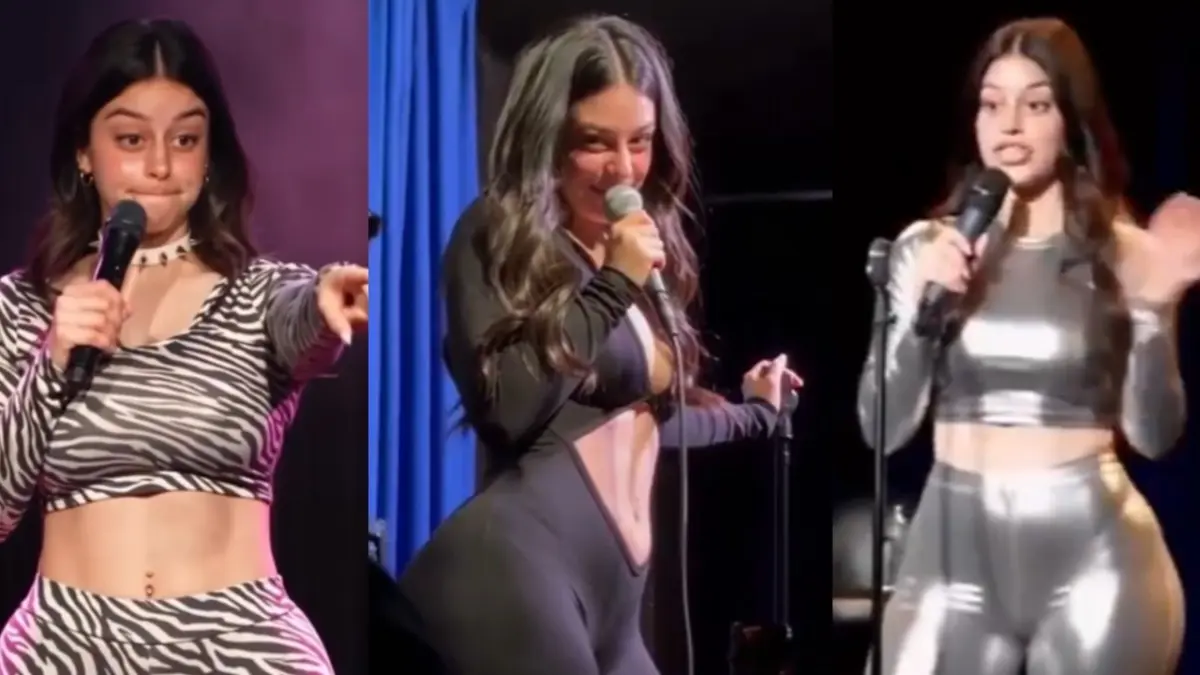
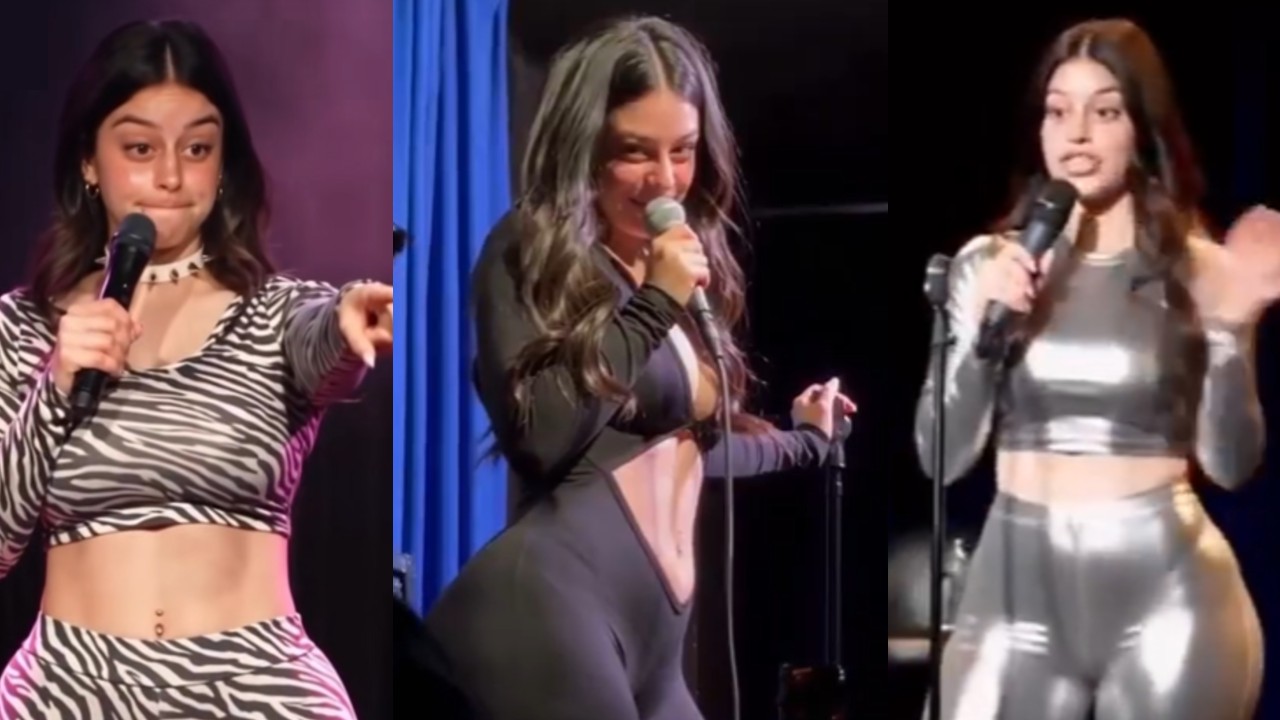
In the rapidly evolving landscape of generative artificial intelligence, the boundaries separating human creativity, digital deception, and commercial exploitation continue to blur. In early October 2026, the internet witnessed a masterclass in modern digital entrepreneurship—and a corresponding descent into ethical outrage—with the sudden rise and abrupt retreat of Tiffany Sloane, an AI-generated comedian, influencer, and OnlyFans model.
Amassing more than 360,000 followers and millions of views across social media platforms within a mere three-week window, Sloane appeared to be the ultimate growth-hacking success story. Utilizing advanced synthetic media generation, the persona was deployed to perform stand-up comedy routines, engage audiences, and funnel traffic directly toward an adult content subscription profile linked in her biography.
However, the meteoric ascent quickly devolved into a public relations crisis. Critics, social media watchdogs, and fellow performers exposed the operation not as a triumph of algorithmic innovation, but as a calculated scheme built on intellectual property theft. Real-world comedians came forward with definitive proof that Sloane’s viral routines were wholesale plagiarism of human joke-writers. The backlash catalyzed a broader, industry-wide reckoning regarding anti-AI sentiment, the commodification of stolen labor, and the dystopian intersection of automated entertainment and adult marketing funnels.
By mid-October 2026, under the weight of escalating condemnation from prominent online personalities, journalists, and legal commentators, the Tiffany Sloane Instagram presence had been scrubbed clean of all content. This deep dive examines the anatomy of the Tiffany Sloane phenomenon, tracing its rapid chronology, analyzing the online discourse, and evaluating the long-term implications for the digital creator economy.
Detailed Chronology: From Obscurity to Virality and Back
The lifecycle of the Tiffany Sloane persona serves as a stark testament to the speed at which synthetic influencers can scale—and the velocity with which public backlash can dismantle them in the digital age.
Genesis and the Initial Surge (Mid-to-Late September 2026)
The digital footprint of Tiffany Sloane materialized in mid-September 2026. Configured as an attractive, digitally rendered female persona capable of delivering deadpan or ironic stand-up comedy, the account began publishing short-form video clips to Instagram and other visual platforms. Utilizing cutting-edge text-to-video and voice-synthesis technologies, the creators behind Sloane managed to bypass the uncanny valley well enough to capture casual scrollers’ attention.
Unlike traditional virtual influencers who rely on lifestyle modeling or fashion posts, the deployment of "stand-up comedy" served as a sophisticated engagement hook. Comedy naturally relies on verbal rhythm, surprise, and emotional resonance—elements that, when synthesized, trick audiences into seeing a conscious, relatable human behind the avatar. Within three weeks of her first post, the primary Instagram account (tiffany.bbyx) exploded past the 360,000-follower milestone, generating cumulative view counts running well into the millions.
The Catalyst: The Viral Discovery (October 3–4, 2026)
The turning point from organic novelty to mainstream internet discourse occurred on October 3rd and 4th, 2026. Tech investor and commentator Justine Moore, posting on X (formerly Twitter) under the handle @venturetwins, shared a compilation video showcasing Sloane’s rapid growth.
"I think I stumbled on a genius OnlyFans marketing hack," Moore wrote on October 4th. "This AI comedian (‘Tiffany Sloane’) started posting 3 weeks ago and is blowing up — 360k followers and millions of views. Her bio links to what appears to be a real woman’s OF profile… using her AI persona for marketing."
While Moore’s framing focused on the entrepreneurial audacity of the marketing funnel, the post inadvertently exposed the synthetic creator to a much broader, deeply critical audience. The revelation that a fully automated digital construct was being leveraged to drive commercial traffic to a human adult content creator triggered immediate anxiety across the digital landscape.
The Plagiarism Exposure (October 3, 2026)
Simultaneously, the illusion of creative autonomy shattered. On October 3rd, human comedian and Instagram content creator George Brett Olson published an explosive reel directly addressing the viral AI account. Olson presented side-by-side video evidence demonstrating that Tiffany Sloane’s routines were not generated by an algorithm parsing comedic timing, but were instead direct, word-for-word thefts of material written and performed by human comedians—most notably Olson himself.
The exposure of intellectual property theft transformed the conversation. What had initially been analyzed as a clever tech-marketing case study was instantly reclassified as digital grand larceny. Olson’s video struck a nerve within the creative community, racking up over 100,000 likes within five days and serving as the foundational proof needed to mobilize a counter-offensive against automated content mills.
The Immediate Backlash and Purge (October 5–7, 2026)
As the news metastasized across X, YouTube, and independent gaming and tech blogs, prominent digital figures weighed in. On October 5th, writer and commentator Jesse Singal shared the compilation with the succinct assessment: "this is very very dark." Later that day, X user @JPHilllllll captured the sentiment of many industry observers: "Perfect summary of the state of AI. Tech investor loves that someone is using AI to steal comedians’ content to do marketing for OnlyFans."
Media outlets quickly picked up the story. On October 5th, Kotaku published an investigative report titled, "Viral AI-Generated Comedian Steals Jokes And Is Rewarded With Millions Of Views," crystallizing the mainstream media’s condemnation of the ecosystem that allowed such accounts to flourish.
The pressure culminated on October 7th when streamer Asmongold reacted to the phenomenon during a live broadcast. A clipped summary uploaded by the Asmongold Shorts YouTube channel accumulated over 644,000 views in under 24 hours, bringing the controversy to a massive gaming and streaming audience.
Faced with mounting legal threats, widespread public shaming, and the loss of plausible deniability regarding the source material, the administrators behind Tiffany Sloane folded. By the second week of October 2026, the tiffany.bbyx Instagram page had completely purged its content library, leaving behind a sterile, empty profile—a digital ghost town symbolizing the temporary nature of synthetic infamy.
Supporting Context & Metrics
To fully understand the Tiffany Sloane phenomenon, one must analyze the structural mechanics that enabled its explosive growth and subsequent collapse.
The Metrics of Synthetic Virality
- Follower Velocity: Gaining 360,000 followers in approximately 21 days places the account in the top tier of organic digital growth, rivaling major mainstream public figures and breakout internet personalities.
- Engagement-to-Conversion Ratio: By leveraging short-form video algorithms (Instagram Reels and TikTok-style formats) which prioritize watch time and emotional hook over creator history, the account bypassed traditional brand-building phases.
- The Marketing Funnel: The utilization of an AI persona as an upper-funnel acquisition channel for a transactional lower funnel (OnlyFans) represents a novel evolution in digital marketing. Traditional adult creators have long utilized social media teasers; however, substituting the creator’s actual face and voice with a synthetic, optimized persona effectively shields the human operator from social friction while outsourcing audience acquisition to automated content generation.
The Plagiarism Paradigm in the Age of LLMs
The accusation leveled by George Brett Olson highlights a systemic vulnerability in current generative AI implementations. While Large Language Models (LLMs) and diffusion models are trained on vast corpuses of human art, text, and video, bad actors frequently bypass even the nominal safety filters of commercial AI tools by directly feeding human transcripts into generation pipelines.
In the realm of stand-up comedy—an industry already plagued by joke theft among human practitioners—the integration of AI creates an asymmetric threat model. A human comedian accused of stealing a joke faces social ostracization, club blacklisting, and professional ruin. An AI persona, however, operates behind an impenetrable veil of anonymity, managed by operators who can simply spin up a new synthetic identity once the old one is burned by scandal.
Official Statements and Industry Reactions
The emergence of Tiffany Sloane drew sharp commentary from across the digital media ecosystem, reflecting deep anxieties regarding the future of creative labor.
- George Brett Olson (Comedian and Victim): In his viral Instagram exposé, Olson did not merely complain about lost revenue; he highlighted the existential threat posed to working-class artists. By demonstrating how his original premises, punchlines, and cadences were replicated by a lifeless digital render, Olson emphasized the profound disrespect inherent in automated plagiarism.
- Justine Moore (Tech Investor): Though initially characterizing the setup as a "genius marketing hack," Moore’s framing inadvertently exposed the widening chasm between the tech venture capital mindset—which prioritizes growth hacking, efficiency, and automated scaling above all else—and the preservation of human creative integrity.
- The Media Response: Outlets like Kotaku and independent commentators framed the incident not as an isolated anomaly, but as a harbinger of a broader cultural crisis. The narrative shifted decisively from "innovative use of generative tools" to "parasitic content harvesting."
Future Outlook: What the Tiffany Sloane Saga Means for Digital Media
The rapid rise and fall of Tiffany Sloane is unlikely to be an isolated incident. Rather, it serves as a crucial case study for the structural challenges facing the internet in the mid-2020s. Several key trends and potential outcomes emerge from this controversy:
1. The Weaponization of Synthetic Personas for Adult Marketing
The OnlyFans ecosystem relies heavily on top-of-funnel discovery. Because mainstream platforms (Instagram, TikTok, YouTube) maintain varying restrictions on direct adult content promotion, creators are forced to use creative proxies. Synthetic influencers offer an unprecedented shield: they can be hyper-optimized for aesthetic appeal, churn out endless content without burnout, and bear the brunt of public backlash while the human beneficiary remains insulated. Despite the failure of the Sloane account, copycat operations are expected to adapt by employing more sophisticated attribution masking and original script generation to avoid plagiarism traps.
2. The Escalating Legal and Ethical Battles Over Intellectual Property
As generative models become more accessible, the legal frameworks governing copyright, likeness rights, and digital impersonation are severely strained. Creators are increasingly demanding robust digital watermarking, platform-level verification protocols, and automated content-matching tools to detect synthetic plagiarism before it achieves virality. The precedent set by victims of automated theft like George Brett Olson underscores the urgent need for legal pathways to hold the operators of synthetic personas accountable.
3. Audience Fatigue and the Rise of "Proof of Humanity"
Perhaps the most optimistic takeaway from the Tiffany Sloane affair is the speed and efficacy of the organic pushback. While algorithms initially rewarded the synthetic account with millions of views, human users and creators rapidly mobilized to investigate, expose, and reject the deception. As synthetic media saturates digital feeds, audiences are developing a heightened cynicism toward hyper-polished, frictionless online personas. The demand for raw, verifiable, and unapologetically human authenticity—flaws and all—may ultimately emerge as the most valuable currency in the creator economy.
For ongoing coverage of artificial intelligence ethics, digital creator economics, and internet culture, stay tuned to our Technology & Culture Desk.