Executive Overview
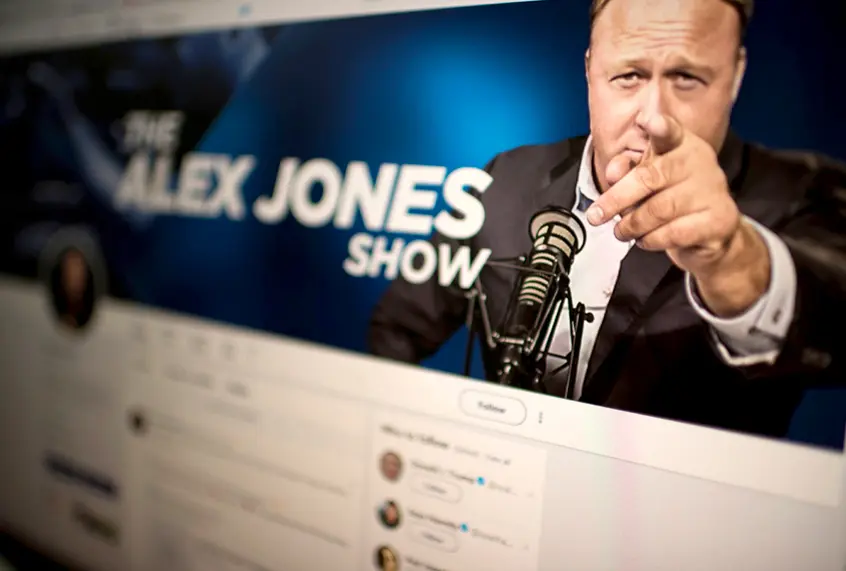
In a significant policy reversal that marked a turning point for digital governance, Twitter officially slapped right-wing conspiracy theorist and Infowars founder Alex Jones with a seven-day suspension in August 2018. The move ended months of fierce public debate and internal hesitation from the platform’s leadership regarding how to handle purveyors of online misinformation and harassment.
For years, Jones and his multimedia empire operated with relative impunity across major social media landscapes, propagating fringe theories, political vitriol, and targeted harassment. While Silicon Valley peers—including Apple, Facebook, Pinterest, Spotify, and Google’s YouTube—swiftly purged Jones and his affiliated content from their servers for violating strict hate speech and harassment terms, Twitter initially resisted taking similar action.
The tipping point arrived when Jones directly violated Twitter’s core rules against inciting violence, posting content that implored supporters to ready "battle rifles" against mainstream media organizations and political adversaries. This article explores the mechanics of Twitter’s policy pivot, the defense offered by CEO Jack Dorsey, the broader industry-wide crackdown on Jones, and the enduring questions surrounding content moderation, free speech, and platform accountability in the digital age.
Detailed Chronology: From Resistance to Reversal
The sequence of events leading up to Twitter’s August 2018 disciplinary action highlights the tension between platform neutrality and public safety.
The Industry Exodus
Earlier in the week leading up to Twitter’s announcement, a coordinated wave of tech companies enacted bans against Alex Jones and Infowars.
- Spotify was among the first, removing several episodes of The Alex Jones Show podcast for violating hate speech policies.
- Apple followed suit shortly after, pulling multiple Infowars podcasts from its Podcasts app, citing guidelines that prohibit the promotion of discrimination, hatred, or violence.
- Facebook removed four pages belonging to Jones and Infowars, citing repeated violations of policies regarding hate speech and graphic imagery.
- YouTube terminated the main Infowars channel—which boasted over 2.4 million subscribers—alongside several secondary channels, after finding them in breach of guidelines against harassment and hate speech.
Despite this cascading industry-wide purge, Twitter initially stood alone in maintaining Jones’s active accounts, citing a strict adherence to its existing rules and a resistance to ideological censorship.
The Catalyst: The "Battle Rifles" Tweet
Twitter’s defensive posture crumbled on Tuesday, August 15, 2018, when Jones crossed a definitive red line. In a video clip shared to his platform, Jones explicitly urged his followers to "get their battle rifles ready" to combat the mainstream media and critics.
This post triggered an immediate review by Twitter’s safety teams. The platform’s internal policies explicitly prohibit individuals or organizations from using or promoting violence against civilians to further their political or ideological causes. Consequently, Twitter locked two accounts maintained by Jones and Infowars in a seven-day "timeout," preventing him from posting new content while keeping the historical archive visible.
Supporting Context & Metrics: A History of Fringe Hoaxes
The urgency behind the bans implemented by major tech platforms—and the intense public scrutiny facing Twitter—was rooted in years of inflammatory rhetoric, targeted harassment campaigns, and legal liabilities generated by Jones.
A Record of Conspiracy and Harassment
Alex Jones built a massive digital footprint by promoting controversial, often debunked narratives. Notable examples include:
- 9/11 "Trutherism": For years, Jones questioned the official narrative of the September 11 terrorist attacks, claiming government complicity.
- Targeted Accusations: Jones frequently used his platform to level baseless accusations against public figures and private citizens alike, including labeling special counsel Robert Mueller a pedophile during the height of the Russia investigation.
- The Sandy Hook Defamation Lawsuit: Perhaps most damaging was Jones’s multi-year campaign claiming that the tragic 2012 Sandy Hook Elementary School shooting was a hoax and that the grieving parents were crisis actors. This relentless harassment led to severe emotional distress for the families and triggered landmark defamation lawsuits that ultimately threatened Infowars with millions of dollars in financial liabilities.
Platform Metrics and Reach
Prior to the August 2018 bans, the Infowars ecosystem possessed an immense digital reach. Across YouTube, Facebook, and Twitter, Jones’s video broadcasts, articles, and social media posts reached millions of daily viewers. The coordinated tech crackdown effectively dismantled his primary distribution channels, forcing his audience toward alternative, fringe platforms less bound by mainstream content moderation standards.
Official Statements and Leadership Defense
In the wake of the suspension, Twitter CEO Jack Dorsey faced intense questioning from the media regarding the platform’s delayed response and its philosophical approach to content moderation.
Jack Dorsey’s Interview with NBC News
Appearing on NBC Nightly News with Lester Holt, Dorsey defended the decision to issue a temporary suspension while explaining why the company had previously resisted demands for an outright ban.
"We can’t build a service that is subjective just to the whims of what we personally believe," Dorsey told Holt, emphasizing the company’s reliance on objective rules rather than political pressure.
When pressed on whether a seven-day timeout would successfully compel Jones to alter his behavior, Dorsey was transparently pragmatic:
"Whether it works within this case to change some of those behaviors and change some of those actions, I don’t know. But this is consistent with how we enforce."
Dorsey elaborated that temporary and permanent suspensions serve as mechanisms to prompt self-reflection among rule-breakers, though he noted that enforcement escalates with repeated violations.
Clarifying via Social Media
Following the broadcast of the NBC interview, Dorsey took to Twitter to clarify his remarks, addressing critics who feared the platform was adopting a lenient stance toward hate speech.
"To clarify: I was speaking broadly about our range of enforcement actions, when asked why we timeout functionality on Twitter. I don’t assume everyone will change their actions. Enforcement gets tougher with further reported violations."
— @jack (August 15, 2018)
This clarification underscored the reality that a seven-day suspension was not a curative measure for a chronic offender, but rather a standard procedural step within a graduated enforcement framework.
Future Outlook: The Ongoing War Over Digital Speech
The temporary silencing of Alex Jones in August 2018 served as a watershed moment that permanently altered the relationship between social media conglomerates and controversial public figures.
The Limits of Temporary Enforcement
While the seven-day timeout kept Jones from tweeting during a critical news cycle, it also highlighted the limitations of temporary penalties when applied to bad actors with a history of systematic violations. Critics argued that a weeklong ban was merely a slap on the wrist, insufficient to address the deep-seated harms caused by coordinated harassment campaigns and the spread of malicious falsehoods.
The Shift Toward Permanent Deplatforming
The pressure placed on Twitter during this period ultimately laid the groundwork for more aggressive moderation strategies across the tech sector. Shortly after the temporary suspension expired—and following subsequent evaluations of platform policy violations—Twitter and other major networks moved past temporary timeouts, enacting permanent bans against Jones and associated extremist accounts.
Implications for the Future of Free Speech
The Alex Jones controversy forced a global conversation regarding:
- The Responsibilities of Private Platforms: As digital squares replaced physical public spaces, tech companies found themselves acting as de facto arbiters of public discourse.
- The Definition of Free Speech: A clear tension emerged between the First Amendment ethos of unrestricted speech and the corporate responsibility to maintain safe, civil environments free from targeted abuse and incitement to violence.
- Algorithmic Accountability: The episode exposed the vulnerabilities of automated moderation systems and forced tech executives to implement more transparent, rigorous frameworks for evaluating harmful content.
Ultimately, Twitter’s pivot on Alex Jones proved that even the most reluctant platforms could no longer afford to ignore the real-world consequences of unchecked digital misinformation. The fallout from these decisions continues to shape how modern social media platforms police content, protect vulnerable communities, and define the boundaries of free expression in the twenty-first century.