Executive Overview
While franchises like Star Wars and Star Trek indisputably command the lion’s share of global box office receipts, merchandising empires, and corporate balance sheets, the true stylistic DNA of modern speculative fiction traces back to a different origin point entirely. When evaluating cultural resonance, foundational impact, and storytelling architecture, The Twilight Zone stands shoulder-to-shoulder with the most lucrative heavyweights in entertainment history.
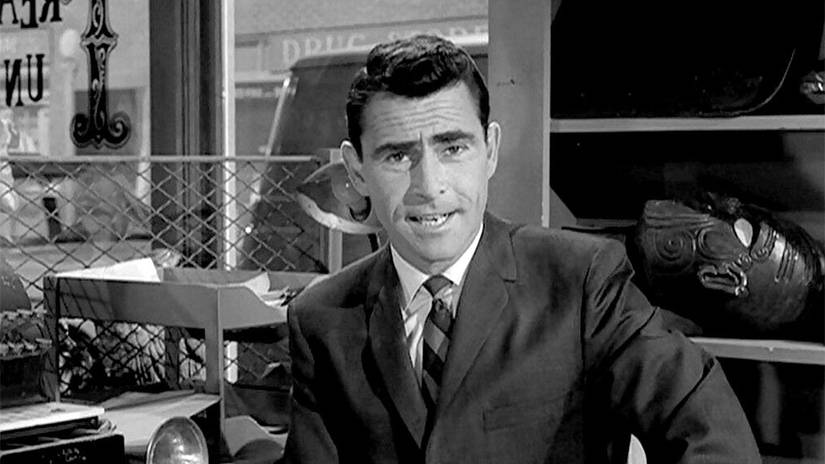
Created, hosted, and predominantly written by television visionary Rod Serling, CBS’s landmark anthology series debuted in 1959, fundamentally altering the trajectory of dramatic television. Today, decades after its initial broadcast run concluded, the series continues to cast a long, definitive shadow over contemporary film and television. For modern audiences looking to understand the mechanics of suspense, moral parable, and high-concept sci-fi, the timing couldn’t be better: the seminal series is currently available to stream completely free on Tubi.
Detailed Chronology: The Genesis and Evolution of a Masterpiece
To appreciate the revolutionary nature of The Twilight Zone, one must understand the television landscape of the late 1950s. At the time, American TV was largely dominated by live, taped theatrical plays, variety shows, and multi-camera domestic sitcoms such as I Love Lucy. Serling, an ambitious writer frustrated by network censorship and the creative limitations of safe, commercial broadcasting, envisioned something entirely different. He wanted to use the speculative framing of science fiction and fantasy as a Trojan horse to smuggle provocative social commentary past nervous network executives.
The 1959–1964 Run: Five Seasons that Changed the Medium
- Season 1 (1959–1960): Premiering on October 2, 1959, with the iconic episode “Where Is Everybody?” starring Earl Holliman, the series immediately established its atmospheric, single-camera cinematic identity. Serling utilized this initial run to tackle suburban paranoia, existential isolation, and the chilling consequences of technological progress.
- Seasons 2 and 3 (1960–1962): During this golden middle stretch, the show hit its narrative stride, blending psychological horror, alien encounters, and masterclasses in twist-ending storytelling. Legendary authors like Richard Matheson and Ray Bradbury penned some of their finest teleplays during this era.
- Season 4 (1963): In a bold, short-lived programming experiment, CBS expanded The Twilight Zone episodes from a tight 30-minute runtime to a sprawling hour-long format. While the longer runtime allowed for deeply atmospheric character studies, it strained the structural pacing that made the half-hour episodes so punchy.
- Season 5 (1963–1964): Recognizing the artistic limits of the hour-long format, the production team reverted to the traditional 30-minute structure for the final season. This run produced some of the most culturally indelible episodes in television history before Serling and CBS mutually agreed to pull the plug, exhausted by the grueling production cycle.
Across five seasons and 156 episodes, The Twilight Zone broke free from serialized narrative constraints. Because every single installment featured entirely new characters, settings, and premises, Serling created a narrative sandbox where humanity’s deepest flaws—prejudice, vanity, cowardice, and profound loneliness—could be systematically dissected under the microscope of the fantastic.
Supporting Context & Metrics: The Literary Roots and Creative Powerhouse
The brilliance of The Twilight Zone was never born in a vacuum. Serling intentionally curated a writers’ room of literary giants, drawing direct inspiration from early speculative pioneers like H.G. Wells and Mary Shelley. However, it was the recruitment of mid-century speculative fiction titans that elevated the scripts into high art.
The Literary Titans Behind the Scenes
- Richard Matheson: A master of suspense and psychological terror, Matheson contributed scripts like “Nightmare at 20,000 Feet” and “Steel,” bringing a visceral, tactile dread to the screen.
- Ray Bradbury: The legendary poet of American science fiction adapted his own deeply emotional, poetic sensibilities to television formats, exploring the intersection of memory, childhood, and cosmic wonder.
- Rod Serling: While external writers added immense value, Serling’s personal output remains staggering. He penned nearly 100 of the show’s 156 episodes, serving not only as the creative engine behind the typewriter but also as the omnipresent, chain-smoking philosophical host who welcomed viewers across the threshold of the fifth dimension week after week.
The Metrics of Enduring Influence
While precise streaming metrics fluctuate, the show’s enduring legacy is measured by its direct lineage in modern prestige television and cinema:

- Direct Descendants: Shows like The Outer Limits, Rod Serling’s later creation Night Gallery, and Charlie Brooker’s modern dystopian nightmare Black Mirror exist entirely because The Twilight Zone proved anthologies could thrive on television.
- Genre Shapers: Landmark series such as The X-Files, Fringe, Lost, and animated staples like Futurama frequently borrow stylistic tropes, narrative pacing, and metaphysical framing devices pioneered by Serling.
- Cinematic Homages: Modern auteurs frequently cite specific episodes as foundational texts for their cinematic universes. Jordan Peele has repeatedly acknowledged that his 2019 psychological horror film Us drew direct inspiration from the season 1 episode "Mirror Image." Similarly, Don Mancini, creator of the Chucky franchise, has pointed directly to the season 5 classic "Living Doll" as the conceptual blueprint for his murderous Good Guy doll.
Official Statements and Critical Retrospectives
Cultural historians, television critics, and contemporary creators have long celebrated The Twilight Zone not merely as nostalgic entertainment, but as an essential pillar of Western dramatic arts.
In retrospective analyses, critics frequently highlight how Serling outsmarted network censors. During an era of intense McCarthy-era paranoia and rigid censorship guidelines regarding racial and political commentary, Serling realized he could bypass network interference simply by setting his stories on distant planets or in alternate dimensions. If a story dealt with bigotry on Earth, it was a liability; if it dealt with grotesque, prejudice-driven aliens on a distant world, it was acceptable entertainment.
As Serling famously outlined in his philosophy of anthology television, the format allowed creators to "tackle taboo subjects indirectly, masking social critique beneath the comforting cloak of speculative fiction." Modern television executives and showrunners continue to study Serling’s scripts in university writing programs, recognizing the half-hour anthology format as the ultimate masterclass in narrative efficiency, rising tension, and explosive dramatic payoffs.
Future Outlook: Why Tubi’s Free Streaming Window Matters Now More Than Ever
In the contemporary media ecosystem, navigating the landscape of digital entertainment has become an exercise in subscription fatigue. Consumers are routinely forced to juggle half a dozen disparate streaming platforms, constantly tracking which service has licensed which legacy library. Against this backdrop, the availability of The Twilight Zone for free streaming on Tubi represents a rare, consumer-friendly win.
Aging Special Effects vs. Universal Subtext
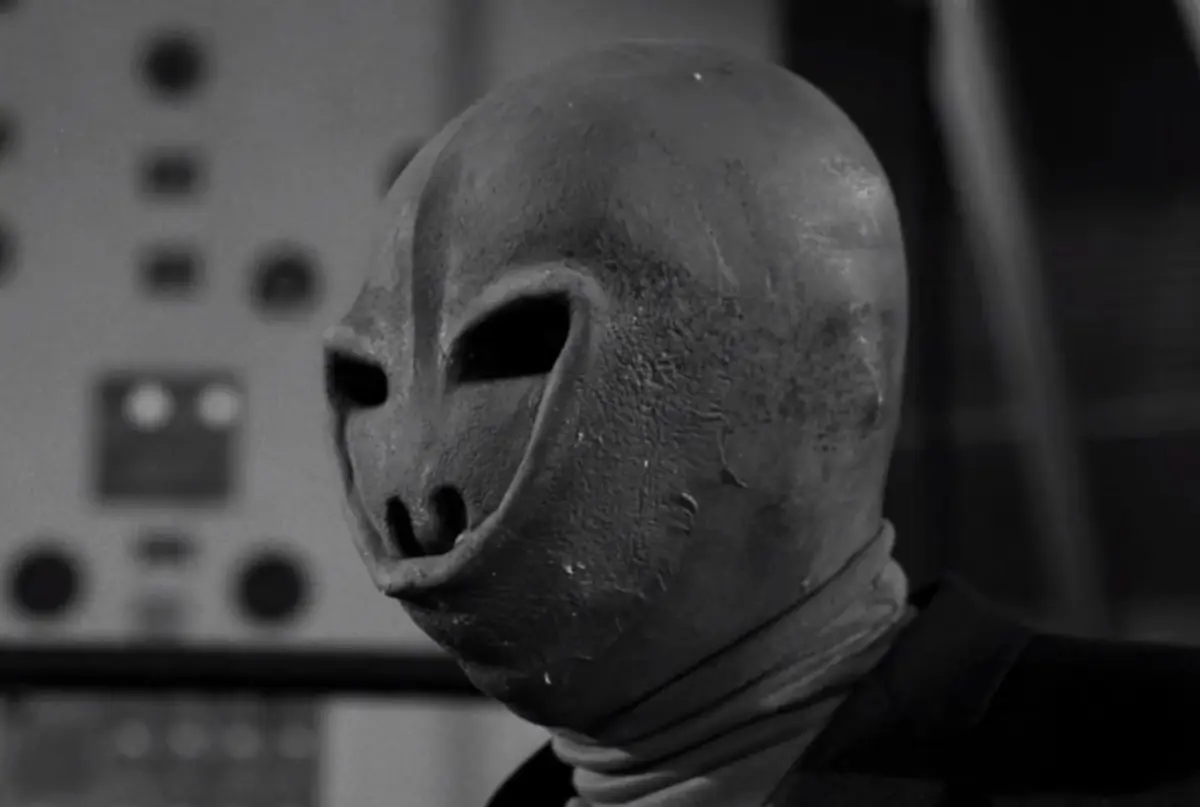
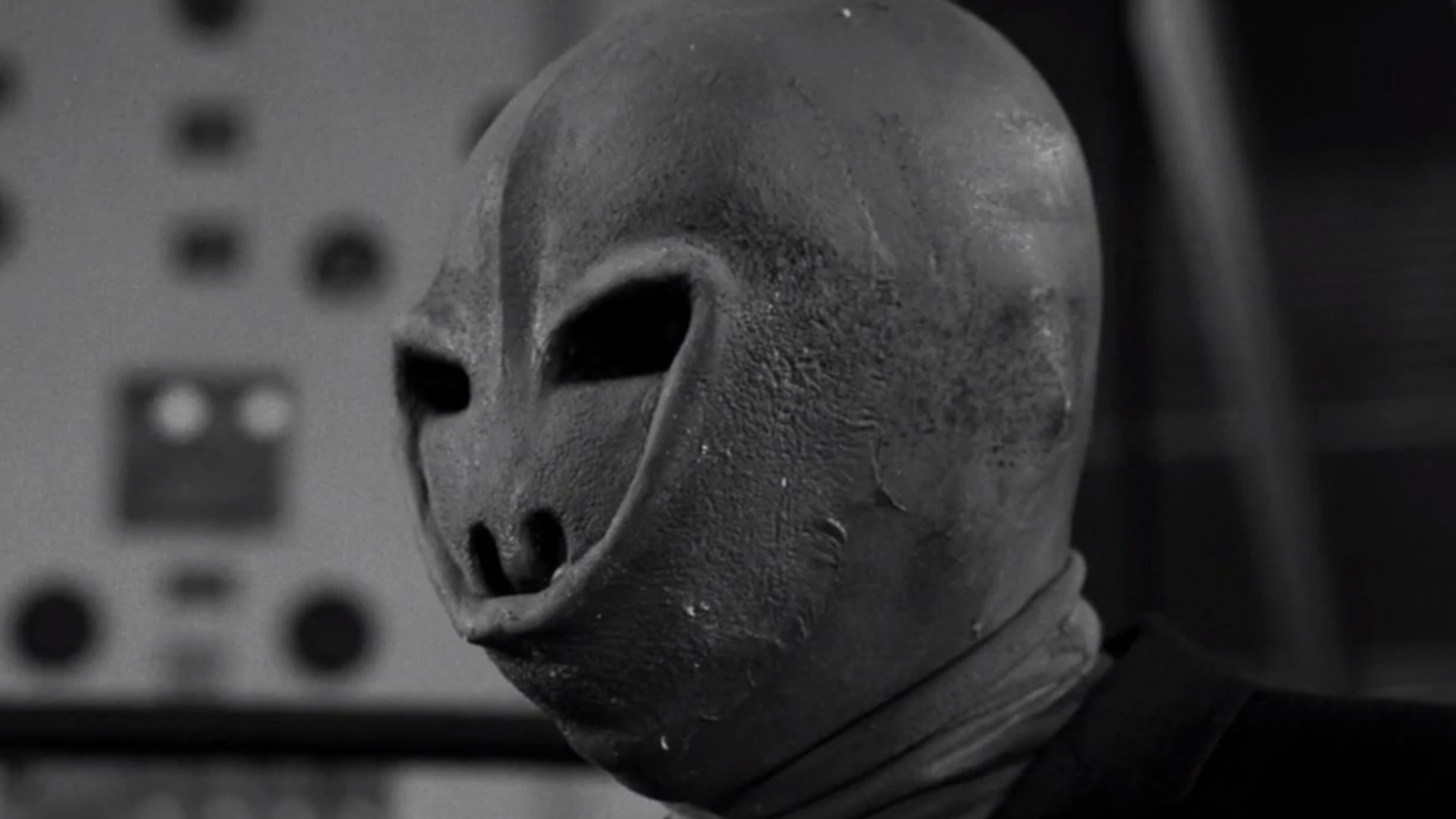
Adjoining the praise, modern viewers approaching the series for the first time must navigate the inevitable friction of mid-century aesthetics. Because the show first aired more than six decades ago, certain elements—most notably the black-and-white cinematography, studio-bound alien landscapes, and rudimentary special effects—are undeniably dated. A rubber-suited monster or a visibly painted backdrop can occasionally prompt a nostalgic smile rather than a genuine gasp of terror.
However, these surface-level visual artifacts quickly fade into the background once the narrative engines engage. Because The Twilight Zone anchored its episodes in profound, universal human emotions and timeless moral dilemmas, the underlying subtext remains astonishingly potent.
The Ultimate Non-Committal Watch
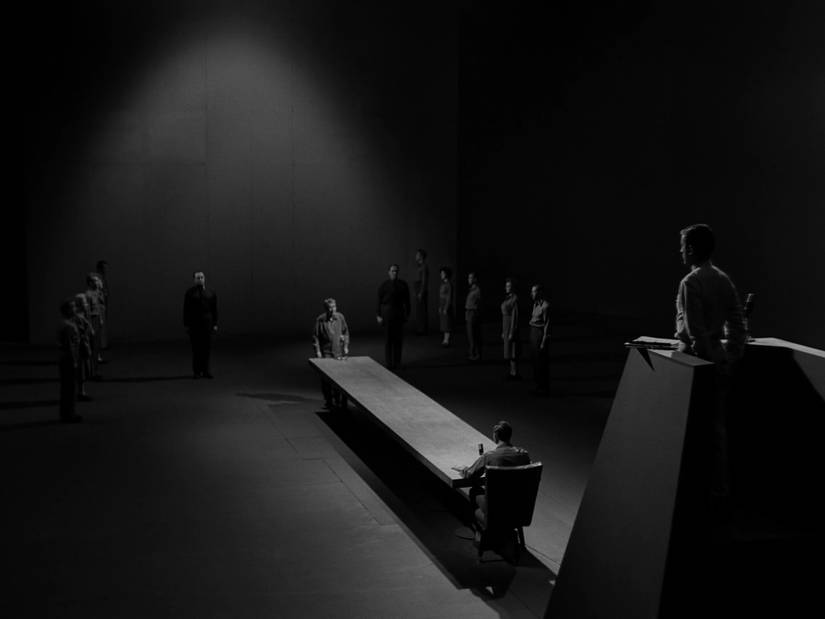
Furthermore, the anthology structure offers a structural advantage unique in the streaming age: zero serialized homework required. Viewers do not need to memorize multi-season continuity arcs, track complex lore, or stress over missing intermediate episodes. You can drop in at any point, sample guaranteed classics—such as the panic-inducing airborne terror of "Nightmare at 20,000 Feet," the chilling existential dread of "The Obsolete Man," or the classic alien cookbook twist of "To Serve Man"—and bounce around based on your personal genre preferences.
For contemporary fans of psychological thrillers, prestige horror, and mind-bending science fiction, tuning into The Twilight Zone isn’t just an exercise in historical media consumption; it is an exploration of the source code for modern storytelling. With the entire run available to stream for free, there has never been a better time to unlock the door, step past the glowing television screen, and re-enter the fifth dimension.