Executive Overview
For over two decades, the Fast & Furious franchise has grown from a humble, mid-budget street-racing flick into one of the most financially lucrative and culturally surreal cinematic universes in Hollywood history. Spanning eleven mainline and spin-off films—with a twelfth and final installment looming on the horizon—the series has mutated from gritty urban crime drama to international, gravity-defying superhero espionage.
Yet, despite its box-office dominance, a fundamental creative disconnect persists at the top. Series anchor, producer, and chief mythology-keeper Vin Diesel continues to misunderstand the precise ingredients that transformed the franchise from a niche car-culture curiosity into a global phenomenon. As the franchise prepares to cross its final checkered flag, Diesel’s stated creative demands for the grand finale—nostalgic returns to Los Angeles, a resurrection of street racing, and the resurrection of Paul Walker’s Brian O’Conner—reveal a blind spot regarding why 2011’s Fast Five remains the undisputed high-water mark of the saga.
This retrospective examines the trajectory of the franchise, the structural brilliance of Fast Five, the limits of Vin Diesel’s current creative vision, and why the future of the series depends on lessons the studio seems determined to forget.
Detailed Chronology: From Underground Tuning to Global Heists
To understand why Fast Five is the absolute pinnacle of the franchise, one must trace how the series evolved through shifting genres and stylistic pivots.
Phase One: The Street-Racing Underground (2001–2006)
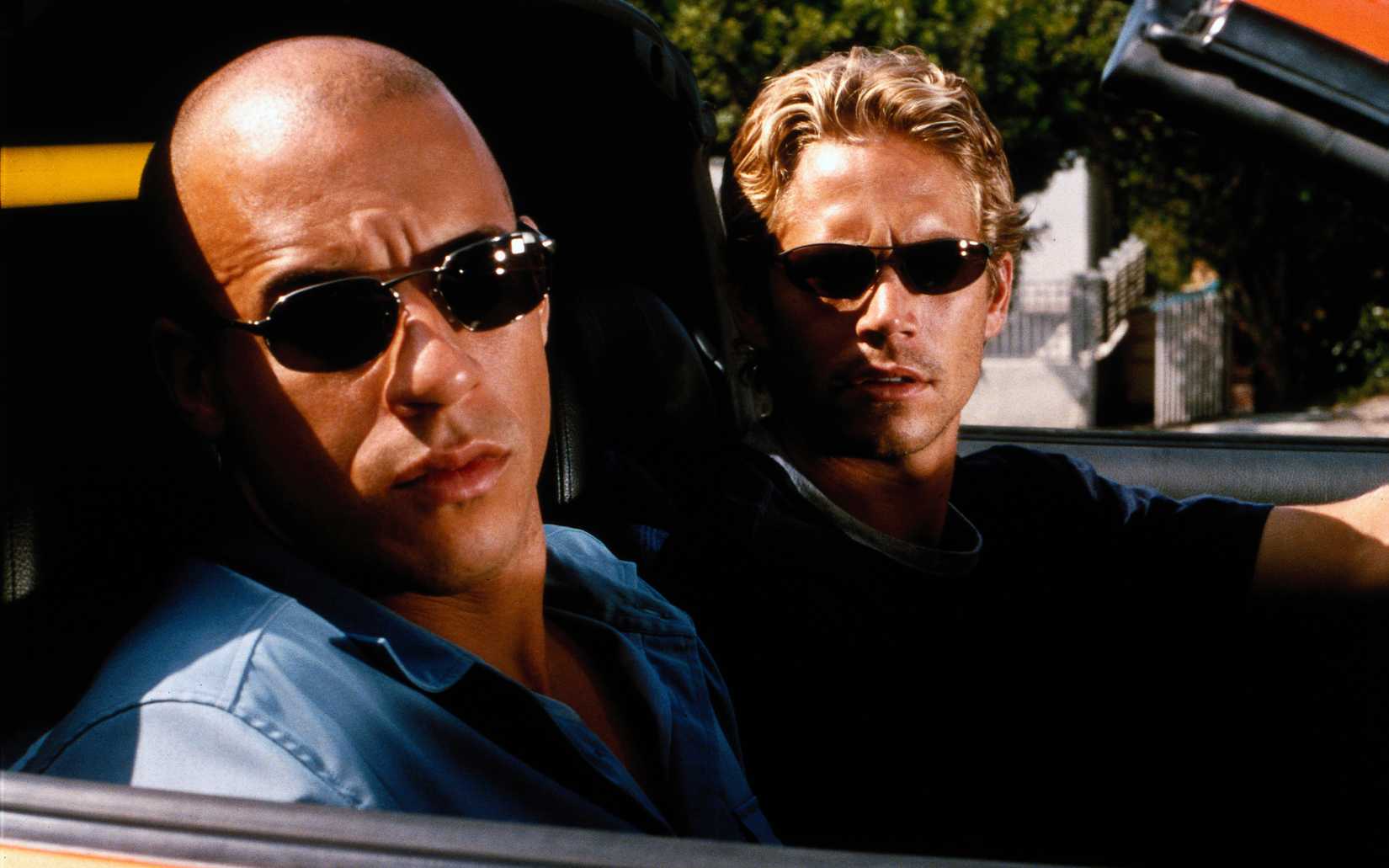
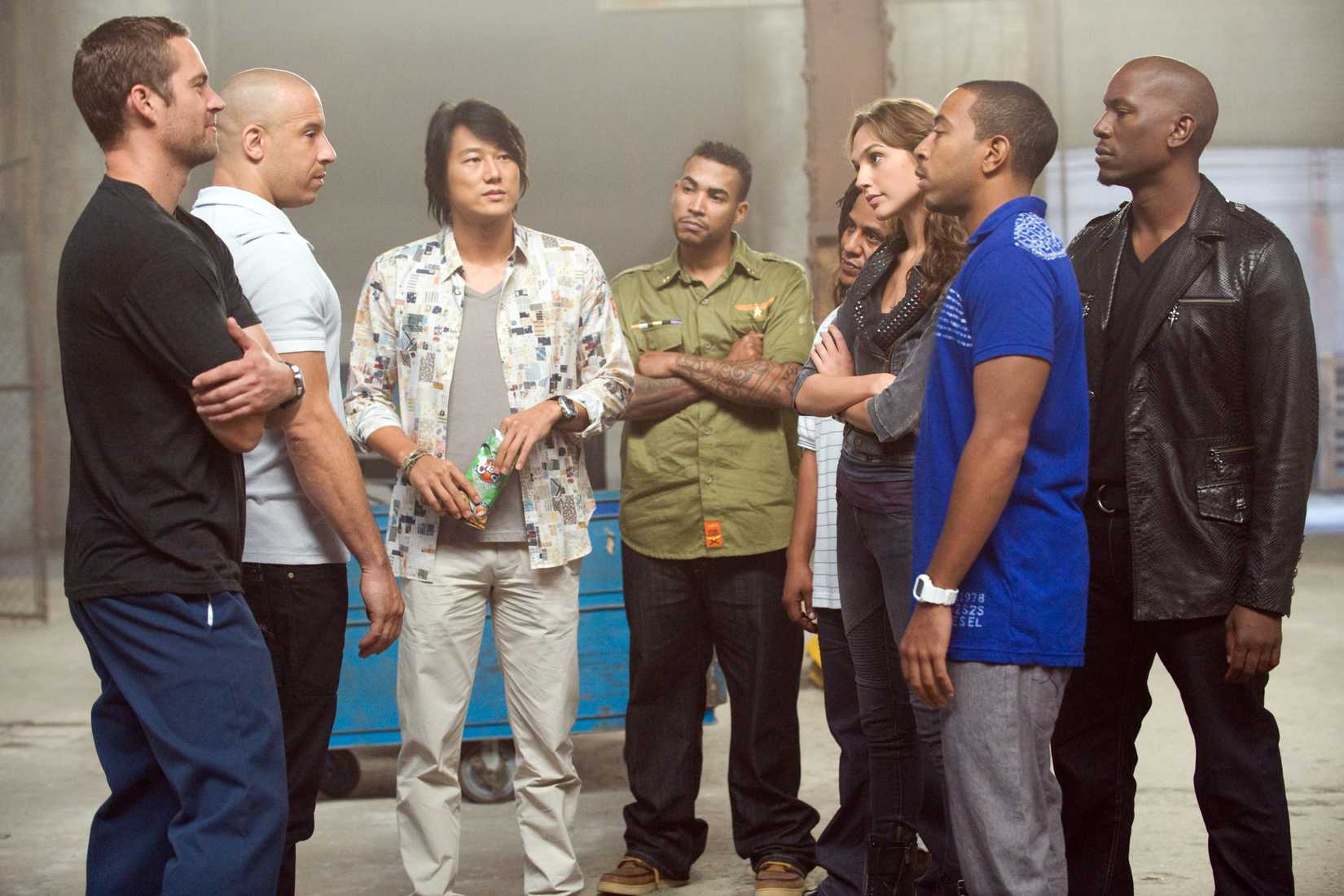
When The Fast and the Furious debuted in 2001 under the direction of Rob Cohen, it was essentially Point Break with nitrous oxide. Vin Diesel’s Dominic Toretto was an underground crime boss and neighborhood protector, while Paul Walker’s Brian O’Conner was an undercover LAPD officer trying to bust him. The narrative stakes were intimate: chop shops, DVD player heists, and quarter-mile races in Southern California.
The immediate sequels—2 Fast 2 Furious (2003) and The Fast and the Furious: Tokyo Drift (2006)—tested the waters of franchise expansion by dropping Diesel entirely (initially) and moving the geography to Miami and Tokyo. While vibrant, these entries lacked the core emotional anchor. Street racing, while visually kinetic, had a finite narrative ceiling. By the time Fast & Furious (2009) brought the original core cast back together, the street-racing motif felt tired, repetitive, and creatively exhausted. The franchise was spinning its wheels.

Phase Two: The Golden Era and the Heist Pivot (2011)
Enter Fast Five. Directed by Justin Lin, the 2011 blockbuster threw out the rulebook. Recognizing that underground street racing had run its course, Lin and writer Chris Morgan pivoted the property into a high-octane global heist film.
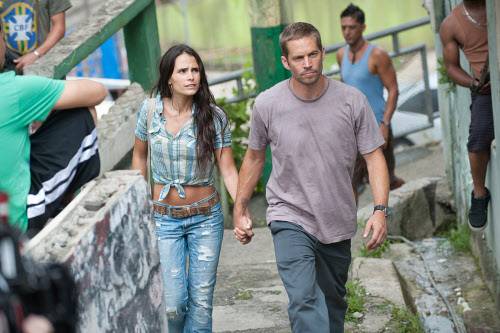
Set primarily in the sun-drenched, chaotic sprawl of Rio de Janeiro, Fast Five positioned Dom, Brian, and a newly assembled crew of fan-favorite characters from across the previous four films as outlaws on the run. Framed for the murder of DEA agents by a ruthless corrupt businessman named Hernan Reyes, the crew decides to strike back by stealing $100 million in illicit cash. At the same time, they are hunted down by an unyielding Diplomatic Security Service (DSS) agent, Luke Hobbs, played with ferocious, muscle-bound intensity by Dwayne "The Rock" Johnson.
Fast Five worked because it found a miraculous narrative sweet spot. It retained the anti-authoritarian, blue-collar outlaw ethos of the early films, but scaled up the stakes into a grand-scale heist narrative. It offered a clear, morally uncomplicated conflict: heroes stealing from a genuinely evil billionaire while dodging a lawman who eventually realizes he’s backing the wrong side.
Phase Three: The Super-Spy Evolution (2013–Present)
Following the massive critical and commercial success of Fast Five, Universal Pictures leaned heavily into the action-spectacle escalation. The subsequent films (Fast & Furious 6, Furious 7, The Fate of the Furious, F9, and Fast X) transformed Dom’s crew into a shadowy, government-sanctioned black-ops super-spy squad.
While these later films delivered immense box office returns and thrilling set pieces, they drifted further away from the gritty, grounded realism that made audiences fall in love with the characters in the first place. The peak of this absurdity arrived in F9, when Tej Parker and Roman Pearce literally drove a modified Pontiac Fiero into outer space. The stakes became so cosmic and weightless that the emotional resonance of "family" occasionally threatened to curdle into self-parody.
Supporting Context & Metrics: The Box-Office and Practical Magic
The quantitative trajectory of the Fast & Furious franchise underscores how Fast Five served as the vital pivot point for its financial explosion.
| Metric / Milestone | The Fast and the Furious (2001) | Fast Five (2011) | Furious 7 (2015) | Fast X (2023) |
|---|---|---|---|---|
| Global Box Office | ~$207 Million | ~$626 Million | ~$1.515 Billion | ~$714 Million |
| Production Budget | $38 Million | $125 Million | $190 Million | $340 Million |
| Primary Genre | Street Racing / Crime | Global Heist / Action | Action / Espionage | Global Blockbuster / VFX |
| Critical Reception (Rotten Tomatoes) | 54% | 78% | 81% | 56% |
As illustrated by the data, Fast Five nearly tripled the box office of the original film while sharply elevating critical approval. It proved that audiences were willing to follow these characters outside the confines of street racing into grand cinematic spectacles.
Crucially, Fast Five achieved its breathtaking set pieces through a heavy reliance on practical effects. The film’s iconic climax—in which Dom and Brian drag a massive, multi-ton bank vault through the streets of Rio de Janeiro behind two Dodge Chargers—was executed using a physical, drivable vault built on a chassis, dragging and smashing through real city blocks (doubled by Puerto Rico). While computer-generated imagery (CGI) was utilized to clean up wires and enhance backgrounds, the visceral weight of crushed police cruisers and snapping streetlamps was real.
As later installments abandoned practical stunts in favor of weightless, wall-to-wall CGI (culminating in the aforementioned space-travel sequence), the action lost its physical danger. Viewers stopped feeling the asphalt beneath the tires and started feeling the green-screen hum of a digital rendering farm.
Official Statements and Creative Friction
The ongoing debate over the direction of the franchise is not merely academic; it is highlighted by public statements from the films’ principal architects, particularly Vin Diesel.
In recent interviews and social media posts outlining his vision for the final mainline film—tentatively referred to as the conclusion of the core saga—Diesel has laid out three core demands for the finale:
- A return to the franchise’s geographical roots in Los Angeles.
- A return to underground street racing.
- A cinematic reunion between Dominic Toretto and Brian O’Conner.
While Diesel’s nostalgic impulses are understandable from a sentimental standpoint, they directly contradict the evolutionary lessons of the franchise’s most successful era. Industry analysts and pop culture critics have pointed out the glaring flaws in Diesel’s blueprint:
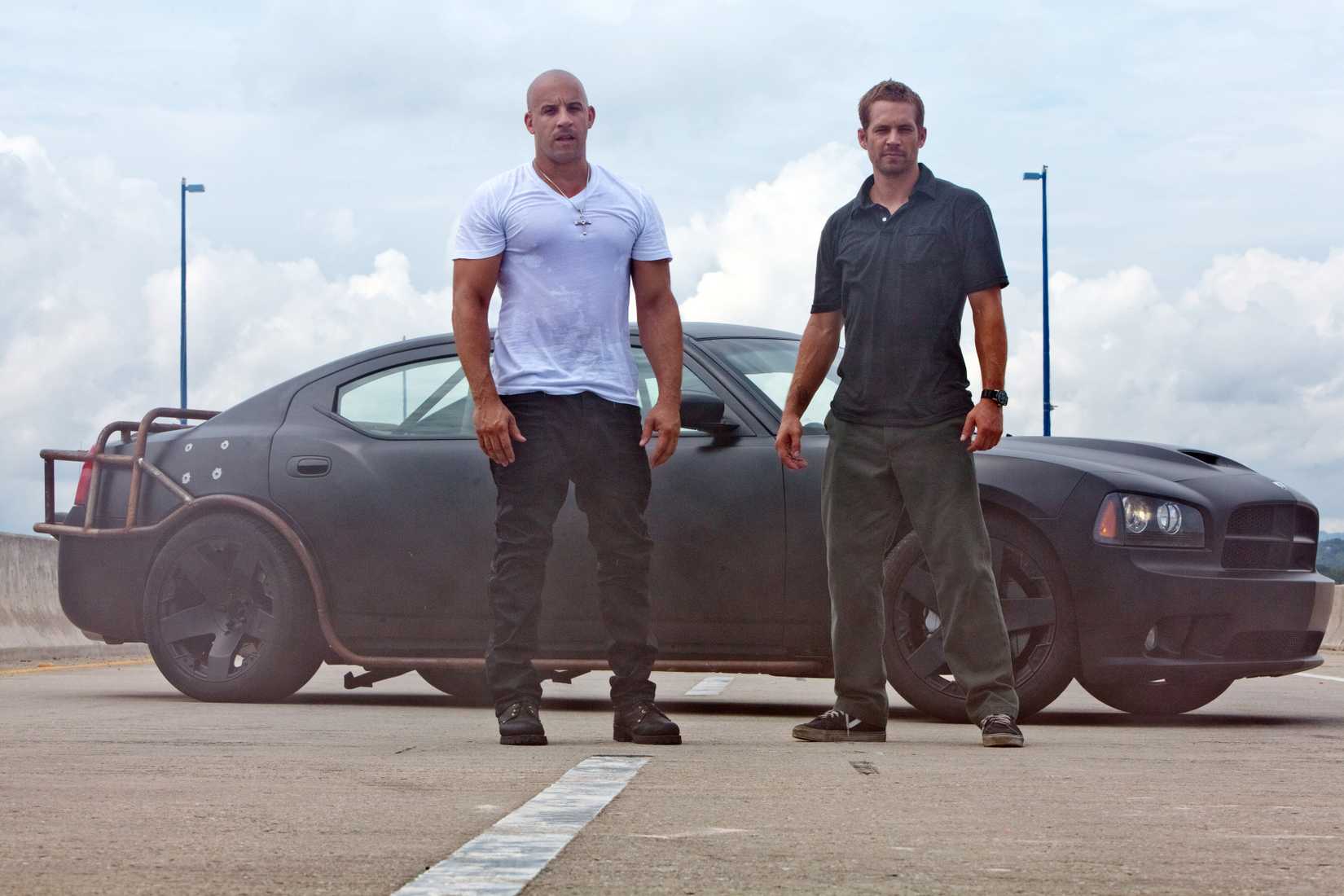
- The Street-Racing Trap: Street racing was abandoned by the fourth and fifth films precisely because it offered narrative limitations. Trying to sustain a $300-million global blockbuster on drag races down Whittier Boulevard ignores why the audience expanded tenfold after Fast Five.
- The Ethical Dilemma of Resurrecting Brian O’Conner: Following the tragic death of Paul Walker mid-production on Furious 7, director James Wan and the visual effects team orchestrated a brilliant, emotionally resonant farewell using body doubles (including Walker’s brothers, Caleb and Cody) and tasteful CGI. To bring Brian back physically for another full feature-length adventure—whether through advanced digital resurrection or recasting—threatens to undo the poetic, bittersweet grace of Furious 7‘s final scene. As many critics have noted, it risks crossing into territory that feels exploitative and disrespectful to Walker’s legacy.
Future Outlook: What the Final Film Must Learn from Fast Five
As Universal Pictures prepares to close the book on the main Fast & Furious timeline with its upcoming finale, the production team faces a crossroads. They can either pander to the uncurbed, backward-looking whims of their leading man, or they can lean into the structural discipline that made Fast Five a masterclass in modern action cinema.
A truly great Fast & Furious finale does not need street racing; it needs stakes. It does not need a digitally reanimated Paul Walker; it needs to honor his memory by focusing on the brotherhood and surrogate family he helped build. And above all, it needs to remember that the best action sequences in cinema history are grounded in real, physical danger—the screech of rubber, the smell of burning rubber, and the heavy thud of metal meeting metal.
If Vin Diesel and the studio executives can look past their own mythology and study what made Fast Five hum with such effortless energy, the end of the road might just recapture the magic of the open highway. Until then, fans will continue to re-watch the Rio vault heist, wondering why Hollywood so often forgets the simple formula: great characters, a clear enemy, real stunts, and, above all else, family.