Executive Overview
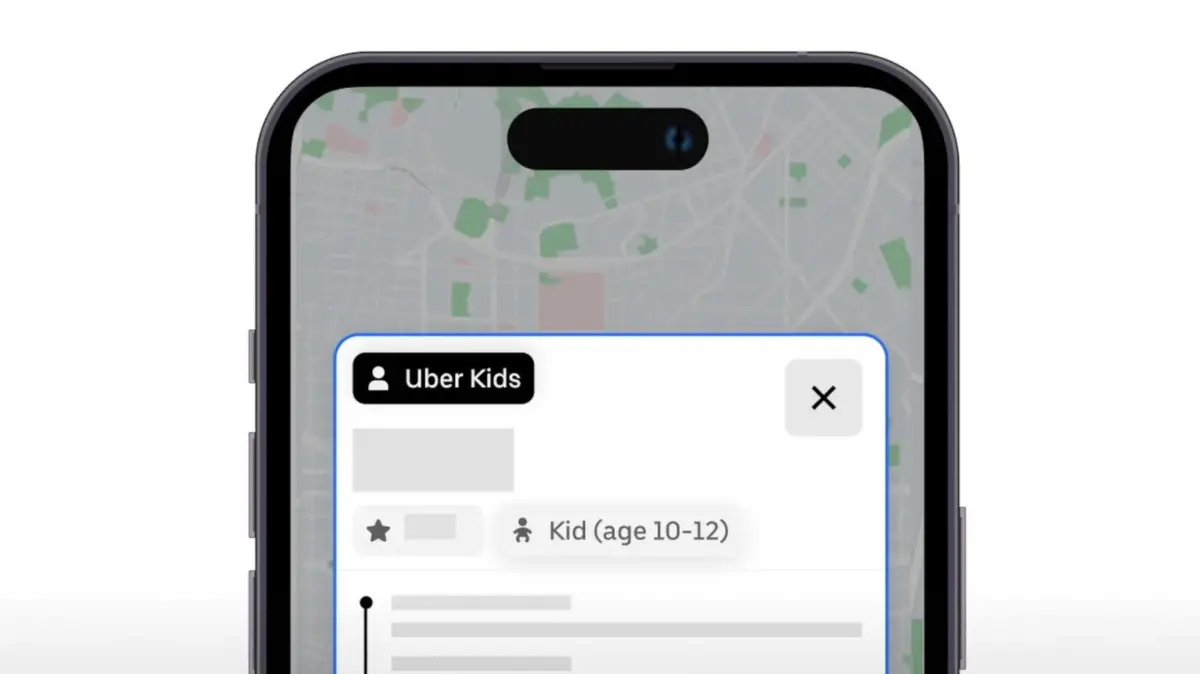
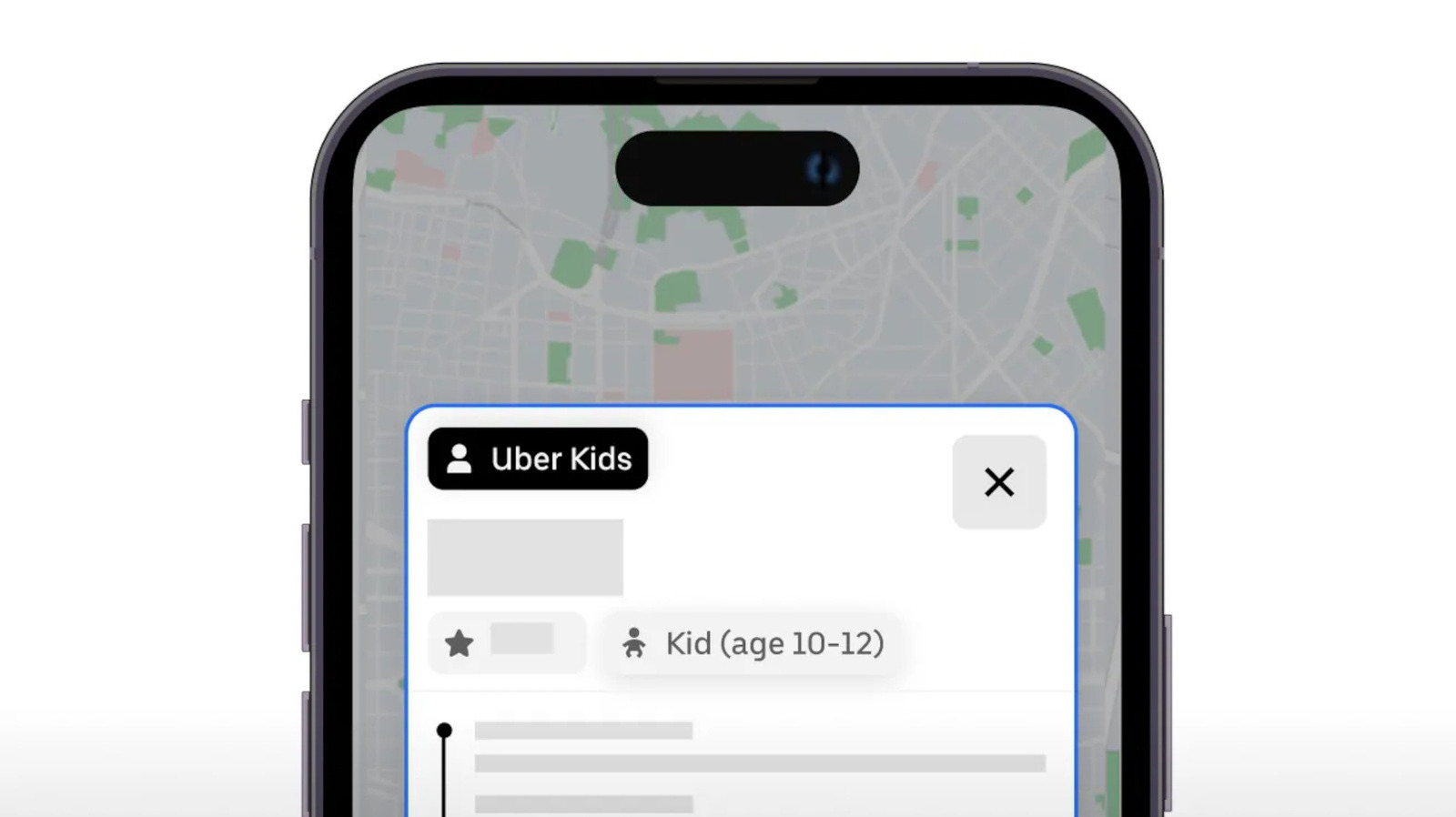
In an aggressive push to capture the family logistics market, ride-hailing giant Uber has quietly rolled out a specialized pilot program dubbed Uber Kids. Designed to bridge a critical gap in urban and suburban transportation, the service allows parents and legal guardians to book, track, and monitor dedicated rides for children aged 10 to 12.
The service has stealthily debuted across three initial test markets: Austin, Texas; Nashville, Tennessee; and Madison, Wisconsin. This limited pilot represents a logical extension of Uber’s existing family-oriented infrastructure—most notably the successful Uber for Teens program—yet introduces distinct operational safeguards tailored specifically to a younger demographic.
Unlike its predecessor, which allows teenagers aged 13 to 17 to manage their own ride bookings under a parental oversight umbrella, Uber Kids places total logistical control exclusively in the hands of the adults. Parents must book the trip, be physically present at the point of pickup, and ensure safety parameters are met before the vehicle departs.
To alleviate anxieties surrounding child safety in the ridesharing economy, Uber has instituted a multi-layered security framework. This includes vetting only top-tier, highly rated drivers, mandating specialized safety education courses, providing robust financial incentives for participating motorists, and deploying real-time video surveillance streaming directly to the parent’s smartphone.
While the initiative promises immense relief for time-strapped dual-income households and single parents juggling career and domestic schedules, it simultaneously re-ignites complex public debates regarding child privacy, algorithmic accountability, and the corporate outsourcing of youth transit. As this pilot program unfolds in its three trial markets, industry analysts and child safety advocates alike are closely monitoring its operational execution to determine whether Uber Kids will become a permanent fixture of modern urban mobility or remain a cautious experiment.
Detailed Chronology: From Concept to Quiet Deployment
The genesis of Uber Kids did not happen in a vacuum; rather, it is the culmination of years of calculated market positioning and technological refinement aimed at capturing the lucrative household demographic.
The Evolution of Family-Centric Mobility
For over a decade, ridesharing companies maintained a strict standard policy: passengers under the age of 18 were prohibited from riding unaccompanied. This policy forced parents into a logistical bind, often choosing between traditional carpooling, unreliable youth transit services, or abandoning job opportunities to manage afternoon school pickups and extracurricular drop-offs.
The shift began in earnest with the nationwide rollout of Uber for Teens, a program engineered to grant autonomy to adolescents while offering parents digital oversight tools like PIN verification, live trip tracking, and audio recording. However, the 13-to-17 age bracket left a glaring vulnerability in the market: pre-teens aged 10 to 12. Too old for traditional daycare or babysitting services yet too young legally and developmentally to navigate autonomous ridesharing applications, these children occupied a logistical "dead zone."
The Rollout Phase (Late 2025 – Early 2026)
Over the past several weeks, Uber initiated a quiet, under-the-radar deployment of Uber Kids in three distinct geographical and cultural landscapes:
- Austin, Texas: A sprawling, tech-centric metropolitan hub characterized by heavy commuter traffic and a young, digitally native demographic.
- Nashville, Tennessee: A rapidly growing mid-sized city with sprawling suburban neighborhoods, making family logistics a daily headache for working parents.
- Madison, Wisconsin: A progressive, university-anchored city offering a unique testing ground for regulatory reception and dense urban-suburban transit dynamics.
According to initial reports from technology journalism outlets like TechCrunch, the launch was deliberately muted to allow Uber’s engineering and safety compliance teams to stress-test the operational architecture without the immediate glare of global media attention. During this soft launch phase, the company evaluated driver uptake, app stability, and the mechanical efficiency of parent-to-driver handoffs at pickup locations.
Operational Mechanics: How Uber Kids Works
The architecture of Uber Kids is intentionally rigid, prioritizing control and verification over the flexible spontaneity characteristic of standard adult ridesharing.
Booking and Pickup Protocols
The entire lifecycle of an Uber Kids trip is anchored by the adult guardian:
- Exclusive Adult Booking: Children cannot open an Uber app and request a ride. All bookings must originate from a parent or guardian’s verified account.
- Mandatory Presence at Pickup: The adult booking the ride must be physically present at the initial pickup location to hand off the child to the driver. This prevents situations where a child might wander outside unsupervised or board the wrong vehicle.
- Single Destination Constraint: Unlike multi-stop errands common with adult accounts, Uber Kids trips are strictly point-to-point. Multi-stop routing is entirely disabled to minimize route deviation risks.
- Group Ridership Rules: Guardians themselves are permitted to accompany the child on the trip. Additionally, multiple minors may ride together, provided they have explicit permission from their respective parents or legal guardians.
Driver Vetting and Quality Control
Recognizing that transporting pre-teens introduces heightened liability, Uber has established a stringent filtering process for drivers:
- Invitation-Only Access: Uber Kids ride requests are not broadcasted to the entire driver pool. Only drivers with exceptional historical ratings and clean safety records are invited to opt into the program.
- Mandatory Educational Modules: Interested drivers must complete a specialized training course addressing child passenger psychology, de-escalation techniques, and precise protocol adherence.
- Hardware Compliance: Drivers must enable continuous audio and video recording capabilities through their app and grant necessary camera and microphone permissions to facilitate parental monitoring.
Supporting Context & Metrics: Safety, Incentives, and Economics
Behind the consumer-facing convenience of Uber Kids lies a complex economic and technological balancing act designed to incentivize drivers while assuring parents of absolute security.
The Economics of Trust: Driver Compensation
Transporting pre-teens requires significantly more patience, accountability, and technical compliance than a standard adult fare. To secure driver buy-in, Uber has structured an aggressive compensation package:
- The Premium Rate: Drivers participating in Uber Kids receive an additional $7.00 per trip compared to standard UberX fares.
- Onboarding Bonuses: To jumpstart driver adoption in the three pilot cities, Uber is offering a $20.00 bonus for the first completed Uber Kids trip.
This financial calibration is critical. Industry insiders note that without substantial financial incentives, many high-rated drivers might opt out of the administrative and privacy complexities associated with transporting minors.
Technological Safeguards and Live Video Feeds
The crown jewel of the Uber Kids safety suite is its real-time monitoring infrastructure. Building upon safety features previously introduced in the teen rides program, parents can access a live video feed streamed directly from the driver’s cabin camera.
- Privacy and Consent Parameters: Uber emphasizes that the live video stream is strictly restricted. Only the child’s designated guardian and authorized corporate safety agents can access the real-time feed.
- Automated Notifications: The driver’s app provides a clear audio-visual notification the moment a guardian initiates a live video check-in.
- Data Encryption: All video and audio streams are heavily encrypted to prevent unauthorized interception or third-party data harvesting.
Official Statements and Industry Perspectives
The announcement of Uber Kids has generated nuanced reactions across the technology sector, child advocacy groups, and the ridesharing community.
Corporate Strategy
Uber executives position the service as a natural evolution of urban family infrastructure. In internal briefings and statements provided to media partners, the company has framed Uber Kids as a direct response to the modern pressures facing working parents.
"Families today navigate impossibly complex schedules, balancing careers, schools, and extracurricular activities across sprawling urban landscapes," noted an operational representative familiar with the pilot. "Uber Kids is designed to provide a secure, transparent, and reliable mobility bridge, ensuring parents maintain absolute oversight while granting children dependable transit."
Privacy and Safety Advocates
While the inclusion of live video feeds and mandatory driver vetting has been praised as a proactive step, digital privacy advocates have raised cautious questions. The deployment of in-cabin cameras monitoring minors—even with parental consent—stokes ongoing conversations regarding surveillance capitalism, data retention policies, and the potential misuse of biometric or visual data by corporate entities.
Child safety organizations have offered a balanced appraisal. Many acknowledge that vetted rideshare options are often safer and more trackable than traditional school carpools or informal transit arrangements. However, they emphasize that technology cannot completely replace human diligence, urging Uber to maintain rigorous oversight of driver ratings and incident response protocols throughout the pilot phase.
Future Outlook: Will Uber Kids Scale Globally?
The ultimate fate of Uber Kids hinges entirely on the quantitative and qualitative data gathered during the ongoing pilot programs in Austin, Nashville, and Madison.
Metrics for Success
Uber’s executive board will be evaluating several key performance indicators before deciding whether to expand the program:
- Safety Incidents: The absolute minimization—ideally the complete absence—of safety complaints, navigational errors, or behavioral conflicts between drivers and young passengers.
- Driver Retention and Supply: Whether the $7 premium is sustainable for Uber’s profit margins while maintaining an adequate supply of participating drivers to meet fluctuating demand curves.
- Parental Satisfaction Scores: Net promoter scores (NPS) and qualitative feedback detailing how effectively the app reduces parental anxiety during transit windows.
Potential Roadblocks to Expansion
If Uber seeks to scale the program nationally or internationally, it will inevitably run into a patchwork of municipal and federal regulatory frameworks. Different states and countries maintain vastly divergent legal statutes regarding the transportation of minors in for-hire vehicles. In some jurisdictions, statutory definitions of child custody, passenger liability, and mandatory booster seat requirements could severely complicate automated ridesharing deployment.
Furthermore, public sentiment remains sensitive. Any high-profile security breach or technical failure during this pilot phase could permanently stall the initiative, reinforcing public skepticism regarding corporate oversight of vulnerable populations.
Conclusion
Uber Kids represents a bold, high-stakes gamble into the specialized realm of family logistics. By addressing the critical pre-teen transit gap through a blend of premium driver compensation, stringent vetting, and real-time video surveillance, Uber is attempting to rewrite the rules of modern urban mobility. Whether this limited pilot matures into a global standard or remains a localized experiment will depend on its execution over the coming months—serving as a bellwether for the intersection of convenience, technology, and child safety in the twenty-first century.