
In the ever-shifting landscape of independent PC gaming, the pendulum has decisively swung away from grueling, multi-hundred-hour live-service commitments and back toward the chaotic, low-stakes charm of bite-sized cooperative experiences. For players weaned on the cooperative drought of the 1990s and early 2000s—an era defined by split-screen compromises and localized LAN parties—the current renaissance of cheap, cheerful, and unabashedly silly multiplayer games is a revelation. Titles like Peak and R.E.P.O. have successfully captured a global audience by prioritizing disposable, uninhibited fun over endless progression loops.
The latest title to emerge from the tumultuous depths of Valve’s Steam algorithm to capture the public imagination is How to Fish, developed as a 1-to-4 player physics-based simulator that treats the meditative sport of angling with absolute, unadulterated disrespect.
Stranded on a barren, rocky islet following a disastrous, alcohol-fueled maritime accident, players must claw their way from absolute destitution to maritime dominance. What begins as a desperate struggle involving the manual plucking of meager shore-side clams quickly escalates into a frantic, chaotic loop of marine-life subjugation, gun-toting aquatic warfare, and high-stakes seaside gambling. While the game delivers an exceptional cooperative sandbox, it arrives amidst growing community discussions regarding backend security and drop-in networking quirks. Nevertheless, priced at an introductory discount of $5 (£4) until August 27, How to Fish has firmly established itself as the summer’s most preposterous multiplayer obsession.
Detailed Chronology
The genesis of How to Fish mirrors the unpredictable nature of modern indie game discovery. Conceptualized as a physics-driven playground rather than a strict survival simulator, the title quietly materialized on Steam storefronts, bypassing traditional months-long marketing campaigns in favor of organic, viral spread across social media and streaming platforms.
Phase One: The Shipwreck and Subsistence
The experience begins abruptly. Players awaken—virtually, and often with simulated hangovers—on a desolate rock formation after a fateful evening of overindulgence behind the helm. Bereft of gear, modern conveniences, or basic provisions, the opening minutes of How to Fish establish its deadpan comedic tone. Survival is initially agonizingly manual: players must scurry across jagged shorelines to pick clams off slippery rocks.
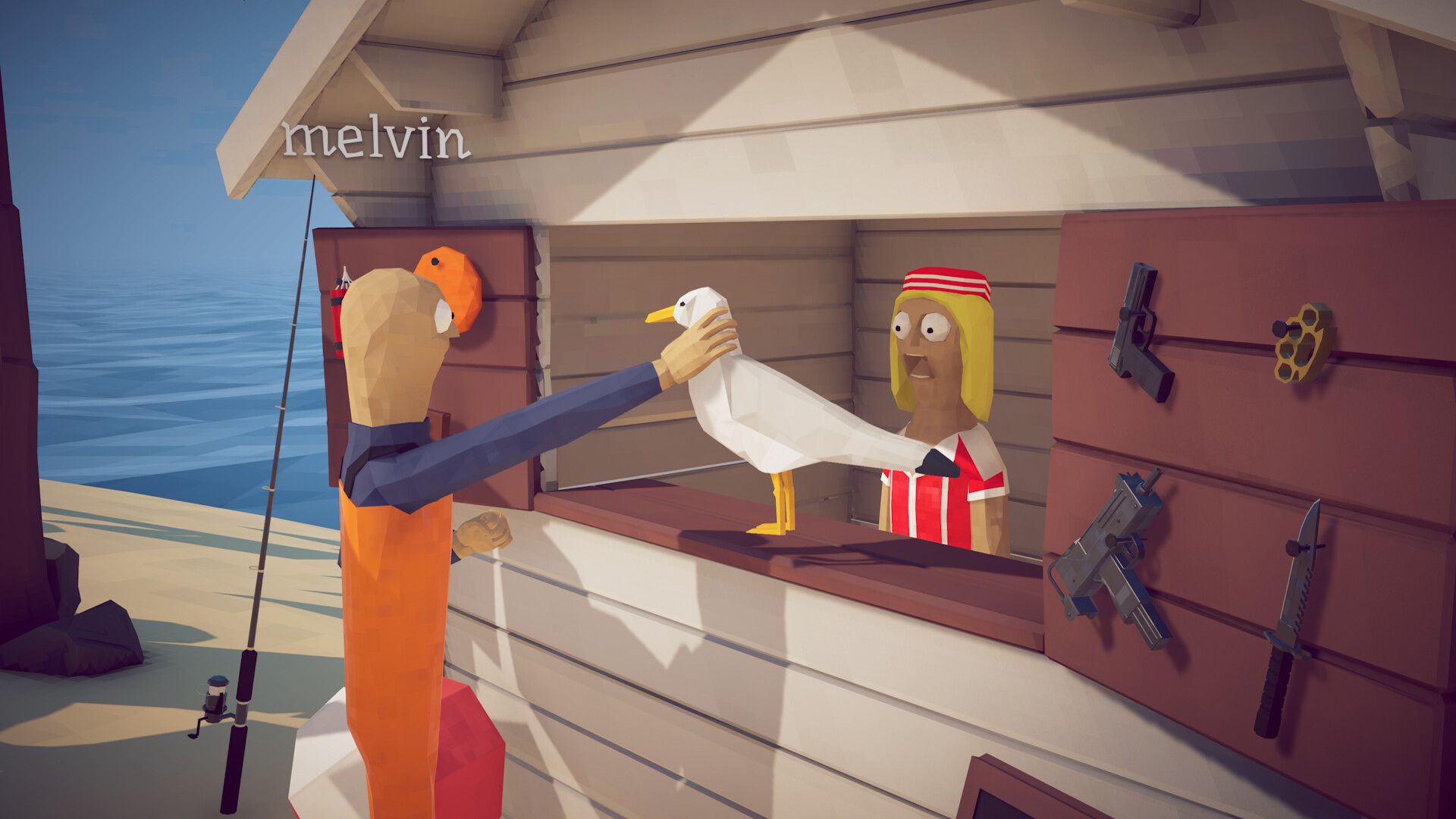
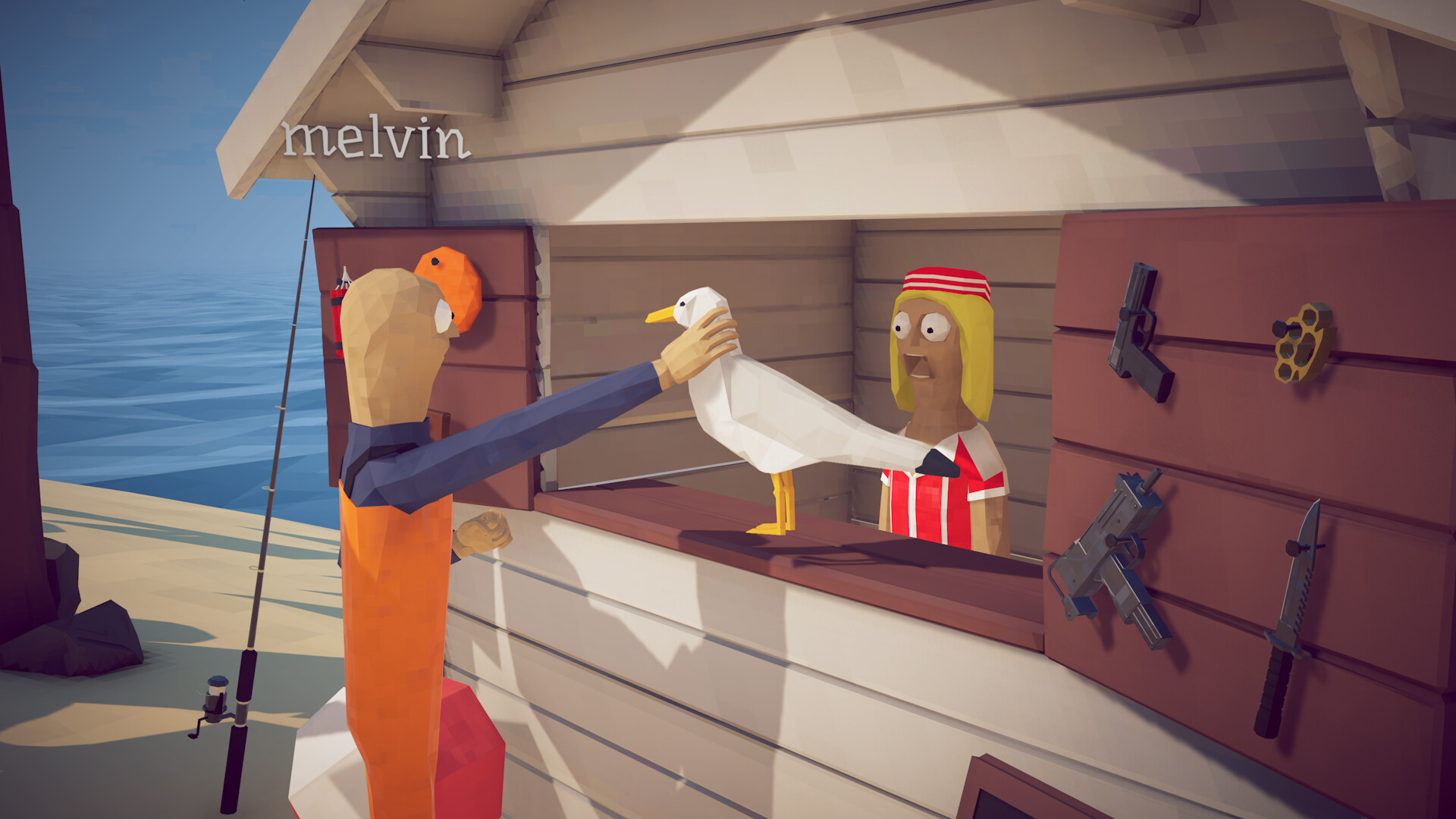
These mollusks serve a dual, quintessential purpose in the game’s economy. Players can consume them to stave off the digital void, or they can engage in the title’s brilliantly unorthodox currency exchange system: physically shoving the clams into the mouth of a weathered, stoic local seadog to secure raw cash. This unorthodox merchant interaction sets the mechanical precedent for everything that follows—nothing in How to Fish is handled with standard video game decorum.
Phase Two: Escalation and Arsenal Expansion
Once a modest capital of clam-cash has been amassed, players can invest in their first legitimate tools of the trade: a rudimentary fishing rod. However, the act of fishing is merely the catalyst for the game’s true mechanical identity.
In traditional titles, a caught fish enters an inventory screen with quiet dignity. In How to Fish, marine life retains its agency upon landing. Sharks, crabs, and erratic saltwater species flop, scuttle, and writhe across the rocks, actively resisting capture. Lacking sophisticated gear at the outset, players are forced to rely on their bare fists to pummel erratic aquatic creatures into submission.
As the economic loop matures, the violence escalates exponentially. Hard-earned cash funds trips to local vendors or illicit black-market operators, unlocking an increasingly absurd arsenal. Players transition from blunt force to cold steel, purchasing knives, heavy-duty brass knuckles, and eventually, fully functional firearms. The gameplay loop transforms from a peaceful pastime into a frantic, skyward shooting gallery, reminiscent of cult-classic mobile hits like Ridiculous Fishing, where marine specimens are launched into the air only to be shredded by ballistic gunfire.
Phase Three: Expansion, Quests, and Casinos
Beyond the immediate survival and combat loops, How to Fish introduces structural layers designed to extend player engagement. Exploration is not limited to the starting islet; a sprawling chain of interconnected islands beckons daring groups. These remote locales harbor significantly larger, deadlier fauna, including apex predators like sharks and formidable king crabs that demand coordinated tactical assaults.
To facilitate this progression, the developers populated the archipelago with eccentric non-player characters (NPCs) who issue eccentric quests and challenges. When players tire of hunting marine life with artillery, they can divert their funds to rudimentary island casinos, testing their luck on physics-enabled slot machines and roulette wheels. This integration of risk-and-reward gambling introduces an extra layer of cooperative betrayal, as hard-earned profits are routinely squandered on rigged digital odds.
Supporting Context & Metrics
The release of How to Fish occurs within a broader macroeconomic and cultural shift in the video games industry. As AAA live-service titles face mounting player fatigue, ballooning development budgets, and closure rates that leave communities empty-handed, consumer preference has noticeably fractured toward micro-budget, high-concept indie projects.
- Pricing Strategy: Positioned at a standard base price of $8 (£6.40), How to Fish leverages the psychological sweet spot of impulse-buy pricing. The introductory promotion, reducing the barrier to entry to $5 (£4), successfully spurred rapid adoption and word-of-mouth visibility on community-driven platforms like Reddit and Discord.
- Player Composition: While architected primarily for cooperative playgroups of up to four users, the game supports solo deployment. However, telemetry and community sentiment indicate that over 85% of active sessions involve multiplayer configurations, where emergent physics bugs and accidental friendly fire amplify the comedic value.
- Algorithmic Velocity: The title’s ascent up Steam’s visibility charts highlights the ongoing power of physics-based sandbox design. Much like Phasmophobia, Lethal Company, or Content Warning, How to Fish relies heavily on the "streamer-friendly" multiplier—games designed to generate unpredictable, highly shareable clips on platforms like Twitch and TikTok.
Official Statements & Community Feedback
While the critical reception on Steam has leaned predominantly positive, community hubs have been vocal regarding both the triumphs and technical teething issues of the launch.
The Developer Vision
Speaking anonymously through community updates, the development team has emphasized that How to Fish was born out of a desire to reject hyper-polished, joyless optimization. "We didn’t want to build a spreadsheet simulator with a fishing rod icon," notes developer commentary on community boards. "We wanted to capture that specific, unstructured energy of being trapped on a rock with your mates, doing something completely pointless, and laughing until your ribs hurt."
Community Sentiment and Security Concerns
Despite widespread praise for its comedic timing and physics engine, early adopters have raised valid technical concerns. Prominent Steam reviews have highlighted potential backend security vulnerabilities within the game’s netcode. Several players reported instances of uninvited external users dropping directly into active sessions without authorization, occasionally disrupting gameplay or manipulating physics objects.
While the developers have promised hotfixes to address lobby permissions and backend stability, prospective buyers—particularly those playing in public lobbies—are advised to utilize invite-only session settings until comprehensive security patches are deployed.
Future Outlook
As How to Fish navigates its critical post-launch window leading up to the conclusion of its introductory discount on August 27, its long-term viability hinges on two critical factors: technical remediation and content expansion.
- Netcode and Stability: The immediate priority for the development team must be tightening lobby security and resolving physics synchronization errors. In physics-heavy cooperative sandboxes, desync issues can quickly devolve from amusing anomalies into session-breaking frustrations.
- Content Longevity: While the core loop of punching fish, shooting seagulls, and gambling on roulette wheels offers immense initial value, micro-budget titles often struggle with retention once the novelty of their shock humor fades. Introducing new biomes, advanced weaponry, and more intricate cooperative questlines will be essential to sustain the player base beyond the initial viral wave.
Ultimately, How to Fish stands as a triumphant reminder that video games do not always need to revolutionize the medium or demand endless dedication to be worthwhile. Sometimes, success is found simply in handing four friends a couple of shotguns, stranding them on a rock, and letting nature—and physics—take its absurd course.