Executive Overview
In a strategic recalibration that underscores the rapidly shifting priorities of the consumer technology landscape, Apple has reportedly laid off more than 200 employees across its high-profile Vision Pro and Siri software divisions. According to industry reports, the workforce reduction is evenly split, with approximately 100 positions eliminated from the spatial computing division and another 100 from Siri and related software engineering teams.
This restructuring is not merely a routine cost-cutting exercise; it represents a fundamental pivot in Apple’s product roadmap. The Cupertino-based giant is actively reallocating resources away from niche, high-cost hardware and legacy software systems toward next-generation artificial intelligence architecture and lightweight, Meta-style augmented reality (AR) smart glasses.
While the Vision Pro and its accompanying visionOS operating system have not been entirely abandoned, the scale of these layoffs reveals the mounting challenges Apple faces in monetizing ultra-premium mixed-reality hardware. As the industry accelerates toward ubiquitous, AI-driven personal devices, Apple’s internal reorganization highlights the difficult trade-offs required to maintain leadership in an era dominated by large language models (LLMs) and accessible generative computing.
Detailed Chronology: The Anatomy of a Strategic Shift
To fully understand the current round of layoffs, one must examine the cascading series of technical, financial, and personnel developments that have reshaped Apple’s hardware and software strategies over the past two years.
The Retreat from Premium Spatial Computing
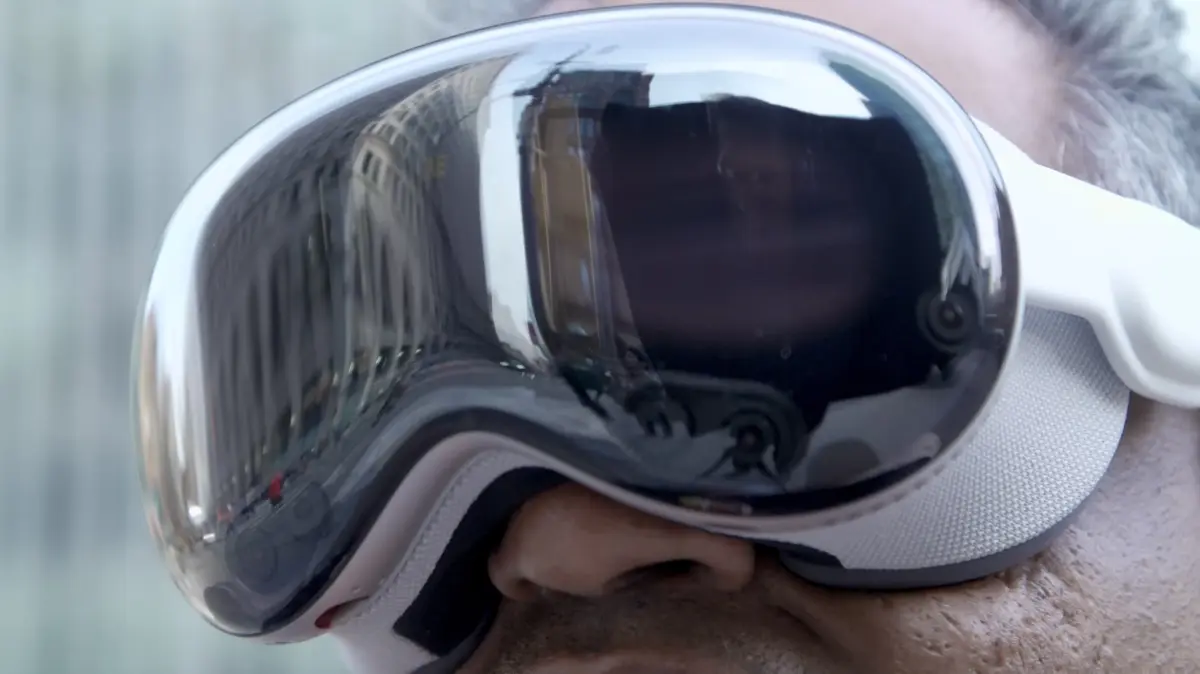
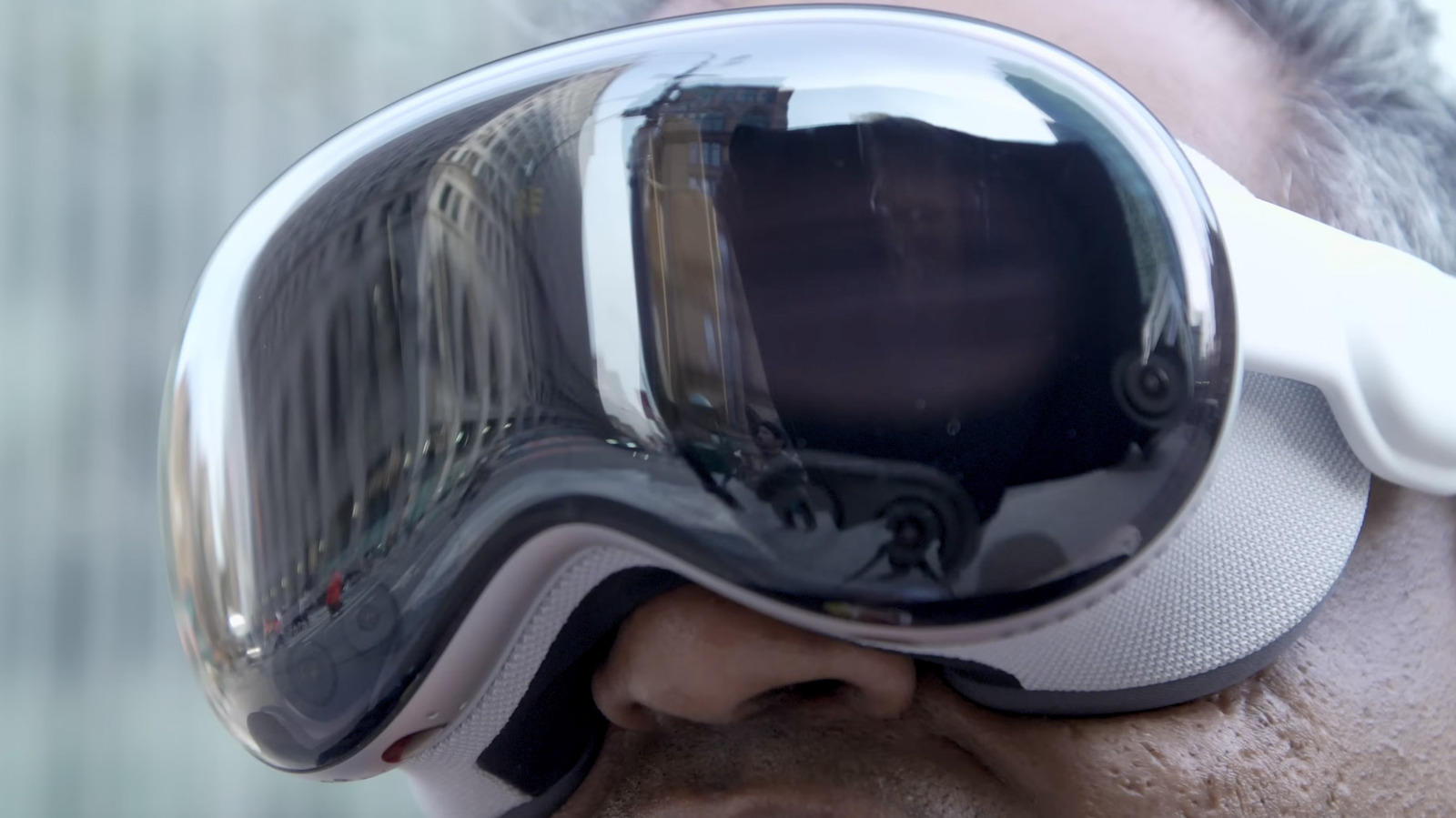
When Apple launched the Vision Pro at a staggering starting price of $3,699, company executives heralded it as the dawn of "spatial computing." However, the headset struggled to capture mainstream consumer interest due to its formidable price tag, heavy physical design, and a relative paucity of killer apps.
Despite heavy investments in custom immersive video content—shot with proprietary stereoscopic camera systems designed to transport viewers to concert front rows and sports events—Apple reportedly confronted the harsh economic reality of high production costs versus a constrained user base. Consequently, the latest layoffs within the Vision Pro division target specific sub-teams: specifically, those dedicated to gaming and high-end immersive video production.
Leadership Flight and Visionary Realignment
The internal turbulence within Apple’s spatial computing group has also manifested at the executive level. In recent months, key leadership departures have rattled the division, most notably the departure of a high-ranking Apple Vice President overseeing the Vision Pro who left the company to join OpenAI. This brain drain toward generative AI competitors signaled to industry observers that the center of gravity within Silicon Valley engineering circles had decisively shifted from immersive headsets to foundational AI models.
Following these departures, Apple reportedly began quietly reassigning engineering talent away from the Vision Pro project to bolster development on its heavily anticipated, lightweight AR smart glasses.
The Evolution of Siri: From Rule-Based Assistant to LLM Powerhouse
Parallel to the turbulence in spatial computing, Apple’s Siri division has undergone a generational upheaval. For years, the original Siri architecture—built upon rigid, rule-based request-matching systems—drew criticism for failing to keep pace with modern conversational AI.
The introduction of the overhauled, LLM-driven Siri AI ecosystem (unveiled alongside iOS 27) required an entirely different set of technical competencies. Engineers specializing in older voice-command frameworks became redundant, leading to the second half of the 200-person layoff wave. Apple’s management determined that future development required machine learning specialists capable of handling advanced natural language generation and on-device neural processing, rather than legacy maintenance teams.
Supporting Context & Metrics: The Economics of Apple’s Pivot
To contextualize the decision to trim over 200 jobs from multi-billion-dollar divisions, one must look at the macro-level metrics governing Apple’s current R&D strategy and hardware performance.
| Strategic Metric / Factor | Vision Pro Legacy Focus | New Strategic Focus (Smart Glasses & AI) |
|---|---|---|
| Primary Form Factor | Tethered/Standalone Mixed-Reality Headset (~$3,600+) | Lightweight, daily-wear AR Smart Glasses |
| Core Software Driver | visionOS with heavy emphasis on immersive 3D/VR media | iOS/macOS integrated LLM-based Siri & on-device AI |
| Content Production Costs | Extremely High (Proprietary 180-degree 8K spatial video) | Standardized multimodal data & app ecosystem |
| Target Addressable Market | Niche early adopters, enterprise, affluent enthusiasts | Mass consumer market seeking everyday utility |
| Competitor Landscape | Meta Quest, Sony PlayStation VR | Meta Ray-Ban smart glasses, Google/Samsung XR efforts |
The High Cost of Immersive Content
Producing immersive spatial video required custom camera rigs, specialized post-production workflows, and substantial financial backing from Apple. With the Vision Pro failing to achieve viral market penetration, the return on investment (ROI) for these expensive cinematic experiences plummeted. Apple’s leadership concluded that subsidizing high-end gaming studios and cinematic VR content creation was no longer justifiable against the backdrop of tighter operational scrutiny.
The Pivot to Meta-Style AI Glasses
Rumors first surfaced in late 2025 indicating that Apple had shelved immediate development on a direct successor to the first-generation Vision Pro, choosing instead to prioritize a form factor reminiscent of Meta’s successful smart glasses. Unlike fully enclosed headsets, lightweight smart glasses offer audio integration, computer vision, and contextual AI assistance without isolating the user from their physical environment. By cutting the fat from the Vision Pro gaming and video teams, Apple has freed up critical capital and engineering bandwidth to accelerate this lightweight hardware initiative.
Official Statements and Internal Communications
Facing media scrutiny following the leaks reported by Bloomberg, Apple confirmed that structural adjustments were underway, framing the layoffs as a necessary evolution of its product portfolio.
In an official statement provided to tech publications, a company spokesperson remarked:
"While we will create new roles as part of this change, it will also impact a limited number of existing roles. We are grateful to these team members for their contributions, and we are committed to supporting them throughout their transition, including opportunities to apply for other roles at Apple."
Internally, leadership sought to reassure remaining staff that spatial computing remains part of Apple’s long-term vision, even if the timeline and resource allocation have been modified. According to internal memos cited by industry analysts, Apple assured employees that visionOS and the underlying spatial computing platform are not being scrapped. Current roadmaps allegedly point toward a more refined, consumer-accessible Vision Pro model slated for release as early as 2028.
However, the immediate reality for the affected workers is stark. While Apple has opened internal channels for displaced engineers to apply for openings within its burgeoning generative AI and machine learning departments, the cultural shift within the company is palpable. The era of unchecked experimental spending on niche hardware categories has given way to a disciplined, AI-first financial strategy.
Future Outlook: What Lies Ahead for Apple’s Hardware and AI Ecosystem?
As the dust settles on this latest round of workforce reductions, the broader trajectory of Apple’s product pipeline comes into sharper focus. The company is navigating a delicate transition period, seeking to balance the maturation of its revolutionary software platforms with the reinvention of its hardware portfolio.
1. The Definitive Rise of Generative AI Integration
The elimination of legacy Siri engineering teams marks the definitive closure of an era for Apple’s voice assistant. With the deeper integration of advanced LLM capabilities across iOS, iPadOS, and macOS, Apple is placing its entire software reputation on conversational fluidity and context-aware intelligence. Moving forward, the success of Apple’s devices will depend less on raw hardware specifications and more on the seamless, predictive utility of its AI layer.
2. The Long Game for Spatial Computing
Despite downsizing the gaming and immersive video divisions, Apple is playing a multi-year game with spatial computing. By delaying a rushed iterative update to the Vision Pro and targeting a more mature hardware window around 2028, Apple is allowing supply chain efficiencies, micro-OLED panel costs, and battery technology to catch up with its ambitious design requirements. When a lower-cost spatial headset finally emerges, it will likely rely heavily on the shared AI advancements currently being cultivated by the restructured software teams.
3. The Battleground for Smart Glasses
The ultimate beneficiary of this corporate restructuring is expected to be Apple’s secret smart glasses initiative. As competitors like Meta aggressively capture market share with AI-powered, screenless eyewear, Apple cannot afford to cede the category. By redirecting top-tier engineering talent from the Vision Pro division toward lightweight AR projects, Apple is positioning itself to challenge rivals in a market segment projected to define consumer technology for the next decade.
Conclusion
Apple’s decision to cut over 200 jobs across its Vision Pro and Siri teams is a clear indicator that even the world’s most valuable technology companies are vulnerable to shifting market realities. By ruthlessly pruning underperforming ventures—such as expensive immersive video production and legacy voice architecture—Apple is marshalling its vast resources for the next great technological frontier. For consumers, the payoff will be measured in smarter AI assistants and, eventually, more practical, affordable augmented reality devices that integrate seamlessly into everyday life.