By the Tech & Hardware Desk
Published: August 26, 2026
Executive Overview
As the summer draws to a close, the technology sector’s attention fixes squarely on Cupertino. Apple is gearing up for one of its most ambitious autumn product cycles in recent memory. According to a sweeping new report from Bloomberg’s Mark Gurman, the tech giant is preparing a blockbuster hardware blitz that spans the entirety of its ecosystem.
Headlining the upcoming announcements is the widely anticipated September 9 product event, which is poised to showcase the company’s first-ever foldable iPhone, the cutting-edge iPhone 18 Pro lineup, and iterative updates to the Apple Watch portfolio, including a striking ceramic-case option for the Series 12 models.
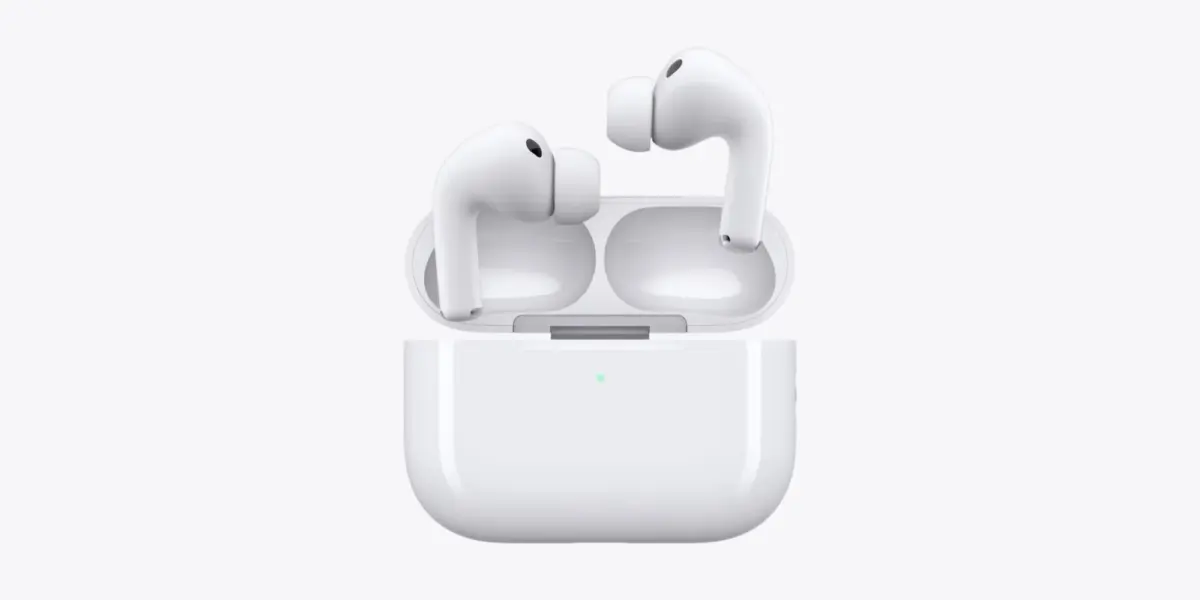
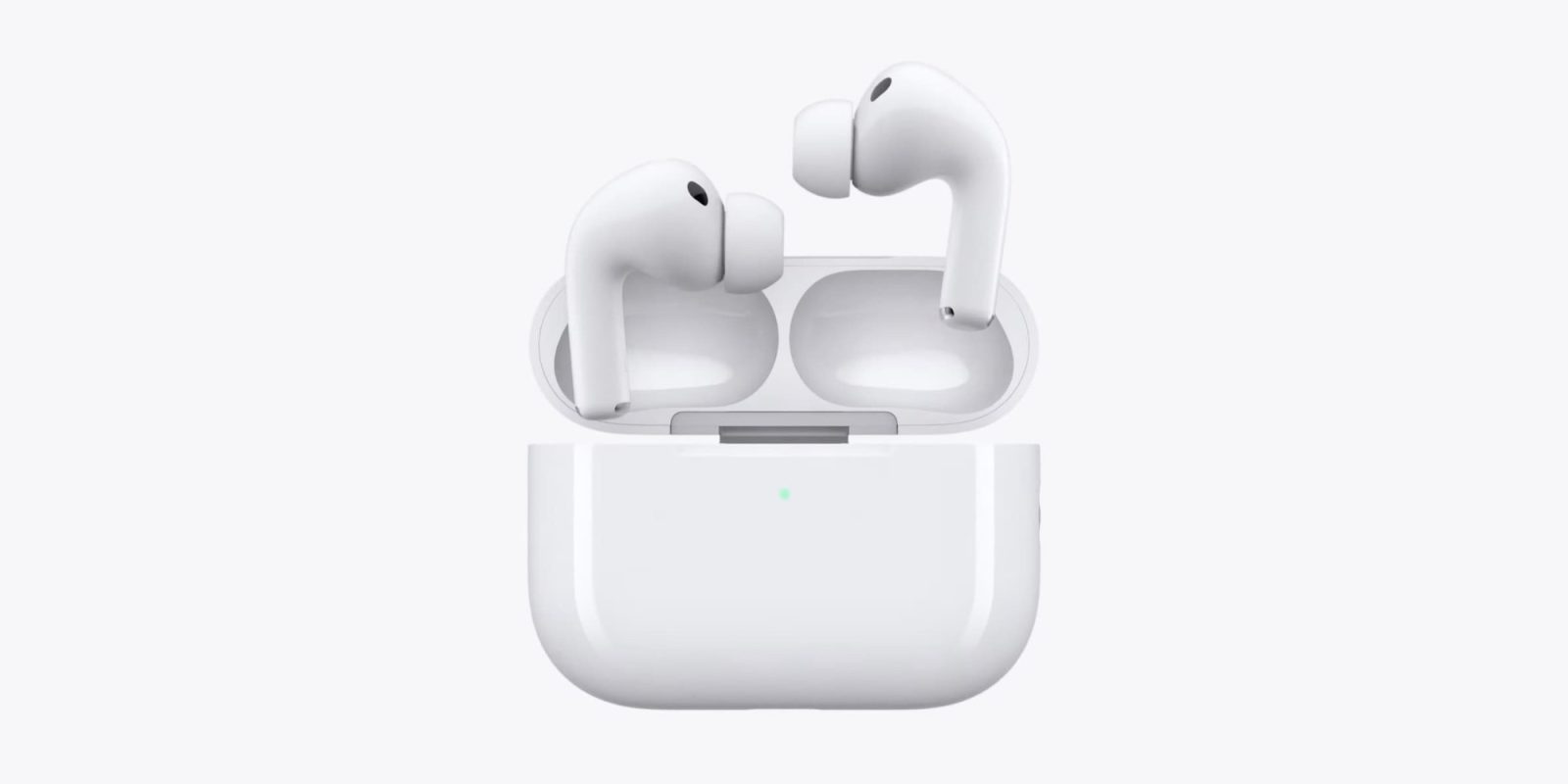
However, amidst the high-profile iPhone and wearable refreshes, audio enthusiasts have fresh cause for excitement. Apple is reportedly readying the debut of the AirPods 5, marking the first major update to its entry-level earbuds since 2024. Breaking from previous product segmentation strategies, the upcoming generation will launch in both standard and Active Noise Cancellation (ANC) variants, bringing premium acoustic isolation features to a lower price tier.
While rumors concerning future hardware have also touched on groundbreaking camera-equipped earbuds designed to leverage Visual Intelligence and artificial intelligence integrations, those futuristic wearables are reportedly slated for a 2027 release. As we await the official keynote addresses, the convergence of audio engineering, AI integration, and form-factor reinvention signals that Apple is redefining what personal audio devices can achieve.
Detailed Chronology of the 2026 Hardware Pipeline
The runway to Apple’s traditional autumn showcase is uncharacteristically dense this year. Rather than concentrating all major reveals into a single September afternoon, Cupertino is staggering its hardware announcements across late August and September.
The Premature Wave: Mac Mini and Early Surprises
The hardware cadence began accelerating even before the official invitations hit press inboxes. Industry trackers have closely monitored supply chain movements indicating that a newly redesigned Mac mini could break cover in the coming days, arriving ahead of the September event. This early rollout strategy allows Apple to clear headline space for its mobile and wearable heavy-hitters.
The September 9 Showcase: A Paradigm Shift
According to internal sources cited by Bloomberg, Apple has locked in September 9 for its premier autumn keynote. The event promises to be a watershed moment for the company, historically anchored by smartphone revisions but distinguished this year by paradigm-shifting hardware:
- The Foldable iPhone Debut: After years of patent filings, prototype leaks, and intense market speculation, Apple is finally expected to pull back the curtain on its inaugural foldable iPhone, capturing a market segment currently dominated by competitors.
- iPhone 18 Pro Lineup: Continuing the annual cadence, the core flagship smartphones will receive significant processing, camera, and thermal architecture upgrades.
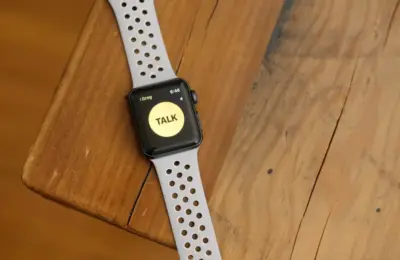
- Apple Watch Series 12 & Fitness Tracking: Incremental yet meaningful updates are planned for the smartwatch ecosystem, headlined by enhanced biometric tracking capabilities and the nostalgic return of a ceramic-case option for the Series 12.
- AirPods 5 Generation: Signaling a pivot in audio strategy, the entry-level AirPods line will be completely refreshed, introducing the dual-tier configuration of standard and ANC models.
Looking Past 2026: The Camera-Equipped Horizon
While the AirPods 5 will satisfy immediate consumer demands for an audio refresh this autumn, the longer-term roadmap points toward a radical transformation of the headphone category. Camera-equipped AirPods—devices designed to house miniature optical sensors for spatial awareness, computer vision, and AI-driven context processing—are officially on the docket, though they remain pinned for a 2027 release window.
Recent software footprints corroborate this timeline. Developers parsing through the release candidate builds of macOS 26.7 recently uncovered a mistakenly included internal demo video showcasing camera-equipped AirPods. While the brief clip maintained a degree of ambiguity regarding the physical shell design, it confirmed that the software infrastructure required to support these vision-enabled audio devices is already actively advancing through internal testing phases.
Supporting Context & Metrics: The Evolution of Personal Audio
To understand the strategic significance of the AirPods 5, one must examine the trajectory of Apple’s audio division over the past decade. Since the introduction of the original AirPods in 2016, the accessory category has ballooned into a multi-billion-dollar business that, if evaluated as an independent entity, would rank comfortably among Fortune 500 corporations.
Democratizing Active Noise Cancellation
Historically, Apple has maintained a rigid hierarchy within its audio lineup:
- Standard AirPods: Positioned for budget-conscious consumers seeking seamless device pairing, basic spatial audio, and an open-ear fit without active environmental isolation.
- AirPods Pro: Reserved for users demanding premium acoustics, adaptive transparency, and Active Noise Cancellation (ANC).
- AirPods Max: Tailored for audiophiles seeking an over-ear, high-fidelity experience.
By introducing an ANC variant of the AirPods 5, Apple is effectively blurring the historical lines between its standard and Pro tiers. This strategic shift acknowledges that active noise cancellation has transitioned from a luxury novelty to an expected baseline feature for urban commuters, remote workers, and everyday consumers.
The AI Imperative and Visual Intelligence
The push toward advanced audio hardware is intrinsically tied to Apple’s broader artificial intelligence strategy, often branded around spatial computing and Siri integration.
| Feature Category | Current Generation (AirPods 4 / Pro 2) | Next-Gen Horizon (AirPods 5 & Camera Models) |
|---|---|---|
| Active Noise Cancellation | Restricted to Pro Tier | Available across expanded AirPods 5 tier |
| Primary Input Method | Touch controls, Siri voice commands | Voice, Touch, and Contextual Visual Awareness |
| AI Processing | On-device chip processing (H2/H-series) | Deep integration with Visual Intelligence & multimodal AI |
| Form Factor Evolution | Open-ear and silicone-tip variants | Sensor-dense shells housing optical hardware (2027) |
As artificial intelligence shifts from cloud-based LLMs to localized, wearable-driven multimodal assistants, headphones are transforming into primary sensory endpoints. The upcoming camera-equipped AirPods slated for 2027 represent the culmination of this philosophy: allowing users to point their head, query their surroundings via Siri, and receive real-time visual analysis directly through audio feedback.
Official Statements and Industry Insights
While Apple has maintained its customary silence regarding unreleased hardware, supply chain leakage and insider reporting have provided unprecedented clarity into the company’s manufacturing timelines.

Mark Gurman’s comprehensive reports outline the strategic reasoning behind the staggered releases. In his weekend update, Gurman explicitly clarified the bifurcation of the upcoming audio lineup:
"While the camera AirPods aren’t coming until next year, there should still be new Apple earbuds this year: the AirPods 5 in both regular and noise-cancellation flavors."
Industry analysts note that this dual-track approach allows Apple to maximize holiday sales revenue for standard and mid-tier audio buyers in late 2026, while paving the way for a high-margin, technologically radical refresh of the Pro and camera-enabled tiers in 2027.
Furthermore, supply chain audits indicate that component manufacturers in Asia have been ramping up silicon production for the next-generation H-series audio chips. These processors are expected to deliver improved energy efficiency, lower audio latency, and enhanced computational audio capabilities necessary to power the new ANC algorithms in the base AirPods 5 models without compromising battery life.
Future Outlook: What This Means for Consumers and the Market
As we count down the days to Apple’s September 9 event, the implications of these product pipelines extend far beyond Cupertino’s balance sheets.
For the Consumer
Purchasing decisions this autumn will require careful consideration. Consumers looking to upgrade aging headphones will find immense value in the AirPods 5, particularly if the inclusion of an ANC variant at a lower price point delivers a compelling cost-to-performance ratio. Conversely, tech enthusiasts enamored with the cutting edge may choose to hold out for the camera-integrated models expected next year, betting that spatial computing will fundamentally alter how we interact with our physical environment.
For the Competitive Landscape
Apple’s aggressive pacing puts immense pressure on rival audio manufacturers. Competitors like Sony, Bose, and Samsung have long relied on aggressive pricing and feature parity to capture market share in the noise-canceling earbud sector. By democratizing ANC down to the AirPods 5 base tier, Apple threatens to squeeze entry-level competitors out of the mid-market space, forcing rival brands to accelerate their own AI and sensor integrations.
The Broader Horizon
Ultimately, the 2026 hardware cycle marks a transition period. Apple is no longer just selling accessories that tether to a smartphone; it is building a distributed ecosystem of smart sensors, wearables, and computing nodes designed to anticipate human intent. Whether through the anticipated foldable iPhone, ceramic-clad smartwatches, or noise-canceling earbuds that bridge the gap to spatial intelligence, the autumn of 2026 will lay the foundational stone for the next decade of personal technology.