Executive Overview
While box-office juggernauts like Star Wars and multi-series universes like Star Trek often dominate conversations regarding the most profitable and culturally ubiquitous science fiction franchises in entertainment history, a deeper inspection of the genre’s DNA reveals a different progenitor. In terms of creative lineage, conceptual reach, and foundational influence, nearly all roads in modern speculative fiction ultimately lead back to a single television masterpiece: creator Rod Serling’s The Twilight Zone.
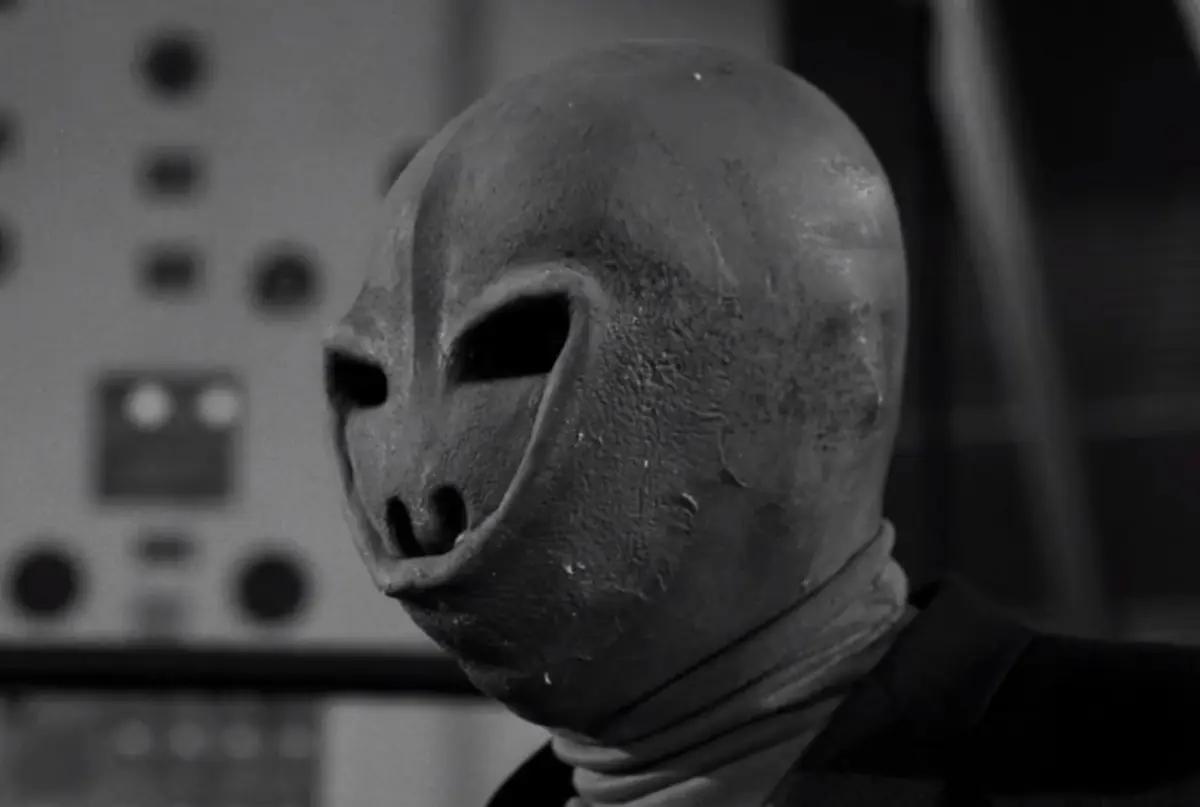
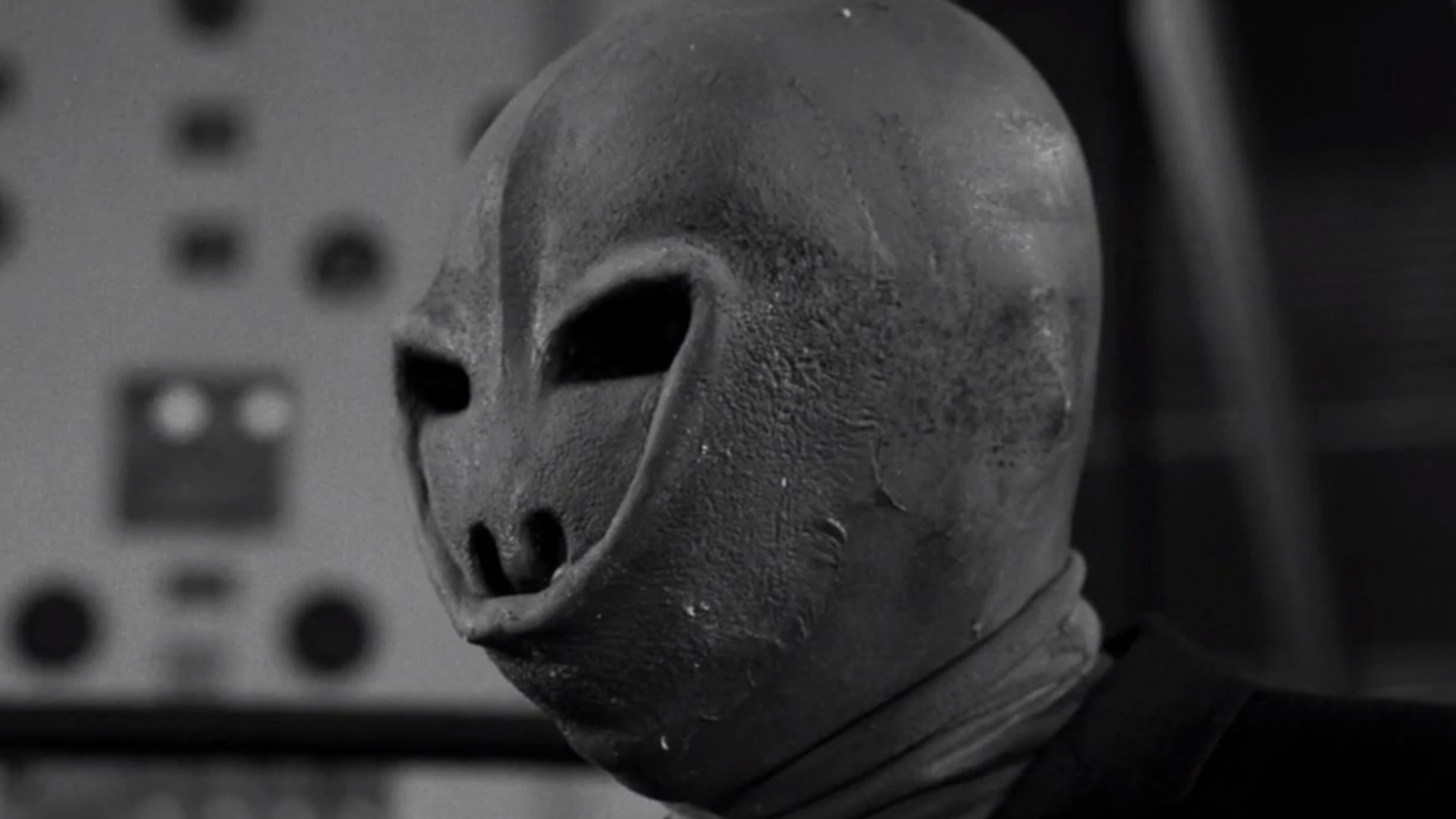
Debuting in 1959 on CBS, the landmark single-camera anthology series fundamentally reshaped how stories were told on the small screen. Across its iconic five-season, 156-episode run, the program traded the era’s standard multi-camera sitcom setups and taped theatrical plays for self-contained cinematic vignettes that challenged audiences to look beyond the ordinary. Though decades have passed since its initial broadcast, the show’s cultural footprint remains expansive, inspiring everything from contemporary prestige television to modern horror cinema.
For audiences looking to revisit this monumental piece of television history—or discover it for the very first time—the timing has never been better. The original series is currently available to stream completely free on Tubi. This accessibility offers a rare window for modern viewers to experience the bedrock of science fiction, fantasy, and psychological horror without a subscription barrier.
Detailed Chronology: The Genesis and Evolution of a Masterpiece
To understand the monumental cultural weight of The Twilight Zone, one must trace its development against the backdrop of 1950s television. At the time, the medium was largely defined by live broadcasts of traditional plays, variety shows, and studio-bound sitcoms filmed in front of live audiences. Television was immediate, domestic, and often risk-averse.
Rod Serling, a fiercely talented and socially conscious writer frustrated by network censorship of controversial contemporary issues, envisioned something radically different. Serling realized that by cloaking hard-hitting social commentary in the safe, imaginative garb of science fiction, fantasy, and horror, he could slip past the censors and speak truth to power. If a story about institutional racism or McCarthy-era paranoia was set on an alien planet or in a surreal alternate reality, network executives and sponsors were far less likely to object.
The CBS Run (1959–1964)
- Season 1 (1959–1960): Premiering on October 2, 1959, with the classic episode "Where Is Everybody?" starring Earl Holliman, the show immediately established its atmospheric tone and thematic depth. Serling penned the vast majority of these initial episodes, setting a high standard for narrative twists and moral examinations.
- Seasons 2 and 3 (1960–1962): The show hit its narrative stride, blending high-concept speculative fiction with deeply human psychological portraits. During this era, legendary scripts by writers like Richard Matheson and Ray Bradbury cemented the series’ reputation as a showcase for elite speculative fiction authorship.
- Season 4 (1963): In a bold and ultimately short-lived experiment, CBS expanded the runtime of every episode from the traditional 30 minutes to a full hour. While the expanded format allowed for deeper character development, many critics and creators felt the tighter half-hour structure packed a sharper punch.
- Season 5 (1963–1964): Returning to its half-hour roots, the final season produced some of the most enduring, culturally referenced installments in television history, including Richard Matheson’s terrifying "Nightmare at 20,000 Feet." By the time the series concluded in 1964, Serling chose to step away, feeling he had exhausted his supply of original premises.
Supporting Context & Metrics: The Architecture of Impact
While 156 episodes may seem modest compared to modern multi-season procedurals, the sheer density of creative talent, thematic variety, and subsequent cross-media influence places The Twilight Zone in a category of its own.

The Creative Engine
Rod Serling’s personal output for the series was staggering. He wrote or co-wrote nearly 100 of the show’s 156 episodes, serving as both its creative engine and its iconic, cigarette-smoking on-screen host. However, Serling was wise enough to surround himself with literary heavyweights. The series drew heavily upon foundational science fiction and horror tropes, taking cues from early pioneers like H.G. Wells and Mary Shelley, while actively commissioning scripts from mid-century masters:
- Richard Matheson: Contributed seminal psychological thrillers and supernatural tales that explored isolation and fear.
- Ray Bradbury: Brought his poetic, haunting prose to the screen with timeless meditations on memory, technology, and humanity.
- Charles Beaumont: Infused the series with dark, existential irony and uncanny speculative premises.
Metrics of Influence Across Film and Television
The DNA of The Twilight Zone is embedded so deeply within modern media that viewers often consume its descendants without realizing their origin point. The metrics of its legacy can be mapped through the explicit acknowledgments of Hollywood’s most prominent creators:
| Modern Creator / Franchise | Direct Influence / Inspiration | Twilight Zone Source Episode |
|---|---|---|
| Jordan Peele (Filmmaker) | The psychological doppelgänger motif in Us (2019) | "Mirror Image" (Season 1) |
| Don Mancini (Creator, Chucky franchise) | The concept of a homicidal, living plaything | "Living Doll" (Season 5) |
| Charlie Brooker (Creator, Black Mirror) | The satirical, high-concept speculative anthology structure | Overall Series Format |
| The Creators of Lost, The X-Files, & Fringe | Mystery-box storytelling, paranormal anomalies, and moral ambiguity | Overall Thematic Framework |
Official Statements and Critical Perspectives
The critical consensus surrounding The Twilight Zone has remained remarkably uniform across the decades: it is widely regarded as one of the greatest achievements in the history of broadcasting.
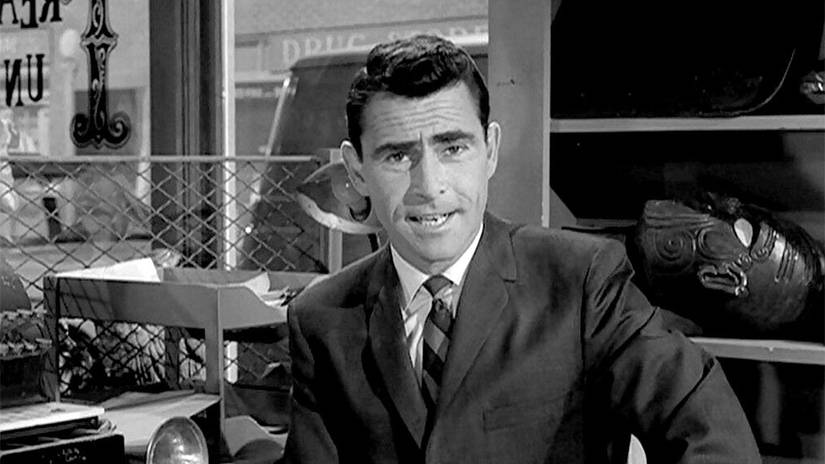
Television historians and critics frequently point to Serling’s opening monologue as a mission statement for the entire speculative fiction genre. By inviting viewers to cross "into the middle ground between light and shadow, between science and superstition," Serling carved out a space where television could grapple with the human condition rather than simply provide escapist entertainment.
In retrospective analyses, industry figures often emphasize the show’s fearless approach to morality. As noted by various cultural commentators over the years, Serling’s work was never truly about spaceships or monsters; it was about human prejudice, the corrupting nature of power, loneliness, and the haunting weight of regret. Monsters and aliens served merely as mirrors reflecting the worst and best impulses of humanity.
Furthermore, contemporary filmmakers frequently cite the economic and narrative efficiency of the show’s 30-minute format. In an era of modern streaming where television seasons often stretch into sprawling, bloated cinematic movies, The Twilight Zone stands as a masterclass in concise storytelling—delivering a complete narrative arc, character development, and a paradigm-shifting twist ending within half an hour.
Future Outlook: Why Tubi’s Free Streaming Window Matters
As the entertainment landscape continues to fragment across an ever-growing constellation of paid subscription services, the ability to access canonical works of art without a paywall is increasingly rare. The current availability of The Twilight Zone on Tubi represents an exceptional opportunity for new generations of viewers to experience the bedrock of modern sci-fi and horror.
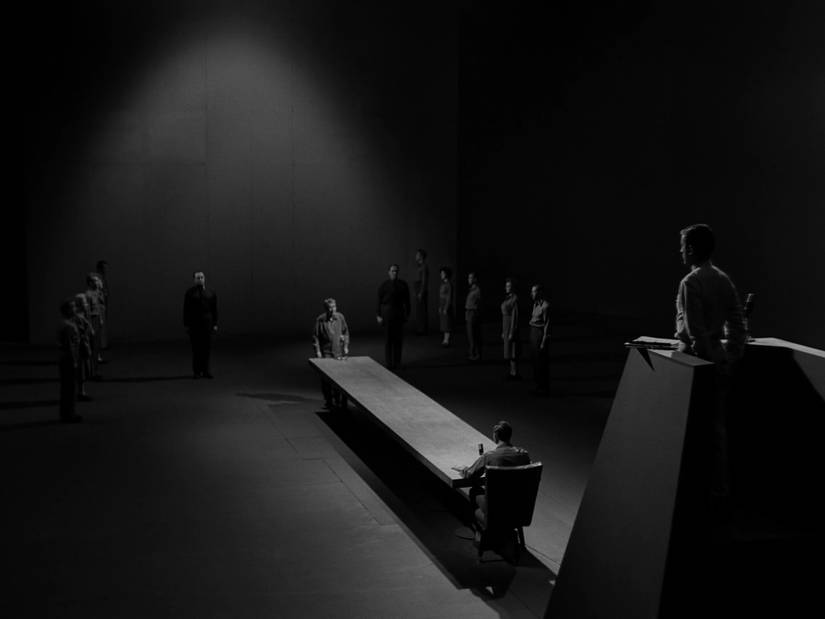
While elements of the show—most notably the black-and-white cinematography and mid-century practical effects—reveal their age, the core subtext of the episodes remains startlingly relevant. Stories examining totalitarian conformity (The Obsolete Man), the paranoia of alien infiltration (To Serve Man), or the psychological terror of isolation (Time Enough at Last) speak directly to contemporary anxieties in an increasingly digital and polarized world.
Because it is an anthology series, viewers are not burdened by traditional serialized continuity. You can drop into any season, sample a standalone masterpiece, and immediately understand the brilliance that captivated a nation starting in 1959. Whether you are a lifelong devotee of speculative fiction or a newcomer curious about where modern horror and sci-fi found their voice, stepping into The Twilight Zone via Tubi remains an essential, timeless journey into the unknown.