Executive Overview
In a stunning announcement that has sent ripples through the gaming community, CD Projekt Red—in collaboration with studio Fool’s Theory—has revealed that The Witcher 3: Wild Hunt is receiving its third major expansion, titled Songs of the Past. Set for release next year, this brand-new chapter shifts the narrative lens away from cosmic threats, multi-dimensional portals, and epic sorceresses, choosing instead to focus on a deeply personal, character-driven journey centered on Geralt of Rivia and his loyal, lute-strumming companion, Dandelion.
Alongside this unexpected narrative addition, CD Projekt Red has shocked fans by announcing a comprehensive, ground-up remaster of the 2015 masterpiece. Arriving ahead of the expansion on September 29, the remaster aims to bridge the decade-long technological gap, modernizing the base game’s mechanics, combat responsiveness, and environmental simulation to meet contemporary AAA standards. Together, these dual announcements signal a triumphant, nostalgic, yet forward-looking return to the Continent, ensuring that The Witcher 3 remains a defining pillar of the modern RPG landscape well over a decade after its initial debut.
Detailed Chronology: Unraveling the Mysteries of Letten
During an exclusive, hands-off preview event, developers from CD Projekt Red walked press through the opening hours of Songs of the Past, setting the stage for an adventure unlike any previously seen in the franchise.
A Bard’s Burden
The expansion opens not with a royal missive or a cry for help from Yennefer or Triss, but with the sudden disappearance of Julian Alfred Pankratz, Viscount de Lettenhove—better known to the world as the lovable bard Dandelion. Following the revelry of the local Belleteyn celebrations, an ancient spring festival akin to Easter, Geralt wakes up with a throbbing hangover far from his usual haunts. His trusted companion is nowhere to be found, sparking a desperate search that ultimately leads the White Wolf to Letten, a lush, verdant region hidden deep within the mountain ranges of northern Redania.
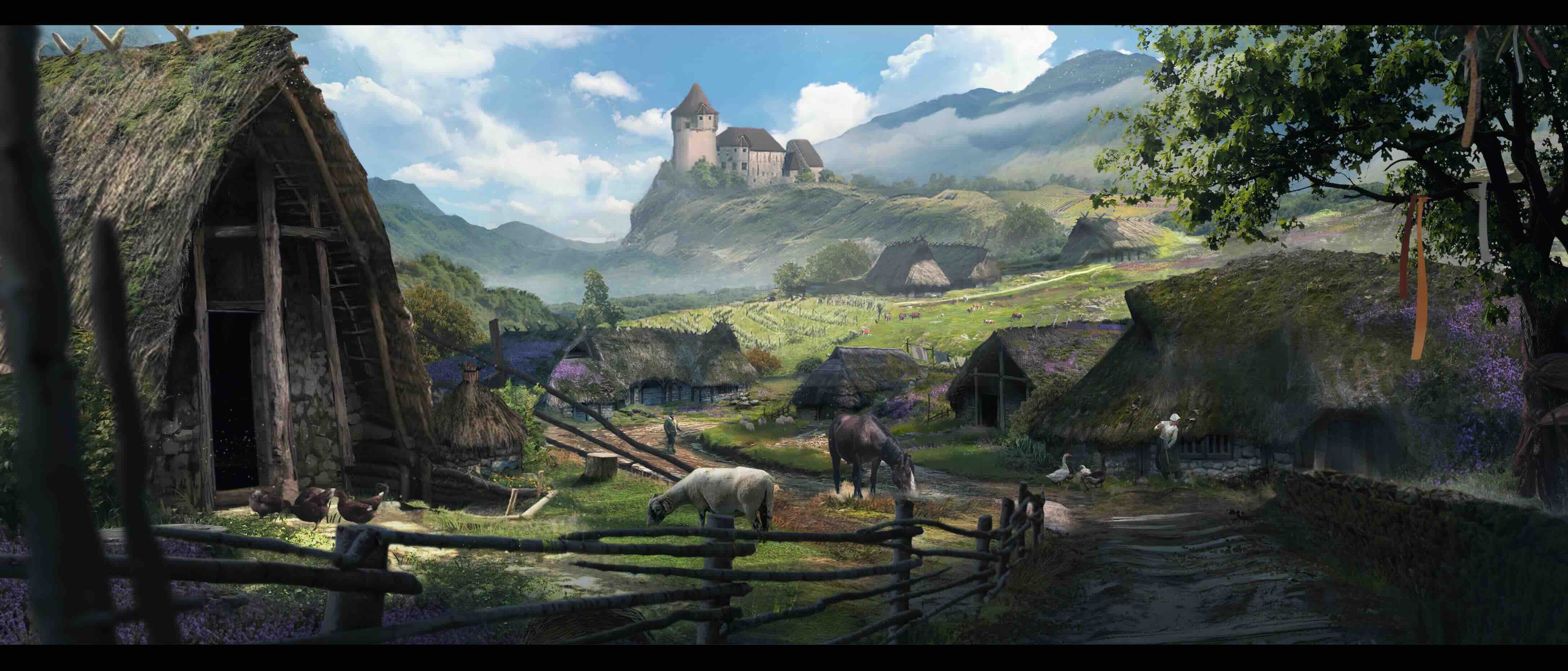
Unlike the war-torn expanses of Velen or the smoking ruins depicted in the base game, Letten has remained miraculously untouched by the continent’s endless conflicts. It is a land of vibrant green valleys, dense forests, and a peaceful populace living in harmony with nature. However, beneath its idyllic surface lies a dark, hereditary underbelly tied directly to Dandelion’s aristocratic lineage.
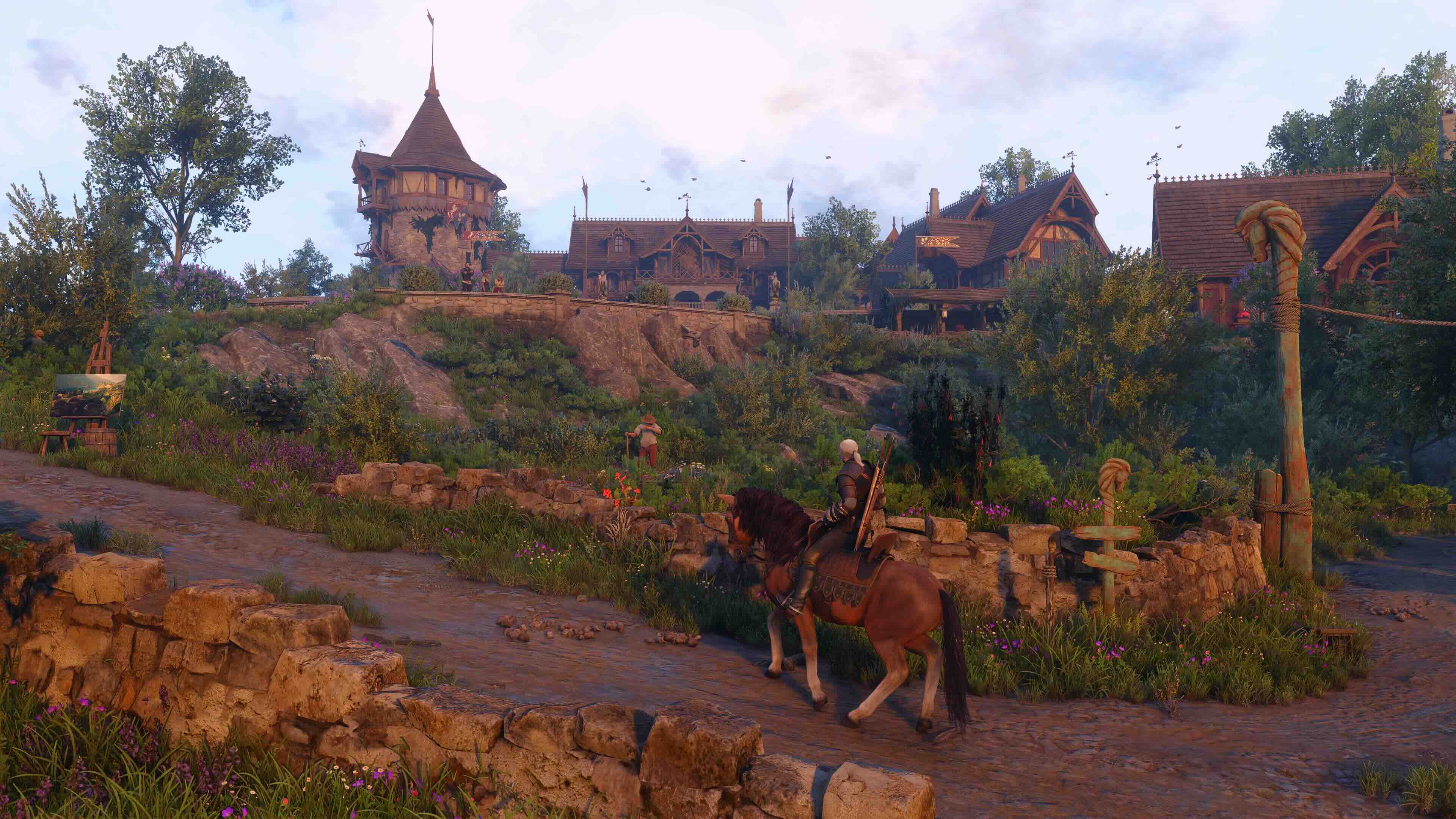
Upon arriving at the sumptuous ancestral manor of Lettenhove, Geralt finds himself thrust into a high-society domestic dispute. He must act as a reluctant mediator between two of Dandelion’s most formidable living relatives: his fierce grandmother and his sharp-tongued cousin, Lilla. While the family bickers over whether the bard is truly missing or simply indulging in another romantic escapade, Geralt quickly realizes that the situation requires his specific set of professional skills.
Into the Woods and the Curse of Count Humbert
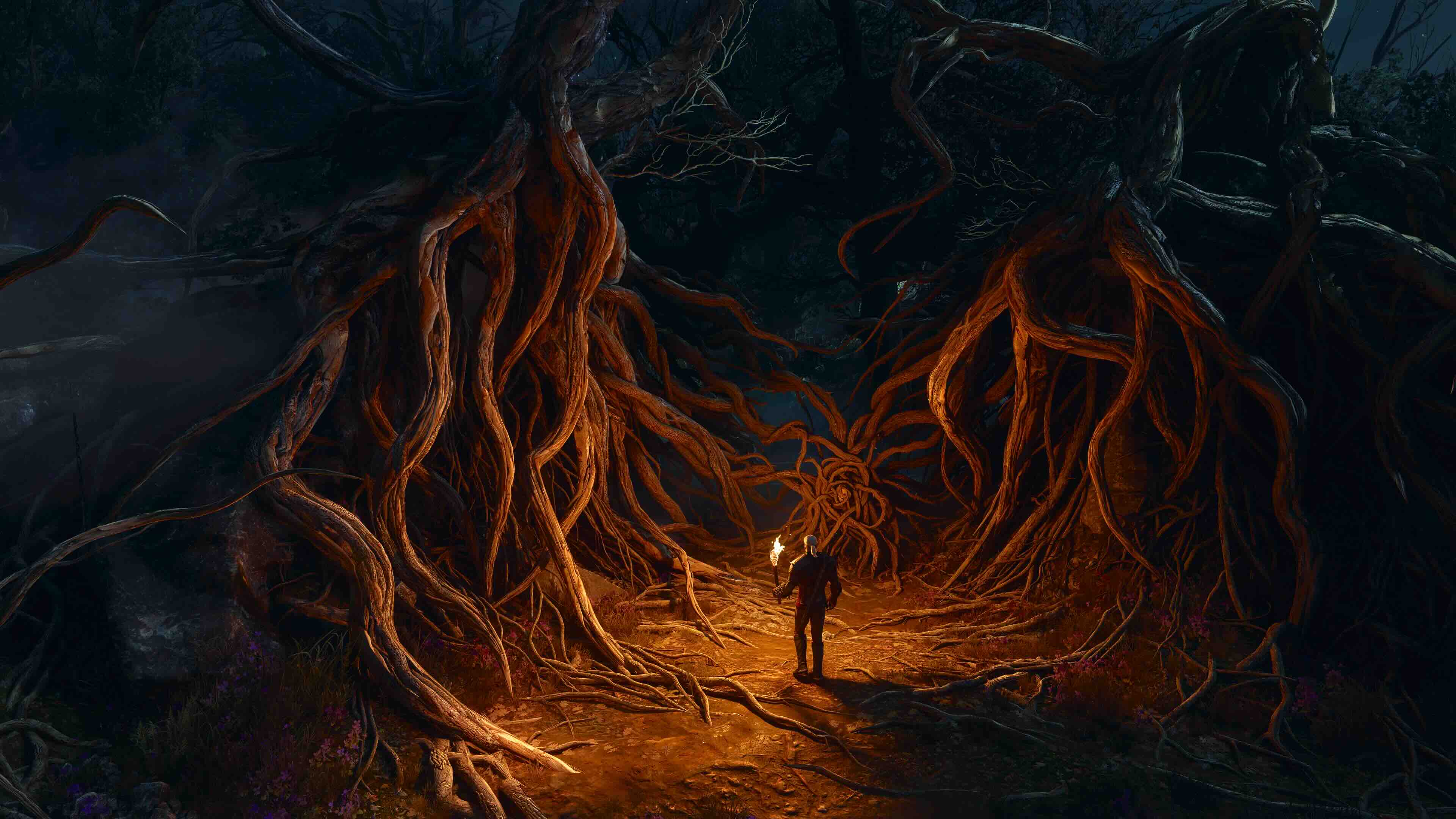
Teaming up with Lilla—who serves as a primary companion throughout the opening arc—Geralt ventures into Letten’s gnarled, foreboding woods. Their objective is to trace the origins of a centuries-old family legend: the curse of Dandelion’s ancestor, the infamous and unstable Count Humbert de Lettenhove.
This investigation quickly escalates from a rescue mission into a classic Witcher contract. The path forward is fraught with new ecological hazards and mythical beasts, culminating in a tense confrontation at a mystical well tied directly to the de Lettenhove curse. There, Geralt must face down the Slumbering Knight, a powerful guardian entity that demands mastery of both traditional Witcher footwork and new combat innovations.
Supporting Context & Metrics: Mechanics, Remaster Overhauls, and the New Silver Chain
While Songs of the Past preserves the core gameplay loops, investigative mechanics, and dialogue choices that fans fell in love with a decade ago, it introduces significant tactical and mechanical expansions.
The Silver Chain: A Classic Weapon Returns
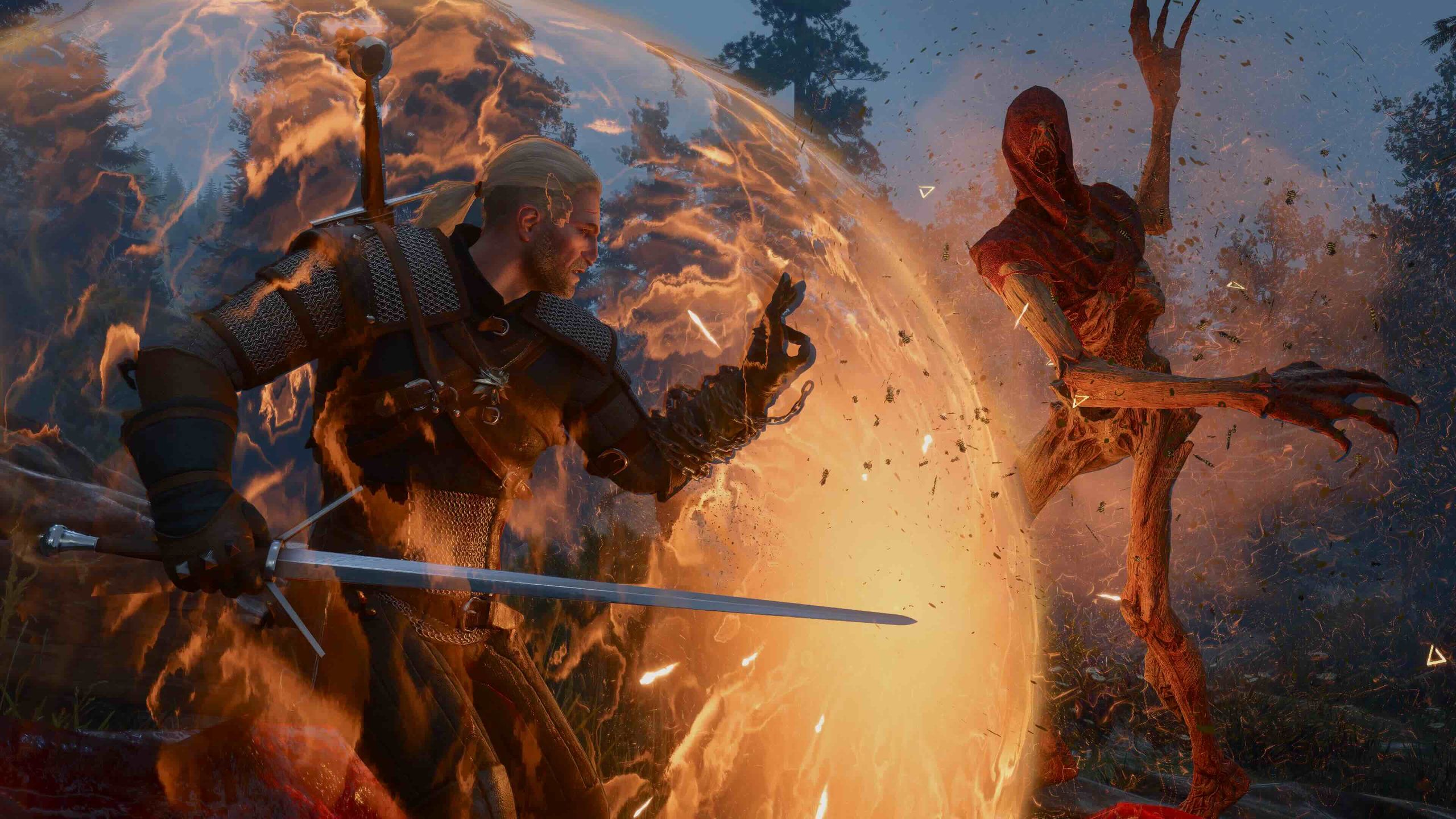
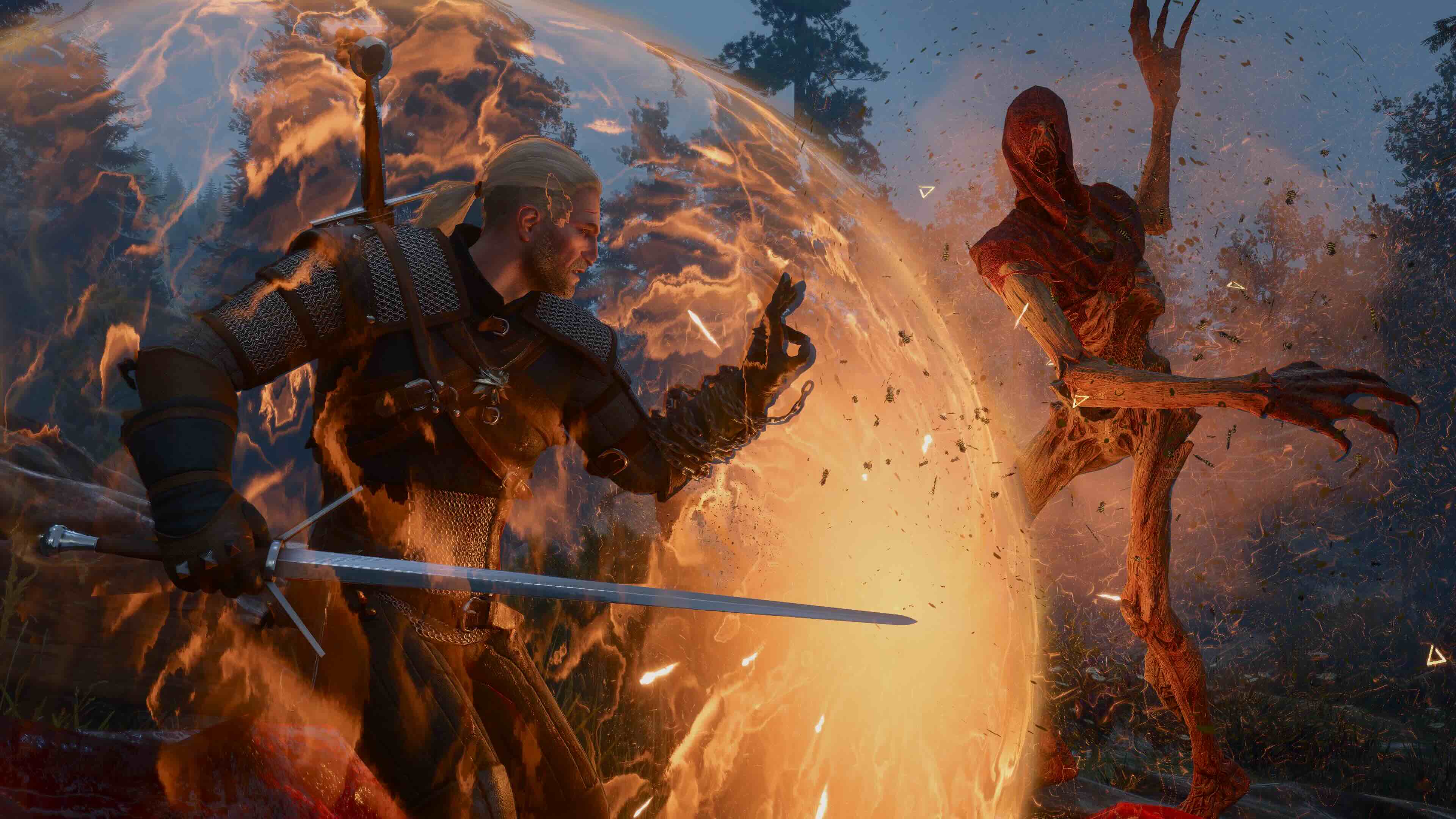
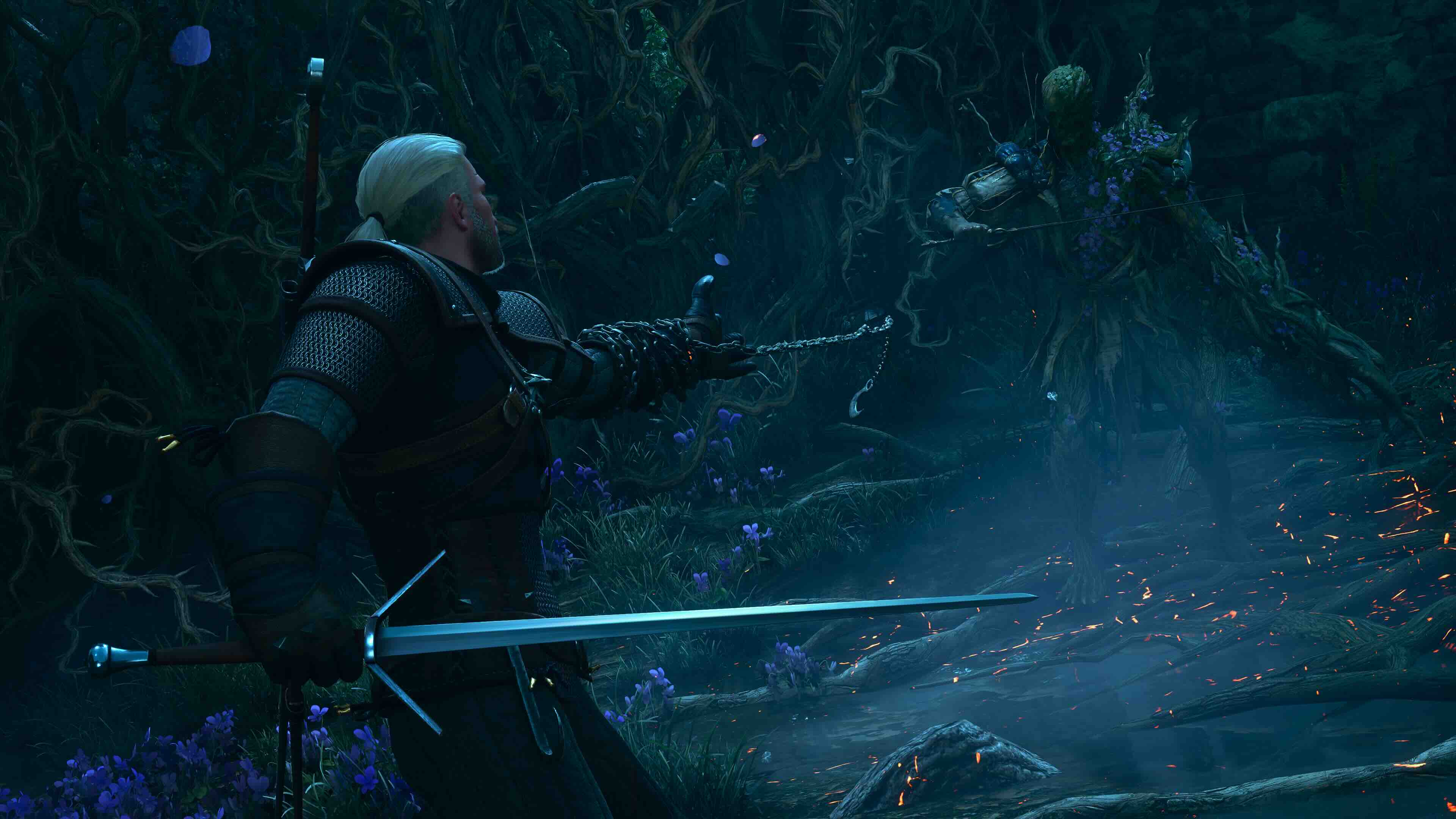
Most notable among the mechanical additions is a brand-new weapon for Geralt: a silver chain worn wrapped around his forearm. Longtime fans of the franchise will immediately recognize this tool from Andrzej Sapkowski’s original novels and the cinematic intro of the very first Witcher game, where Geralt uses it to dispatch a terrifying striga. Curiously, observant fans have also noted that Ciri wields an identical weapon in promotional trailers for the upcoming Witcher 4, sparking fervent lore discussions across community forums.
In practice, the silver chain serves as an exceptional crowd-control instrument, proving indispensable against new enemy types like "swarmions"—aggressive creatures that rely on outnumbering their prey. Players can select the chain much like a sign or a bomb, using it to rapidly yank individual combatants out of a mob for mano a mano execution, or whipping it in wide arcs to maintain a safe distance. Furthermore, players can manually zoom in to target specific enemy body parts, utilizing a slow-time mechanic reminiscent of the base game’s crossbow targeting system.
The 2026 Modern Remaster: Bridging the Generation Gap
Running parallel to the expansion is the newly announced Witcher 3 remaster, scheduled for launch on September 29. Spearheaded by executive producer of external projects Jakub Kutrzuba and studio director Adam Badowski, this project goes far beyond a simple graphical polish or texture upscale. The development team undertook a rigorous audit of the 2015 title to identify and eradicate historical pain points.
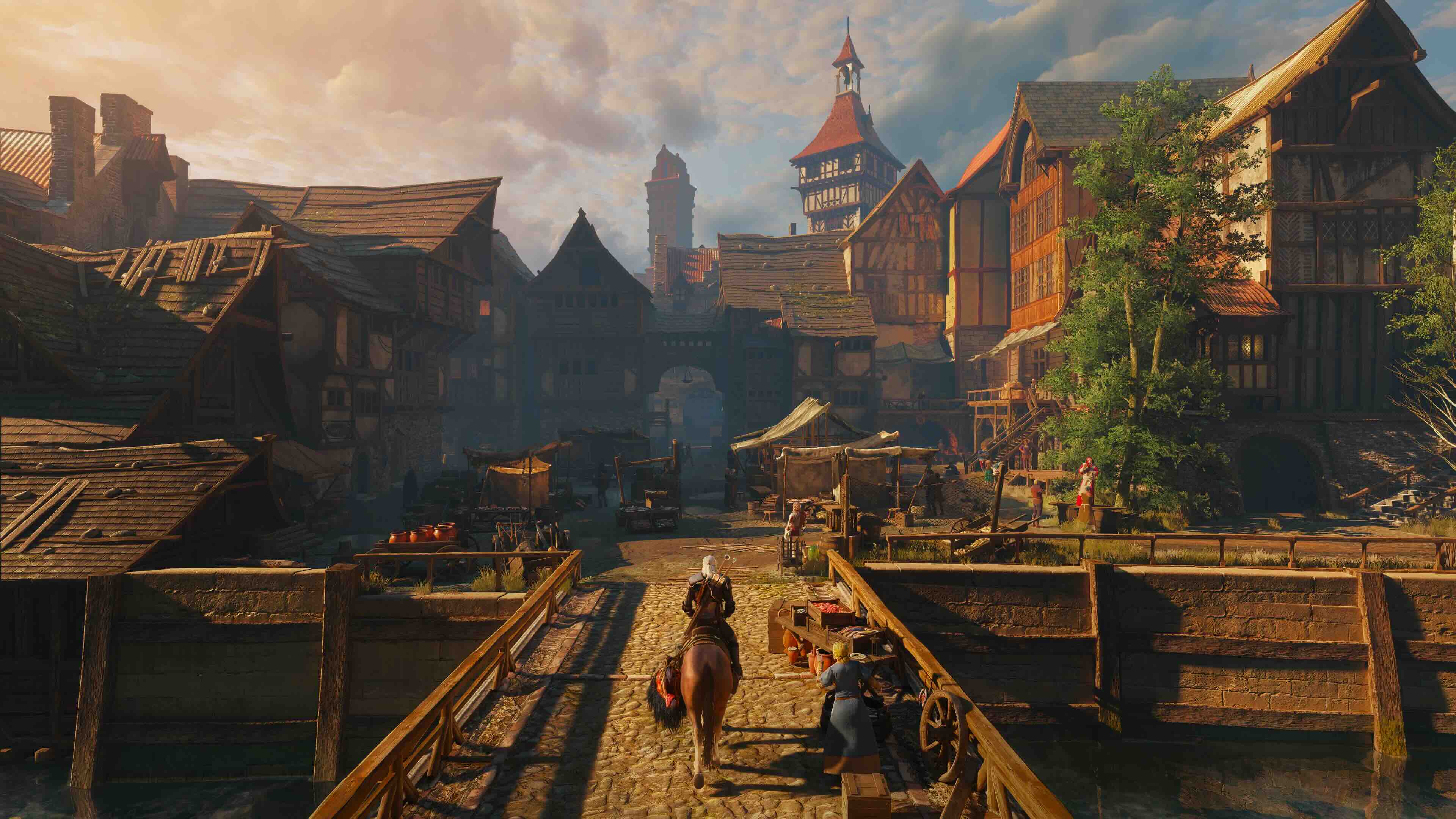
- Combat Fluidity and Responsiveness: Animations have been overhauled to make strikes and movement feel more dynamic. Players can now seamlessly change targets mid-animation, drastically reducing instances of combat "jank" and making skirmishes feel fluid and natural.
- Camera Work and Accessibility: The third-person camera has been refined to offer better situational awareness during chaotic encounters, complemented by modern accessibility options and improved pathfinding AI for non-player characters and mounts.
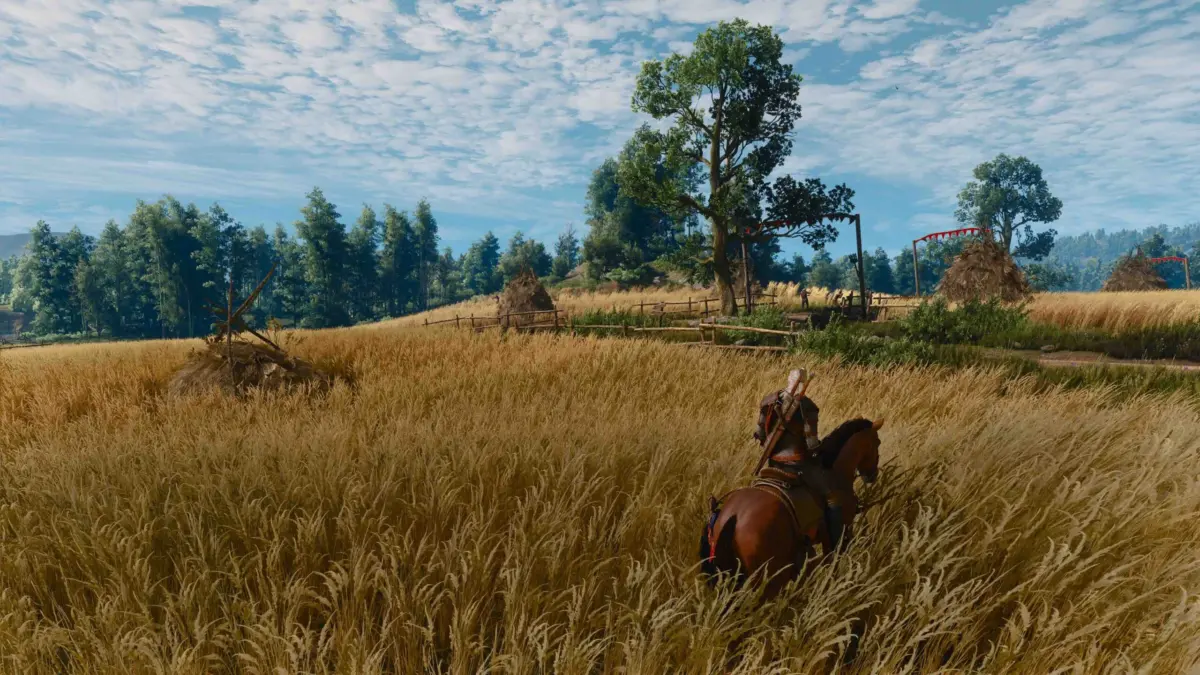
- World Simulation: In Letten and across the broader remastered world, environmental life has been deepened. NPCs now interact with their surroundings more dynamically—shepherds guide flocks across roads, carts realistically traverse trade routes, and children play in elevated village spaces. Crucially, the remaster introduces new interactive capabilities, allowing NPCs and players alike to utilize boats and drive carts, enhancing overall immersion.
Official Statements from CD Projekt Red
The development team has been candid about their motivations behind these ambitious projects, emphasizing a desire to honor the past while future-proofing the franchise.
Reflecting on the tone and thematic focus of the new adventure, Vision Director Karolina Kuzia stated:
"[Letten is] a completely new region in northern Redania, where Dandelion comes from. We visit because of personal matters that put a toll on him, so he needs his best friend at his side. Imagine you enter a lush green valley, hidden in a mountain range… This place was never touched by war, never ravaged like the rest of the continent. People here are peaceful. They live their lives together with nature."
Game Director Jakub Rokosz balanced this serene description with a classic reminder of the grim reality inherent to the IP:
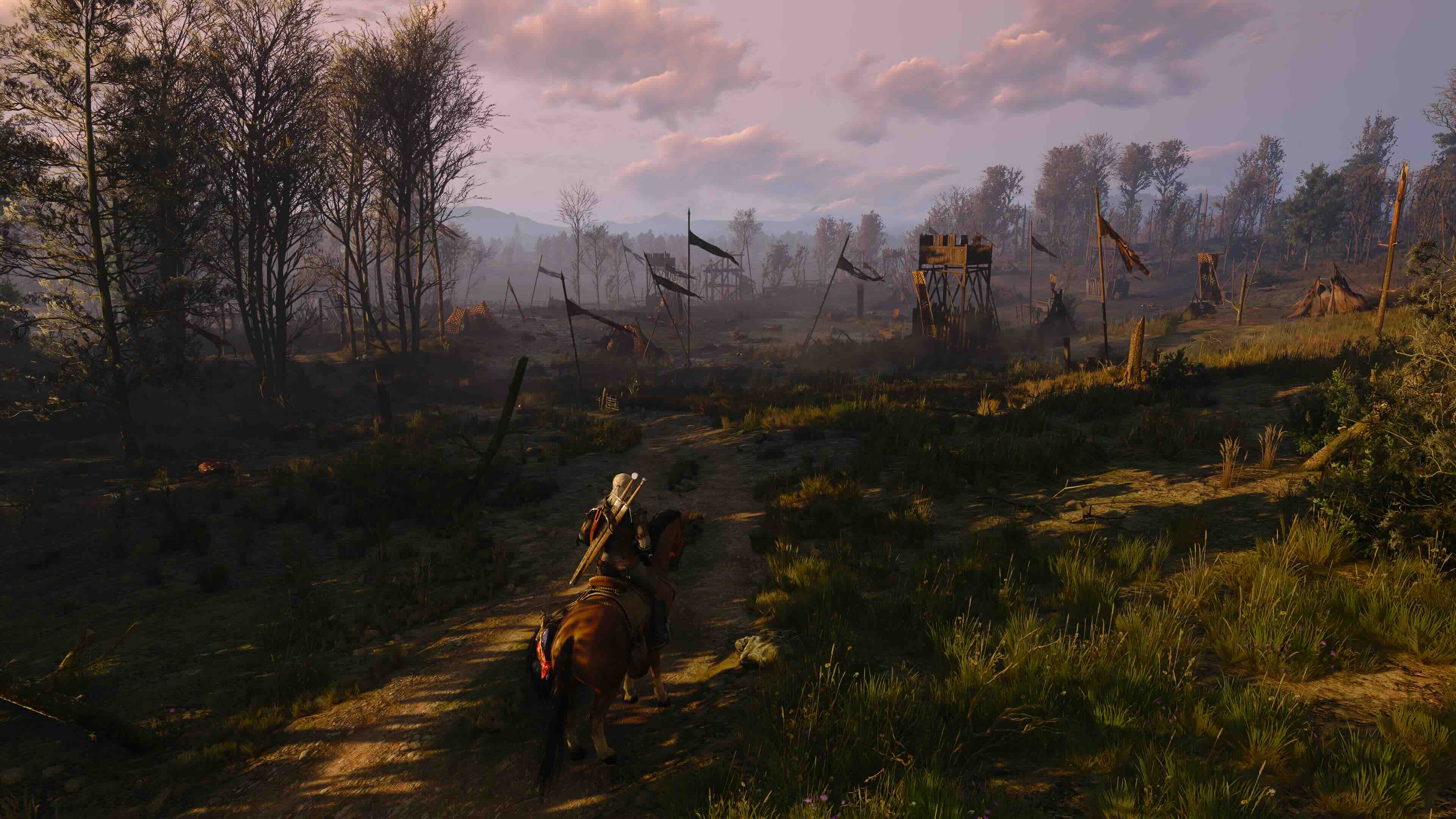
“Letten, albeit a land of plenty, has a dark underbelly. It wouldn’t be a Witcher adventure if Geralt didn’t have anything to do.”
Addressing the philosophy behind the upcoming remaster, Executive Producer Jakub Kutrzuba explained the team’s forward-looking approach:
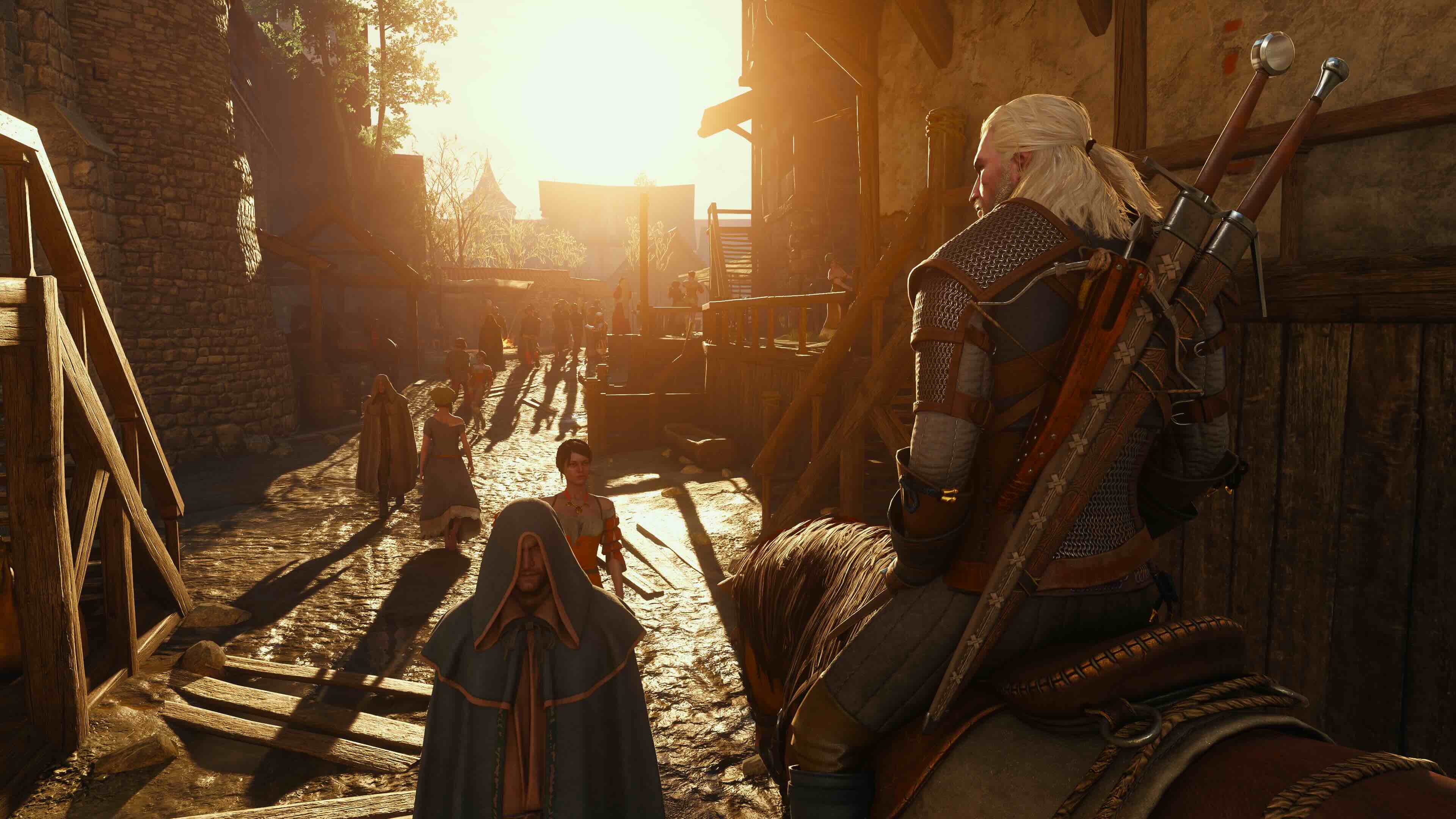
“We’re mostly thinking about new players, you know? We’re looking at The Witcher from that perspective—so what would be the biggest pain points? What would a player expect to be changed in order to enjoy the game? … What would The Witcher 3 look like if it was a game which released in 2026?”
Studio Director Adam Badowski elaborated on the mechanical improvements:
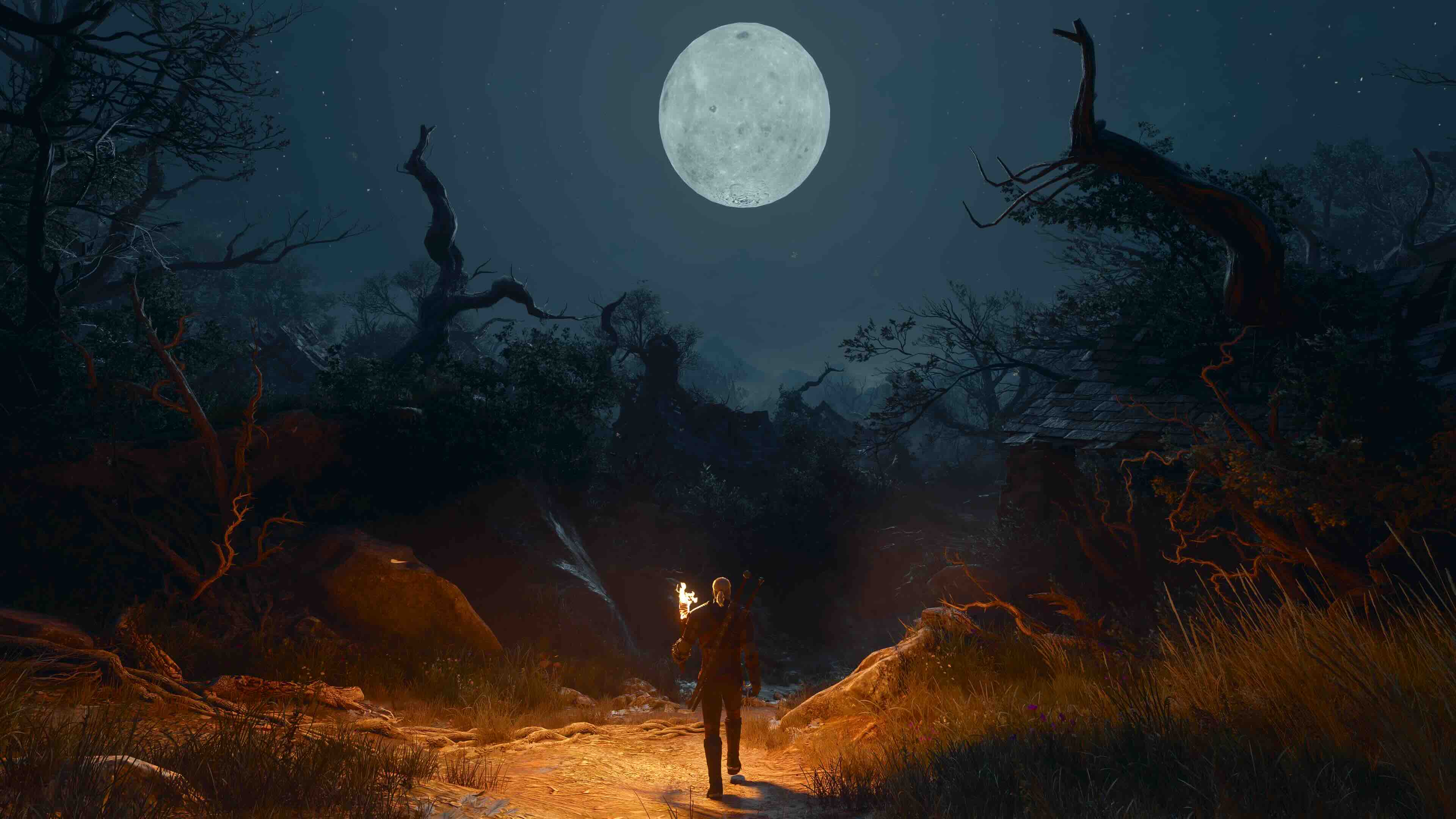
“The remaster includes so many improvements, so many fixes, so many changes and gameplay improvements. All the improvements make the combat much more smooth, much more natural. You can change target while playing the animation or performing strikes, and it gives the game a kind of freshness.”
Future Outlook
The announcement of Songs of the Past and the comprehensive Witcher 3 remaster marks a fascinating inflection point for CD Projekt Red. By returning to their crown jewel with a fresh perspective, the studio is not only satisfying a passionate, enduring fanbase hungry for more adventures with Geralt and Dandelion, but is also carefully laying the groundwork for the franchise’s broader future.
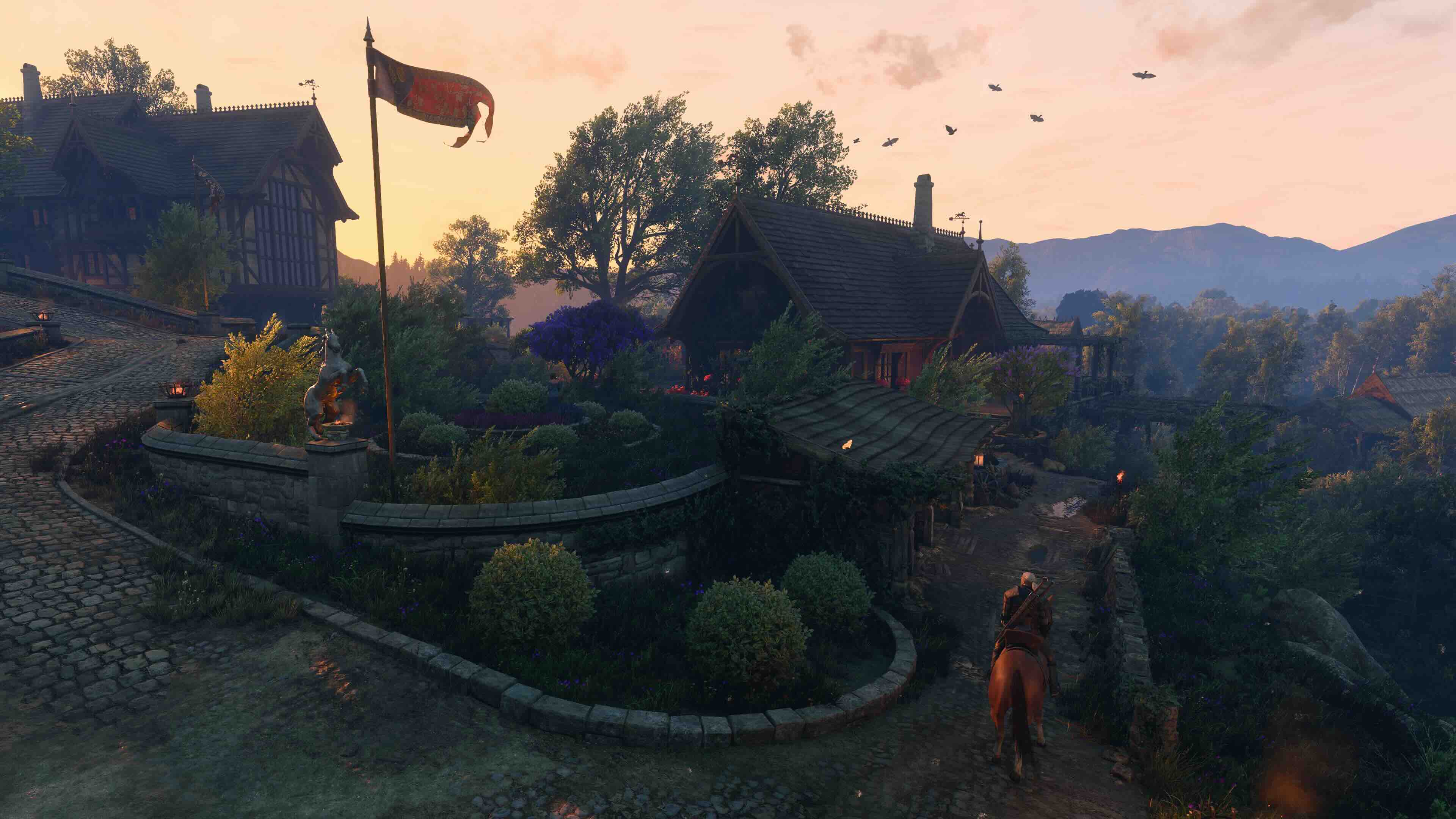
With the remaster arriving on September 29 to modernize the foundation, and Songs of the Past following next year to expand its narrative horizons—complete with subtle lore hints pointing toward the horizon of The Witcher 4—the Continent remains as vital, lucrative, and enchanting as ever. For both veteran witchers and fresh-faced initiates stepping onto the Path for the very first time, the future of northern Redania has never looked brighter, nor its shadows quite so deep.