The indie video game landscape is continuously shaped by auteur-driven passion projects, and few studios have captured the surreal, atmospheric zeitgeist of recent years quite like Lovely Hellplace. Following the critical and commercial success of Dread Delusion—a celebrated first-person homage to The Elder Scrolls renowned for its deeply eccentric world-building and unforgettable moral quandaries—the developer has returned with an ambitious new early access project: Entropy.
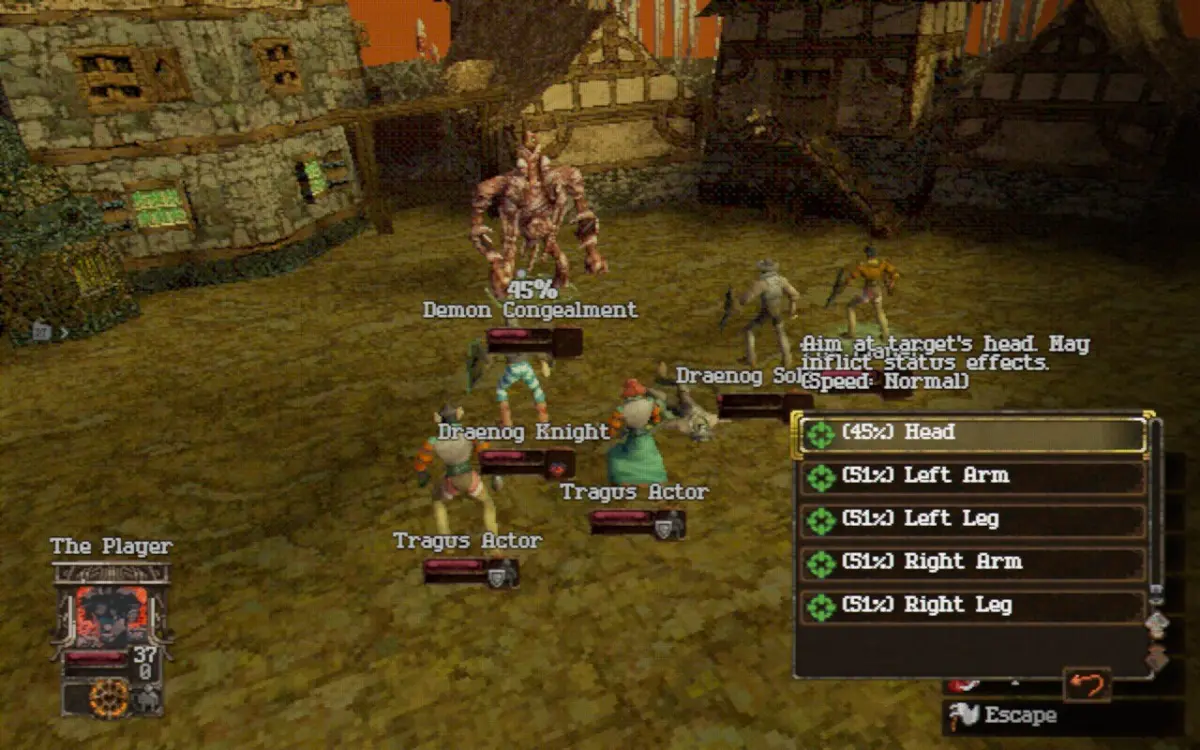
Available now on Steam for an accessible $12 / £8.99, Entropy marks a deliberate subgenre shift for Lovely Hellplace. Trading the first-person perspective for experimental, turn-based JRPG-style combat set against the backdrop of a bizarre, fallen world, the game immediately establishes its unique identity. However, despite the mechanical pivot from its predecessor, Entropy retains the core DNA that made Dread Delusion a standout title of the 2020s: an unyielding commitment to intricate, thought-provoking narrative design and side quests that challenge player conventions.
In a recent conversation with lead developer James Wragg, insights emerged regarding the studio’s creative philosophy, the writing process behind Entropy, and why side quests remain the foundational anchor for their role-playing games. Despite initial intentions to streamline the narrative and reduce the word count compared to the sprawling, novel-length script of Dread Delusion, Lovely Hellplace ultimately succumbed to its own passion for deep character writing and thematic exploration. Featuring a robust party system complete with story-centric companions and high-stakes permadeath, Entropy aims to deliver the same narrative resonance that endeared fans to the studio’s previous work, proving that in the realm of indie RPGs, wonderfully strange side content is king.
Detailed Chronology: From Dread Delusion to Entropy’s Early Access Debut
The Legacy of Dread Delusion
To understand the trajectory of Entropy, one must first examine the foundational success of Lovely Hellplace’s breakout hit, Dread Delusion. Released to widespread acclaim, the game functioned as a loving, yet wildly imaginative, tribute to classic open-world fantasy RPGs like The Elder Scrolls IV: Oblivion and Morrowind, filtered through a dark, psychedelic lens.
What truly elevated Dread Delusion above standard genre homages was its mastery of secondary content. Rather than treating side quests as superficial fetch tasks, the development team injected them with profound moral dilemmas and surreal storytelling. Notable highlights included an ethical dilemma surrounding an alternative food source—human meat propping up a society of vegetarian zombies—and a haunting, Blade Runner 2049-esque investigation into an individual entirely erased from history and the memories of their loved ones. These narratives were not merely side distractions; they were masterclasses in environmental storytelling and ethical gray areas that left lasting impressions on the player base.
The Pivot to Entropy
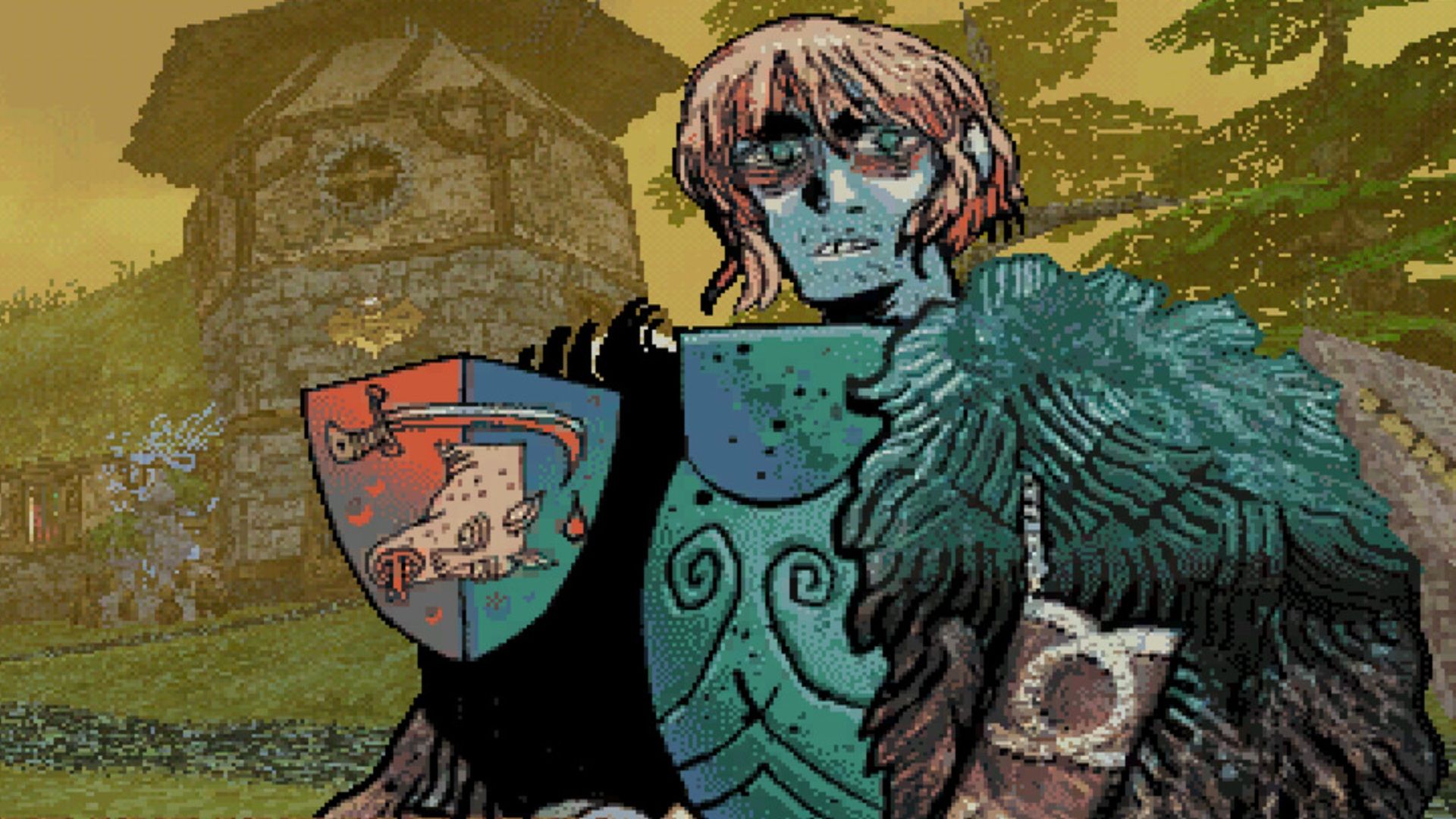
When Lovely Hellplace announced Entropy, a distinct tonal and mechanical shift was immediately apparent. Moving away from the first-person exploratory template, Entropy embraces experimental, JRPG-style combat within a decaying, dreamlike world populated by bat people, mushroom hellscapes, and surreal architecture.
Despite the mechanical departure, early marketing campaigns—highlighted by a generous and well-received playable demo months prior to launch—signaled that the studio’s trademark bizarro aesthetic remained entirely intact. The game officially launched into Steam Early Access, inviting players into a world designed to expand significantly over time, mirroring the iterative development path of Dread Delusion.
Yet, the central question for fans of the studio’s previous work remained: Would the shift toward a more structured, combat-focused JRPG formula dilute the rich, narrative-driven side content that defined Dread Delusion? According to lead developer James Wragg, fears of a narrative dilution were entirely unfounded.
Supporting Context & Metrics: The Philosophy of Narrative Design
The Allure of the Side Quest
For James Wragg, the creation of side quests is not merely a box-ticking exercise in game development; it is the primary catalyst for why he creates video games in the first place. Reflecting on his own experiences as a player, Wragg pinpointed the exact inspiration behind this design philosophy.
"A big inspiration for Dread Delusion was playing Elder Scrolls games almost willfully ignoring the main quest, and getting lost in all the side content," Wragg noted.
This design mindset stems from the belief that role-playing games truly come alive in their side stories. Main plots often carry the burden of cinematic pacing and grand, world-ending stakes, but side quests enjoy the creative freedom to be strange, deeply localized, and philosophically challenging. They provide an essential contrast to the main narrative, allowing players to slow down, engage with micro-communities, and uncover the hidden underbelly of a fictional universe.
Scaling Down vs. Fleshing Out
Interestingly, Entropy’s development began with a counter-intuitive internal goal: to write significantly fewer words. Recognizing the immense logistical and creative lift required to write a script comparable in length to a traditional novel—as was the case with Dread Delusion—Wragg initially intended to impose strict narrative economy on the project.
"I started off Entropy with the idea that we were going to write way fewer words," Wragg explained. "I was like, ‘Dread Delusion is like the length of a novel. This is crazy. This took so much work.’ So for Entropy, I really wanted to cut the word count down loads. We were going to trim the fat and make it more succinct."
However, as production advanced, creative instincts took over. The writers found themselves naturally gravitating toward rich character development and complex thematic exploration.
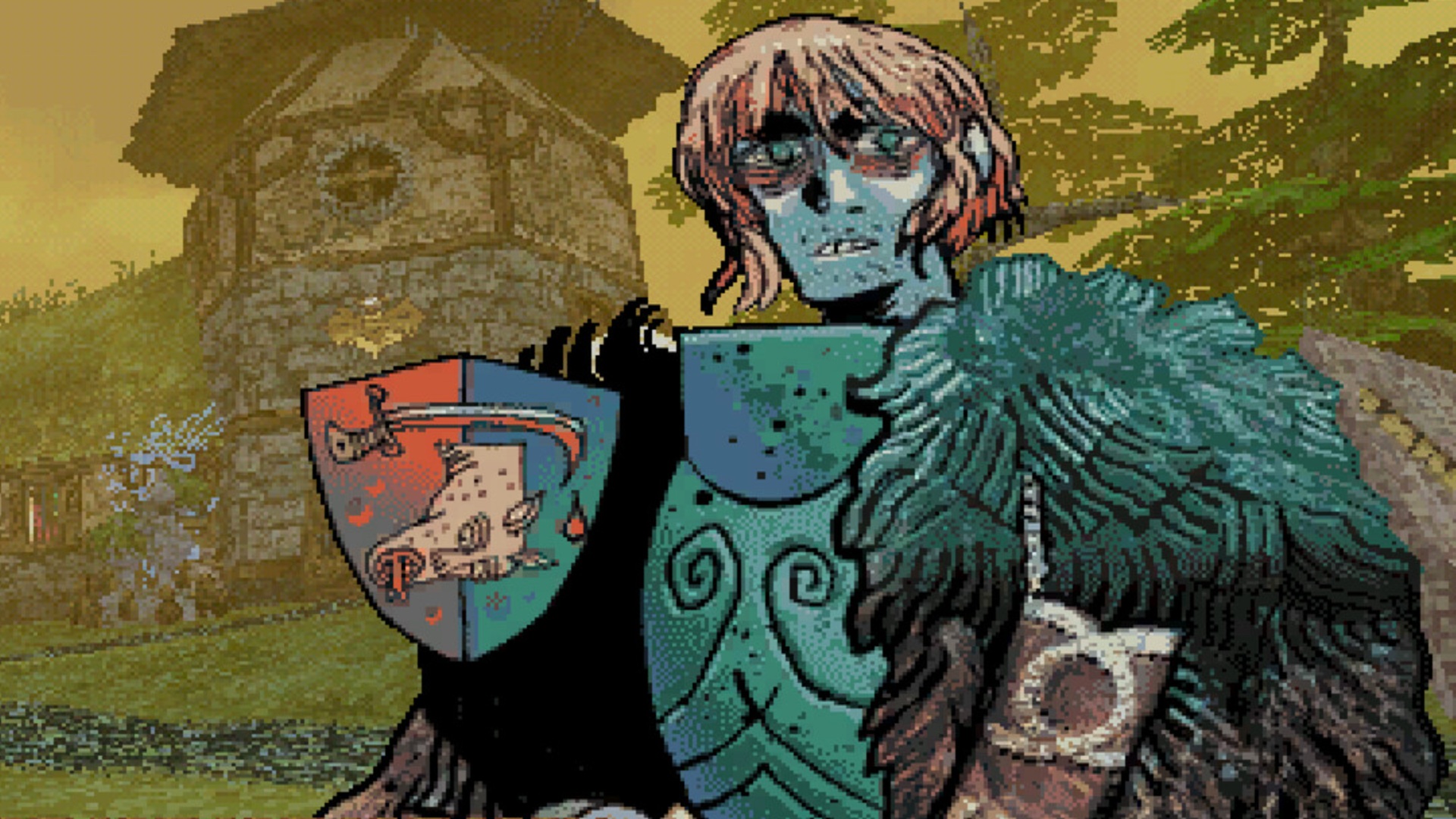
"As we’ve been writing it, we’ve found that we just like really getting into characters, and we just like fleshing stuff out with interesting themes, and that does actually take a fair amount of words," Wragg admitted. Rather than viewing this scope creep as a negative, Wragg embraced the reality of the studio’s creative process, expressing high confidence that Entropy’s secondary narratives will meet or exceed the high bars set by its predecessor.
Writing Structure and Team Dynamics
The realization of Entropy’s expansive text is a collaborative effort spearheaded by Wragg, who estimates that he personally wrote approximately one-third of the game’s total content. Rather than scripting every individual line himself, Wragg’s workflow involves establishing broad-stroke outlines, thematic directions, and conceptual blueprints for specific regions and questlines. These foundational frameworks are then handed over to the extended writing team to be fleshed out, enriched, and brought to life.
Official Statements & Creative Insights
The collaborative nature of Lovely Hellplace’s writing room has been instrumental in shaping their games’ identities. Wragg specifically highlighted the contributions of returning and key writers who inject unpredictable brilliance into his initial concepts.
Reflecting on the creation of the zombified Kingdom of the Endless in Dread Delusion, Wragg praised writer Harry Tuffs:
"I knew the Endless were going to be like, vegetarian vampires, and I gave this to Harry, and he made it way better than my original dumb ideas."
Similarly, writer Io Brindle—who spearheaded the critically acclaimed "Missing Persons" investigative quest in Dread Delusion—returns to lend their talents to Entropy.
Wragg also expanded upon the unique psychological engagement that video games offer compared to passive mediums like novels or cinema. This philosophy directly informs how Entropy handles its party members and non-player characters (NPCs):
"We love making weird and wonderful stories, and we love deep characters who we can get into chats with and find out all their beliefs and backstories and stuff. I think that one of the most interesting things about videogames is just how you can actually talk to the characters in a way that maybe you can’t in a novel or a film. Just being able to meet a strange character and ask them some stupid questions is incredibly rewarding as a player."
Mechanics, Companions, and Permadeath
Party Dynamics and Narrative Integration
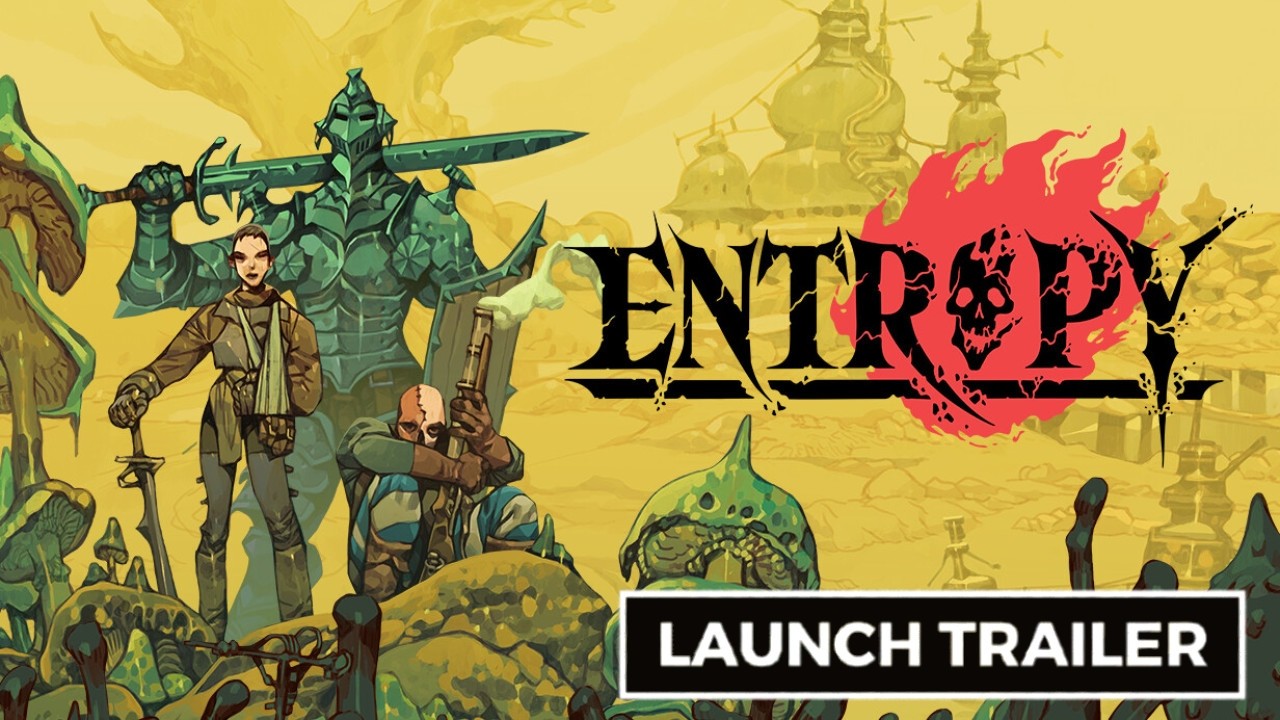
Beyond environmental side quests, Entropy introduces complex party mechanics that deeply intertwine with the game’s narrative structure. Players can command a large party size, offering the flexibility to recruit anonymous mercenary characters to fill tactical roles in battle. However, the true narrative weight lies in the game’s story-centric party members, each featuring dedicated personal plotlines, distinct belief systems, and individual backstories designed to be uncovered through dialogue.
The Weight of Permadeath
Adding a layer of severe tactical consequence to these narrative investments, all party members—ranging from deeply written story companions to disposable mercenary units—are subject to permanent death.
This design choice aligns with a growing trend in modern tactical and role-playing games emphasizing high-stakes consequence, reminiscent of mechanics seen in recent titles like Star Wars Zero Company. In Entropy, losing a companion is not merely a statistical setback in combat; it represents the abrupt silencing of a voice, cutting short a narrative arc and forcing the player to live with the permanent void left in their party roster.
Future Outlook & Industry Significance
As Entropy settles into its early access phase on Steam, priced at an approachable $12 / £8.99, its trajectory looks exceptionally promising. If the development lifecycle of Dread Delusion serves as any indication, the current early access build represents merely the foundational bedrock of a much larger, increasingly surreal journey.
Lovely Hellplace has proven that they are not content with resting on the laurels of their previous success. By retaining their idiosyncratic writing style, prioritizing weird and thought-provoking side content, and weaving high-stakes mechanics like permadeath into an experimental JRPG framework, Entropy avoids the trap of safe iteration.
For fans of narrative-driven role-playing games, indie auteur projects, and surreal world-building, Entropy stands out as an essential early access title to watch. As James Wragg and his team continue to flesh out the game’s expansive lore and character arcs, Entropy is well-positioned to cement Lovely Hellplace’s reputation as one of the most daring and imaginative development studios working in the modern indie space.