Capcom’s storied Onimusha franchise has returned from the dead, breathing new life into historical fiction, pulse-pounding swordplay, and digital resurrection technology. Onimusha: Way of the Sword, scheduled for release on September 3, 2026, priced at $70/£60, marries the developer’s classic arcade sensibilities with weighty, physics-driven physical combat. Operating on Capcom’s formidable RE Engine, the game treats players to a stunning visual showcase—tested on a high-end rig featuring a Radeon RX 9070 XT, Intel i5-13600K, and 64GB DDR5 memory—where frame rates routinely soar to 120 fps alongside AMD FSR4 quality settings.
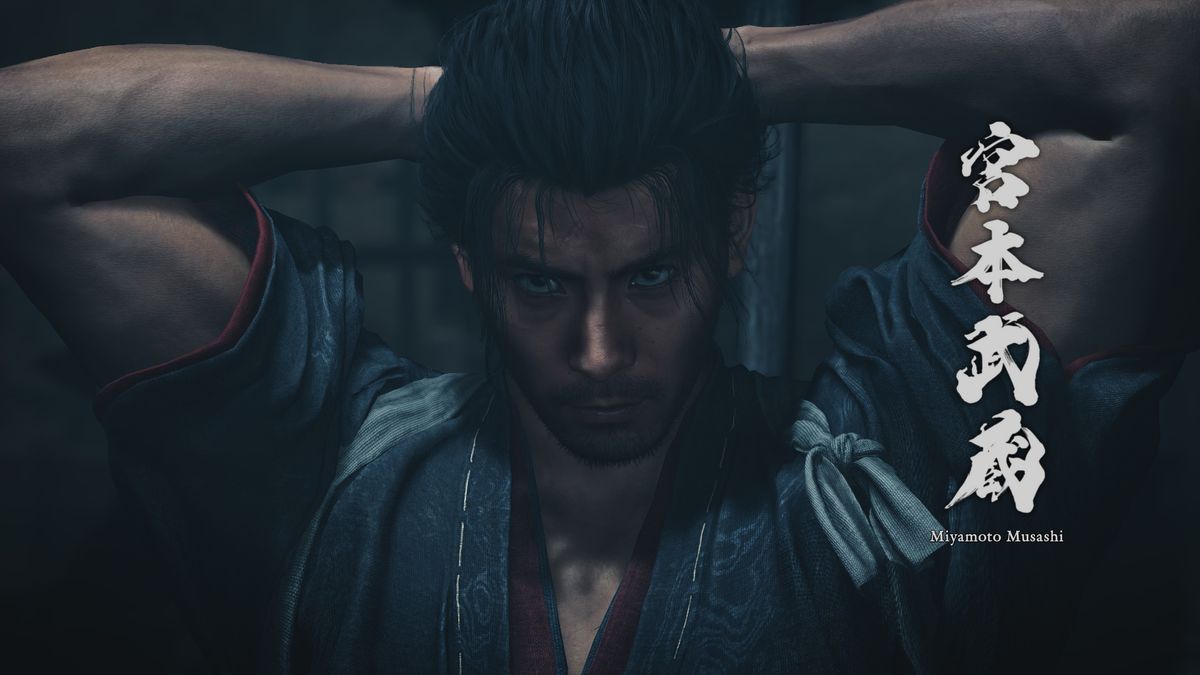
At its core, the game is a sublime hybrid of twitch-reflex execution and methodical, Sekiro-esque boss pacing. It also features a digital performance by legendary Japanese actor Toshiro Mifune as a young, fiery Miyamoto Musashi, grounding its alternate-history narrative in authentic cinematic tradition.
Yet, Way of the Sword cannot entirely overcome its own ambition. Spanning roughly 35 hours for a completionist run, the title suffers from modern video game bloat, forcing players through a perpetually overcast, muddy feudal Kyoto padded with grindy upgrade economies and recycled minibosses. While its combat is easily a top contender for the best of the year, its pacing proves to be its most formidable adversary.
Detailed Chronology: From Myth to Demon-Infested Kyoto
The myth of Miyamoto Musashi’s legendary duel with Sasaki Ganryu on Funejima Island usually highlights a single, decisive blow to the head delivered with a crude wooden oar. Way of the Sword takes that historical framework and throws it directly into a demonic hellforge, re-imagining Musashi’s journey through a lens of high-fantasy historical fiction.
The Slow Burn of the First Act
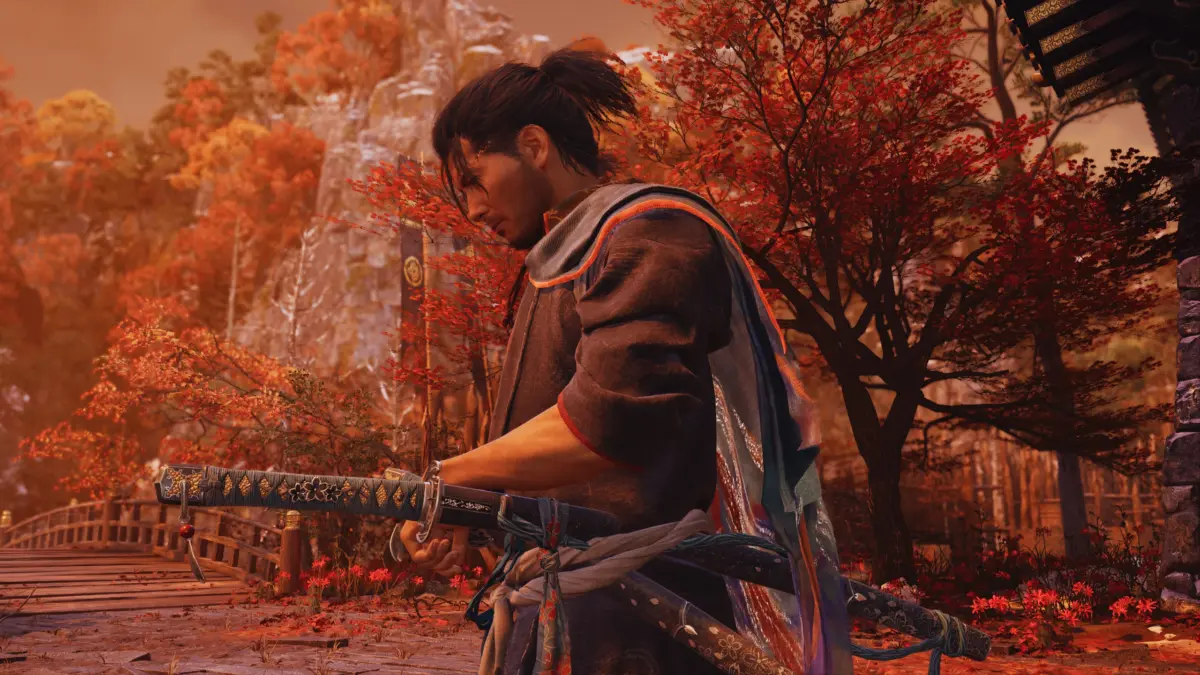
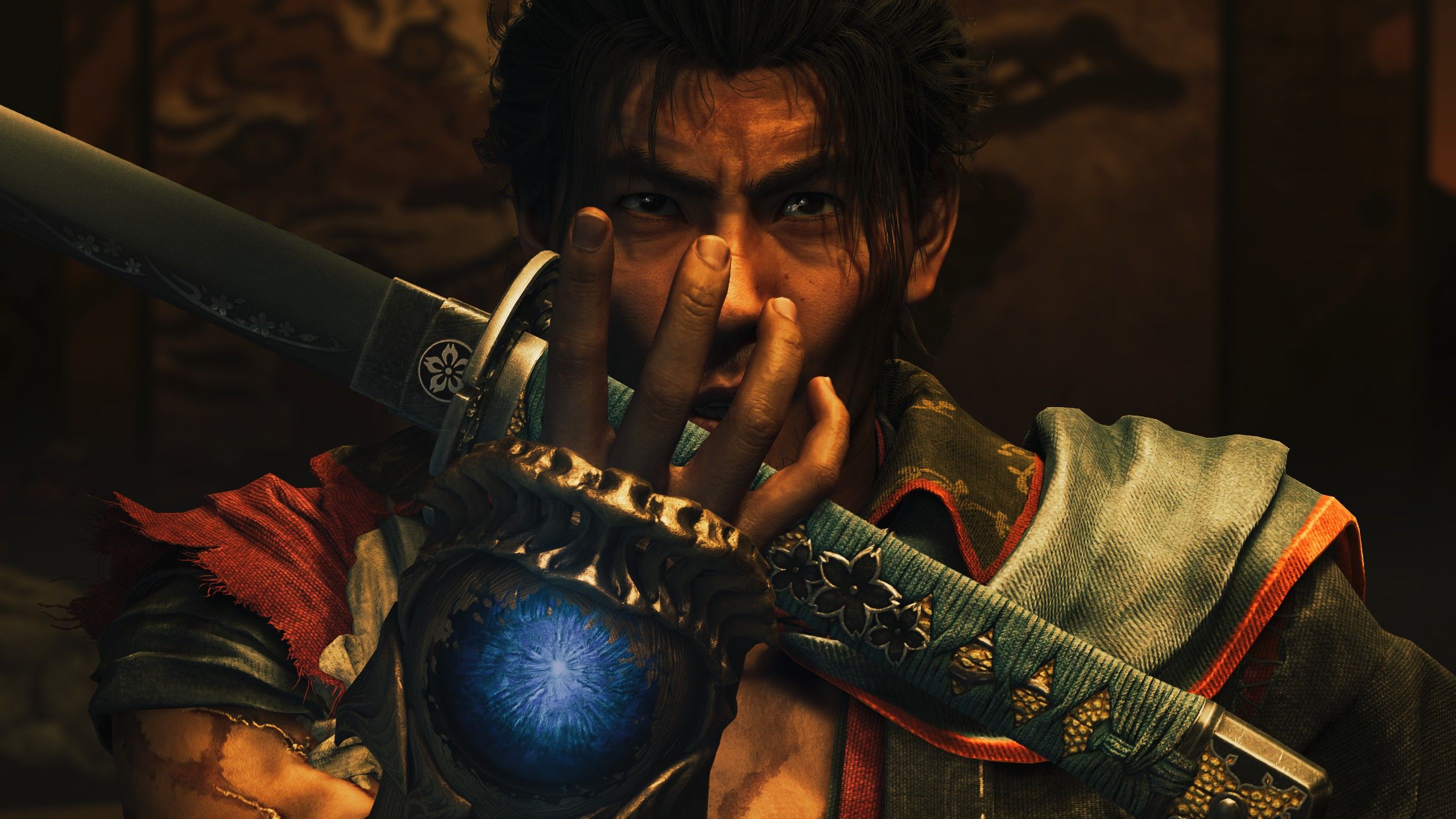
The narrative opens in the early 1600s, introducing a younger, less-famous Musashi before he claims his status as a historical icon. The opening hours lean heavily into world-building, detailing how the vagabond samurai comes into possession of a mystical gauntlet designed to absorb the corrupted souls of the Genma—a race of invading demons seeking to conquer eastern Kyoto.
Unlike its predecessors (Onimusha 1 and 2, which delivered tight, lean campaigns clocking in between 3.5 and 8.5 hours), Way of the Sword adopts a deliberate, slow-burn approach. The initial third of the game focuses heavily on mechanics tutorials and narrative setup. Basic Genma encounters feel empowering rather than lethal, serving as narrative reinforcement for Musashi’s newfound gauntlet powers. However, this design choice means the swordplay lacks real teeth until players plunge deeper into the midgame.
The Middle Stretches: Mud, Materials, and Kyoto
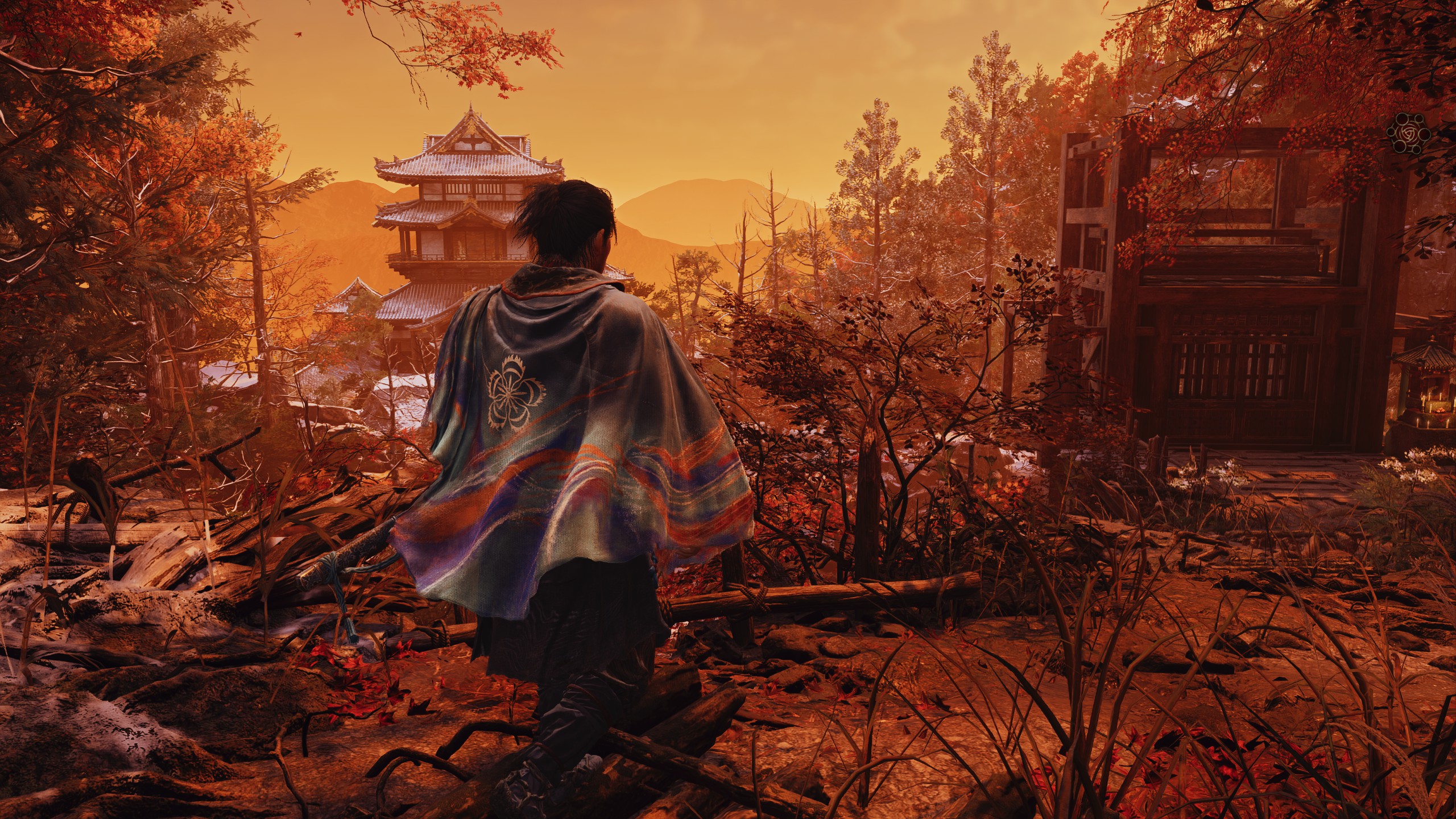
As the narrative progresses, Musashi is whisked away to striking set-pieces, including serene bamboo groves and sunset-drenched mountain fortresses. In between these major plot beats, however, players are forced to navigate the bustling, yet aesthetically weary, streets of feudal Kyoto.
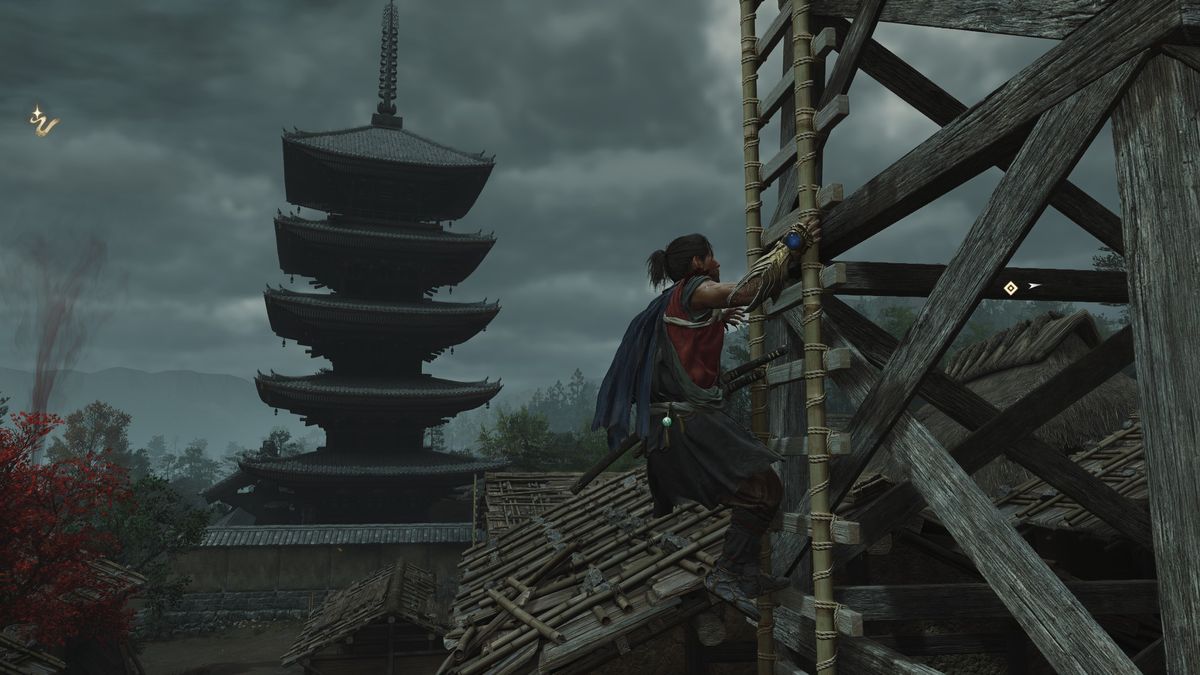
Unfortunately, much of the overworld design feels bogged down by muddy textures and drab color palettes that quickly blur together. Kyoto functions primarily as a vessel for upgrade materials and respawning packs of Genma. Players are tasked with hunting down leather, iron, and scattered collectibles to bump gear stats up by incremental margins—a design choice that betrays a clear studio anxiety about maintaining player engagement over a 35-hour runtime.
The Climax and Repetition
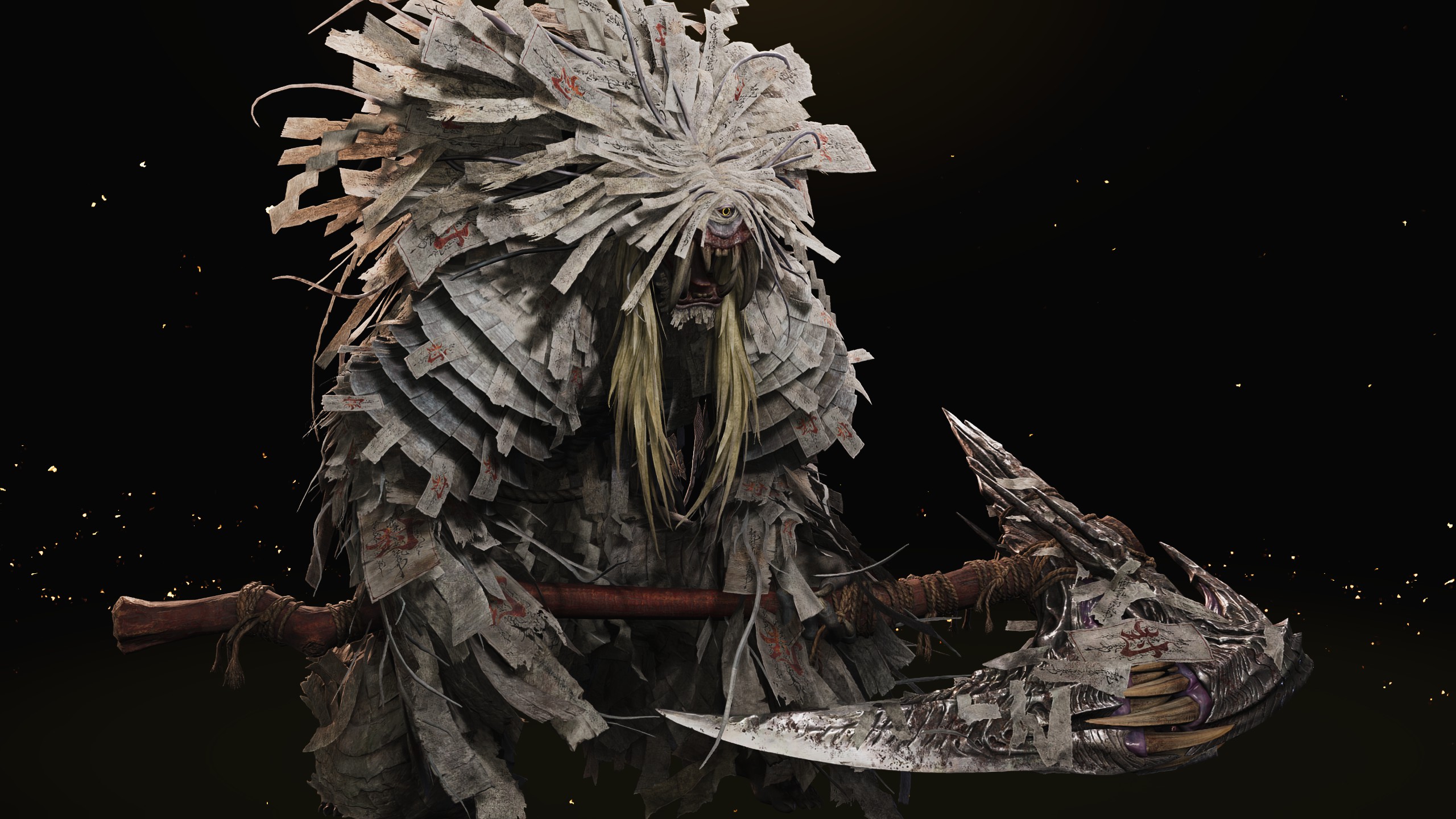
By the time the campaign reaches its final acts, the game’s structural fatigue begins to show. Minibosses like Byakue—a demon carrying a giant axe covered in ofuda talismans—are recycled multiple times, dragging down the momentum of otherwise stellar encounters. Capcom’s writers even seem self-aware of this repetition, peppering the script with dialogue where Musashi openly grumbles about having to fight the same foes repeatedly.
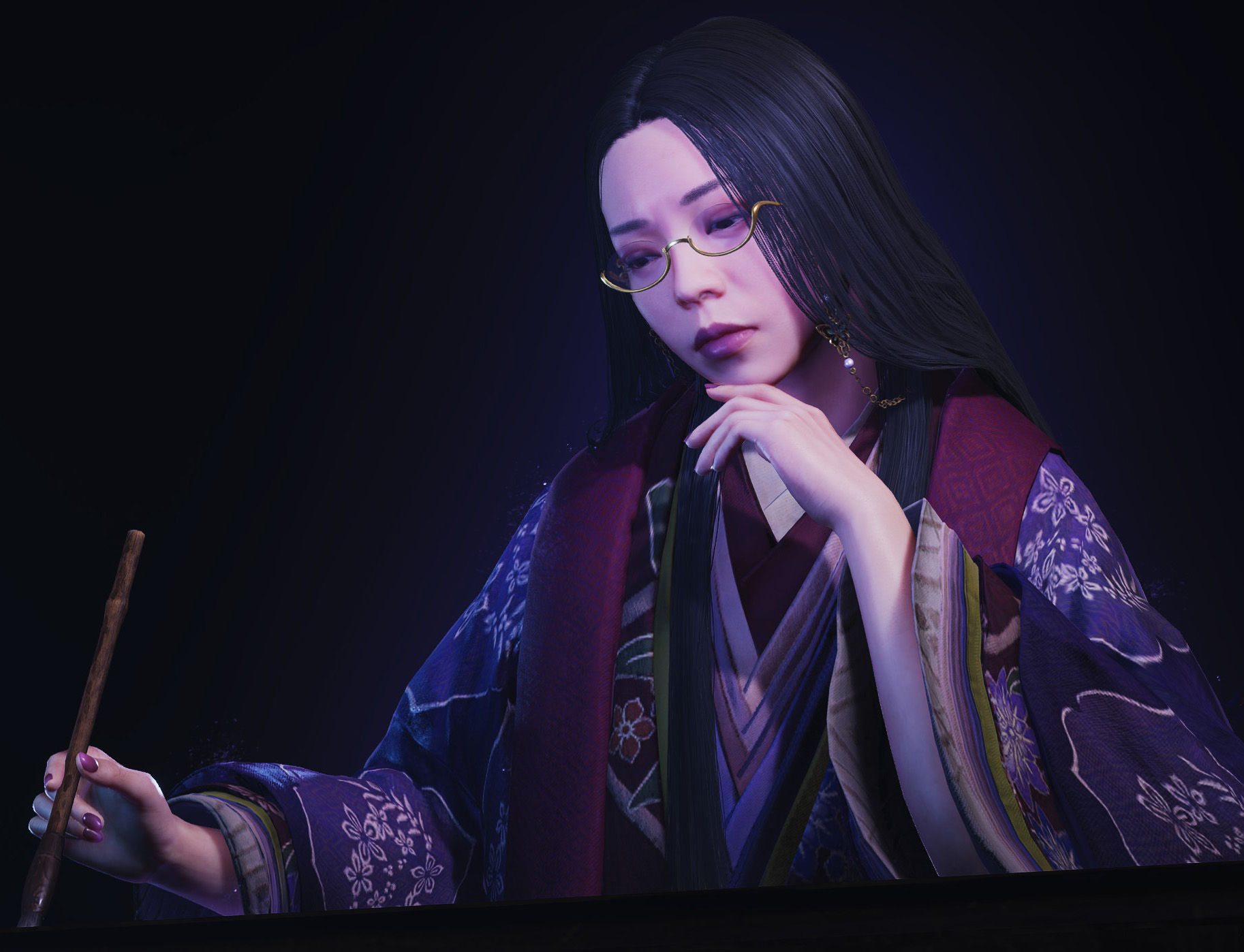
Despite these pacing speedbumps, the journey is brilliantly punctuated by the "Curious Cases" sidequests delivered by the 11th-century poet Lady Murasaki. These narrative vignettes present morbidly funny Japanese fables, culminating in Murasaki chronicling the events into legend. The profound care injected into these auxiliary tales elevates the game from a standard period action title into a genuine historical drama.
Supporting Context & Metrics
Evaluating Onimusha: Way of the Sword requires a close look at its technical framework, performance metrics, and mechanical underpinnings.
Platform Availability: PC (Steam), Consoles, Steam Deck (Playable)
Running on the RE Engine, the game achieves remarkable technical feats. On the tested AMD rig, the action routinely sustained 120 fps with maxed-out settings and AMD FSR4 set to quality. Facial animations are arguably the best Capcom has ever produced, seamlessly translating Toshiro Mifune’s micro-expressions, posture, and signature mannerisms into a digital avatar. Load times are brisk, with only minor hitches during heavy scene transitions.
Mechanical Breakdown: The Physics of Steel
The combat loop is anchored by a satisfying, tactile rhythm:
The Parry & Burn Meter: Precise parrying builds a "burning" meter for Musashi’s katana, increasing incoming damage output.
The Deflect Technique: A secondary button press with a more generous window saps enemy stamina, opening them up for brutal cinematic executions.
Stamina Management: Missing a parry window results in a blocked hit that fractures Musashi’s own stamina bar, instantly transforming a controlled duel into a desperate, high-stakes panic.
Oni Armaments: Secondary weapons allow players to rip health/power souls directly from enemies or slice through half a boss’s stamina meter in a single strike, creating an intoxicating dance of patience and aggression.
Official Statements and Developer Vision
Capcom’s return to the Onimusha IP has been heavily discussed by the development team, focusing on bridging classic survival-action tropes with modern cinematic fidelity.
"We wanted to honor the foundational DNA of what made the original Onimusha trilogy a global phenomenon—fast, aggressive action mixed with supernatural historical horror," shares the production team in promotional briefs. "However, the challenge for a modern revival was giving the digital likeness of an icon like Toshiro Mifune true emotional resonance. Musashi isn’t just a vessel for the player anymore; he is an evolving character whose physical presence on screen has to match the gravitas of classic Japanese cinema."
The studio also addressed the structural length of the game, acknowledging that the team aimed to deliver an epic-scale journey that rivals contemporary open-zone and action-RPG epics, though conceding that balancing traditional arcade pacing with modern content density remains an ongoing design hurdle.
Future Outlook: The Road Beyond Kyoto
Onimusha: Way of the Sword proves that Capcom’s appetite for reviving dormant franchises is stronger than ever. By successfully marrying the physical feedback of sword combat with pioneering digital actor preservation, the developer has set a high-water mark for historical action games in the current console and PC generation.
Yet, looking toward the future of the franchise, there are clear lessons to be learned. If Capcom greenlights a sequel—frequently teased under concepts like Way of the Two Swords—the path forward is clear: strip away the superfluous crafting bloat, minimize the muddy fetch-quests, and lean entirely into the lean, breathless structure that defined the series’ roots.
Even with its pacing flaws and padded upgrade economy, Way of the Sword delivers some of the most exhilarating, cinematically rewarding combat of the decade. It is a triumphant return for a legendary franchise, leaving fans eager to see where Musashi’s blade cuts next.