Executive Overview
For more than half a century, the cinematic footprint of Clint Eastwood has been inextricably linked to the sun-baked landscapes, poncho-clad antiheroes, and Ennio Morricone trumpet blasts of Sergio Leone’s "The Man with No Name" trilogy. Comprising A Fistful of Dollars (1964), For a Few Dollars More (1965), and The Good, the Bad and the Ugly (1966), these Italian-made masterpieces fundamentally redefined the Western genre. They replaced the sanitized, clear-cut morality of traditional Hollywood oaters with gritty realism, stylized violence, and deeply cynical protagonists.
Yet, the monumental cultural saturation of these three films has inadvertently cast a long shadow over Eastwood’s immediate post-trilogy output. Released in 1968, Hang ’Em High—directed by Ted Post and produced by Eastwood’s newly minted Malpaso Company—stands as a vital, yet frequently overlooked, bridge between Eastwood the international icon and Eastwood the visionary auteur.
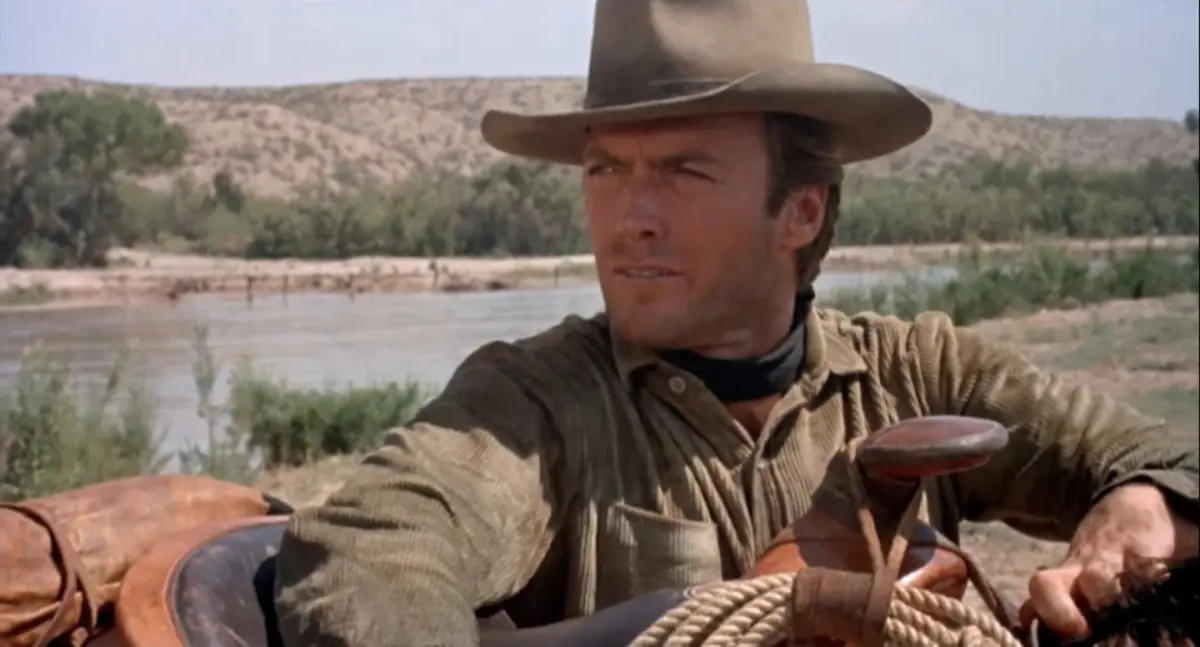
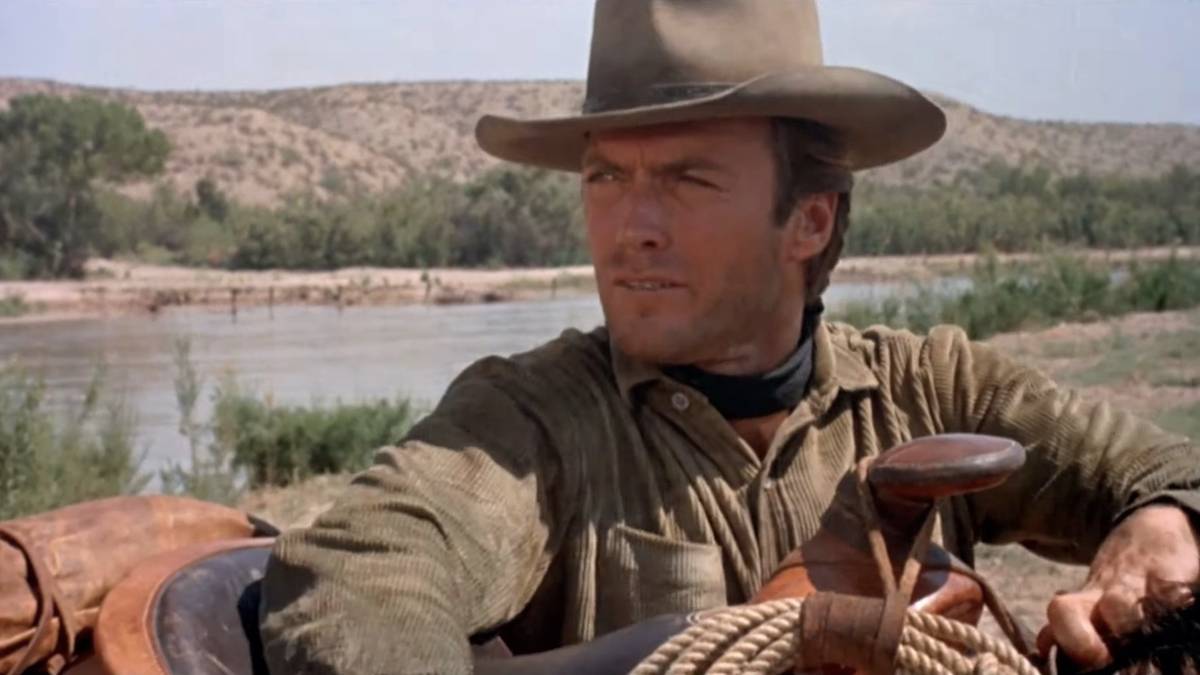
Set against the volatile backdrop of the 1889 Oklahoma Territory, Hang ’Em High introduces Jed Cooper, an ex-lawman targeted by a corrupt, bloodthirsty lynch mob. Surviving a near-fatal hanging, Cooper embarks on a complex journey of institutionalized vengeance, balancing a badge of legitimate authority with a deeply personal vendetta.
Far more than a simple Americanized imitation of the "Spaghetti Western," Hang ’Em High offers a sophisticated meditation on state-sponsored justice, mob rule, and the psychological toll of retribution. Crucially, as the film enters contemporary streaming visibility—currently available to watch entirely free on YouTube—it invites a modern reappraisal. It is not merely a footnote in Eastwood’s legendary filmography, but a crucial cornerstone that laid the thematic and professional groundwork for his subsequent directorial triumphs, including Unforgiven and Mystic River.
Detailed Chronology: From Spaghetti Stardom to Malpaso Productions
To understand the genesis of Hang ’Em High, one must examine the rapid ascent of Clint Eastwood in the mid-1960s. Prior to his departure for Italy to work with Sergio Leone, Eastwood was largely recognized in the United States as the amiable, cowhand Rowdy Yates on the long-running television series Rawhide (1959–1965). Leone recognized a brooding, laconic screen presence that American television had largely failed to exploit. However, despite the immense box-office success of the "Dollars" trilogy, Eastwood found himself financially and creatively boxed in by foreign studios, receiving minimal compensation upfront for films that grossed millions globally.
Determined to harness his newfound box-office muscle, Eastwood returned to Hollywood with a clear vision: he wanted creative control. He established his production banner, Malpaso Productions, and sought out material that could translate the gritty aesthetic of the Spaghetti Western into a narrative framework tailored for American audiences.
The script for Hang ’Em High, penned by Leonard Freeman and Mel Goldberg, originally read as a standard television pilot. Recognizing its feature-film potential, Eastwood acquired the property and immediately began exerting his influence behind the scenes. Eschewing a novice or foreign director, Eastwood handpicked television veteran Ted Post to helm the project. Post had previously directed Eastwood in episodes of Rawhide, forging a relationship built on mutual trust and a shared vision for character-driven television and film.
Principal photography commenced under the banner of United Artists, marking a transitional era where traditional Hollywood studios began acknowledging the commercial viability of darker, more violent westerns in the wake of the counterculture movement and the eventual dismantling of the Hays Code.
Eastwood’s active participation in script revisions transformed the protagonist, Jed Cooper, from a generic revenge-seeker into a nuanced, psychologically scarred individual. This period of Eastwood’s career marked a crucial professional pivot: he was no longer merely an actor taking orders from an auteur like Leone; he was actively learning the mechanics of film production, storytelling economy, and directorial tone—skills that would formally manifest when he stepped behind the camera himself for Play Misty for Me (1971).
Supporting Context & Metrics: Deconstructing the Myth of the Frontier
To fully appreciate the cinematic weight of Hang ’Em High, it is necessary to examine how the film subverted the traditional tropes of both American and Italian Westerns.
The Evolution of the Antihero
In Leone’s trilogy, Eastwood’s character is an enigma. He has no past, no documented motivations beyond survival and profit, and requires no emotional redemption. He operates in a moral vacuum. In contrast, Jed Cooper comes with a history: he is a former marshal who left the badge behind for the peaceful life of a cattle rancher in the untamed Oklahoma Territory. His suffering is immediate, unjustified, and visceral. When the lynch mob erroneously hangs him for a crime he did not commit, the audience is given an explicit psychological anchor. Cooper’s subsequent violence is not born out of cool indifference, but out of profound trauma and institutional betrayal.
The Role of Institutional Justice
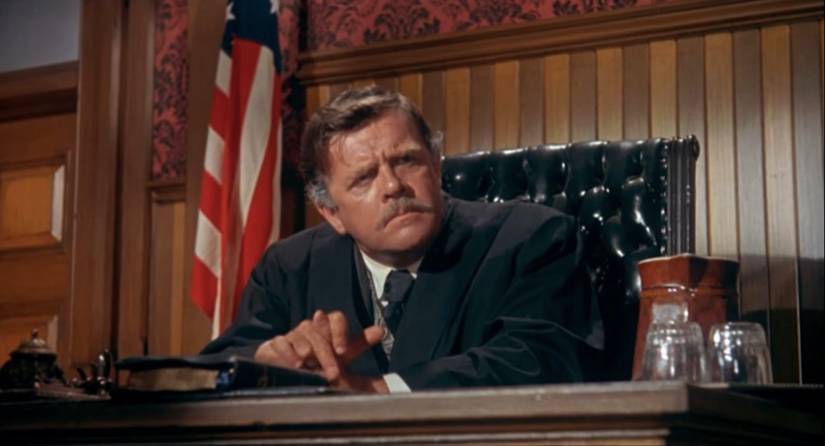
The central ideological conflict of Hang ’Em High does not rest solely between Cooper and the men who hanged him, but rather between Cooper and Judge Adam Fenton, brilliantly portrayed by veteran character actor Pat Hingle. Fenton represents the incoming tide of civilization—the literal and legal framework required to transition the Oklahoma Territory into a recognized U.S. state.

Judge Fenton is a complex study in utilitarian justice. He operates a literal hanging court, dispatching men to the gallows with cold, bureaucratic efficiency. Yet, Fenton is not a moustache-twirling villain; he genuinely believes that an iron-fisted, merciless judiciary is the only tool powerful enough to tame a lawless frontier and protect innocent settlers.
This creates a brilliant friction with Cooper, who is deputized by Fenton to hunt down the lynch mob. As Cooper witnesses the industrial scale of the judge’s executions—where men dangle in rows like harvested crops—he realizes that the state’s version of justice can be just as dehumanizing and detached from genuine morality as the chaotic mob rule that nearly killed him. This thematic exploration of systemic violence anticipates the mature, elegiac westerns of the late 20th century.
Production Metrics and Reception
- Box Office Performance: Released in the summer of 1968, Hang ’Em High was an immediate commercial blockbuster for United Artists, grossing over $14 million domestically on a modest budget, easily outperforming many contemporary studio releases and cementing Eastwood as a bonafide A-list movie star in his home country.
- Cultural Impact: The film served as the inaugural release for Malpaso Productions, paving the way for Eastwood’s decades-long partnership with studios where he maintained unprecedented creative autonomy.
- Critical Reassessment: While initial contemporary reviews were mixed—some critics balked at the film’s stark violence—modern cinematic retrospectives view Hang ’Em High as a critical stepping stone in the evolution of the Western, bridging the gap between classic Hollywood myth-making and modern neo-Western cynicism.
Official Statements and Industry Perspectives
The legacy of Hang ’Em High is best understood through the reflections of those who brought it to life, highlighting the tension and ambition that defined late-1960s Hollywood filmmaking.
Reflecting on his transition from television to film stardom, Clint Eastwood frequently noted the importance of seizing creative initiative during this era. In retrospective interviews discussing his early career choices, Eastwood emphasized that Hang ’Em High was a deliberate attempt to ground the stylized persona he cultivated in Italy within a recognizable American socio-political framework:
"When I came back from Europe, everybody wanted to cast me in the exact same mold as the Man with No Name. But I knew that American audiences needed a character they could connect with on a human level—someone who suffered, someone who had a legitimate grievance. Working with Ted Post on Hang ’Em High allowed us to explore the darker side of frontier justice without losing the heartbeat of the protagonist."
Director Ted Post, in various archival interviews regarding his collaborative relationship with Eastwood, highlighted the actor’s keen directorial instincts even before Eastwood formally stepped behind the camera:
"Clint wasn’t just an actor on that set; he was a producer who understood story rhythm and visual composition. He knew exactly what worked for his persona and what didn’t. He protected the integrity of Jed Cooper’s vulnerability. People forget that before he directed his own films, Clint was studying every frame, every setup, and every editorial decision we made on Hang ’Em High."
Film historians have similarly rallied around the film as an undervalued masterpiece. Prominent critics point out that Pat Hingle’s portrayal of Judge Fenton provides a vital counterweight to Eastwood’s stoicism, establishing a dialogue about the ethics of capital punishment that was remarkably progressive for a commercial Hollywood Western of the late 1960s.
Future Outlook: Re-evaluating the Classic in the Streaming Age
As the cinematic landscape continues to shift toward digital curation and streaming accessibility, masterpieces of the 20th century frequently face the risk of being overshadowed by contemporary content pipelines. However, the unexpected availability of Hang ’Em High as a free-to-stream title on platforms like YouTube offers a unique demographic opportunity.
For younger generations of cinephiles raised on prestige television and morally complex antiheroes—such as those found in Breaking Bad, Deadwood, or Succession—Hang ’Em High serves as a vital historical touchstone. It demonstrates that the appetite for deep, psychological explorations of justice, vengeance, and institutional corruption is not a modern television invention, but a cinematic tradition forged in the crucible of late-1960s Hollywood.
Furthermore, as film restoration initiatives continue to breathe new high-definition life into 35mm prints from the United Artists vault, the visual artistry of cinematographer Richard H. Kline—capturing the dusty, oppressive atmosphere of the frontier—demands modern theatrical and home-viewing appreciation.
Ultimately, Hang ’Em High deserves to be pulled out of the long shadow cast by Sergio Leone’s trilogy. It is a muscular, intelligent, and relentlessly compelling western that captures Clint Eastwood at his absolute transitional peak: a star claiming ownership of his career, a filmmaker finding his voice, and an icon securing his place in cinematic history. For anyone seeking to understand the evolution of the modern American antihero, revisiting the dusty trails of the 1889 Oklahoma Territory is no longer just an option—it is an essential cinematic pilgrimage.