Executive Overview
For over a decade, the annual Game Awards have functioned almost as a celebratory yearbook for Sony Interactive Entertainment. Since 2015, PlayStation’s towering ecosystem of prestige, cinematic, narrative-driven action-adventures has maintained an unbroken, ironclad grip on the Game of the Year (GOTY) nomination stage. Whether through sweeping epics like God of War and The Last of Us Part 2, or visionary platformers and atmospheric masterworks like Astro Bot and Ghost of Tsushima, Sony has stood as the undisputed powerhouse of modern AAA game design.
That extraordinary 11-year streak, however, is now facing its most perilous threat yet.
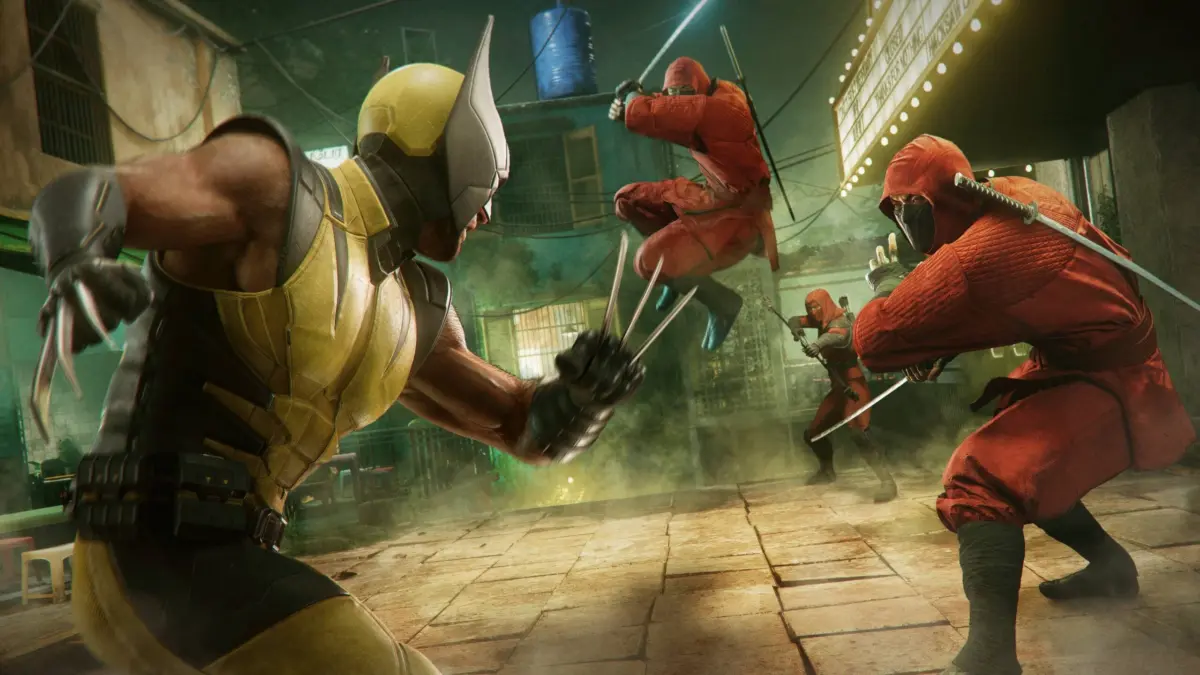
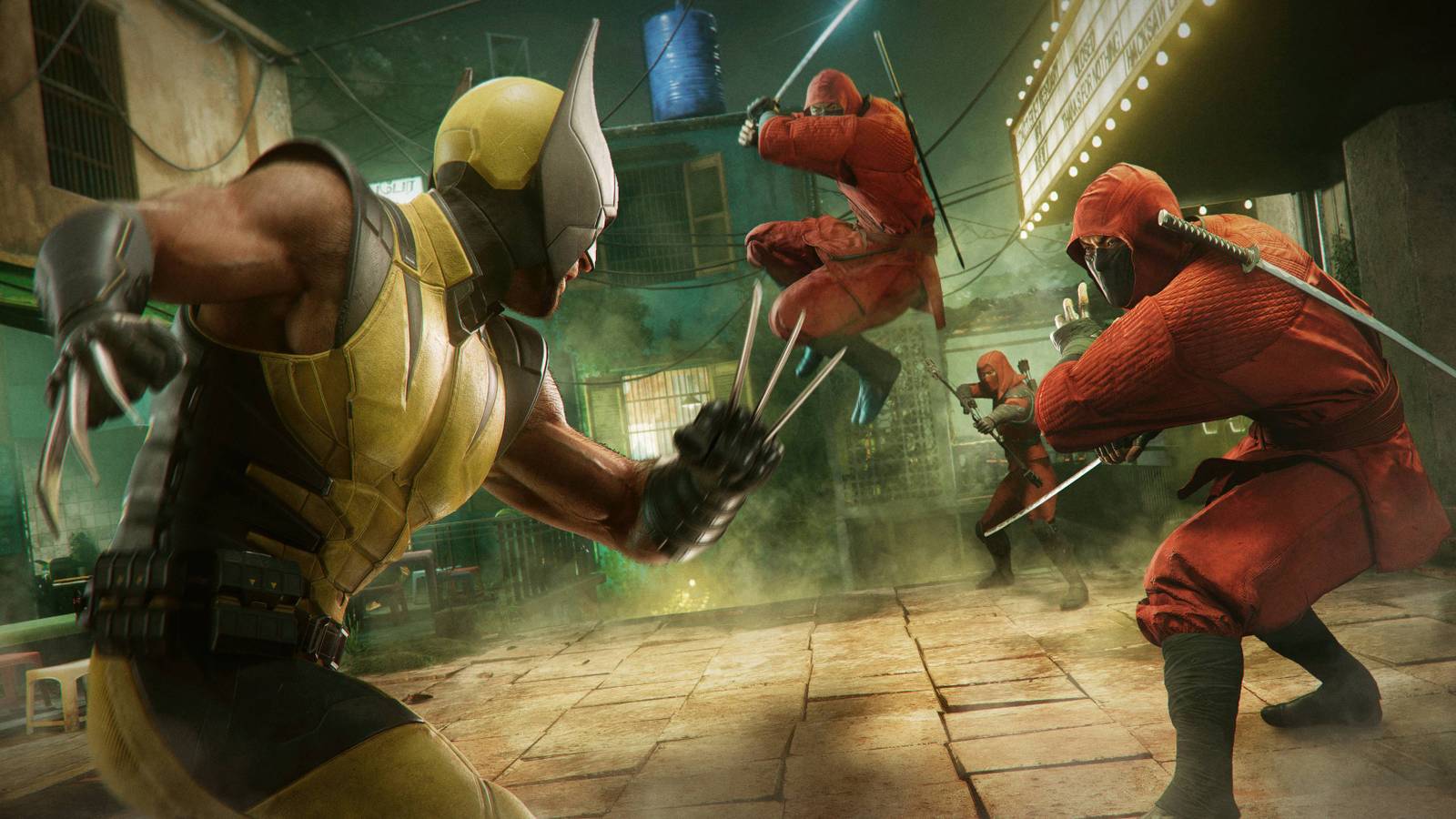
Following a lukewarm critical response to Insomniac Games’ Marvel’s Wolverine, which launched to a middling 78 on Metacritic and sharp industry critique, the publisher’s prospects for a 2026 GOTY nomination have plummeted. With a jury pool primarily composed of international games media historically reluctant to touch titles with Metascores under 80—compounded by the notoriously difficult hill that licensed intellectual properties must climb—Wolverine appears virtually locked out of contention.
While Housemarque’s critically adored sci-fi shooter Saros still carries a flicker of hope with its 87 Metacritic score, its niche appeal and the jury’s traditional bias against pure action titles leave Sony’s streak hanging by a thread. As critics increasingly voice fatigue with standardized "Sony Game" tropes, and corporate missteps loom large over the brand, 2026 threatens to mark a historic turning point: the first time in twelve years that PlayStation is entirely shut out of the industry’s highest annual echelon.
Detailed Chronology: The Rise, Stumble, and Potential Fall of PlayStation’s Streak
To understand the magnitude of Marvel’s Wolverine underperforming, one must look back at how Sony built an empire of prestige at Geoff Keighley’s annual gala.
The Genesis: 2014 and the Pre-Streak Era
When The Game Awards debuted in its modern incarnation in December 2014, Sony was a major industry player, yet it sat out the inaugural Game of the Year race. The heavy hitter for PlayStation 4 that year was Sucker Punch Productions’ Infamous: Second Son, which earned a respectable but unextraordinary 80 on Metacritic. The inaugural GOTY crown ultimately went to BioWare’s Dragon Age: Inquisition. At the time, few could have predicted that this single omission would remain the only year Sony failed to secure a seat at the table for over a decade.
The Golden Decade (2015–2024)
Beginning in 2015, Sony engineered an unprecedented run of critical successes that completely aligned with the tastes of the global games media jury.
- 2016–2017: Naughty Dog and Guerrilla Games kept the momentum alive with narrative heavyweights, establishing a reliable pipeline of polished cinematic blockbusters.
- 2018: Santa Monica Studio delivered a masterclass in re-imagining a classic franchise with God of War, capturing Sony’s first official GOTY win.
- 2020: In a pandemic-shrouded year, The Last of Us Part 2 swept multiple categories, securing Sony’s second top prize amid intense cultural conversation.
- 2021–2023: A continuous stream of nominations—ranging from Sucker Punch’s sweeping historical epic Ghost of Tsushima to Insomniac’s web-slinging marvels—kept the streak alive, even as sprawling RPGs from third-party developers began to muscle in on the grand prize.
- 2024: Team Asobi’s joyful, precision-crafted platformer Astro Bot achieved the unthinkable, proving that Sony’s creative bandwidth extended far beyond grim-dark prestige dramas to claim the 2024 GOTY crown.
The 2026 Turning Point: Enter Wolverine
Fast-forward to September 2026. Insomniac Games—long heralded as one of the most reliable and efficient studios in the industry—released Marvel’s Wolverine after a troubled development cycle that notably included a high-profile game director swap two years prior.
Instead of a triumphant masterpiece, critics were met with an experience that felt creatively constrained. Reviewers pointed to relentless, fatiguing combat loops and uneven storytelling. Polygon’s review went as far as labeling it "the biggest disappointment of the PS5 era." Settling at a 78 on Metacritic, Wolverine crossed a dangerous psychological and historical threshold: it fell below the magic "80+ Metascore" floor that has historically served as an unwritten prerequisite for Game Awards GOTY consideration.
Supporting Context & Metrics: The Anatomy of a Game Awards Nomination
Why do Metacritic scores and critical consensus weigh so heavily on The Game Awards? The answer lies in the composition of the voting body itself.

The Jury Dynamic and the Metascore Barrier
The Game Awards voting jury is predominantly composed of international games journalists, critics, and media outlets. Because the voting body relies heavily on critical consensus to evaluate dozens of massive releases across a single calendar year, historical data reveals a striking trend: no game has ever been nominated for Game of the Year with a Metascore below 80.
While fan-voted categories occasionally introduce wildcards, the primary GOTY shortlist is heavily anchored by critical acclaim. At 78, Marvel’s Wolverine sits outside this historical safety net.
The Licensed Property Penalty
Compounding its score deficit, Wolverine faced an uphill battle from day one due to its status as a licensed adaptation. Properties originating outside the medium of video games—particularly comic book characters and cinematic franchises—are historically underrepresented in major award categories.
While Insomniac’s own Marvel’s Spider-Man titles successfully broke this barrier through sheer technical and narrative polish, they represent the exception rather than the rule. When a licensed game fails to transcend its source material through transcendent design—as Wolverine reportedly failed to do—it struggles to capture the attention of a jury looking for artistic innovation.
Sony’s Dominance in Numbers
To contextualize what a snub means for Sony, consider the publisher’s historical footprint at the event:

- Total Wins: 3 (God of War [2018], The Last of Us Part 2 [2020], Astro Bot [2024]).
- Total Nominations: 14 across 11 consecutive years.
- Multi-Nominee Feats: On three separate occasions, Sony managed to secure two simultaneous slots within a single year’s six-game GOTY shortlist—a feat matched only twice by Nintendo.
Official Statements and Industry Insights
The writing on the wall for Marvel’s Wolverine may have been telegraphed long before reviews hit the internet. Industry insiders and structural shifts within Insomniac and Sony point to internal awareness that the project was facing friction.
Reports highlighted a crucial change in game directors midway through development, a maneuver that typically indicates a project is struggling to find its footing or is veering off its intended creative course. While leadership changes are common in modern AAA development to salvage ambitious visions, in the case of Wolverine, the pivot appears to have come too late to completely rectify structural pacing and combat fatigue issues.
Furthermore, critics and analysts have begun pointing out a broader creative vulnerability within PlayStation’s catalog. For a decade, the "Sony Prestige Game"—defined by cinematic third-person action-adventure, high production values, environmental storytelling, and emotional stakes—was the gold standard of the industry. However, tastes among critics and juries have visibly shifted toward deeply systemic, player-driven role-playing games (Elden Ring, Baldur’s Gate 3, and breakout genre-blenders like Clair Obscur: Expedition 33).
As Polygon’s analysis notes, Wolverine’s primary critique wasn’t just that it faltered individually, but that it leaned too narrowly into aging "Sony Game" tropes just as critics grew tired of the formula.
Future Outlook: Can Housemarque Save the Streak, or Is 2026 a Lost Year?
With Marvel’s Wolverine effectively disqualified from top-tier award contention, Sony’s entire hopes for maintaining its 11-year streak now rest on the shoulders of Housemarque and their intense sci-fi shooter, Saros.
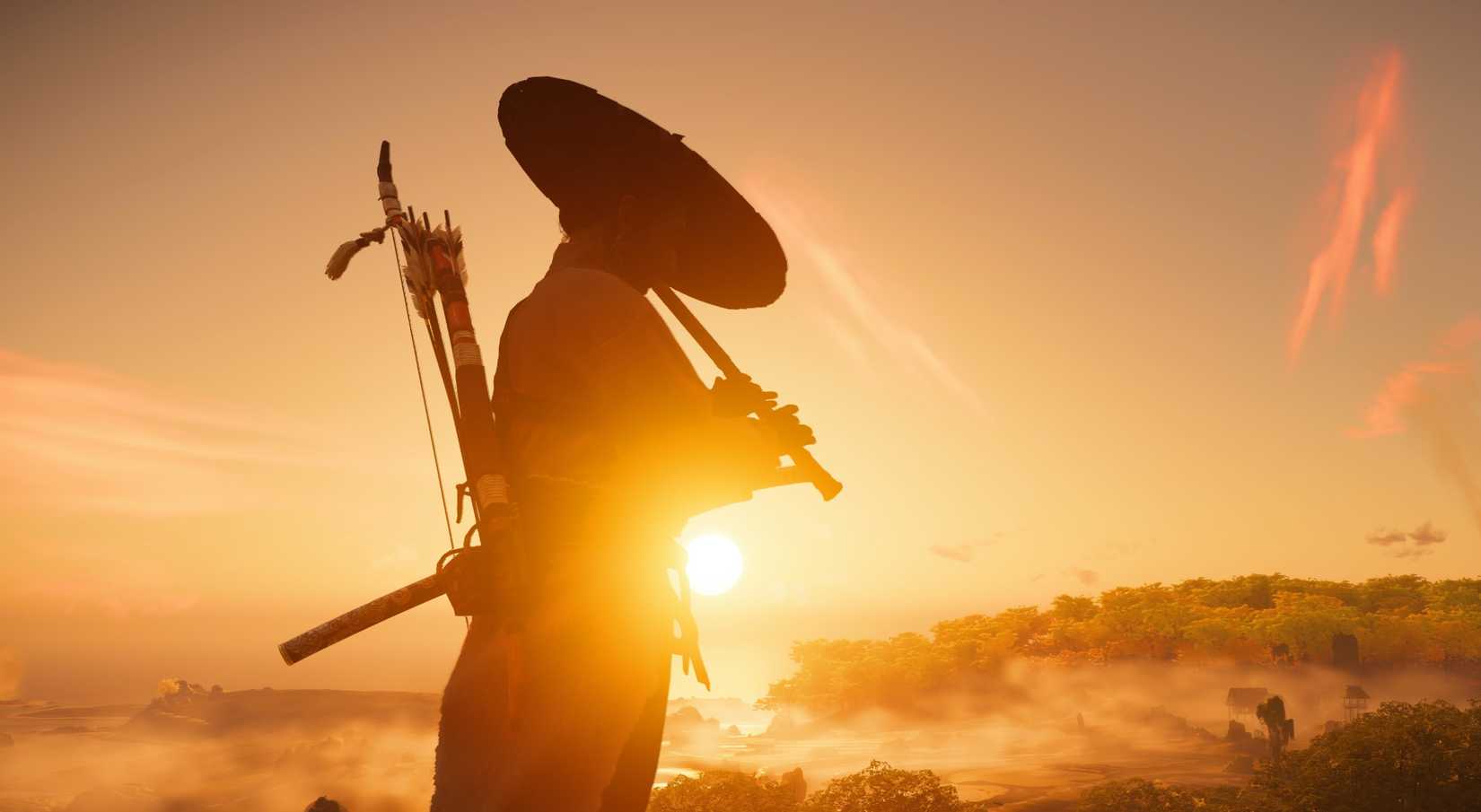
The Saros Factor
Unlike Wolverine, Saros has enjoyed a stellar critical reception, currently boasting an impressive 87 on Metacritic. Praised for its breathtaking visual fidelity, razor-sharp responsive mechanics, and atmospheric depth, it represents the absolute pinnacle of high-octane action gameplay.
However, Saros faces two major hurdles in securing a GOTY nomination:
- Commercial Reach: It is not nearly as widely played or culturally ubiquitous as narrative epics or massive open-world RPGs.
- The Action Bias: The Game Awards jury has historically been hesitant to reward pure, unadulterated action and arcade-style shooters with top GOTY honors (evidenced by Housemarque’s own Returnal, which was shut out in 2021 despite favorable critical conditions).
Reputational Headwinds
Beyond software performance, Sony has faced severe reputational headwinds throughout 2026—most notably corporate decisions regarding the winding down of certain physical media production pipelines and shifts in publishing strategy. While a voting jury strives to judge creative works on their individual merits, a pervasive cloud of negative consumer sentiment surrounding a publisher rarely aids a borderline contender in tight races.
Conclusion
If Saros fails to break through the narrative RPG dominance at the upcoming awards ceremony, Sony Interactive Entertainment will officially experience its first Game Awards shutout since the gala’s inception in 2014.
For a company that has defined the very shape of prestige gaming for over a decade, missing out on the conversation in 2026 will not merely be a scheduling footnote—it will serve as a definitive wake-up call. As the industry evolves past predictable formulas and demands fresher, more systemic design paradigms, PlayStation’s creative blueprint may finally need a radical reinvention.