Executive Overview
The landscape of Massive Multiplayer Online (MMO) gaming is shifting once more, driven by a controversial business decision from Blizzard Entertainment. With the announcement of World of Warcraft: Forever—a fresh fork of the legendary MMORPG designed to capture a distinct segment of the player base—Blizzard has introduced a hybrid economic model that is already sending shockwaves through the community.
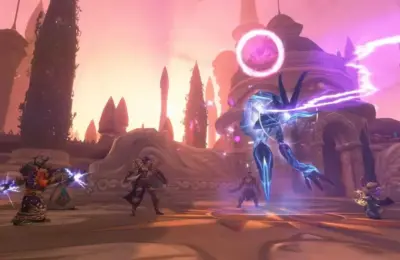
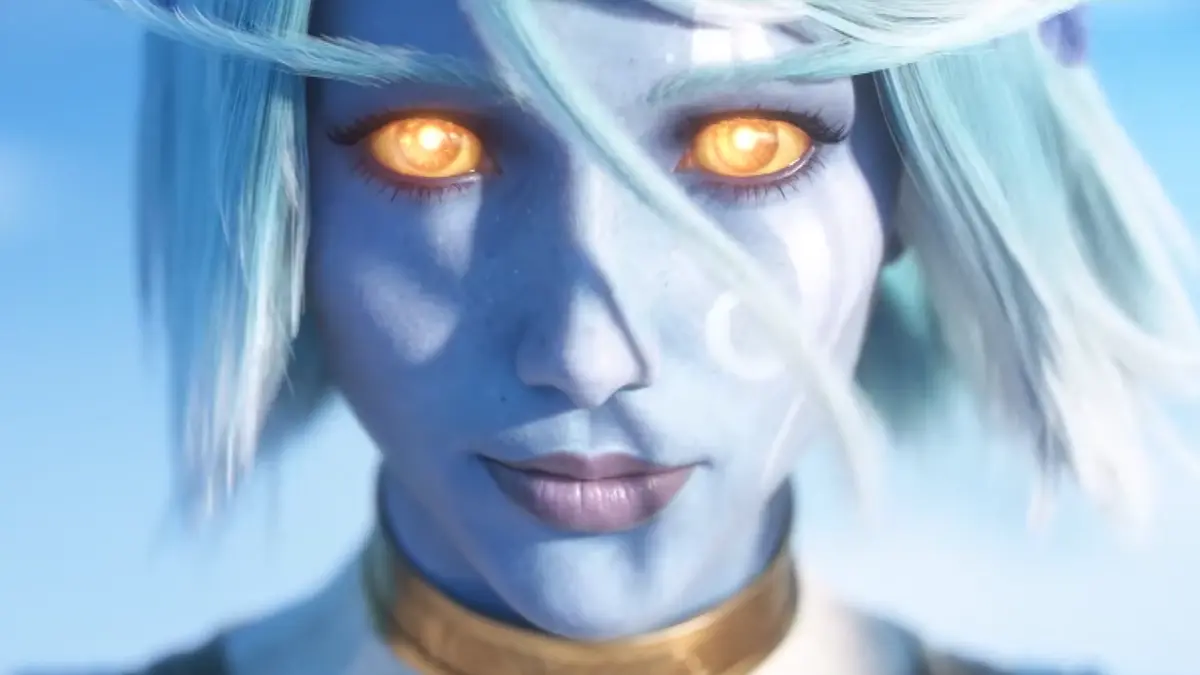
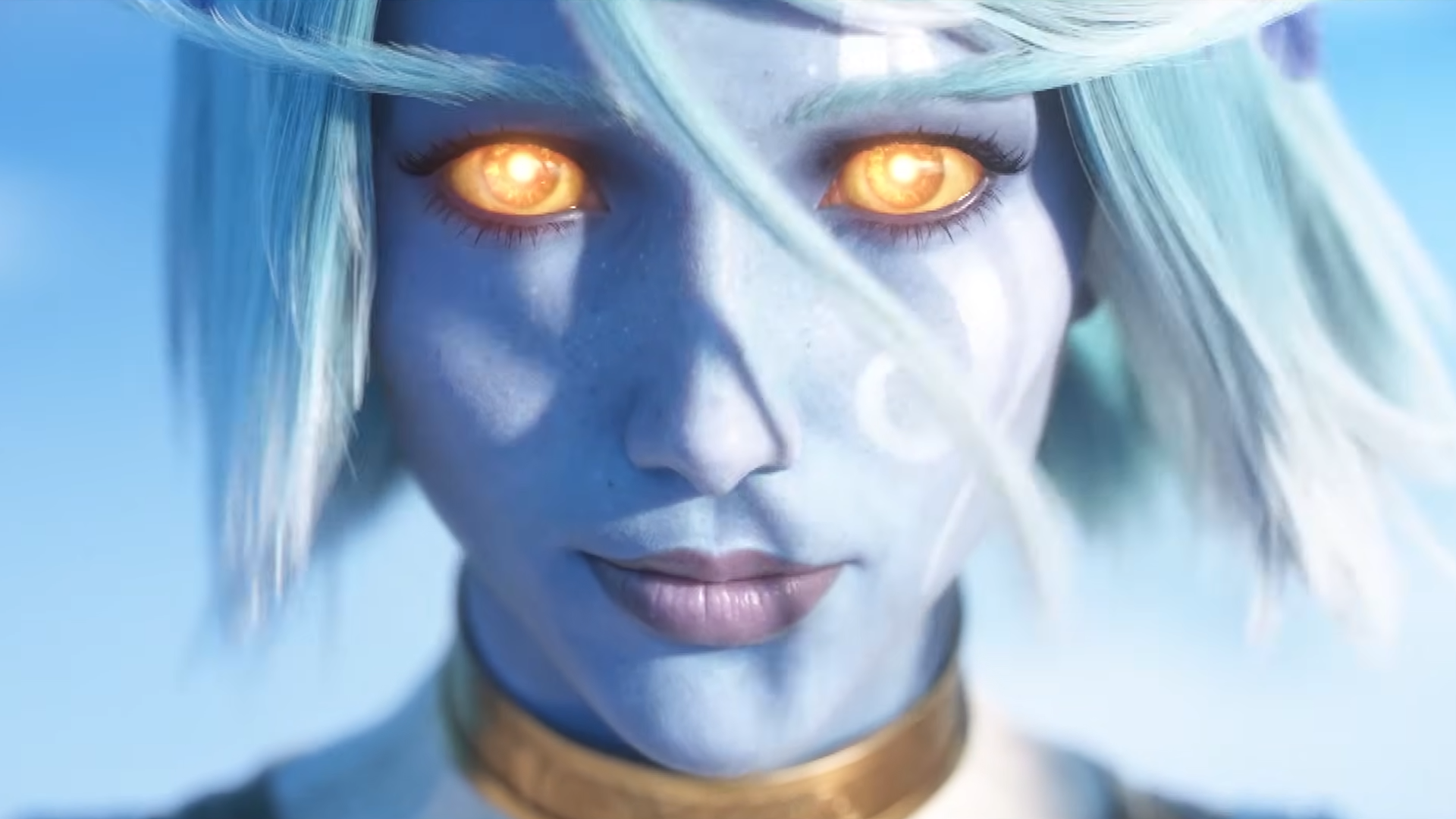
While the core mechanics, updates, and overall content of World of Warcraft: Forever are accessible under the standard monthly subscription fee, a crucial component of the expansion has been walled off. The newly introduced Skyborne Elf race, alongside its bespoke starter zone experience, is locked behind a separate $29.99 purchase via the Battle.net shop.
Dubbed the "Skyborne Hero Pack," this purchase bundles the race with a few digital extras: an exclusive mount, cosmetic items, housing decorations, and early character name reservation rights. However, the focal point of the transaction remains the race itself. For a community accustomed to paying for major expansions that include multiple races, classes, and continents, the realization that a single race commands a $30 price tag has ignited a fierce debate over value, consumer rights, and the evolving monetization standards of modern live-service games.
This article provides an exhaustive look at the World of Warcraft: Forever economic model, breaking down the financial implications, industry comparisons, insider perspectives, and what this signals for the future of Azeroth.
Detailed Chronology: The Evolution of WoW: Forever and the Paywall Backlash
The Genesis of World of Warcraft: Forever
For years, the World of Warcraft community has operated within defined parameters: the modern retail iteration (currently housing the World of Warcraft: The War Within era) and the legacy movement via World of Warcraft Classic, which meticulously recreates past eras of the game from Vanilla through Cataclysm.
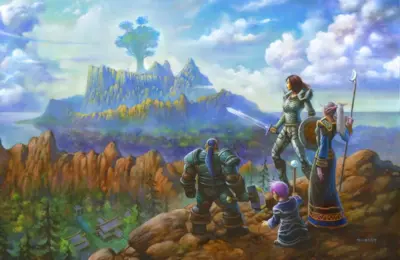
However, World of Warcraft: Forever represents something entirely different. It is an experimental fork of the MMO, tailored to offer a curated experience that blends nostalgic design philosophies with modern quality-of-life updates. When Blizzard first teased the project, the community response was overwhelmingly positive. The promise of a fresh, dedicated ecosystem included in the standard subscription model felt like a win for longtime subscribers who felt alienated by the escalating costs of modern gaming.
The Shoe Drops: The $30 Skyborne Race Revelation
The goodwill generated by the announcement of Forever hit a major roadblock when industry sleuths and news outlets like MMORPG.com detailed the fine print of the rollout. While the overarching game world and its systems are tied to the traditional $14.99/month subscription, Blizzard revealed the "Skyborne Hero Pack"—a $29.99 add-on required to unlock the Skyborne Elf race and their dedicated introductory leveling experience.
The backlash was swift. Forums, Reddit threads, and social media platforms lit up with accusations of aggressive monetization. Gamers who had budgeted for a standard subscription-based experience suddenly faced an unexpected barrier to entry for what many consider core character creation features.
The Contents of the Skyborne Hero Pack
To understand the controversy, one must look at what Blizzard is actually offering for the $29.99 price point. The package includes:
- The Skyborne Elf Race: Complete with unique racial abilities, animations, and lore integration.
- Exclusive Starter Zone: A tailored introductory leveling experience unique to the Skyborne lineage.
- Mount & Cosmetics: Digital flair designed to showcase ownership of the pack in-game.
- Housing Decorations: Items geared toward the player-housing systems integrated into the Forever project.
- Early Name Reservation: The ability to lock in coveted character names before the official server launch.
Despite these inclusions, the community has largely reduced the product to a blunt shorthand: the "$30 elf."
Supporting Context & Metrics: Market Realities and Sticker Shock
Industry Standards vs. MMO Norms
To evaluate whether the $30 Skyborne Elf is an outlier or an industry trend, one must examine the broader gaming landscape. In the realm of free-to-play live-service titans—such as Overwatch, League of Legends, and Diablo—high-end cosmetic pricing has spiraled out of control. Players regularly see individual skins, mounts, and weapon bundles priced anywhere from $20 to $40. Seen through this specific lens, Blizzard’s pricing strategy for the Skyborne Hero Pack is merely keeping pace with contemporary monetization trends in AAA gaming.
However, MMORPGs have historically operated under a different economic social contract. Traditionally, a player pays a monthly subscription fee, which historically entitled them to all playable content updates released during that period, with major expansions acting as the primary paid milestones (ranging from $40 to $50).
When compared to the broader Steam marketplace—where critically acclaimed indie games and even robust cooperative titles routinely retail for $20 or less—paying $30 essentially for access to a character model and a localized starting zone induces severe sticker shock. For the price of a single race in WoW: Forever, a consumer can purchase entire standalone video games with dozens, if not hundreds, of hours of content.
Historical Expansion Value Breakdown
Let us look at historical precedents within World of Warcraft itself:
- The Burning Crusade (2007): Introduced two new races (Blood Elves and Draenei), a new profession (Jewelcrafting), an entire continent (Outland), flying mounts, and dozens of dungeons for $39.99.
- Mists of Pandaria (2012): Introduced a new race (Pandaren), a new class (Monk), a new continent, and pet battles for $39.99.
- The Skyborne Hero Pack (Current): Offers one race, one starter zone, and minor digital extras for $29.99—without a new continent, profession, or full expansion-tier campaign.
When juxtaposed against past expansion packs, the valuation of the Skyborne Elf becomes difficult for traditional MMO veterans to justify.
Official Statements and Industry Insights
Perspectives from the Ground: BlizzCon and Developer Intent
To gain a clearer picture of how this decision was formulated behind closed doors, industry analysts and on-the-ground journalists have weighed in. Speaking with PC Gamer contributor and BlizzCon attendee Tyler Colp, a sobering projection emerged regarding the future trajectory of World of Warcraft: Forever.
Colp wagered that if the Skyborne Elf monetization model proves successful for Blizzard, it will establish a dangerous precedent. Any new classes, races, or major character archetypes introduced down the line in Forever will almost certainly be monetized in a similar fashion. Furthermore, Colp argued that gating foundational character options behind a steep paywall runs counter to the nostalgic, community-driven spirit that made "Classic" variants of World of Warcraft so beloved in the first place.
The Community Divide
Reactions to the monetization strategy are deeply fractured, highlighting a generational divide in the gaming populace:
- The Live-Service Veterans: Players heavily entrenched in modern live-service ecosystems, hero shooters, and gacha games view the $30 price tag as standard operating procedure. To them, convenience, cosmetic prestige, and early access routinely command a premium.
- The Traditional MMO Purists: Longtime subscribers argue that nickels-and-dimes microtransactions poison the egalitarian nature of the MMORPG genre. For these players, locking a race behind a paywall creates tangible gameplay stratification—dividing those who can afford the extra fee from those restricted to legacy races.
Future Outlook: What the $30 Elf Means for the Future of Azeroth
As World of Warcraft: Forever marches toward its official release, the implications of the Skyborne Hero Pack extend far beyond a single digital avatar.
1. Normalization of A La Carte MMO Features
If Blizzard successfully monetizes the Skyborne Elf without suffering catastrophic subscriber attrition, other legacy and experimental MMO projects across the industry will take notice. We may see a future where character classes, crafting professions, or even specific skill trees are unbundled from expansions and sold individually.
2. The Subscription Model Under Pressure
The traditional monthly subscription fee was once designed to cover the entirety of a game’s ongoing operational costs and content output. By siphoning high-value assets—like new races—out of the subscription ecosystem and into standalone premium packs, publishers are effectively redefining what a subscription actually buys. Consumers are left paying the same monthly fee while receiving a diluted package unless they continually opt into auxiliary microtransactions.
3. Consumer Advocacy and Wallet Voting
Ultimately, the fate of the $30 elf rests in the hands of the players. The classic adage of "voting with your wallet" remains the final arbiter. Will the allure of early name reservations, housing decorations, and a glowing elf model outweigh the principle of consumer pushback?
As the gaming community continues to sound off in forums and comment sections, the launch of World of Warcraft: Forever will serve as a definitive litmus test for how much financial friction modern gamers are willing to endure in pursuit of nostalgia.