Executive Overview
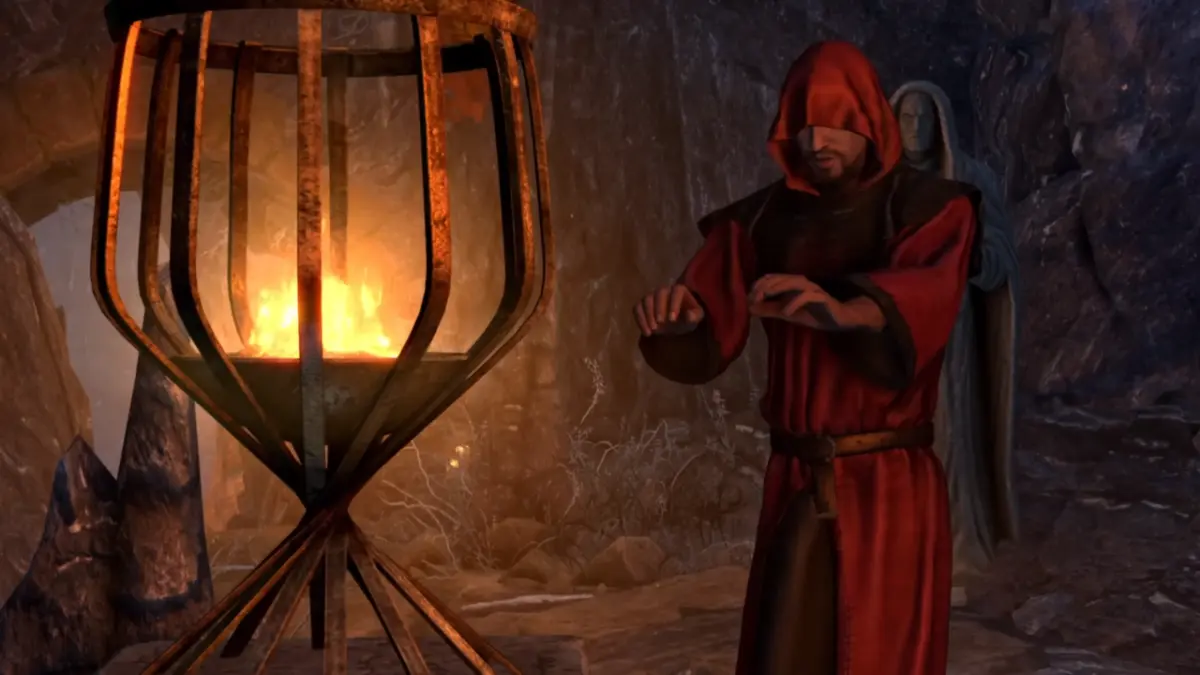
The gears of one of the most ambitious community-driven modding undertakings in video game history are still grinding forward, though an exact release date remains elusive. Skyblivion—the monumental total-conversion modification designed to rebuild Bethesda Game Studios’ classic 2006 RPG, The Elder Scrolls IV: Oblivion, inside the modern, vastly superior architecture of The Elder Scrolls V: Skyrim Special Edition—is undeniably drawing closer to its ultimate destination. Yet, in a twist characteristic of volunteer-driven development, the latest call to arms issued by the project leads isn’t for programmers, world-builders, or level designers to cross the finish line. Instead, the team is actively recruiting talent to tell the world that the end is finally in sight.
In a public broadcast across the project’s official Discord channel and verified social media platforms like Bluesky, the Skyblivion development collective put out an urgent call for volunteers specializing in communications. Specifically, they are looking for experienced video producers, trailer editors, social media managers, and gameplay capture specialists. The goal? To build a robust media machine capable of producing developer interviews, promotional trailers, and coordinated content rollouts as the project gears up for a major marketing push.
This sudden pivot toward external communications signals a significant psychological and operational milestone for the team. Gearing up for a promotional blitz is traditionally the final staging ground before a product hits consumers. However, with the calendar steadily ticking down through the final stretch of 2026—following a painful delay announced late last year—the community is left balancing soaring optimism with cautious skepticism. Skyblivion has been in continuous development for over a decade, and while the project lead has expressed confidence in the current build, the shadow of past setbacks looms large. As the volunteer crew rallies its troops for the home stretch, the gaming world watches with bated breath, hoping that Cyrodiil’s grand return is finally just around the corner.
Detailed Chronology: A 14-Year Odyssey Through the Shivering Isles and Beyond
To truly understand the weight of Skyblivion’s current promotional push, one must look back at the monumental timeline of its creation. The project did not begin overnight; it is the product of an arduous, agonizingly detailed, and deeply passionate grassroots effort that spans multiple hardware generations.
2012–2016: The Genesis and the Shift to Skyrim
The concept of porting older Elder Scrolls titles into newer engines is almost as old as the franchise itself. Following the massive success of Skyrim in late 2011, modders quickly realized that Bethesda’s Creation Engine iteration possessed lighting, physics, and rendering capabilities far superior to the aging Gamebryo engine that powered Oblivion. Early iterations of the project—originally spearheaded by independent modders before consolidating under the umbrella banner of TESRenewal—faced severe technical hurdles.
In its infancy, the team had to figure out how to bridge the massive gap between the asset formats of two different generations of games. Landmasses, textures, meshes, and quest logic had to be painstakingly reconstructed or converted. For the first several years, progress was glacial, characterized by proof-of-concept videos showing the lush forests of the Chorrol region or the imperial architecture of the Waterfront District rendered with Skyrim’s crisp lighting shaders.
2016–2020: Structuring the Chaos
By the mid-2010s, Skyblivion transitioned from a loose collection of hobbyist projects into a highly structured, department-based development studio. Operating entirely on a volunteer basis, the team established dedicated divisions for landscaping, interior design, quest scripting, 3D modeling, and audio engineering.
During this period, project lead Rebelzize became the public face of the enterprise, regularly dropping development diaries that showcased staggering leaps in quality. Gone were the placeholder assets and broken animations of the early days; instead, viewers were treated to fully functioning gameplay loops, seamless cell transitions, and completely overhauled combat systems that married the fluid movement of Skyrim with the tactical depth—or lack thereof—of Oblivion.
2021–2024: The Longing for a Release Window
As the 2020s rolled on, public anticipation reached a fever pitch. Fans weary of waiting for official remasters from Bethesda cast their eyes toward the fan-made alternative. The team began teasing a realistic timeframe for launch, eventually planting a flag in the ground for a tentative 2025 release window.
Throughout these years, the sheer scope of the project became apparent to outsiders. Recreating Cyrodiil meant not just rebuilding the landscape, but re-scripting hundreds of quests, voicing thousands of lines of dialogue (using a mix of AI-assisted filtering, pristine archival audio processing, and volunteer voice actors), and adapting intricate DLC expansions like Knights of the Nine and Shivering Isles.
2025–2026: The Inevitable Slip and the Road to Now
Hope for a 2025 launch was ultimately dashed in December of that year. Citing the need for polish and structural stability, the team made the difficult decision to push the release window into 2026. While fans expressed momentary disappointment, the bitterness was tempered by transparency: the developers emphasized that the game was in the best state it had ever been, but rushing it would mar a decade of meticulous labor.
In April 2026, Rebelzize offered a candid status update. Addressing the community, he acknowledged the harsh reality of independent game development: "There’s always the chance shit hits the fan and we suffer another major setback." However, he balanced this warning with an encouraging reassurance, adding, "From what I see internally, I am pretty optimistic."
Aside from a brief period of mourning in June 2026 following the tragic passing of beloved modder and mentor Kettlewitch, the team has kept its collective head down. Now, with the launch of this recruitment drive for communications personnel, the silence is finally breaking—and it points directly toward an impending marketing campaign.
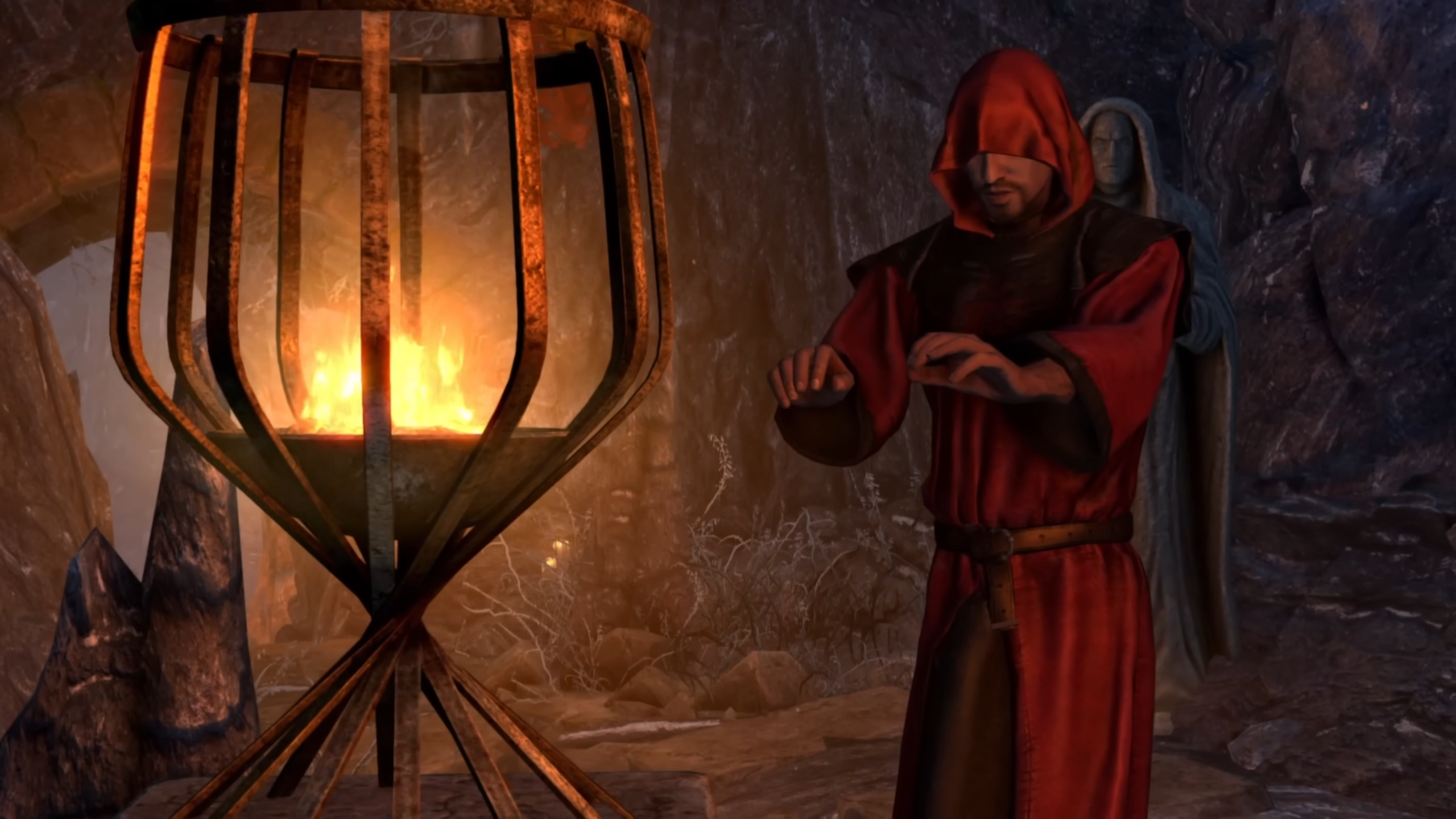
Supporting Context & Metrics: The Anatomy of a Mega-Mod
To contextualize Skyblivion, one must look at the unprecedented scale of the undertaking. Traditional mods alter a weapon, add a companion, or revamp a texture pack. Skyblivion is, for all intents and purposes, an entirely new AAA-scale role-playing game built using existing intellectual property under fair-use modification frameworks.
The Scope of Cyrodiil Rebuilt
- Landmass: The entire province of Cyrodiil—spanning from the snowy peaks of Bruma to the tropical jungles of Leyawiin, and the murky bogs of Cheydinhal—has been rebuilt from the ground up.
- Asset Overhaul: Every single tree, rock, building, and piece of armor has been evaluated. Many have been completely remodeled to take advantage of modern polygon counts and texture resolution standards.
- System Integration: The mod integrates Skyrim Special Edition’s more stable 64-bit engine, significantly reducing the infamous CTDs (Crash to Desktop) that plagued vanilla Oblivion on modern operating systems. Furthermore, it incorporates modern UI enhancements, modular crafting systems, and refined perk trees while striving to retain the core identity of Oblivion’s leveling and attribute mechanics.
The Volunteer Economy
Unlike traditional studios backed by venture capital or corporate publishers, Skyblivion runs on pure passion. Hundreds of contributors have cycled through the project over its 14-year lifespan. Programmers, sound designers, and concept artists contribute in their spare time, balancing full-time careers, families, and education with the monumental task of rebuilding Tamriel.
Because fortunes will not be won or lost on a delayed spreadsheet or a missed fiscal quarter, the team answers only to its own high standards of quality. This independence is both a blessing and a curse: it liberates the creators from publisher crunch, but it leaves them vulnerable to burnout, attrition, and the unpredictable timelines inherent to volunteer labor.
Official Statements & Community Outreach
The recent recruitment drive offers a fascinating look at the internal psychology of the Skyblivion team as they approach the finish line. The communication team’s public statements reflect a dual focus: maintaining internal momentum while preparing the global community for a seismic shift in public relations.
"With our release getting closer, our communications team is expanding—and we need your help spreading the word!" the development collective announced via the official Skyblivion Discord channel.
"We’re looking for volunteers with a background in video production or social media to help support projects like trailer editing, gameplay captures, and developer interviews. You’ll be working alongside our communications department to get the word out!"
This sentiment was echoed across the project’s official Bluesky account, where the call for video production talent and social media curators was met with an overwhelmingly positive response from fans eager to lend their professional skills to the cause.
The emphasis on video production, trailer creation, and developer interviews suggests that the team is planning a comprehensive promotional rollout. Historically, major mod projects drop out-of-nowhere trailers or silent gameplay showcases. By actively recruiting professionals to handle interviews and high-production-value trailers, the Skyblivion leadership is signaling that they want to treat this release with the institutional gravitas of a commercial video game launch.
Future Outlook: Will 2026 Finally Bring Us to the Imperial City?
As the calendar pages turn and fewer than four months remain in 2026, the question on every role-playing fan’s mind is simple: Will we actually be playing Skyblivion before the year is out?
The initiation of a major communications push is traditionally a strong leading indicator that a product’s public-facing window is drawing near. Studios do not staff up their marketing and trailer-editing departments unless they have high-definition footage ready to be compiled, release dates targeted, or major announcements on the horizon. However, in the volatile world of total-conversion modding, nothing is guaranteed until the installation files are live on Nexus Mods and the project’s official landing page.
A potential secondary delay would certainly sting, given the 2012 starting line and the agonizing wait that followed. Yet, as community veterans frequently point out, the project is a labor of love gifted to the world for free. No one will lose their jobs if Cyrodiil takes another few months to polish.
Even so, the collective appetite for a modern iteration of Oblivion—complete with its idiosyncratic quest design, memorable guild storylines, and Sean Bean’s iconic voice acting as Martin Septim—has never been higher. If the communications team’s upcoming trailers and developer interviews successfully hit their stride, the next time players hear the familiar strains of Jeremy Soule’s ambient soundtrack, they may finally find themselves stepping out of the Imperial Sewers into a beautifully reimagined Tamriel.