Executive Overview
In modern medicine, few topics generate as much tension between population-level clinical guidelines and deeply personal anxieties as private, out-of-pocket cancer screenings. Across waiting rooms worldwide, patients increasingly ask their physicians two pivotal questions: Should I get a whole-body MRI scan to root out what standard exams might miss? Or should I invest in a cutting-edge multi-cancer early detection (MCED) blood test?
For oncologists, the textbook answer is straightforward: For the average asymptomatic person, these investigational tools are not recommended. Official medical bodies caution that they lack definitive proof of prolonging life, come with a hefty price tag, and frequently trigger cascading sequences of false positives, unnecessary biopsies, and profound psychological distress.
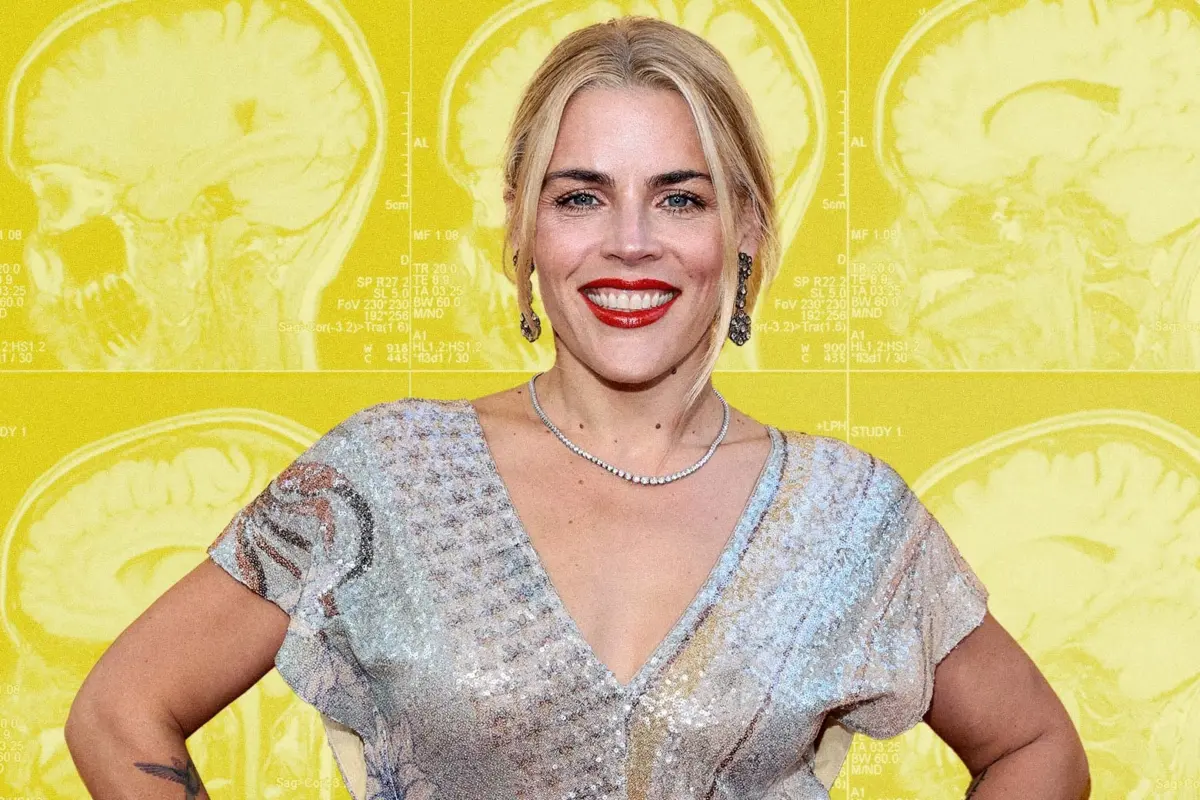
Yet, when illness strikes close to home, or when high-profile public figures share miraculous stories of early detection, the clinical certainty of the medical consensus begins to fracture. The recent high-profile case of actress Busy Philipps—who bypassed primary care skepticism to purchase a $3,000 Prenuvo whole-body MRI, only to discover a malignant brain tumor—has brought this dilemma into the mainstream cultural consciousness. It highlights a painful truth: while statistical evidence governs public health policy, human emotion governs individual decisions.
This article explores the complex landscape of private cancer screening, examining the medical efficacy of whole-body scans and liquid biopsies, the socioeconomic divides they threaten to widen, and the psychological burden of pursuing "too much information" in an age of wellness consumerism.
Detailed Chronology: The Rise of Consumer-Driven Diagnostics
The proliferation of direct-to-consumer advanced diagnostics did not happen overnight; it represents the convergence of rapid technological advancements in imaging and genomics, aggressive wellness marketing, and a growing public distrust in standard preventive care timelines.
The Evolution of Whole-Body Imaging
Whole-body magnetic resonance imaging (MRI) first emerged as a research application decades ago, primarily used to track genetic syndromes or metastatic disease in patients with known cancer histories. However, over the past ten to fifteen years, private companies began packaging these scans for the affluent consumer market.
Marketed as proactive wellness tools, companies like Prenuvo and Ezra promised a "comprehensive internal checkup" that could visualize everything from spinal alignment to millimeter-scale lesions. With price points hovering between $1,000 and $3,500, these services bypassed traditional insurance models, establishing a cash-pay ecosystem tailored to tech executives, celebrities, and health-conscious consumers willing to pay out-of-pocket for peace of mind.
The Genomic Leap: Liquid Biopsies and MCEDs
Simultaneously, the biotechnology sector revolutionized oncology through liquid biopsies. Companies like GRAIL developed tests such as the Galleri test, designed to analyze methylation patterns in cell-free DNA (cfDNA) shed by tumors into the bloodstream. These multi-cancer early detection (MCED) tests promised to screen for dozens of cancers simultaneously from a single blood draw, capturing malignancies long before they became symptomatic.
While large-scale clinical evaluations—such as the recent high-profile trials in the United Kingdom—began assessing whether these tools could shift cancer diagnoses away from late stages, regulatory bodies like the U.S. Food and Drug Administration (FDA) maintained that these products remained investigational. They lacked definitive proof that catching a signal early translates into a meaningful reduction in cancer mortality.
The Cultural Flashpoint: The Busy Philipps Case
The debate shifted from medical journals to living rooms when actress Busy Philipps publicly shared her experience with a private whole-body scan. Despite her primary care physician advising against it, Philipps paid for a Prenuvo scan, which successfully detected an asymptomatic malignant brain tumor.
Subsequent surgery removed the mass, and Philipps publicly championed the scan as an empowering tool—acknowledging her "inherent privilege" in affording the luxury. Her story became a cultural touchstone. It validated the fears of millions of patients who suspect that standard medical guidelines are too conservative, proving that while whole-body scans may be statistically unnecessary for the masses, they can occasionally be life-saving for the individual.
Supporting Context & Metrics: The Clinical Reality vs. The Consumer Promise
To understand why medical professionals maintain a cautious stance toward whole-body scans and MCED tests, one must examine the clinical data regarding their efficacy, error rates, and broader systemic impacts.
The Burden of Incidental Findings and False Positives
Proponents of whole-body scans argue that discovering a hidden anomaly is always a net positive. Oncologists, however, know that the reality of radiology is rarely so black and white.
- The 33% Rule: A systematic review encompassing more than 5,000 asymptomatic individuals who underwent whole-body MRI revealed that roughly one-third of the scans produced critical or indeterminate incidental findings.
- The Cascade of Care: Finding a spot on a scan does not equal a diagnosis. It frequently triggers a cascade of secondary imaging, specialized consultations, invasive biopsies, and months of debilitating psychological anxiety—only for the lesion to often turn out completely benign.
- The Missing Data: While media narratives focus on stories like Philipps’s, the millions of individuals who experience severe psychological distress and physical morbidity from false-positive workups remain statistically invisible.
The Limitations of Multi-Cancer Blood Tests
Liquid biopsies face similar validation hurdles. While GRAIL’s Galleri test demonstrated an ability to increase cancer detection rates when paired with standard screenings in clinical evaluations, a major British trial revealed that it failed to meet its primary endpoint: significantly reducing the overall number of late-stage (Stage IV) cancer diagnoses.
Furthermore, an MCED test is not a standalone diagnostic tool. A positive result demands extensive follow-up to locate the tumor’s origin, while a negative result does not grant immunity or replace established, life-saving protocols like mammograms, colonoscopies, and Pap smears.
The Public Health Paradox: Ignoring Proven Prevention
Perhaps the most alarming metric associated with the boutique screening boom is the stark contrast between public spending on experimental tests and public compliance with proven preventive measures.
According to data compiled by the American Cancer Society:
- At least 40 percent of newly diagnosed cancers in American adults annually—representing approximately 850,000 cases—are potentially avoidable through lifestyle modifications and established interventions.
- The HPV vaccine can prevent over 90 percent of cancers caused by the human papillomavirus. Yet, Centers for Disease Control and Prevention (CDC) data from 2024 showed that less than two-thirds of young adults in America were up to date on their vaccinations.
- Colorectal cancer incidence among Americans under age 49 is rising by roughly 3 percent per year, with about 83,000 individuals aged 20 to 39 diagnosed annually. Despite this, only about one-third of adults aged 45 to 49 were receiving their recommended colorectal cancer screenings, with financially disadvantaged populations facing even steeper drops in compliance.
Official Statements and Institutional Perspectives
Major medical institutions have consistently urged caution regarding the commercialization of unvetted screening modalities.
- The American College of Radiology (ACR): In its official statement regarding total-body MRI screening, the ACR emphasized that "there is currently insufficient evidence to recommend total-body screening for the general public." The organization noted a lack of documented proof that such screenings prolong life or prove cost-effective, warning that the risks of overdiagnosis and unnecessary intervention outweigh the theoretical benefits for asymptomatic individuals.
- Oncological Perspectives: Practicing oncologists find themselves caught in an ethical gray area. In professional commentary, clinicians frequently admit that personal anxiety and love for family members—such as aging parents displaying routine aches, pains, and fatigue—make the temptation to order a whole-body scan intensely powerful. As one oncologist noted: "Knowing the evidence does not make us immune to fear or regret."
Future Outlook: Reforming the Market and Bridging the Healthcare Divide
As the market for longevity protocols, specialty lab panels, and private diagnostics continues to expand, the healthcare system faces a critical crossroads.
Deepening Socioeconomic Inequities
The most profound danger of the private screening boom is the creation of a two-tiered preventive healthcare system. Affluent consumers can purchase not only initial tests like Prenuvo or Galleri, but also the out-of-pocket specialists, repeat imaging, and biopsies required to chase down false positives. Meanwhile, vulnerable populations struggle to secure basic primary care visits, standard immunizations, and guideline-endorsed cancer screenings. This trend risks deepening existing health disparities and straining an already overburdened medical infrastructure.
The Path Forward: Transparency and Honest Dialogue
Rather than dismissing consumer curiosity or banning emerging technologies, the medical community and regulatory bodies must demand higher standards of accountability from the wellness industry:
- Plain-Language Disclosures: Every commercial cancer-screening product should be mandated to provide clear, accessible explanations of its FDA regulatory status, the demographics of the populations studied, false-positive rates, potential follow-up burdens, excluded costs, and proven impacts on mortality.
- Care Coordination: Companies selling potential cancer signals must establish clear pathways for who will interpret results, coordinate secondary evaluations, and help patients navigate unexpected financial fallout.
- Clinical Partnership: Physicians must move beyond dismissive responses like "You don’t need that." Instead, patient inquiries should serve as an entry point for a comprehensive review of family history, genetic risks, environmental exposures, and vaccination status.
Ultimately, while the desire for absolute knowledge is a powerful human impulse, the medical industry must remind consumers that more information is not always synonymous with better health. Until emerging tests prove they can save lives without inflicting unwarranted psychological and physical harm, the most effective defense against cancer remains mastering the unglamorous, proven preventive measures already at our disposal.