Executive Overview
Alphabet-backed autonomous driving pioneer Waymo has officially announced its expansion into Singapore, marking a significant milestone in the company’s aggressive global growth strategy. Following its pioneering ventures into the Japanese market—specifically Tokyo—this new deployment positions the American autonomous vehicle (AV) leader to establish a formidable footprint across key Asian urban centers.
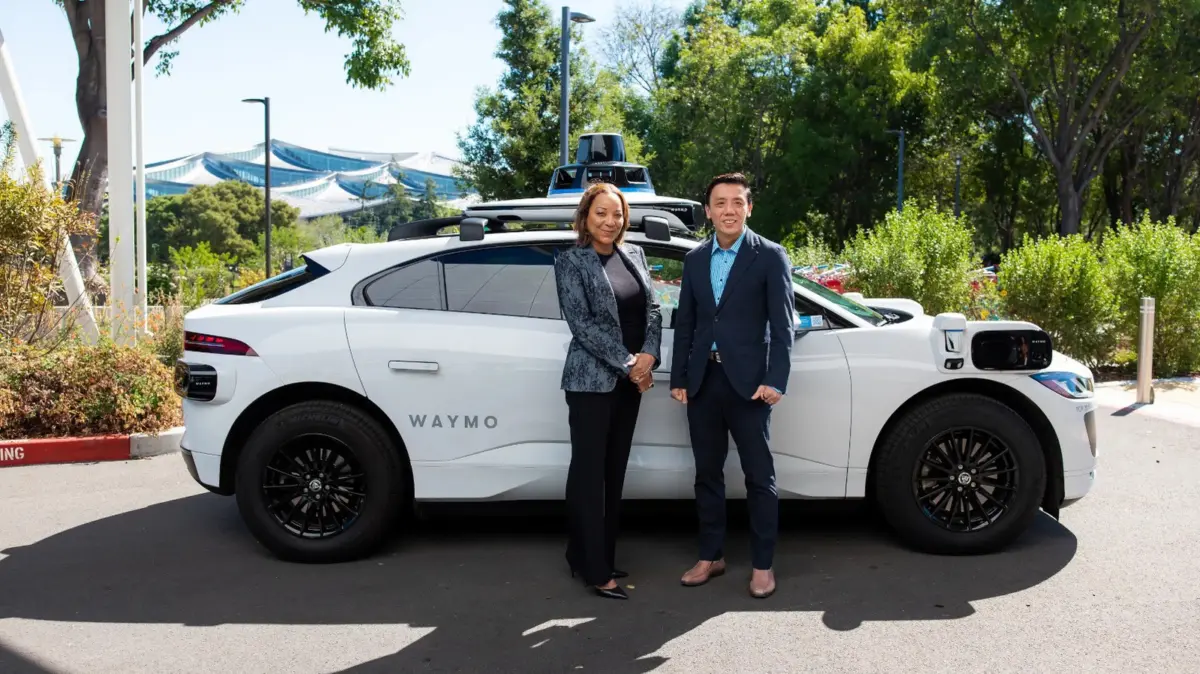
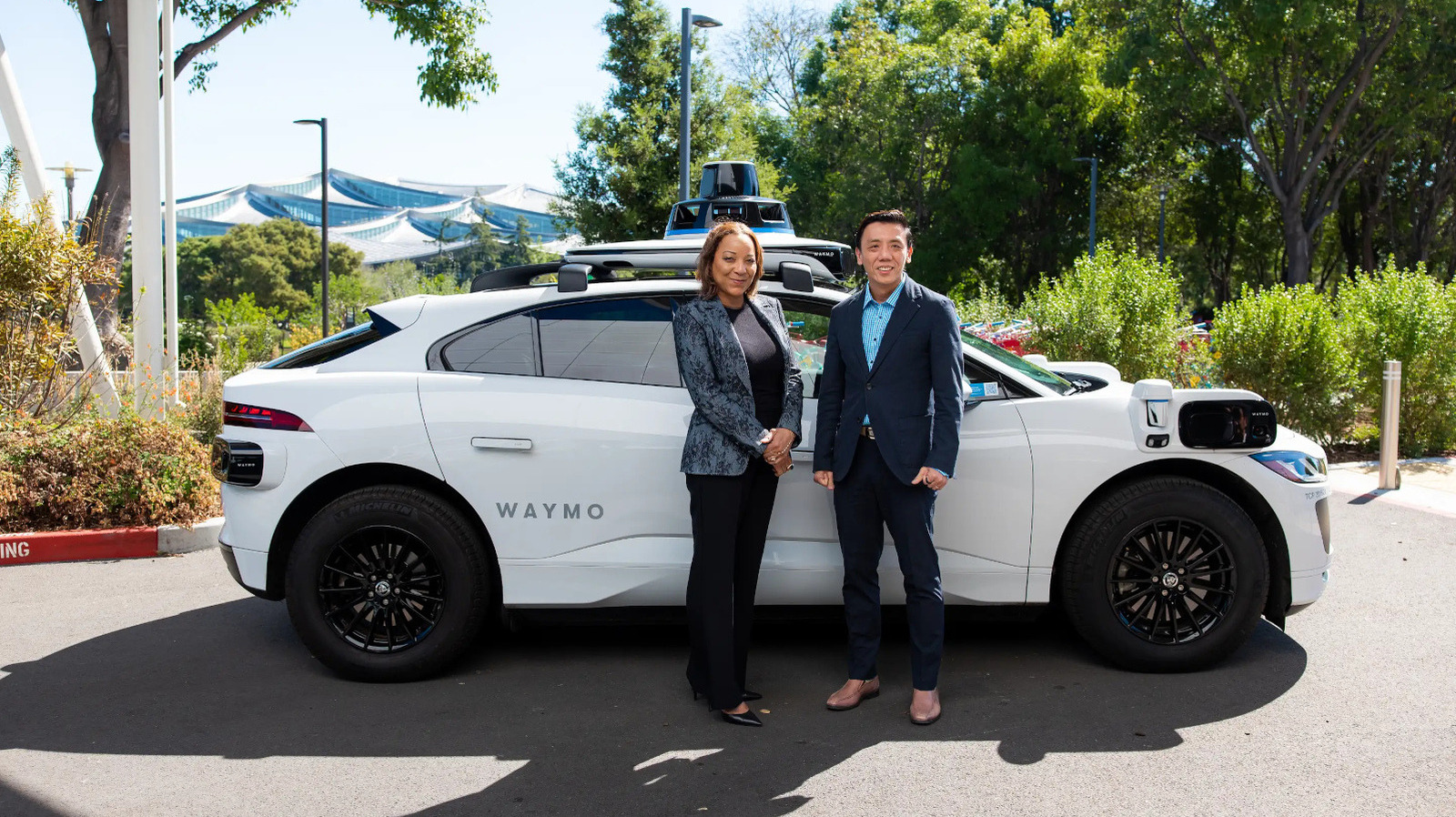
According to company roadmaps, Waymo’s initial fleet of specially equipped Jaguar I-PACE electric vehicles is scheduled to arrive on the island nation in the coming months. This delivery will kick off a rigorous, multi-year preparation phase encompassing manual street mapping, localized software integration, and comprehensive regulatory testing. If all goes according to schedule, Waymo expects to launch commercial driverless rides to the Singaporean public by 2028 via its dedicated mobile application.
This strategic move outside the United States highlights Waymo’s growing confidence in the global scalability of its autonomous technology stack, known as the Waymo Driver. However, deploying autonomous vehicles in a dense, highly regulated city-state like Singapore presents a distinct set of operational, environmental, and infrastructural challenges. Unlike sprawling American metropolitan areas characterized by wide grids and predictable suburban layouts, Singapore is a hyper-dense urban oasis defined by tropical climate extremes, complex multi-level road networks, and fiercely efficient public transportation systems.
Rather than aiming to replace existing mass transit networks, Waymo is positioning its service as a vital complement to Singapore’s robust bus and rail infrastructure. By addressing the notoriously difficult "first-and-last-mile" connectivity problem, the company aims to bridge the gap for commuters living beyond immediate walking distance from major transit hubs. As Waymo balances its concurrent rollouts in Tokyo and Singapore, the company is transforming from a domestic American autonomous novelty into a truly global mobility titan, setting the stage for a dramatic reshaping of international urban transportation over the next decade.
Detailed Chronology of the Singapore Deployment
The journey toward a driverless Singapore has been methodically engineered, reflecting Waymo’s cautious, safety-first approach to international expansion. Understanding the timeline of this deployment provides critical insight into the meticulous preparation required to transition automated driving systems from one hemisphere to another.
Phase 1: Fleet Arrival and Initial Logistics (Late 2025 – Early 2026)
The groundwork for Waymo’s Singapore debut begins with the physical importation of its core testing hardware. Over the coming months, the company’s inaugural batch of Jaguar I-PACE vehicles—the proven workhorse of Waymo’s current fleet—will be shipped to the island nation. These vehicles will be housed in secure local staging facilities where engineers and technicians will inspect, calibrate, and prepare the sensor suites for localized testing. This phase focuses primarily on logistical coordination, regulatory alignment with local authorities such as the Land Transport Authority (LTA) of Singapore, and establishing technical telemetry links back to Waymo’s engineering hubs.
Phase 2: Manual Mapping and Environmental Adaptation (Throughout 2027)
Once the vehicles are cleared for local operations, 2027 will serve as a foundational year dedicated to data collection and system tuning. Waymo specialists will manually drive the Jaguar I-PACE fleet across Singapore’s vast and intricate road networks. These manual runs are not merely for show; they capture high-definition, millimeter-accurate 3D maps of the city’s physical architecture, including lane markings, traffic light positioning, construction zones, and overhead expressway infrastructure.
Concurrently, software engineers will recalibrate the Waymo Driver to account for Singapore-specific environmental variables. This includes adapting perception algorithms to recognize and respond to local traffic signage, unique pedestrian behaviors, and intense tropical weather phenomena, such as sudden, torrential monsoon downpours that can severely degrade sensor visibility.
Phase 3: Closed-Course and Safety Validation (Late 2027 – Early 2028)
Following comprehensive data collection and algorithmic adaptation, Waymo will transition from manual data-gathering to automated testing phases. Under the watchful eye of safety operators, the vehicles will begin operating in autonomous mode across designated test tracks and subsequently approved public corridors. This phase is designed to stress-test the autonomous system against edge cases unique to Singaporean traffic—such as dense clusters of motorcycles, complex multi-lane weaving near expressways, and high-pedestrian-density zones around commercial centers.
Phase 4: Public Commercial Launch (2028)
The culmination of this multi-year roadmap is slated for 2028, when Waymo intends to officially open its doors to the Singaporean public. By this time, local users will be able to download the Waymo app, request rides, and experience commercial level-4 autonomy firsthand. The launch will initially target specific operational design domains (ODDs)—likely focusing on select districts before progressively expanding to cover broader swathes of the island nation as safety, reliability, and regulatory approval solidify.
Supporting Context & Metrics: The International Blueprint
To fully grasp the magnitude of Waymo’s Singapore expansion, one must examine it within the broader context of the company’s international pivot. For more than a decade, Waymo—born out of Google’s secretive X laboratory as the Google Self-Driving Car Project—focused almost exclusively on domestic testing and commercialization. Cities like Phoenix, San Francisco, Los Angeles, and Austin became the testing grounds where the company ironed out the kinks of urban autonomy, racking up tens of millions of fully driverless commercial miles.
However, the domestic market, while lucrative, represents only a fraction of the global urban mobility landscape. The pivot toward international markets began in earnest in 2025, when Waymo announced it would begin testing its driverless cars in Tokyo, Japan. This sprawling, hyper-dense metropolis represented Waymo’s very first international frontier.
The Tokyo rollout has served as a masterclass in global adaptation. Just days prior to its Singapore announcement, Waymo confirmed that preparations for the commercial availability of its autonomous vehicles in Tokyo are on track for a 2027 launch. In Japan, Waymo is executing a hybrid consumer strategy: offering rides directly through its proprietary app while simultaneously integrating with the GO Taxi app, a ubiquitous ride-hailing platform heavily relied upon by Tokyo residents. This dual-app approach ensures maximum market penetration and lowers the barrier to adoption for local consumers accustomed to established digital booking ecosystems.
The First-and-Last-Mile Paradox in Asia
A common thread uniting Waymo’s strategies in both Tokyo and Singapore is the presence of world-class, heavily utilized public transportation systems. Western critics often question whether autonomous robotaxis will cannibalize public transit ridership. However, in major Asian metropolitan centers, public transport (subways, commuter rails, and high-frequency bus networks) forms the undisputed backbone of daily mobility.
In these environments, Waymo is not positioning its autonomous vehicles as competitors to trains and buses, but rather as powerful facilitators. The primary bottleneck in cities like Tokyo and Singapore is often "first-and-last-mile connectivity"—the arduous journey from a commuter’s residential doorstep to the nearest train station, or from a terminal exit to a final corporate destination.
By strategically deploying robotaxis to service these micro-trips, Waymo aims to solve several persistent urban challenges:
- Suburban Gaps: Serving neighborhoods and housing estates that sit beyond convenient walking distance from subway stations.
- Time Sensitivity: Providing rapid, on-demand transit for commuters rushing to catch time-critical morning and evening train schedules.
- Weather Mitigation: Offering comfortable, door-to-door transit during oppressive heat waves or sudden tropical downpours that discourage walking or cycling to transit nodes.
Official Statements and Industry Implications
The announcement of Waymo’s expansion into Singapore has sent ripples through the global automotive, technology, and public policy sectors. While specific executive quotes from Waymo’s leadership team emphasize a measured, collaborative approach with local stakeholders, industry analysts view the move as a direct challenge to regional competitors and a bold statement of technological maturity.
In corporate communications accompanying the rollout, Waymo executives emphasized that scaling internationally is the natural next step in fulfilling the company’s mission to make mobility safer and more accessible. "Expanding our footprint to dynamic, forward-thinking urban centers like Singapore allows us to test the true universal adaptability of the Waymo Driver," noted a company spokesperson in the official announcement blog. "Singapore’s world-class infrastructure and commitment to technological innovation make it an ideal environment for us to demonstrate how autonomous vehicles can meaningfully enhance existing public transit ecosystems."
Transportation economists and urban planners have welcomed the announcement, noting that Singapore’s stringent regulatory framework will hold Waymo to the highest possible safety standards. The Land Transport Authority (LTA) of Singapore has long maintained a progressive yet uncompromising stance on automated driving technology, requiring rigorous safety cases, exhaustive data logging, and transparent incident-reporting mechanisms before granting commercial permits.
Competitively, Waymo’s dual-market push into Japan and Singapore signals to global rivals—including domestic Chinese autonomous giants like Baidu’s Apollo Go, as well as global automotive conglomerates—that the race for international robotaxi dominance is officially underway. While Chinese AV companies have scaled rapidly within domestic markets and are beginning to eye international pastures in the Middle East and Southeast Asia, Waymo’s entrance into Singapore brings Western software paradigms, deep corporate backing from Alphabet, and a proven safety record into direct competition within Southeast Asia’s most technologically advanced economic hub.
Future Outlook: Challenges and Opportunities on the Road to 2028
As Waymo charts its course toward the 2028 public launch in Singapore, the company faces a complex matrix of technical hurdles, regulatory checkpoints, and consumer adoption dynamics. Navigating these factors will determine whether Waymo’s international expansion becomes a blueprint for global robotaxi dominance or a cautionary tale of overextension.
1. Navigating Tropical Climate Extremes
While Waymo’s software has mastered the dusty heat of Phoenix and the coastal fogs of San Francisco, Singapore presents an entirely unique meteorological challenge. The equatorial climate is defined by high humidity, intense solar glare, and sudden, torrential monsoon rains that can reduce visibility to near-zero within minutes. Rain droplets refracting LiDAR pulses, condensation fogging camera lenses, and standing water hydroplaning hazards will push Waymo’s perception and motion-planning algorithms to their absolute limits. Engineering the Waymo Driver to maintain safe, smooth operation during these extreme weather events is arguably the most critical technical hurdle of the deployment.
2. Urban Density and Driving Culture
Singapore’s streets are notoriously congested, highly regulated, and heavily populated by a diverse mix of traffic participants—from aggressive commercial delivery riders and electric bicycles to dense clusters of pedestrians weaving through bustling commercial districts like Orchard Road or the Central Business District (CBD). While disciplined in many respects, Singaporean driving culture features rapid lane changes and tight spatial tolerances. The Waymo Driver must learn to navigate these localized behavioral nuances without becoming excessively cautious, which can cause traffic bottlenecks, or overly aggressive, which compromises safety.
3. Regulatory Synergy and Public Trust
Building trust with the Singaporean public and regulatory bodies will be paramount. Unlike the United States, where robotaxi rollouts have occasionally faced localized political pushback or populist vandalism, Singapore’s civic environment is orderly, highly organized, and deeply trusting of state-vetted technology. However, this trust must be earned and maintained. Transparent data-sharing with the LTA, flawless safety records during the 2027 testing phase, and proactive community engagement will be essential to ensuring that the public embraces autonomous vehicles as a natural extension of their daily commute.
Conclusion
Waymo’s expansion into Singapore is far more than a routine corporate milestone; it is a watershed moment for the future of global autonomous mobility. By bridging the gap between advanced American AI architecture and one of Asia’s most sophisticated urban landscapes, Waymo is proving that the robotaxi revolution is no longer confined to the asphalt of the American West. As the Jaguar I-PACE fleet hits Singaporean streets in the coming months, the world will be watching closely. Should Waymo successfully navigate the tropical downpours, dense pedestrian corridors, and rigorous regulatory frameworks of Singapore by 2028, the company will have unlocked the ultimate key to global scalability—proving that autonomous transportation can seamlessly integrate into any city, anywhere on Earth.