Executive Overview
In the rapidly evolving landscape of digital content creation, small businesses and solo creators face a persistent paradox: audience expectations demand omnipresence across multiple platforms, yet human time and creative energy remain strictly finite. The traditional solution—scaling through a large production team—is often cost-prohibitive. However, a middle path has emerged that transcends the false dichotomy of entirely manual content creation versus wholesale delegation to unguided algorithms.
By leveraging advanced artificial intelligence models like Anthropic’s Claude, creators can construct an autonomous "AI Creative Director." This sophisticated system does not merely generate generic text; rather, it ingests raw, unstructured human thought—such as a daily voice journal—and systematically converts it into polished social media threads, newsletters, video scripts, and visual carousels.
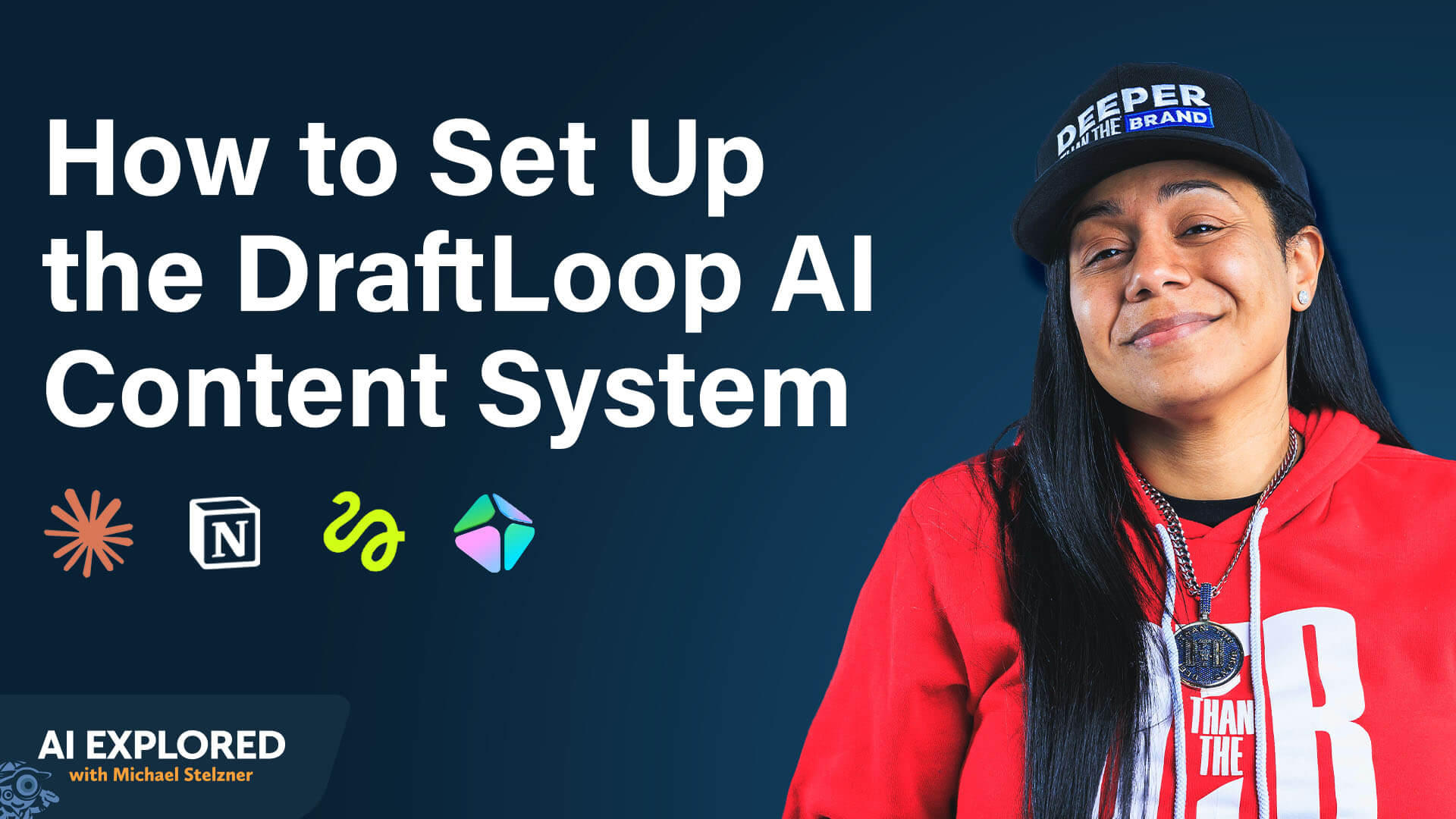
Co-developed by AI strategist Nicky Saunders and digital marketing expert Michael Stelzner, this workflow redefines AI’s role in creative industries. Rather than replacing human ingenuity, AI acts as an integration layer, a tireless sounding board, and an architectural partner. This comprehensive guide explores the structural foundation, technical implementation, and strategic guardrails required to build an AI creative director that preserves authentic brand voice while drastically amplifying digital output.
Detailed Chronology: The Evolution of the AI-Powered Content Workflow
To understand how modern creators are achieving unprecedented publishing consistency without burning out, it is essential to trace the operational evolution of content pipelines.
Phase 1: The Manual Era and Content Droughts
Historically, content creation relied on linear, high-friction processes. A creator would conceptualize an idea, draft it from scratch, edit it manually, format it for a specific platform, and finally hit publish. When scaling to multiple channels—such as transitioning a long-form essay into a Twitter thread, an Instagram carousel, and a LinkedIn post—the time investment multiplied exponentially. Consequently, creators frequently suffered from content droughts, falling victim to creative fatigue when inspiration waned.
Phase 2: The Generic AI Experimentation Boom
As generative AI tools became widely available, the pendulum swung toward automation. Creators attempted to hand over entire workflows to language models, prompting them with generic commands like, "Write a viral thread about marketing."
The result was a wave of predictable, repetitive content—widely derided as "AI slop." Audiences quickly tuned out, recognizing the sterile, uniform tone that lacked personal experience or distinct brand identity. Creators realized that treating AI as a total replacement for human perspective failed to build genuine audience connection.
Phase 3: The Integration Layer and the Birth of DraftLoop
The current paradigm shift, pioneered by strategists like Nicky Saunders, views AI as a collaborative partner rather than a ghostwriter. This evolution led to the creation of DraftLoop, an automated content workflow that bridges the gap between raw human expression and multi-platform distribution.

Instead of starting with a blank screen, the workflow begins with an unscripted, natural voice journal. By integrating specialized AI memory features (such as Claude "skills"), automated data scrapers (like Apify), and generative visual tools (like Higgsfield and HeyGen), creators can now establish a closed-loop system. Raw spoken reflections are transformed automatically into structured, multi-channel assets while maintaining strict human oversight.
Supporting Context & Metrics: Building the Foundational Architecture
Establishing an effective AI creative director requires more than advanced prompting; it demands a rigorous architectural foundation built on clear creative vision, distinct styling, and persistent memory skills.
1. Establishing Vision and Style
Just as a human creative director cannot deliver results without context, an AI system requires foundational guardrails to prevent generic outputs.
- Defining Vision: Creators must outline the emotional resonance, intended audience takeaways, and specific call-to-action goals for their content. When vision is ambiguous, creators can initiate a diagnostic dialogue with Claude using prompts such as: "I need to create this asset, but my goal is unclear. Can we talk through what it could do for my audience?"
- Defining Style through Visual Inspiration: Style must be demonstrated rather than merely described. Creators can build a running inspiration library by uploading reference images—ranging from magazine covers and Pinterest boards to website screenshots and product photography—into a Claude project. Claude analyzes these references to identify technical design parameters (such as color saturation and typographic hierarchy), thereby learning the creator’s exact aesthetic preferences.
2. Developing Core Claude Skills for Brand Voice and Platform Conventions
A breakthrough in managing AI context is the use of persistent instruction sets known as Claude skills. These saved rules eliminate the need to retrain the AI in every new chat session.
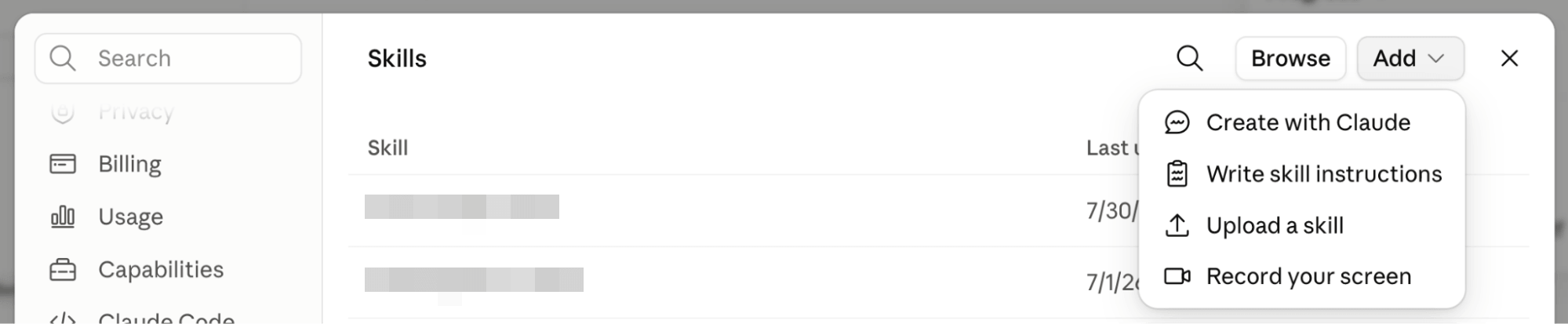
- The Brand Voice Skill: By feeding Claude extensive samples of natural speech—including video transcripts, Zoom recordings, newsletters, and social posts—the AI constructs a comprehensive profile of the creator’s cadence, vocabulary, and phrasing patterns. Once trained, Claude can generate drafts that align 80% to 85% with the creator’s natural voice, requiring only minor human polish.
- The Content Style Skill: This secondary skill governs platform-specific formatting. It analyzes how a creator alters their communication style across channels, ensuring that a piece of content adapts seamlessly to the distinct conventions of an Instagram caption, a Substack essay, or a professional LinkedIn update.
3. Sourcing Raw Material with Apify
To train these skills effectively, robust data ingestion is required. Tools like Apify—which feature MCP (Model Context Protocol) connectors for Claude—enable creators to scrape public transcripts, engagement metrics, and comment sections from platforms like YouTube and Instagram. This data fuels both personalized skill-building and competitive analysis.
Official Statements and Strategic Insights
Industry leaders emphasize that the true power of an AI creative director lies in its ability to validate ideas early while keeping human judgment firmly at the helm.
"AI works best as an integration layer within existing creative workflows… The creators and business owners who learn to weave new tools into their process, rather than choosing sides, end up more consistent, more productive, and less stressed about content droughts."
— Nicky Saunders, AI Strategist
Saunders characterizes Claude as a "twenty-four-seven brain-warming buddy." In creative professions, inspiration often strikes at unconventional hours—such as 2:00 AM—when human colleagues are unavailable. An AI creative partner allows creators to capture fleeting thoughts, break down complex visual references, and store ideas across persistent chat sessions without losing momentum.

Furthermore, human oversight remains non-negotiable. To mitigate security risks and platform violations, top strategists advise against granting AI models direct publishing access. The AI handles ideation, drafting, and storyboarding, but the final decision to schedule and publish rests entirely with the human creator.
Future Outlook: The Next Frontier of AI-Driven Content Creation
As artificial intelligence models and multimodal integrations continue to advance, the capabilities of AI creative directors will expand exponentially.
- Advanced Model Specialization: Creators will increasingly route specific micro-tasks to specialized models. For instance, high-resource models like Claude Fable 5 Low will be deployed specifically for precision copywriting tasks—such as engineering high-conversion hooks, tweet openers, and email subject lines—where every single word dictates performance.
- Seamless Multimodal Pipelines: The integration of text, video, and image generators (such as Higgsfield for visual assets and HeyGen for avatar previews) will become native within brainstorming interfaces. Creators will be able to review dynamic video read-throughs and animated storyboards directly inside their text workspace before committing resources to final production.
- Data-Driven Creative Counterbalances: While human creators often experience fatigue covering familiar topics, future AI systems will increasingly rely on historical engagement metrics to gently steer creators back toward proven themes that resonate deeply with audiences.
By treating AI as an empowered creative partner rather than a replacement for human experience, forward-thinking creators are successfully overcoming content fatigue, scaling their digital footprints, and reclaiming the time needed to focus on high-level strategy and authentic storytelling.