Executive Overview
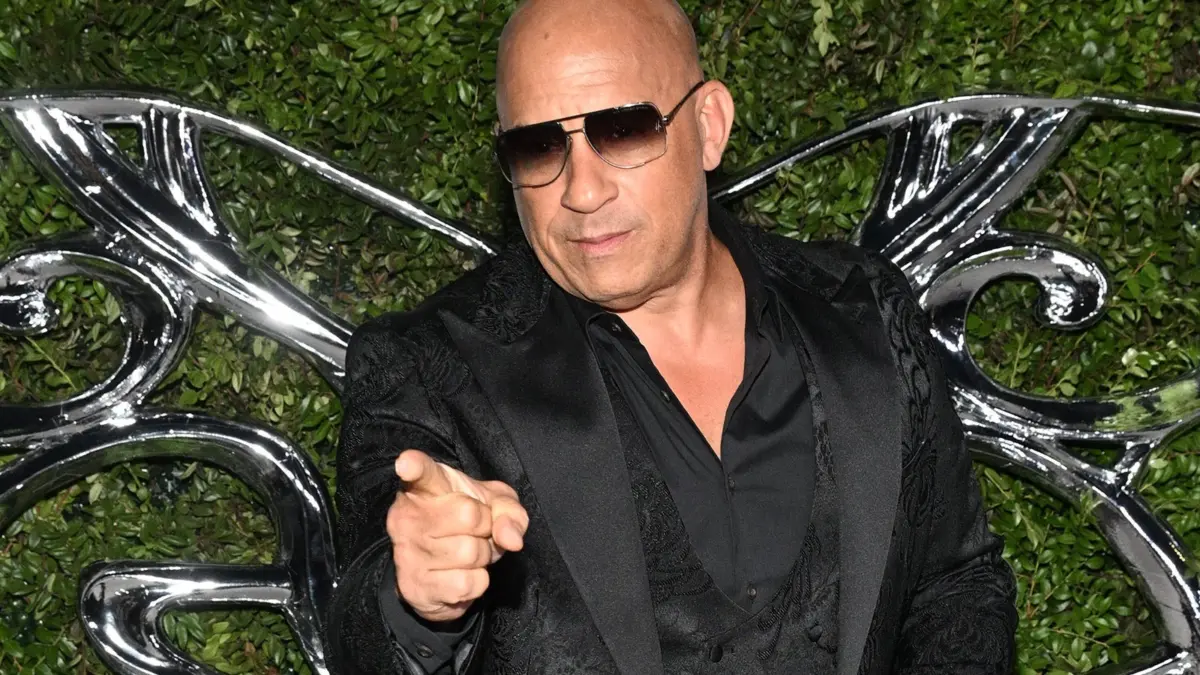
The end of the road for the Fast & Furious film franchise does not mean the end of the road for the overarching universe. In a major expansion announcement that bridges the gap between cinematic spectacle and serialized storytelling, Peacock has officially greenlit a high-profile Fast & Furious television series. Spearheaded by franchise cornerstone and executive producer Vin Diesel, the project marks a significant milestone for Universal Pictures as it attempts to transition one of modern cinema’s most lucrative and high-octane properties into the television space.
Slated to premiere in 2028, the television show will debut the same year as the final mainline film in the franchise, Fast Forever, which is currently scheduled to hit theaters on March 17, 2028. This dual-pronged release strategy signals that Universal has no intention of letting its crown-jewel intellectual property fade quietly into the sunset. Instead, the studio is assembling an elite creative roster to steer an ambitious television expansion—one that reportedly encompasses up to four distinct series set within the same universe.
As Diesel famously promised fans when discussing the expansion, the core pillars of the franchise—most notably "family," international scale, and character integrity—will remain fiercely protected as the property shifts formats. However, with heavy-hitting television veterans attached to run the show and persistent questions surrounding the emotional and technical return of the late Paul Walker’s character, the road ahead is as complex as it is thrilling.
Detailed Chronology: From Upfront Teases to Official Greenlight
The genesis of the Fast & Furious television adaptation has been a slow-burning engine, carefully managed by studio executives and creative stakeholders over the past several years.
- May 2026 (NBCUniversal Upfronts): Vin Diesel first publicly teased the prospect of expanding the franchise into television during a presentation at NBCUniversal’s Upfront event. Addressing advertisers and media, Diesel revealed that a decade’s worth of fan demand for deeper explorations of legacy characters had finally convinced Universal Pictures to look beyond the big screen. He assured stakeholders that the transition to television would safeguard the emotional core of the franchise.
- June 2026 (Fuel Fest): Diesel took the stage at Fuel Fest to share major developments regarding the eleventh and final film in the core franchise, Fast Forever. During the event, he detailed the rigorous negotiations he undertook with Universal to secure three non-negotiable conditions for the finale: returning the production to Los Angeles, a heavy pivot back to grassroots street racing and traditional car culture, and the narrative return of Dominic Toretto’s brother-in-arms, Brian O’Conner.
- October 1, 2026 (Peacock Greenlight): Streaming platform Peacock officially confirmed the green light for the flagship Fast & Furious television series. Alongside the greenlight, initial details regarding the creative team emerged, establishing a 2028 premiere window that aligns directly with the rollout of Fast Forever.
Behind the Creative Wheel: Showrunners and Universe Expansion
Universal Pictures is sparing no expense when it comes to drafting the creative horsepower required to sustain a cinematic universe on television. According to reports, the newly greenlit series is just the tip of the iceberg, serving as the vanguard for a planned rollout of four distinct television projects set within the Fast & Furious canon.
For the flagship Peacock series, the studio has tapped Mike Daniels—whose gritty storytelling pedigree includes work on Sons of Anarchy and PONIES—alongside Wolfe Coleman of 9-1-1: Lone Star. The duo will serve as co-writers and showrunners, balancing the high-octane action sequences expected of the brand with the character-driven serialized drama required for episodic television.
Beyond the flagship series, the broader television slate features an impressive roster of television showrunners:
- Project Two: Helmed by Nick Wooton (The Endgame) and Charmaine DeGraté (House of the Dragon).
- Projects Three and Four: Jointly overseen by Joe Henderson (Lucifer) and Ingrid Escajeda (Griselda).
This formidable lineup indicates that Universal views the Fast & Furious television slate not as a minor ancillary project, but as a massive prestige expansion capable of rivaling superhero universes on streaming platforms. By recruiting talent with backgrounds in high-stakes crime dramas, fantasy epics, and character-focused procedurals, the studio is positioning the brand to explore corners of the underground world that feature-length films simply did not have the runtime to accommodate.
Official Statements: Protecting the Concept of "Family"
For Vin Diesel, the decision to bring Fast & Furious to television was driven entirely by a desire to honor the fanbase while maintaining the creative boundaries that have kept the franchise cohesive for over two decades.

Speaking at the NBCUniversal Upfront event, Diesel elaborated on the motivations behind the move:
"As you all know, we are very precious about these movies, but over the last decade, we’ve realized that the fans have wanted more, they wanted us to expand the legacy characters, their stories. And for the last decade, the desire has been for us to enter the TV space."
Central to Diesel’s philosophy is the thematic glue that has held the multi-billion-dollar franchise together since 2001: the concept of family. In an industry where cinematic universes frequently fracture or dilute their messaging when expanded, Diesel expressed confidence that the television format would offer a protective cocoon for the characters’ legacies.
"That’s when I knew that the integrity of the characters, the international appeal, what makes us all feel like family will be protected in the TV space."
This protective stance extends to his ongoing negotiations regarding the cinematic finale, Fast Forever. When studio executives initially pushed for an April 2027 release window, Diesel stood his ground, demanding creative concessions that would bring the franchise full circle. By insisting on a return to Los Angeles, a renewed focus on street racing culture, and the integration of Brian O’Conner, Diesel has positioned both the final film and the upcoming television projects as love letters to the franchise’s roots.
Future Outlook: The Road to 2028 and the Brian O’Conner Conundrum
As the entertainment industry looks ahead to 2028, all eyes will be on how Universal manages the simultaneous rollout of Fast Forever and the Peacock television series. The convergence of the franchise’s definitive cinematic conclusion with the launch of an expansive television slate represents a high-stakes gamble—one that could either invigorate the fanbase or risk fatigue.
Compounding the intrigue surrounding Fast Forever is the heavily publicized promise to reunite Dom Toretto and Brian O’Conner. Following the tragic passing of Paul Walker in 2013, the character of O’Conner has been handled with immense care, appearing sparingly via digital double work and emotional visual effects in Furious 7.
With Diesel confirming that O’Conner will feature in the finale, the production faces unprecedented creative and ethical questions. Paul Walker’s brother has previously spoken out against physically portraying his sibling in the role once more, instead suggesting that modern artificial intelligence could be utilized to responsibly bring Brian O’Conner back to the franchise. Whether Peacock’s television slate will also touch upon legacy characters like O’Conner remains to be seen, but the shadow of the franchise’s history will undeniably loom large over every new script.
Ultimately, the transition of Fast & Furious into the television landscape proves that the engine isn’t stopping anytime soon. With elite showrunners at the helm, a streaming home on Peacock, and a dedicated fanbase eager for more miles on the odometer, the concept of "family" is officially ready to conquer the small screen.