Executive Overview
In the fast-paced, hyper-volatile ecosystem of internet culture, virality rarely follows a predictable trajectory. While modern memes are often engineered in real-time through trending audio clips, highly coordinated challenges, or rapid-fire political commentary, the most enduring viral sensations frequently rely on deep nostalgia, archival excavation, and ironic juxtaposition.
Enter the "Zayn Malik Sleeping" trend—alternatively phrased on social media as "Why am I lowkey giving Zayn Malik sleeping photo?"
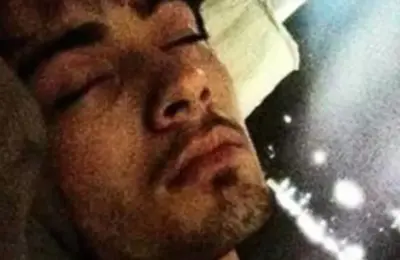
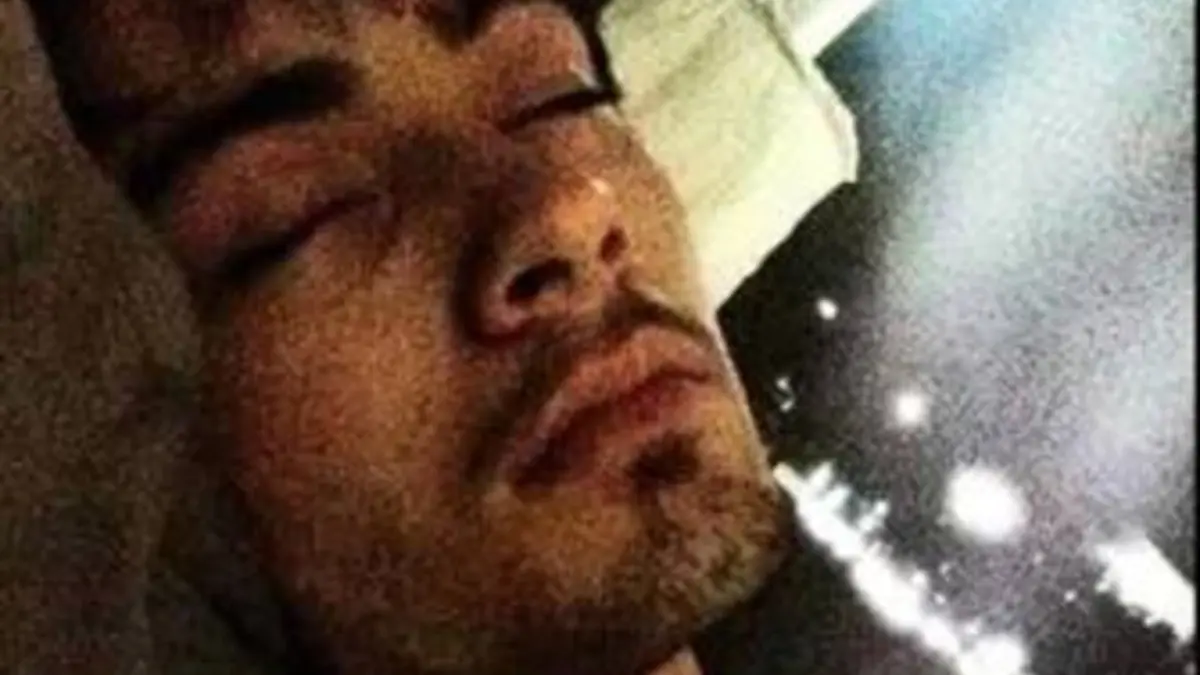
What began in early September 2026 as a seemingly innocuous TikTok video has rapidly ballooned into a cross-platform cultural touchstone. At its core, the meme hinges on a vintage, widely circulated photograph of former One Direction member Zayn Malik lying shirtless and asleep, capturing a hyper-specific aesthetic of early-2010s Tumblr teen idol culture. TikTok users have taken this archival artifact and weaponized it for comedic effect, juxtaposing the pristine, effortless, and idealized slumber of a global pop star against their own profoundly unglamorous, awkward, or comedically dissimilar sleeping habits.
This deep-dive investigative report explores the strange life cycle of the "Zayn Malik Sleeping" meme. We will examine its origins within the trenches of 2013 fandom culture, its unexpected resurgence on TikTok in late 2026, the psychological mechanics driving its massive engagement metrics, and what this trend reveals about the cyclical nature of digital nostalgia.
Detailed Chronology: From 2013 Tumblr Archives to 2026 TikTok Dominance
To fully understand the current iteration of the meme, one must trace its roots back over a decade. The internet has a long memory, but fandom subcultures possess archival capabilities that rival institutional historians.
Phase 1: The Artifact (circa 2013)
Long before TikTok dominated the social media landscape, and years before short-form video algorithms dictated cultural consumption, the internet was ruled by Tumblr, Twitter, and heavily curated image boards. During the height of One Direction’s global domination—an era defined by screaming crowds, obsessive fan fiction, and relentless paparazzi tracking—candid and semi-private photographs of band members carried immense currency.
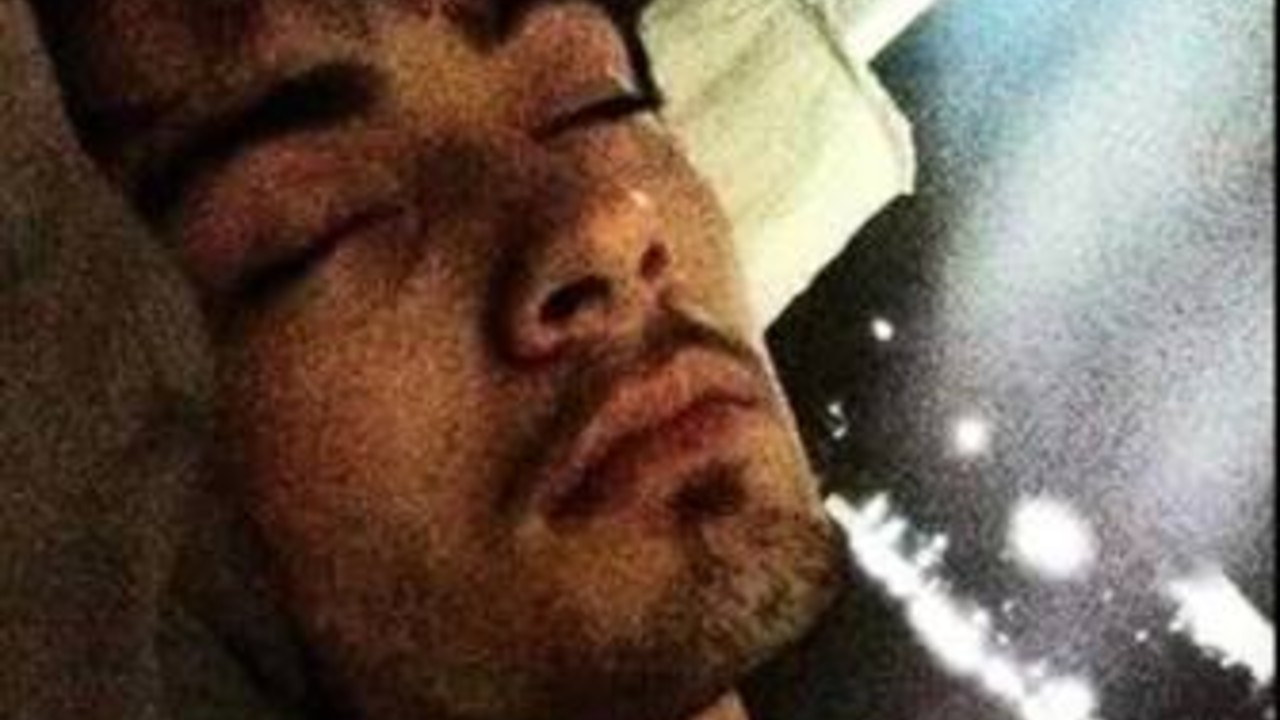
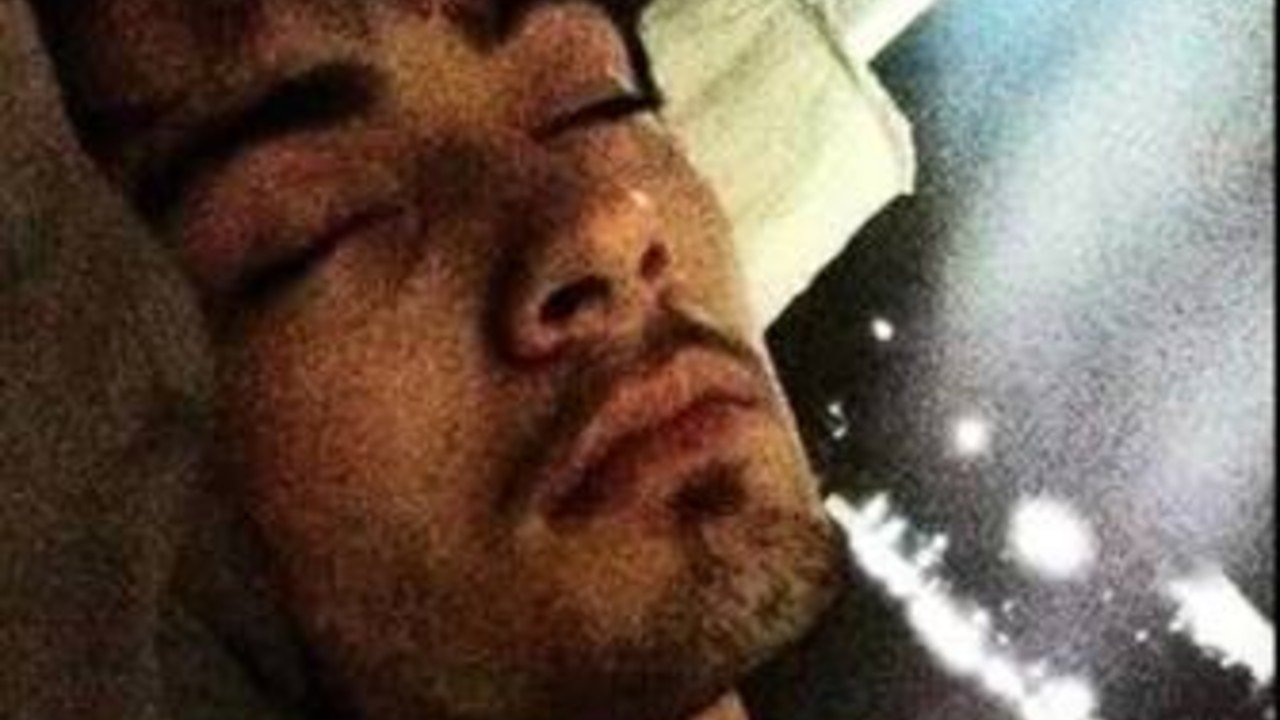
Sometime around 2013, an image surfaced online featuring Zayn Malik asleep, shirtless, and looking intensely photogenic despite being unconscious. The photograph quickly became a fixture in the digital scrapbooks of millions of Directioners. It was reblogged, favorited, and saved to countless mood boards, fan pages, and aesthetic collections. Over the course of the next thirteen years, that single image accumulated tens of thousands of notes on Tumblr alone, serving as a quiet, enduring monument to the height of 2010s teen idol worship. It was an artifact of a simpler internet age—one defined by soft-grunge aesthetics, indie-pop background tracks, and earnest celebrity infatuation.
Phase 2: The Spark of Resurgence (September 4th, 2026)
For over a decade, the photo remained a relatively niche piece of nostalgia, appreciated primarily by veteran fans of One Direction. However, internet culture operates on cyclical rediscovery.
On September 4th, 2026, TikTok user @timmy.thick47 breathed new life into the archival image. In a video that would eventually serve as the blueprint for the entire trend, @timmy.thick47 juxtaposed the classic photograph of Zayn Malik sleeping with a series of candid photos of himself asleep. The accompanying caption—phrased with quintessential internet slang—read:
"Why am i low key giving zayn malik sleeping photo?"
The disjunction between the two images was immediate and humorous. While Malik looked like a Renaissance painting rendered in high-definition digital photography, the creator was simply… sleeping like an ordinary human being. The video struck a chord with the algorithm, rapidly accumulating over 1.8 million views within its first month and setting the stage for widespread adoption.
Phase 3: Exponential Spread and Mutation (September – October 2026)
Following @timmy.thick47’s initial post, the meme underwent rapid mutation, a hallmark of successful TikTok trends. Users across the platform began applying the format not just to themselves, but to their partners, friends, pets, and absurd inanimate objects.
- September 7th, 2026: TikToker @ilove2000sshows posted a variation featuring a photograph of herself that bore absolutely zero resemblance to the Zayn Malik image. The glaring irony—asserting a direct visual parallel to an impossibly glamorous pop star while looking entirely unpolished—resonated deeply with audiences, driving the video to over 8.5 million views in a month.
- September 23rd, 2026: Expanding the scope of the joke, user @anahyy.lol published a video comparing an unflattering candid photo of her sleeping boyfriend to Malik’s iconic portrait. The caption quipped, "No because why does my bf look like zayn malik sleeping." The post pulled in more than 4.8 million views in just two weeks, proving that the meme could effectively leverage domestic comedy.
- September 26th, 2026: Continuing the trend of romantic comparisons, user @cancelmil posted a similar partner-focused iteration, securing over 3 million views in a fortnight.
By late September and early October 2026, the trend had saturated the "For You Page" (FYP). Hundreds of thousands of users were utilizing audio tracks associated with Zayn Malik’s solo career (such as his hit single "Pillowtalk") to soundtrack their own humorous attempts at capturing the "Zayn Malik sleeping aesthetic."
Supporting Context & Metrics: Analyzing the Virality
To appreciate the scale of the "Zayn Malik Sleeping" trend, one must examine the quantitative and qualitative factors driving its spread.
Engagement Breakdown
While individual view counts on breakout videos easily surpassed the multi-million mark (ranging from 1.8 million to upwards of 8.5 million views per top-tier post), the true metric of the meme’s success lies in its participatory nature. Unlike passive trends where users merely watch and scroll, this meme demands user-generated content (UGC). Creators are incentivized to dig through their own camera rolls for the worst, most contorted, and least flattering sleeping photos they can find to create a stark contrast with Malik’s image.
Cultural Psychology: Irony and Self-Deprecation
At its core, the trend thrives on hyperbolic self-deprecation wrapped in ironic delusion. In contemporary internet slang, to claim you are "lowkey giving" a globally celebrated pop icon while posting a picture of yourself drooling on a lumpy pillow at 3:00 AM is a masterclass in modern comedic timing.
This self-awareness is crucial. Gen Z and younger millennial internet humor relies heavily on the subversion of vanity. By comparing oneself to a pinnacle of early-2010s male beauty while looking objectively unglamorous, creators bridge the gap between unattainable celebrity standards and mundane reality. It is a democratization of humor—a way to laugh at our own uncurated, graceless human states using the ultimate symbol of curated pop stardom.
The Nostalgia Economy: Why 2013 is Back
It is impossible to discuss the "Zayn Malik Sleeping" meme without contextualizing the broader cultural appetite for early-2010s nostalgia. As the calendar moves further into the mid-2020s, the cultural cycle has officially looped back to the Tumblr era.
Teens and young adults who were in middle school and high school during One Direction’s peak are now in their twenties and thirties, possessing disposable income, digital savvy, and a deep-seated nostalgia for their formative years online. The aesthetic markers of 2013—indie pop, black-and-white photo filters, soft-grunge fashion, and boy band mania—are currently undergoing a massive cultural revival.
When creators use the Zayn Malik sleeping photo in 2026, they are participating in a dual-layered cultural joke:
- For the older cohort: It is a nostalgic nod to their adolescence, evoking memories of scrolling through Tumblr dashboards late at night.
- For the younger cohort: It functions as a piece of internet archaeology, treating a 2013 boy-band candid with the same ironic reverence usually reserved for classical art history memes.
Official Statements and Industry Response
As of October 2026, representatives for Zayn Malik have not issued an official statement regarding the sudden viral resurgence of his decade-old photograph. Given that the image has lived a quiet, semi-mythological life on fan forums for thirteen years, its explosive transition into mainstream TikTok irony likely caught management and public relations teams by surprise.
However, music industry analysts note that viral moments of this nature—even absurd or meme-driven ones—frequently translate to streaming bumps for legacy catalog tracks. Audio metrics indicate a noticeable uptick in algorithmic traction for Malik’s solo discography, particularly his debut single "Pillowtalk," which is frequently used as the backing track for the TikTok trend.
In the modern music ecosystem, organic meme creation often serves as a more powerful marketing engine than traditional label campaigns, effortlessly bridging generational divides and introducing foundational pop culture figures to younger demographic cohorts who may not have been active during One Direction’s golden era.
Future Outlook: Will the Trend Have Staying Power?
Like most hyper-specific TikTok formats, the "Zayn Malik Sleeping" trend faces the inevitable lifecycle of digital fads. As saturation peaks, user fatigue sets in, and the algorithm begins to prioritize the next major wave of internet absurdism.
Yet, the legacy of this meme is already cemented. It highlights the unique archiving power of digital communities, proving that no image posted to the internet ever truly disappears. Instead, digital artifacts wait dormant in the archives of Tumblr and Pinterest, only to be resurrected years later by a new generation of creators looking for fresh comedic material.
Furthermore, the trend has permanently altered how the internet interacts with this specific piece of pop culture history. A photograph that was once treated with unironic, breathy reverence by teenage fans in 2013 has been successfully repurposed into a universal punchline about the messy reality of human sleep. Whether Zayn Malik himself ever acknowledges his inadvertent role as TikTok’s latest comedy muse remains to be seen, but the internet has already rendered its verdict: nobody sleeps quite like Zayn—and certainly nobody else is "lowkey giving" it quite like the creators of TikTok.