Executive Overview
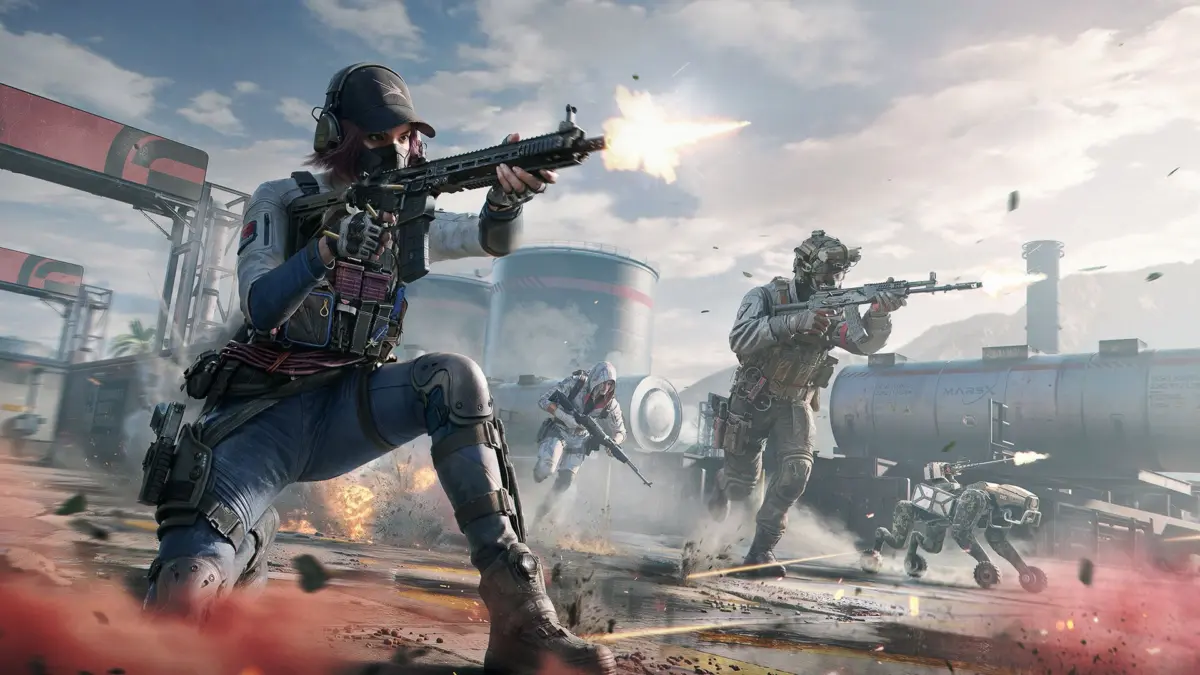
In the hyper-competitive landscape of modern first-person shooters, few announcements have triggered as immediate—and as deeply polarized—a reaction as NetEase Games’ ECC: Redline. Billed by the Chinese tech giant as a "self-developed extreme-sports tactical shooter," the upcoming cross-platform title aims to shake up the battle royale and tactical FPS genres across PC (via Steam) and mobile devices. However, within hours of its worldwide reveal, the gaming community erupted into fervent debate.
To many prominent content creators, industry analysts, and casual players alike, ECC: Redline is not merely inspired by Activision’s mega-hit Call of Duty: Warzone; it is a virtually indistinguishable, 1:1 replica. From weapon kick animations and auditory profiles to the game’s user interface (UI) and movement mechanics, the similarities are striking enough to draw widespread accusations of blatant asset or design copying.
Yet, paradoxically, the revelation has been met with a surprising wave of enthusiasm. Years of growing community friction surrounding Call of Duty: Warzone—marked by controversial meta-shifts, technical performance issues, and a pervasive sense that Activision has lost touch with its player base—have left millions of FPS fans starved for a viable alternative. For these disillusioned players, a polished, responsive competitor—even one accused of being a transparent clone—represents a long-overdue wake-up call for the Call of Duty franchise. As NetEase continues to test the boundaries of intellectual property influence with titles like ECC: Redline, the industry watches closely to see whether derivative design can successfully dethrone an aging king.
Detailed Chronology: From First-Look Trailer to Viral Backlash
The trajectory of ECC: Redline from a quiet development project to the center of the gaming world’s attention highlights the lightning-fast speed of modern digital discourse.
The Reveal (Early October 2026)
NetEase Games officially pulled back the curtain on ECC: Redline with a cinematic and gameplay trailer, introducing the world to the "Extreme Circuit Championship." The marketing materials promised breakneck gameplay, high-octane tactical combat, and a sleek presentation designed to appeal to both hardcore PC gamers and mobile-first enthusiasts.
Immediate Internet Scrutiny
Almost instantaneously, the gaming community took to social media platforms, Reddit, and YouTube to dissect the footage. Initial awe quickly gave way to widespread disbelief. Prominent Call of Duty community accounts and influencers, including ModernWarzone, Jake Lucky, and Westie, chimed in with side-by-side comparisons and critical commentary.
- The Visual and Audio Parallels: Viewers pointed out that the first-person camera movements—particularly the dynamic blurring effect when dropping from elevated heights—mirrored Warzone with uncanny precision. Weapon handling, recoil patterns, and audio cues sounded remarkably familiar to anyone who had spent hundreds of hours traversing Verdansk or Al Mazrah.
- UI and Emblem Copying: Beyond core gameplay mechanics, users highlighted that the game’s menus, HUD layout, and even emblem designs bore a striking resemblance to Activision’s proprietary UI architecture.
- The Integration of Abilities: While the base gunplay drew accusations of a straight copy-paste job, sharp-eyed observers noted that ECC: Redline introduced unique character abilities and specialized gadgets—distinguishing it structurally from Warzone while maintaining the aesthetic and mechanical backbone of the CoD formula.
The Community Schism
By October 10 and 11, 2026, the conversation had bifurcated. On one side stood purists and copyright watchdogs decrying NetEase’s apparent lack of originality. On the other side stood a vocal coalition of exhausted Call of Duty veterans who argued that if a developer can successfully reverse-engineer the "Golden Age" feel of Warzone while actively listening to its community, ethical concerns over originality take a backseat to pure entertainment value.
Supporting Context & Metrics: NetEase’s Track Record and the State of Warzone
To fully understand the gravity of the ECC: Redline controversy, one must examine both NetEase’s corporate history regarding gameplay replication and the macro-level struggles plaguing the Call of Duty ecosystem.
NetEase’s Polarizing Portfolio
NetEase Games is no stranger to operating in the shadow of Western or rival studio blockbusters, walking a delicate line between heavy inspiration and direct duplication:
- The Success of Marvel Rivals (2024): NetEase struck gold with its comic book hero shooter, which drew massive player counts and widespread critical acclaim. While it undeniably carved out its own identity, it faced persistent and direct comparisons to Blizzard Entertainment’s Overwatch 2, sparking intense industry debates about genre evolution versus iteration.
- The Legal Fallout of Hyper Front: In stark contrast, NetEase faced severe legal repercussions when Riot Games launched a formal lawsuit against the company, alleging that its 5v5 tactical shooter Hyper Front was an unauthorized clone of Valorant. The legal pressure ultimately forced NetEase to pull the plug on the game entirely.
- The Current Bet: With ECC: Redline, NetEase appears to be walking that tightrope once again, leaning heavily into established, proven market mechanics while attempting to inject enough novel elements (such as extreme-sports pacing and character abilities) to stave off immediate legal action.
The Fatigue of Call of Duty: Warzone
The timing of ECC: Redline‘s reveal could not be more poignant for Activision. Six years have passed since the explosive, culture-defining launch of the Call of Duty: Modern Warfare reboot and its accompanying battle royale companion, Warzone, in 2019.
While Warzone achieved monumental success—hitting staggering player milestones like 30 million users in just 10 days—its trajectory since then has been turbulent. Community sentiment has continually ebbed and flowed due to integration bloat, aggressive monetization models, persistent server stability issues, and balancing nightmares. Despite Activision’s repeated efforts to recapture lightning in a bottle—including the nostalgia-driven return of the fan-favorite map Verdansk—a significant portion of the player base remains vocal about their dissatisfaction with the franchise’s current direction. Furthermore, broader franchise challenges, such as the lukewarm reception of recent flagship titles like Call of Duty: Black Ops 7, have left the community feeling increasingly alienated by the ruling corporate conglomerate.

Official Reactions & Public Sentiment
The discourse surrounding ECC: Redline has effectively galvanized a fractured community. Below is a breakdown of key commentary from notable figures and everyday players:
-
The Copycat Verdict:
"This looks about as close of a 1:1 rip of Warzone as someone could legally get away with." — ModernWarzone (via X)
*"It’s 1-to-1 Warzone, hilarious s*t." — Reddit Community Commenter
-
The Consumer Revolt Against Activision:
"So what? I’d rather spend it on a ripoff game who listens to their customers then a conglomerate who [shits] on them." — @RigTate (via X)
-
Cautious Optimism for Competition:
"Looks like someone reverse-engineered OG Warzone and added character abilities. I’m actually kinda interested in trying this." — Westie (via YouTube/X)
"If ECC: Redline actually has good servers, movement, AND listens to its community… COD might finally have to start trying again." — @KooterBomb (via X)
These statements encapsulate a growing consumer fatigue: players are increasingly willing to forgive or embrace derivative software development if it applies pressure to industry giants who they feel have grown complacent.
Future Outlook and What Lies Ahead
As ECC: Redline looks toward its eventual rollout—currently holding no official release date while remaining listed as a free-to-play title on Steam—the stakes are remarkably high for all parties involved.
- Activision’s Next Move: With Call of Duty: Modern Warfare 4 slated to launch later this month alongside major updates to the Warzone ecosystem, Activision faces mounting pressure to deliver a stable, highly polished experience that can weather the incoming wave of alternative tactical shooters.
- NetEase’s Legal and Technical Hurdles: NetEase must prove that ECC: Redline possesses enough substantive originality to avoid the fate of Hyper Front. Furthermore, the game must deliver on its technical promises; smooth server performance, responsive netcode, and active community engagement will dictate whether it becomes a permanent fixture in the genre or a passing internet novelty.
- The Health of the FPS Genre: Ultimately, the emergence of ECC: Redline serves as a symptom of a broader industry truth: when dominant market leaders fail to satisfy their core audiences, competitors will step into the vacuum—regardless of how closely their blueprints resemble the original. Whether ECC: Redline proves to be a shameless cash-grab or the catalyst that forces Call of Duty to elevate its standards, the consumer stands to benefit from heightened competition in the battle royale space.