Executive Overview
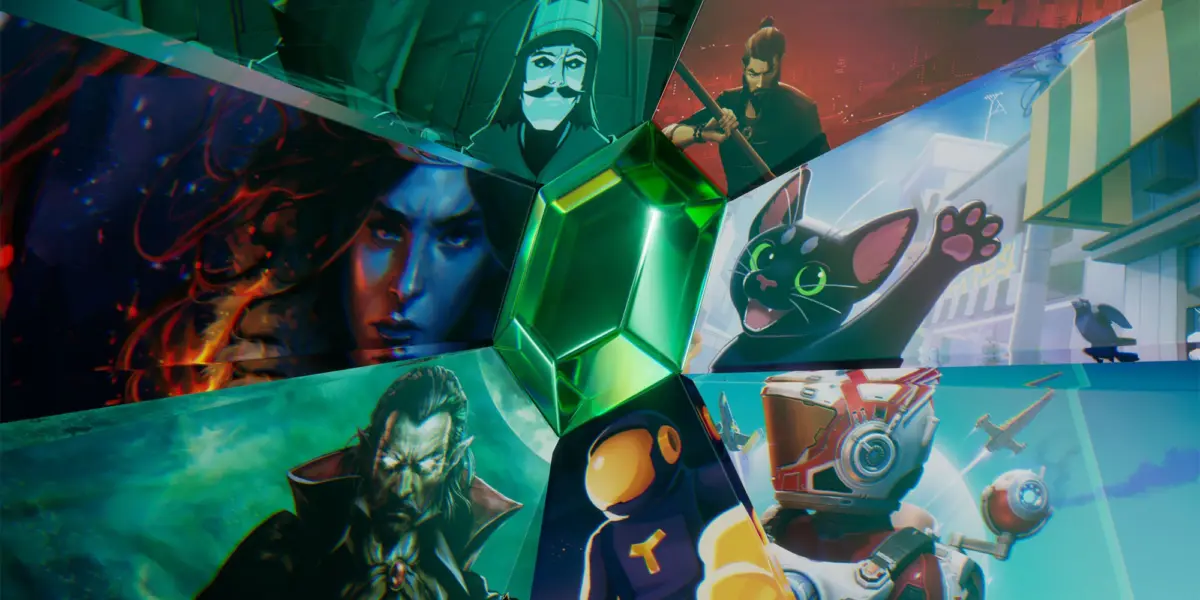
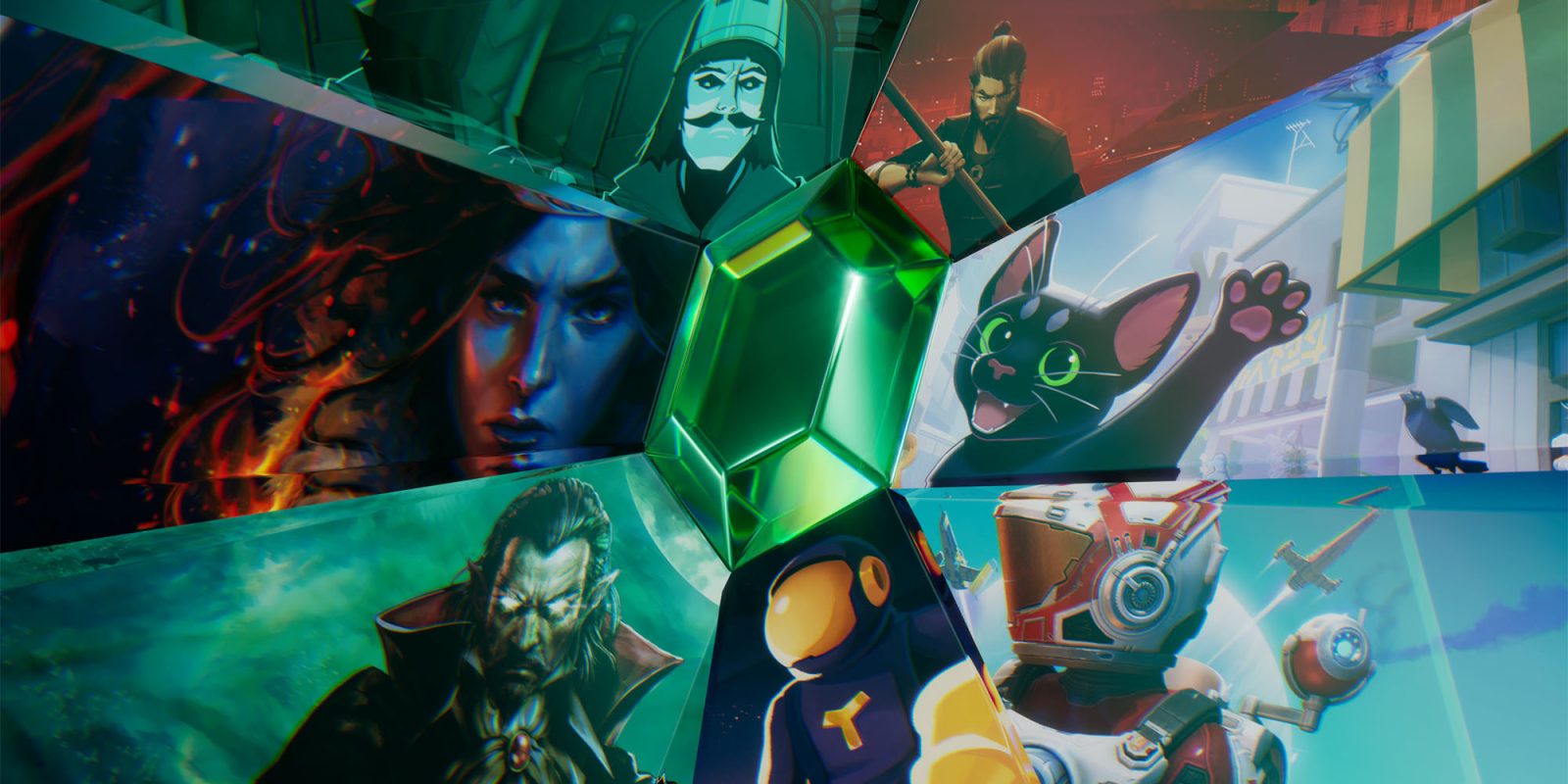
In a concerted effort to spotlight the vibrant, boundary-pushing ecosystem of independent game development, Apple has officially launched its annual “Indie Games Week” celebration across the global App Store. Announced via an official press release, the week-long event is designed to give unprecedented visibility to independent creators—ranging from solo garage developers to tightly knit boutique studios—who continuously redefine what is possible on mobile hardware.
At the center of this year’s celebration is a curated showcase of seven distinct titles that have either recently launched or are preparing to make their way onto iPhones and iPads in the immediate future. These titles have been selected not merely for their commercial viability, but for their artistic ambition, mechanic innovation, and narrative depth. By granting these projects prime digital real estate on the App Store’s Today tab, Apple is reinforcing its commitment to supporting the independent developer community, offering a vital global stage to visions that might otherwise struggle to cut through the noise of a crowded app marketplace.
This article provides an exhaustive look at Apple’s Indie Games Week, analyzing the driving philosophy behind the initiative, exploring the statements made by Apple leadership, contextualizing the vital economic and cultural role independent games play within the wider iOS ecosystem, and examining what this means for the future of mobile gaming.
Detailed Chronology: The Evolution of Indie Games on the App Store
To understand the weight of Apple’s Indie Games Week, it is necessary to trace how independent games have transitioned from underground novelties to foundational pillars of the App Store economy.
The Early Days: The Wild West of iOS Gaming
When the App Store first opened its virtual doors in 2008, it changed the software landscape overnight. For independent developers, it offered a democratization of distribution that had never existed before. Suddenly, a single programmer working from a laptop could publish a game to a global audience without needing a publishing deal with massive conglomerates like Electronic Arts or Activision.
However, this early era was also marked by discoverability challenges. Millions of apps flooded the digital shelves, and while viral sensations like Angry Birds or Doodle Jump captured the public imagination, countless masterclasses in indie design were buried beneath mountains of flashlight apps and soundboards.
The Rise of Curated Discovery
Recognizing that sheer volume was harming the user experience and stifling genuinely creative projects, Apple began overhauling the App Store in 2016, introducing dedicated editorial content, deeply reported developer stories, and expertly curated collections. This structural shift was a watershed moment for indie games. By handpicking titles like Monument Valley, Alto’s Adventure, and Year Walk, Apple proved that mobile devices could support sophisticated, deeply artistic gaming experiences.
The Launch of Apple Arcade and Modern Initiatives
The introduction of Apple Arcade in 2019 further altered the landscape by commissioning bespoke indie titles free from microtransactions and ads, allowing developers to focus purely on craft rather than monetization loops. Today, initiatives like Indie Games Week represent the pinnacle of this curation philosophy. They are temporary, high-impact cultural moments designed to focus the collective gaze of millions of iPhone users onto specific, deserving creators.
Supporting Context & Metrics: The Economic and Cultural Weight of Mobile Indies
The mobile gaming market is an economic juggernaut, generating tens of billions of dollars annually. Yet, within this massive industry, independent developers occupy a unique and vulnerable space. Understanding the metrics behind independent mobile development reveals why Apple’s promotional pushes are so crucial.
The Discoverability Dilemma
According to industry data aggregators, thousands of new apps and games are submitted to the App Store every single week. For an indie studio with little to no marketing budget, organic discovery is exceptionally difficult. Traditional user acquisition campaigns—paying for ads on social media or through ad networks—can cost thousands of dollars per day, pricing small developers completely out of the market.
When Apple features a game on the App Store’s front page, it can translate to an exponential spike in downloads. Historical data from past developer spotlights shows that a featured placement can yield anywhere from a 500% to a 2,000% increase in daily downloads overnight. For a two-person development team, this single week of exposure can mean the difference between financial ruin and the funding of their next major project.
Technological Pushing Power
It is a common misconception that mobile games are limited to simple match-three puzzles or endless runners. Modern iPhones and iPads feature silicon—such as the A-series Pro chips and M-series processors—that rival desktop computers in raw processing and graphics capabilities.
Independent developers have been at the forefront of utilizing advanced iOS technologies, including:
- Metal API Optimization: Crafting visually stunning, high-frame-rate 3D worlds that push hardware to its absolute limits.
- Haptic Feedback: Integrating the Taptic Engine to give players physical sensations that match on-screen actions, deepening immersion.
- ProMotion Displays: Leveraging 120Hz refresh rates for buttery-smooth animations and precise control inputs.
- Game Controller Support: Designing titles that seamlessly transition from touchscreen controls to wireless PlayStation, Xbox, and MFi controllers.
By spotlighting these technically and artistically ambitious projects, Apple is also subtly marketing the raw capability of its hardware ecosystem.
Official Statements: Apple Leadership on the Value of Creative Risk
The heart of Apple’s announcement lies in the philosophy driving its editorial teams. In the official press release distributed to kick off the event, Carson Oliver, Apple’s head of App Store Worldwide, offered a detailed perspective on why independent developers matter to the broader technology landscape:
"Indie games are constantly pushing the boundaries of creativity to deliver unique gameplay experiences to Apple users, and we wanted to take a moment to celebrate these games and the teams that take creative risks to push gaming forward. Whether from a solo developer or a growing studio, the App Store gives bold ideas a global stage — turning daring visions into worldwide hits. We’re thrilled with the incredible games launching on the App Store this week and amazed by their breathtaking artistry, brilliant design, and deeply moving stories."
This statement underscores a crucial shift in how tech giants view digital storefronts. Rather than treating the App Store merely as a utility for software distribution, Apple positions it as a cultural gallery. By emphasizing concepts like "creative risks," "breathtaking artistry," and "deeply moving stories," Oliver explicitly elevates video games to the status of high art, validating the emotional and intellectual labor poured into these projects by independent artists.
Furthermore, industry analysts have pointed out that highlighting indie developers serves as an effective counter-narrative to ongoing developer relations controversies and antitrust scrutiny. By positioning itself as a champion of the little guy—the solo creator and the boutique studio—Apple reinforces the narrative that the App Store is an empowering engine for grassroots innovation.
Future Outlook: Where is Mobile Indie Gaming Headed?
As we look beyond Indie Games Week and gaze toward the future of iOS gaming, several major trends are poised to shape the landscape for independent developers:
1. The Cross-Platform Continuum
The artificial barrier separating mobile gaming from console and PC gaming is rapidly dissolving. With powerful hardware in millions of pockets, cloud gaming advancements, and universal developer tools, indie games are increasingly designed to exist seamlessly across platforms. A player might start a session on their iPad during a morning commute, continue on their Mac at the office, and finish on an Apple TV connected to their living room entertainment system. Independent developers are uniquely positioned to capitalize on this fluid, ecosystem-wide gaming experience.
2. Spatial Computing and Apple Vision Pro
Perhaps the most intriguing frontier for independent developers is spatial computing. As visionOS matures, indie developers are experimenting with augmented and mixed reality (AR/MR) gaming in ways that traditional AAA studios are often too risk-averse to attempt. The whimsical, boundary-pushing nature of indie development makes it the perfect incubator for spatial gaming mechanics, transforming living rooms into interactive game boards.

3. AI-Assisted Prototyping and Creative Expansion
Artificial intelligence tools are beginning to permeate the development pipeline. While fears of AI replacing human artists persist, many independent developers are finding that generative tools and procedural generation algorithms allow tiny teams to punch far above their weight class. By automating repetitive coding tasks or generating background environmental assets, solo developers can focus more intensely on narrative, core game loops, and artistic direction.
Conclusion
Apple’s Indie Games Week is far more than a simple marketing campaign or a temporary aesthetic refresh of the App Store’s Today tab. It is a vital cultural and economic acknowledgment of the risk-takers who keep the software ecosystem fresh, vibrant, and emotionally resonant.
By taking a moment to celebrate the seven newly highlighted titles—and the broader community of independent creators behind them—Apple is reminding consumers that behind every app icon is a human story of ambition, frustration, perseverance, and triumph. As mobile hardware continues to evolve and new frontiers like spatial computing open up, the independent developer will undoubtedly remain the beating heart of gaming innovation on iOS.
Are you planning to check out any of Apple’s featured indie games this week? Have you discovered a hidden gem on the App Store recently that deserves more recognition? Let us know your thoughts and recommendations in the comments below!