Executive Overview
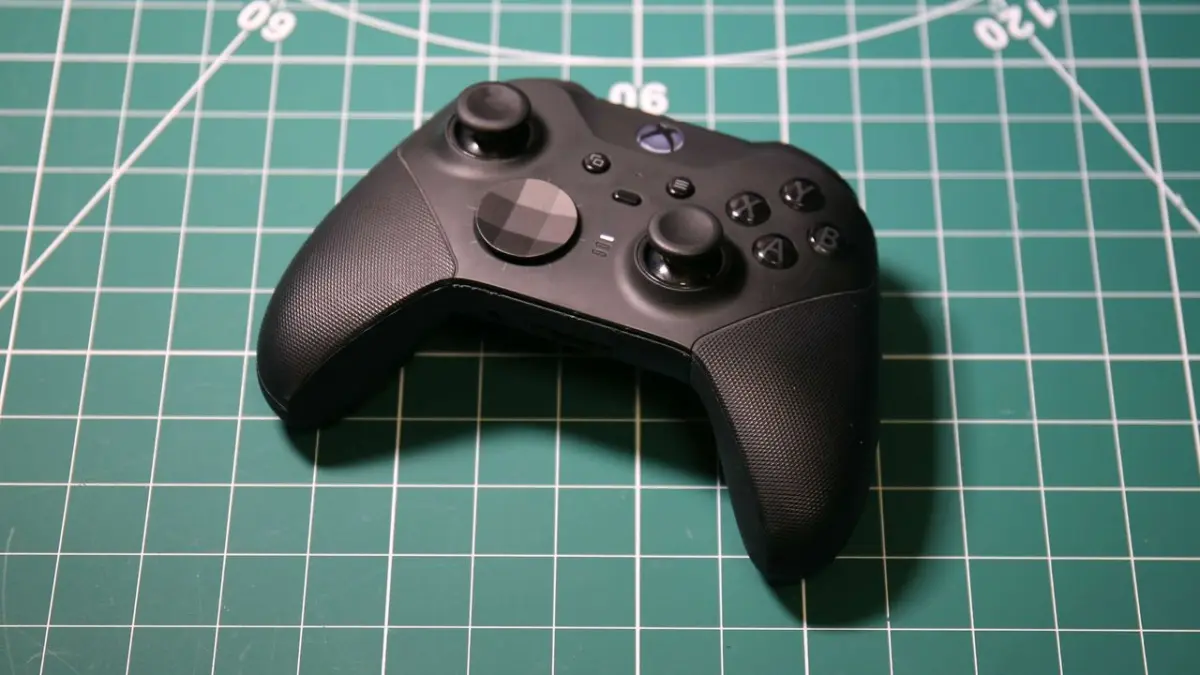
Nearly seven years after the launch of the widely acclaimed Xbox Elite Wireless Controller Series 2, the gaming community finds itself on the precipice of a hardware evolution. For years, players have speculated about Microsoft’s next move in the high-end gamepad market, a space that has evolved dramatically since 2019. Now, thanks to a serendipitous—and perhaps regrettable—local marketplace listing in Seattle, the gaming world has been treated to what appears to be a comprehensive look at the unreleased Xbox Elite Series 3.
The leak surfaced when an anonymous Redditor posted a trove of information and high-resolution images of a mysterious new pro-tier controller they claimed to have purchased for $200 on OfferUp. Operating in Seattle—a stone’s throw from Microsoft’s Redmond headquarters—the buyer inadvertently threw open the curtains on a tightly guarded internal development project. Though the original user account has since vanished and the Reddit thread was partially scrubbed, the digital footprint of the leak was quickly captured, verified, and analyzed by industry insiders, including Tom Warren of The Verge.
The images and subsequent commentary reveal a controller that refines the ergonomic foundation of its predecessor while introducing intriguing new features, including a built-in mono OLED display, cloud-gaming connectivity assets, and updated physical mechanics. However, with the prototype currently locked to developer accounts and stubbornly refusing to interface with consumer consoles or PCs out of the box, questions remain about its functional capabilities. As the high-end controller market faces fierce competition from third-party manufacturers utilizing advanced technologies like Hall effect sticks, the stakes for Microsoft’s next flagship peripheral could not be higher.
Detailed Chronology: From Marketplace Find to Digital Disappearance
The timeline of the Xbox Elite Series 3 leak reads like a modern industrial espionage thriller, unfolding in rapid, chaotic succession across online forums and social media platforms.
May: The Initial Whispers
Speculation regarding a third-generation Elite controller first gained traction earlier this year when vague supply chain rumors and preliminary design leaks emerged. Industry trackers noted that Microsoft had begun prototyping a successor to the Series 2, featuring minor design shifts, altered trigger mechanisms, and a rearranged internal layout. However, without concrete photographic evidence, these reports were largely filed away as wishful thinking by a community growing restless for an upgrade.
August 11: The $200 OfferUp Score
The situation escalated dramatically when a user on Reddit’s r/Controller community published a thread titled: "Anyone know what controller this is? Is this the…" Attached to the post were clear images of a high-end gamepad bearing unmistakable Xbox design DNA, alongside physical evidence pointing directly to an official prototype.
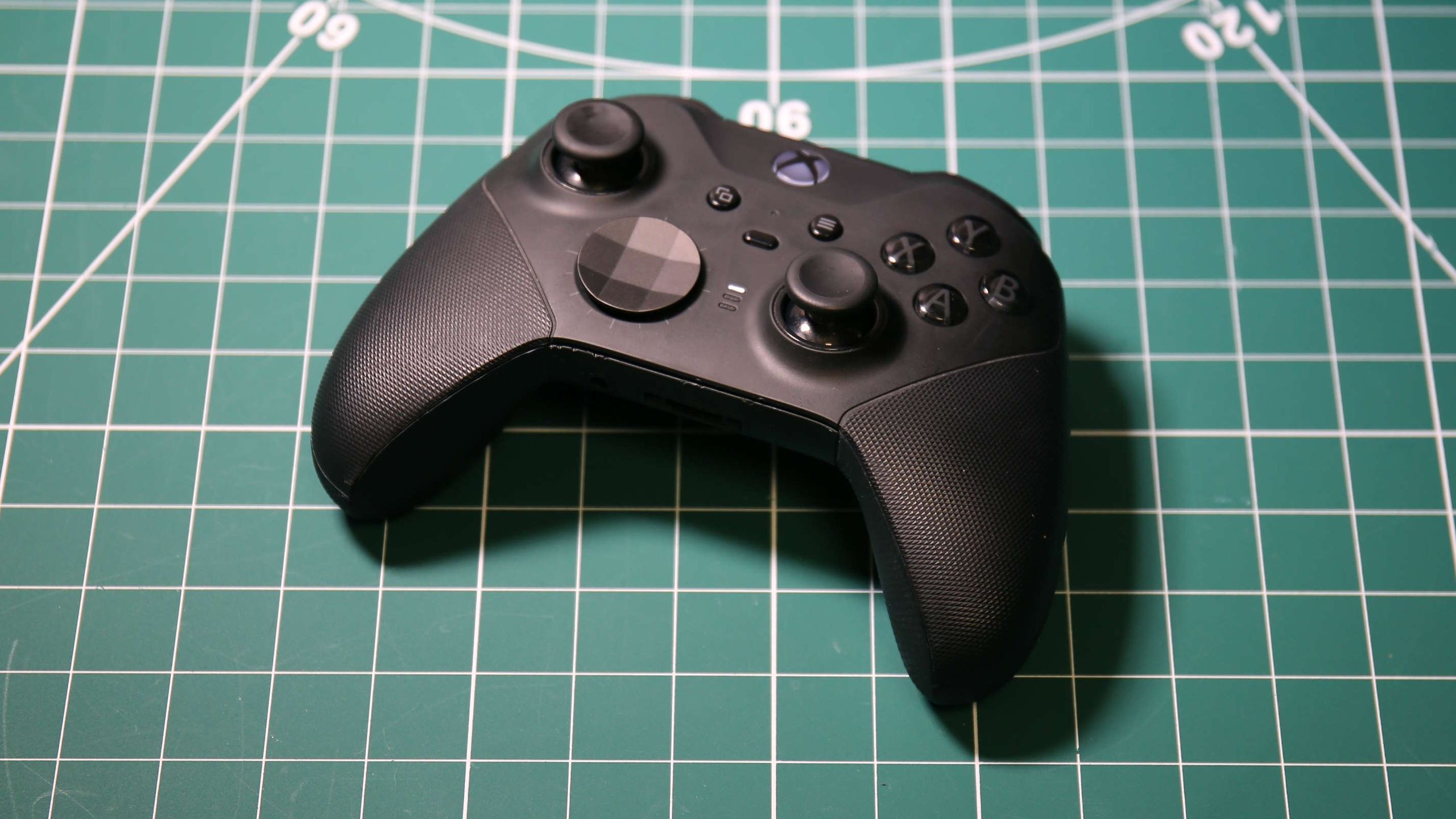
According to the original poster, the device was secured locally via OfferUp in Seattle, Washington, for a flat fee of $200. Given Seattle’s geographic proximity to Microsoft’s primary hardware engineering campuses, hardware leaks originating from local peer-to-peer marketplaces have historical precedent. Employees and contractors frequently test prototype units in the wild, occasionally leading to lost, discarded, or illicitly sold hardware finding its way onto secondhand apps.
The Purge and Amplification
Recognizing the sensitivity of the hardware, the original poster’s account abruptly vanished from Reddit, and portions of the thread were wiped clean. Yet, in the digital age, information moves faster than containment protocols. The Verge’s Tom Warren preserved and amplified the leak by sharing the imagery and context on X (formerly Twitter), directing widespread attention to the unfolding hardware mystery.
Subsequent deep-dives into the leaked images revealed stunning details: a battery compartment bearing the explicit, unmistakable warning stamp: "PROTOTYPE NOT FOR SALE." Further inspection of the controller’s newly integrated display screen uncovered proprietary Microsoft URL shortener links (aka.ms), which inquisitive Redditors managed to trace to internal documents concerning controller connectivity and specialized cloud-gaming protocols.
Design Evolution and Hardware Architecture
Examining the leaked imagery provides a clear picture of how Microsoft plans to iterate on its premier hardware line. While the overarching silhouette remains faithful to the ergonomic blueprint laid down by the Elite Series 2, several notable physical and functional modifications stand out.
Ergonomics and Aesthetics
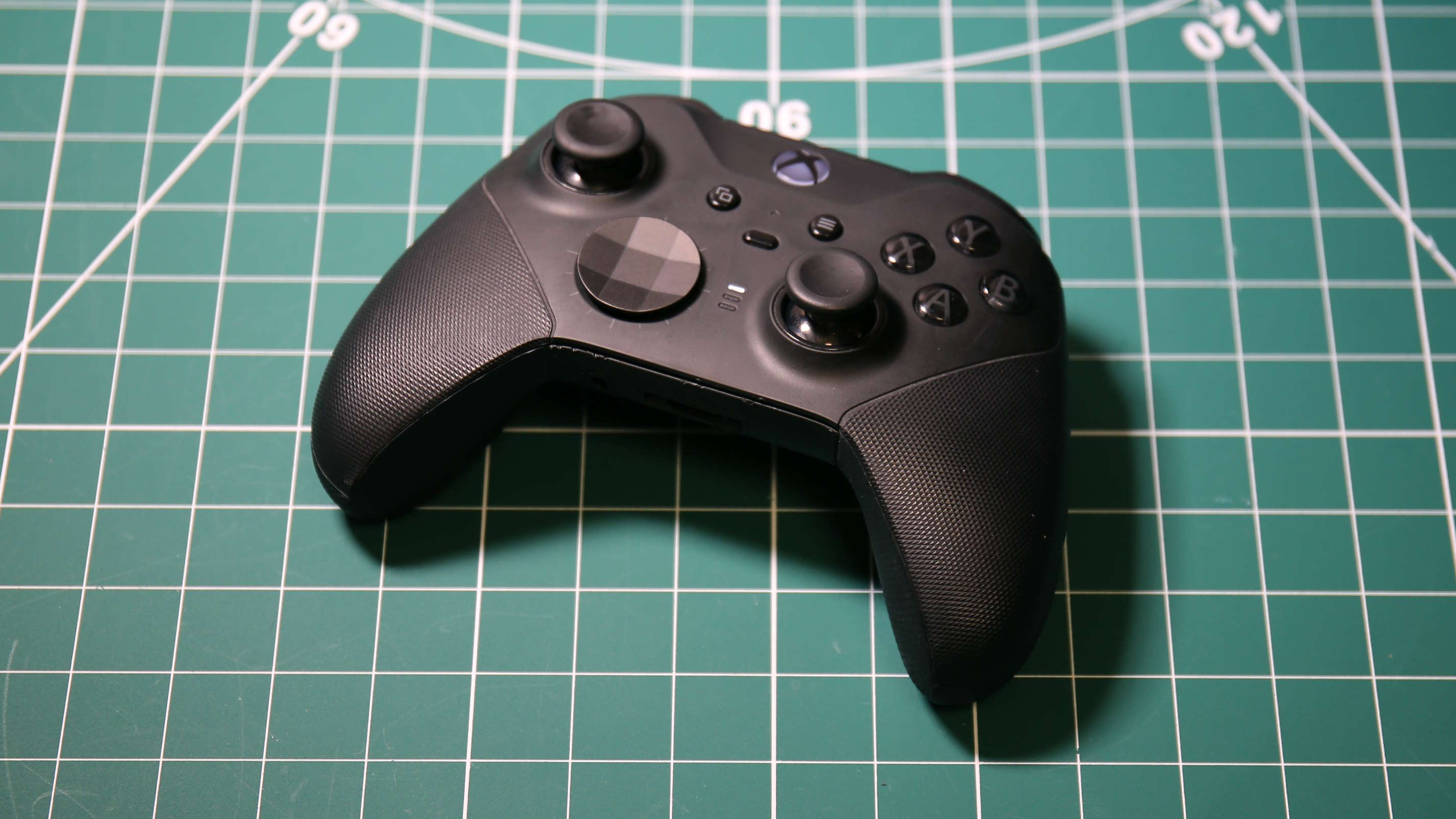
The overall shape of the Elite Series 3 closely mirrors contemporary high-end controllers, drawing favorable comparisons to top-tier competitors like the Razer Wolverine V3 Pro. The grip texture, rear paddle mounting slots, and trigger lock mechanisms are present and accounted for. However, subtle adjustments have been made: the iconic ABXY face buttons appear slightly larger and more pronounced, and testers note that the overall tactile feedback leans closer to a refined, more responsive "clicky" sensation reminiscent of the standard Xbox Series X controller—albeit with pro-grade tolerances.
The Mono OLED Display Strip
Perhaps the most radical addition to the Elite Series 3 chassis is a small screen nestled along the top edge of the controller between the bumpers. Analysis suggests this is a low-power monochrome OLED display. Self-emitting OLED pixels consume negligible battery power when displaying simple text, making them ideal for displaying profile information, battery percentages, or contextual status indicators without draining the controller’s wireless endurance. In the leaked photographs, this screen displays an internal Microsoft redirect URL alongside basic diagnostic test routines.
Tailored Connectivity for Cloud Gaming
The inclusion of specialized connection protocols points directly toward an enhanced focus on cloud gaming. Community members who followed the truncated aka.ms links discovered references detailing how the controller interfaces with dedicated cloud servers. This mirrors functionality pioneered by platforms like the Amazon Luna controller and the now-defunct Google Stadia pad, designed to minimize input latency by connecting directly to the cloud rather than routing inputs through a host console or PC.
Modular Components and Travel Hardware
Disassembly insights gleaned from the original poster’s commentary indicate that the modular components—such as the removable magnetic thumbsticks, directional pad, and rear paddles—retain their modularity. The D-pad features a simplified yet robust rocking mechanism. Furthermore, the adjustable trigger locks offer a notably shorter actuation distance, resulting in a tactile, mouse-click-like actuation when fully engaged. Finally, the inclusion of a slimmed-down, premium travel case suggests that the hardware design has matured past the conceptual phase and is packaged for real-world portability.
Supporting Context & Metrics: The Changing Controller Landscape
To understand why the Xbox Elite Series 3 matters, one must examine the vastly altered competitive landscape of the gaming peripheral market. When the Xbox Elite Series 2 launched in late 2019, it stood nearly uncontested as the undisputed king of luxury gamepads. Fast forward to the present day, and consumer expectations—and market alternatives—have shifted tectonically.
The Hall Effect Revolution
One of the most glaring criticisms of past elite controllers has been their susceptibility to analog stick drift, a hardware ailment caused by friction-based potentiometers wearing down over time. Over the last several years, magnetic Hall effect and Tunnel Magnetoresistance (TMR) sensors have swept through the industry. By utilizing magnets to measure stick position without physical contact, these technologies virtually eradicate stick drift.
While consumers now increasingly view Hall effect sensors as an absolute baseline requirement for any controller costing upwards of $150, the Elite Series 2 infamously lacked them. Enthusiasts are watching closely to see if Microsoft has finally integrated Hall effect or TMR technology into the Elite Series 3. Launching a $200+ pro controller in the modern era without drift-resistant stick technology would be a commercial misstep of monumental proportions.
The Rise of Value-Driven Pro Controllers
Furthermore, the monopoly on "elite" performance has been shattered. Consumers no longer need to spend top dollar to get elite features. Products like the GameSir G7 Pro Tri-Mode and various offerings from companies like 8BitDo and Flydigi have proven that premium performance, mechanical switches, back buttons, and zero-drift sticks can be delivered at a fraction of the cost of first-party hardware.

+---------------------------+-----------------------+------------------------+
| Feature                   | Xbox Elite Series 2   | Leaked Elite Series 3  |
+---------------------------+-----------------------+------------------------+
| Release Era               | Late 2019             | Imminent / Unreleased  |
| Stick Technology          | Traditional Pots      | Unconfirmed (Expected) |
| Display Screen            | None                  | Mono OLED Strip        |
| Cloud Gaming Integration  | Standard Bluetooth    | Dedicated Cloud Link   |
| Estimated Price Tier      | $179.99               | $200.00+               |
+---------------------------+-----------------------+------------------------+
Operational Hurdles and Current Limitations
Despite the excitement generated by the leak, prospective buyers should temper their enthusiasm. The Reddit user who acquired the prototype quickly discovered a major caveat: the controller does not currently function on standard retail Xbox consoles or PCs.
Hardware analysts suggest this operational lockout is intentional. Prototype units distributed for internal testing or developer evaluation are routinely fused or firmware-locked to specialized development kits and authorized Microsoft testing environments. Without the necessary security handshake or dev-account credentials, the gamepad functions as an expensive paperweight when plugged into standard consumer hardware. This operational barrier heavily reinforces the authenticity of the leak, as counterfeiters or custom modders would typically ensure a functional end-product before distributing it.
Future Outlook: What Lies Ahead for Xbox Hardware
Assuming the leaked prototype represents a near-final production model, industry watchers anticipate an official announcement from Microsoft later this year. The presence of retail-ready packaging components, such as the customized travel case and finalized shell moldings, indicates that the product development lifecycle is well advanced.
However, Microsoft’s timing will be crucial. If the tech giant prices the Elite Series 3 near or above the $200 mark, it will face intense scrutiny from a consumer base that has grown accustomed to high-performance, drift-free alternatives at significantly lower price points. The inclusion of the OLED status strip and dedicated cloud-gaming protocols must translate into genuine, seamless quality-of-life improvements to justify the investment.
For hardcore enthusiasts who favor the official Xbox ecosystem and demand pro-grade ergonomics, the Elite Series 3 represents an exciting, long-overdue evolution. Whether it can reclaim the crown from a rapidly innovating third-party market will depend entirely on Microsoft’s choice of internal components—specifically, whether they have finally embraced the drift-free longevity of modern sensor technology. Until Microsoft lifts the veil officially, this Seattle marketplace find remains our best glimpse into the future of Xbox hardware control.