Executive Overview
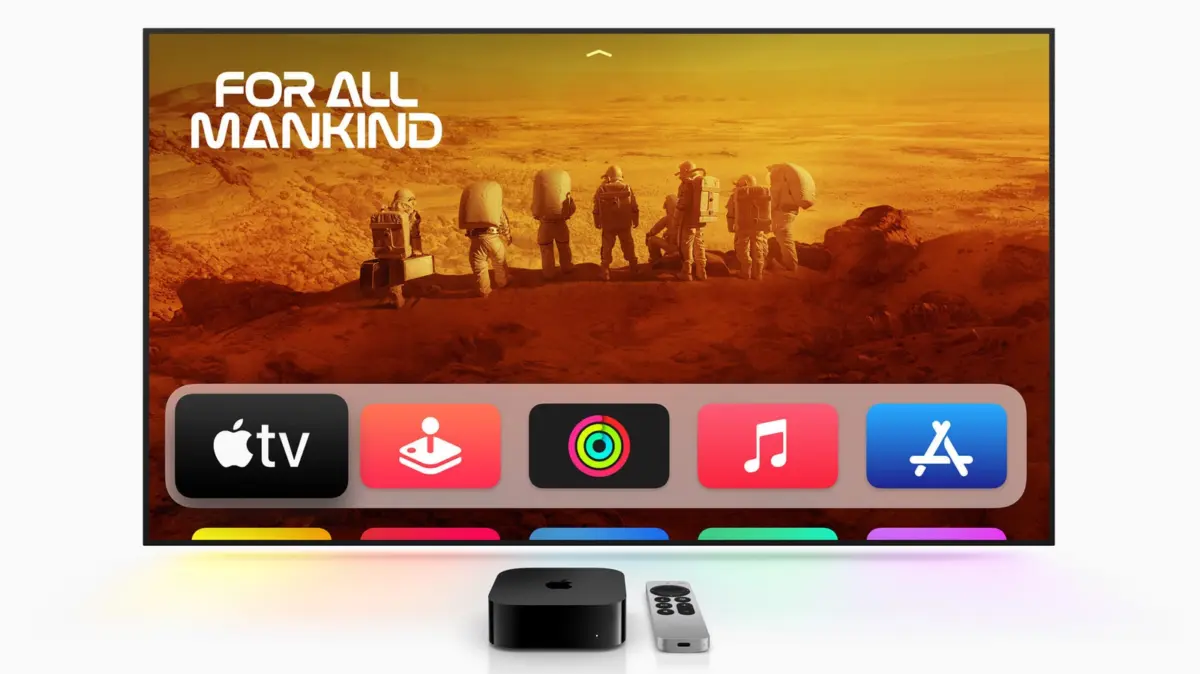
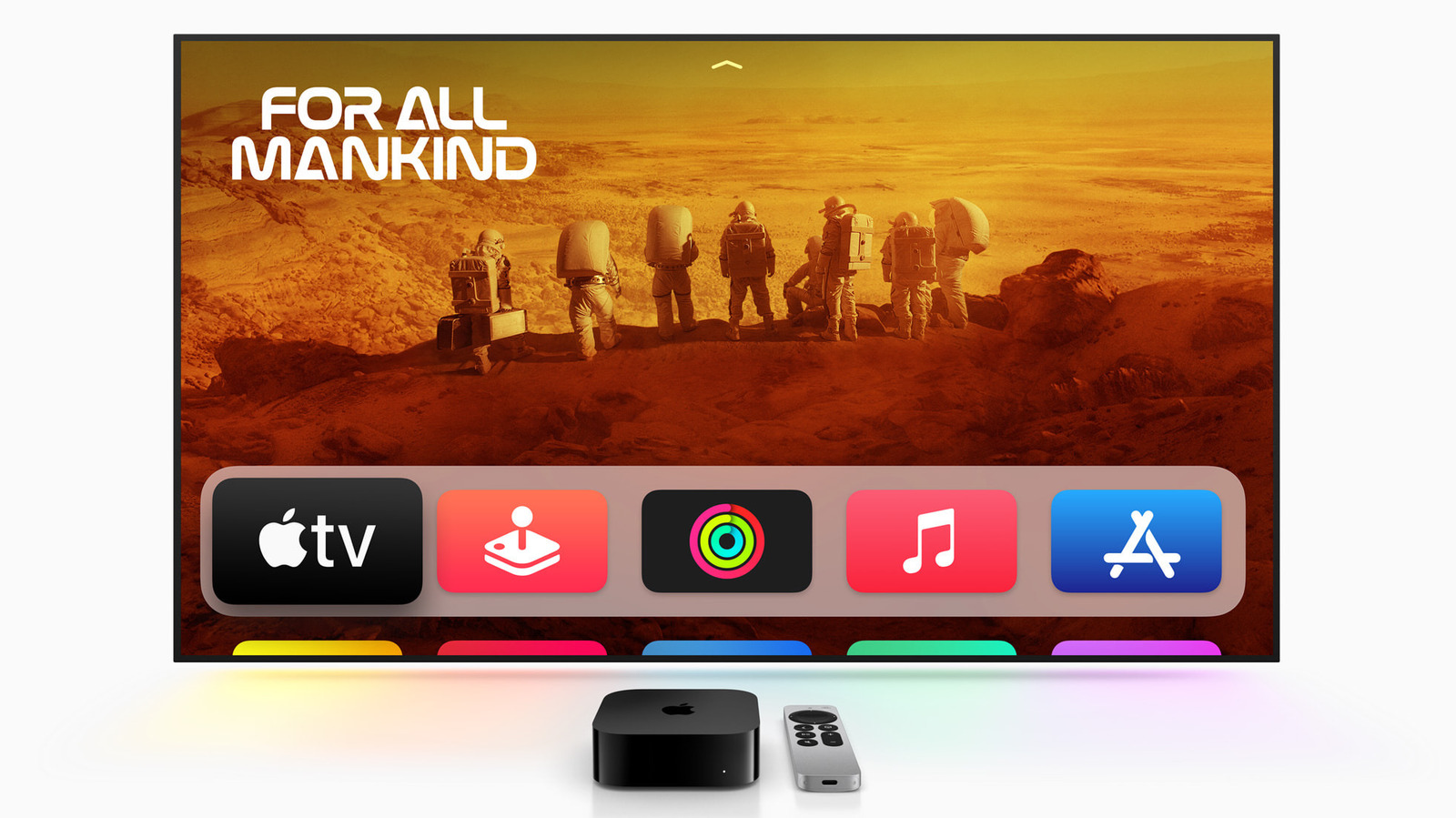
In an era where digital ecosystems dictate daily routines, entertainment, and professional workflows, the sudden collapse of a major cloud infrastructure provider or consumer tech platform sends immediate shockwaves across the globe. On the afternoon of September 30, users attempting to access Apple’s premier streaming platform, Apple TV, were met with relentless loading spinners, error messages, and blank screens. What initially appeared to be a minor, localized glitch quickly escalated into a widespread service disruption, leaving millions unable to access their favorite content—ranging from flagship original series like Ted Lasso to live sports broadcasts and movie rentals.
While concurrent outages struck several vital pillars of the Apple ecosystem—including the iOS and Mac App Stores, Apple Music, Apple Fitness+, and account-related subscription services—the majority of those auxiliary systems were restored within a matter of hours. However, Apple TV remained stubbornly offline, dragging out the frustration for subscribers and drawing intense scrutiny from industry analysts, consumer advocates, and tech journalists alike.
Apple’s official stance, communicated through updates to its corporate System Status dashboard, attributed the multi-service disruption to "scheduled maintenance." Yet, the prolonged downtime for the video streaming architecture has raised probing questions. Why did an ostensibly routine system update cascade into widespread systemic failures? Why has Apple TV lagged significantly behind its sister services in returning to operational capacity? And what does this prolonged outage reveal about the vulnerabilities inherent in modern, deeply integrated consumer tech conglomerates?
This investigative report provides an in-depth chronicle of the September 30 Apple ecosystem outage, analyzes the timeline of failure and recovery, contextualizes the technological weight of cloud-dependent entertainment platforms, evaluates official corporate communication, and forecasts the potential long-term fallout for Apple’s service-driven revenue model.
Detailed Chronology of the Outage
Understanding the trajectory of a modern technological failure requires a forensic examination of the timeline. The disruption did not manifest in isolation; rather, it cascaded rapidly across multiple operational sectors within Apple’s sprawling digital architecture.
Phase 1: The Initial Trigger (September 30, Afternoon)
At approximately 4:43 PM on September 30, telemetry data and consumer complaints began surging across social media platforms, independent outage-tracking portals such as Downdetector, and niche tech communities like 9to5Mac. Users attempting to stream content on Apple TV hardware, smart TVs, streaming sticks, and mobile devices encountered abrupt connection terminations and playback errors.
Simultaneously, developers and everyday consumers attempting to access the iOS App Store and Mac App Store experienced severe connectivity timeouts. Searches failed to load, application updates stalled, and checkout processes for digital goods ground to a halt. Within minutes, the aperture of the disruption widened further, engulfing Apple Music—preventing users from streaming albums or querying playlists—and blocking access to Apple Fitness+, leaving home-gym enthusiasts without their scheduled workout sessions.
Phase 2: System Status Recognition and Cascading Failures
As user reports compounded, Apple’s internal monitoring systems triggered automated status flags. By late afternoon, the official Apple System Status page—a historically sanitized public-facing dashboard—turned an uncharacteristic shade of yellow and red. The notices confirmed that multiple mission-critical services were degraded or completely inaccessible.
According to logs captured during the height of the incident, the affected services included:
- Apple TV: Complete loss of streaming capabilities and content library access.
- App Store (iOS and Mac): Inability to browse, download, or update software applications.
- Apple Music: Intermittent and total playback failures for cloud-synced libraries.
- Apple Fitness+: Failure to load video classes and synchronization errors with Apple Watch telemetry.
- Subscriptions and AppleCare+ Purchases: Inability to manage billing profiles, renew subscriptions, or process new hardware support agreements.
Phase 3: The Recovery Divergence
As evening approached, Apple’s engineering and network operations teams initiated triage procedures. Unlike traditional broadcast networks that rely on localized transmission towers, Apple’s services depend on a vast, distributed network of content delivery networks (CDNs), proprietary server farms, and microservices architecture.
By early evening, engineers successfully isolated and remediated the faults affecting the App Stores, Apple Music, Apple Fitness+, and the subscription billing backends. By routing traffic through redundant nodes and rolling back problematic database queries or code deployments, these services were restored to full operational status within a few hours of the initial failure.
However, Apple TV did not follow this swift trajectory of recovery. While auxiliary services hummed back to life, the Apple TV application and hardware-level interface remained unresponsive. Hours bled into the night, leaving the streaming platform stranded in a digital purgatory. Users attempting to watch premier content—such as the highly anticipated continuation of franchise programming like Ted Lasso—found themselves blocked indefinitely, while Apple’s status page struggled to provide granular explanations for the disparity in recovery times.
Supporting Context & Metrics: The Anatomy of a Modern Cloud Outage
To fully comprehend the significance of the September 30 outage, one must examine the macro-economic and technological context in which Apple operates today.
The Shift Toward Services-Driven Revenue
For decades, Apple was predominantly a hardware manufacturer, deriving the vast majority of its revenue from the sale of iPhones, iPads, and Mac computers. However, over the past eight years, the corporation has orchestrated a massive strategic pivot toward digital services. Subscriptions to Apple Music, iCloud storage, Apple TV+, Apple Arcade, and Apple Fitness+ now represent a multi-billion-dollar bedrock of recurring revenue, designed to insulate the company from cyclical hardware upgrade loops.
When services like Apple TV and the App Store experience downtime, the financial implications extend far beyond bruised consumer goodwill. Every minute of App Store downtime represents aborted micro-transactions, failed in-app purchases, and stalled developer commerce. Similarly, every hour that Apple TV remains dark chips away at the perceived reliability of Apple’s subscription value proposition. Consumers paying monthly fees for ad-free, high-definition streaming expect carrier-grade reliability—a standard that rivals traditional cable television and competitive streaming giants like Netflix, Disney+, and Amazon Prime Video.
The Complexity of Microservices Architecture
Modern tech giants no longer rely on monolithic software applications hosted on single servers. Instead, services like Apple TV operate on intricate webs of microservices—modular, independent software components that communicate via APIs.
While a microservices architecture offers immense scalability, rapid deployment cycles, and fault isolation, it introduces a dangerous vulnerability: cascading dependencies. If a core authentication service, a user authorization database, or a content-rights verification API stumbles during a routine update or maintenance cycle, it can trigger a domino effect across seemingly unrelated applications.
This technical reality aligns closely with Apple’s vague official justification of "scheduled maintenance." Major platform updates often require rolling changes to user entitlement databases, content metadata catalogs, and Digital Rights Management (DRM) servers. If a deployment script corruption or database synchronization error occurs during this phase, authentication tokens can fail globally, locking legitimate subscribers out of their accounts and media libraries.
Comparative Reliability in the Streaming Industry
Consumer tolerance for streaming outages has plummeted as video-on-demand has become the primary medium for home entertainment. In an era where live sports, serialized dramas, and breaking news are consumed digitally, a multi-hour outage is no longer viewed as a minor technical hiccup; it is treated as a severe product failure.
While competitors such as Netflix and Amazon have experienced high-profile outages in the past, their massive investments in multi-region cloud redundancy and automated self-healing network infrastructures have generally kept downtime metrics to fractional percentages of total uptime. Apple’s struggle to bring Apple TV back online while concurrently restoring its other services suggests that the underlying media asset management and streaming delivery pipelines possess unique complexities—or localized bottlenecks—that resist rapid, automated failover protocols.
Official Statements and Corporate Communication
In the wake of major technological disruptions, corporate transparency serves as the primary currency for maintaining consumer trust. Apple’s approach to public communication during the September 30 incident has historically adhered to its trademark corporate reserve: minimal elaboration, strictly controlled public dashboards, and a calculated avoidance of deep technical post-mortems.
The "Scheduled Maintenance" Paradox
In its official notices posted across its status monitoring channels, Apple stated that the affected systems "may be unavailable due to scheduled maintenance."
This phrasing immediately drew skepticism from IT professionals and tech journalists alike. In modern enterprise computing, "scheduled maintenance" typically implies planned, off-peak interventions designed to minimize user disruption—often accompanied by advance warnings to enterprise partners and developers. Executing extensive, multi-service maintenance during peak afternoon hours on a weekday, resulting in widespread global outages, represents either a severe miscalculation of deployment risk or an emergency patch misidentified as scheduled work.
Industry analysts interviewed in the wake of the incident noted that technology companies frequently utilize umbrella terms like "maintenance" to cover emergency hotfixes, unexpected database lockups, or sudden security patching necessitated by newly discovered vulnerabilities. By classifying the event as maintenance rather than a catastrophic infrastructure failure, the company avoids admitting to systemic instability while satisfying basic regulatory and consumer notification requirements.
The Silence on Apple TV’s Prolonged Downtime
While Apple’s public relations and engineering teams mobilized to restore the App Stores and Apple Music within hours, the company maintained complete silence regarding the specific technical bottlenecks plaguing Apple TV. No official press release was issued, corporate spokespersons declined requests for immediate comment from major tech publications, and customer support channels were largely limited to automated deflection scripts advising users to check the System Status page.
This information vacuum left consumers and subscribers to speculate wildly. Was the prolonged Apple TV outage caused by a corrupted database migration? Did a content delivery network (CDN) routing table failure strand video streaming manifests? Or were engineers forced to perform a manual rollback of complex DRM security protocols? Without official clarification, stakeholders are left to weigh the resilience of Apple’s media infrastructure against mounting consumer expectations.
Future Outlook: Reinforcing the Apple Ecosystem
As the dust settles on the September 30 outage and all services return to normal operational capacity, the incident leaves a lasting impression on the tech landscape. It serves as a stark reminder that even the world’s most valuable technology companies—possessing nearly limitless capital, elite engineering talent, and sophisticated global infrastructure—remain vulnerable to the fragile realities of digital code.
Lessons for Apple’s Engineering Teams
The stark contrast between the rapid recovery of Apple’s App Stores and the protracted downtime of Apple TV highlights a critical area for internal review. Moving forward, Apple’s infrastructure architects will undoubtedly face intense pressure to decouple streaming media delivery systems from broader service dependencies.
To prevent future cascading failures, engineering teams must invest heavily in:
- Decoupled Authentication Pipelines: Ensuring that user authorization for streaming media does not share fragile database nodes with transactional commerce platforms like the App Store.
- Advanced Self-Healing CDNs: Implementing more resilient automated failover protocols for media streaming nodes to ensure regional availability even if primary global servers encounter catastrophic faults.
- Transparent Incident Reporting: Evolving beyond sterile status dashboard notices to provide timely, granular technical explanations when multi-hour outages impact paying subscribers.
The Consumer Impact and Brand Loyalty
For the average consumer, an occasional outage is an annoyance easily forgiven; however, repeated infrastructure stumbles can gradually erode brand loyalty. As Apple continues its aggressive expansion into subscription-based entertainment—competing directly with traditional media conglomerates and tech behemoths—reliability must match content quality.
Subscribers paying for Apple TV+ and utilizing Apple TV hardware do not merely buy access to a catalog of award-winning shows; they purchase an implicit promise of seamless, frictionless convenience. When that promise is broken for hours on end without clear explanation, the magic of the ecosystem dims slightly.
Ultimately, the September 30 outage will likely be recorded in tech history as a temporary blip—a brief afternoon storm that tested the resilience of Apple’s digital empire. Yet, for the architects and engineers behind the scenes, it stands as a profound stress test, signaling that as the digital ecosystem expands, the margin for error narrows inexorably toward zero.