Executive Overview
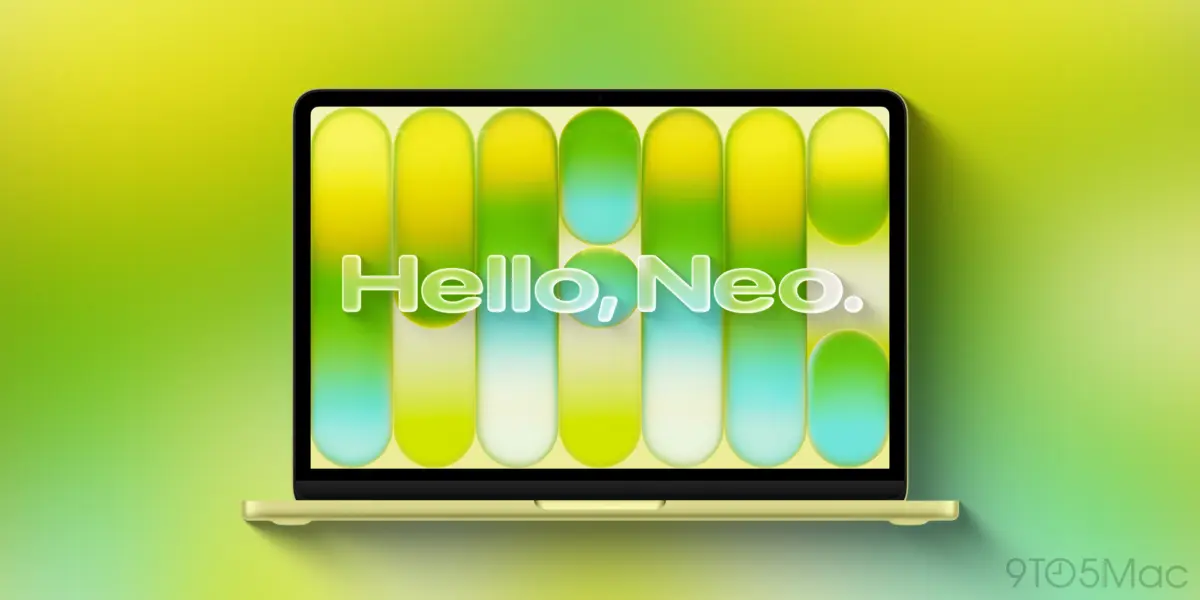
Earlier this year, Apple reshaped the entry-level personal computer market with the introduction of the MacBook Neo. Designed to bridge the gap between portable iOS hardware and traditional macOS power requirements, the device captured the imagination of consumers worldwide. Despite facing persistent supply chain bottlenecks driven by unprecedented consumer demand—a testament to its market resonance—the original MacBook Neo quickly established itself as a cornerstone of Apple’s hardware ecosystem.
Now, industry reports and supply chain leaks point toward the future: the second-generation MacBook Neo. While the inaugural model relied on the A18 Pro architecture to deliver remarkable efficiency at an aggressive price point, early intelligence suggests its successor is poised to introduce meaningful, targeted performance bumps.
At the core of the upcoming MacBook Neo 2 will reportedly be the A19 Pro chip, paired with a modest yet crucial memory upgrade to 12GB of RAM. These hardware adjustments are not merely incremental; they are structurally calculated to bridge the gap between Apple’s standard device tiers and its most advanced on-device artificial intelligence capabilities. Alongside performance revisions, Apple is expected to maintain its vibrant, youthful design philosophy by introducing a fresh rotation of colorways.
This comprehensive report examines everything currently known about the MacBook Neo 2, evaluating its anticipated specifications, processing capabilities, memory constraints, AI readiness, and expected release timeline.
Detailed Chronology: From the Debut of the Neo to the 2027 Horizon
To understand where the MacBook Neo 2 is heading, it is essential to trace the trajectory of Apple’s unexpected budget laptop strategy.
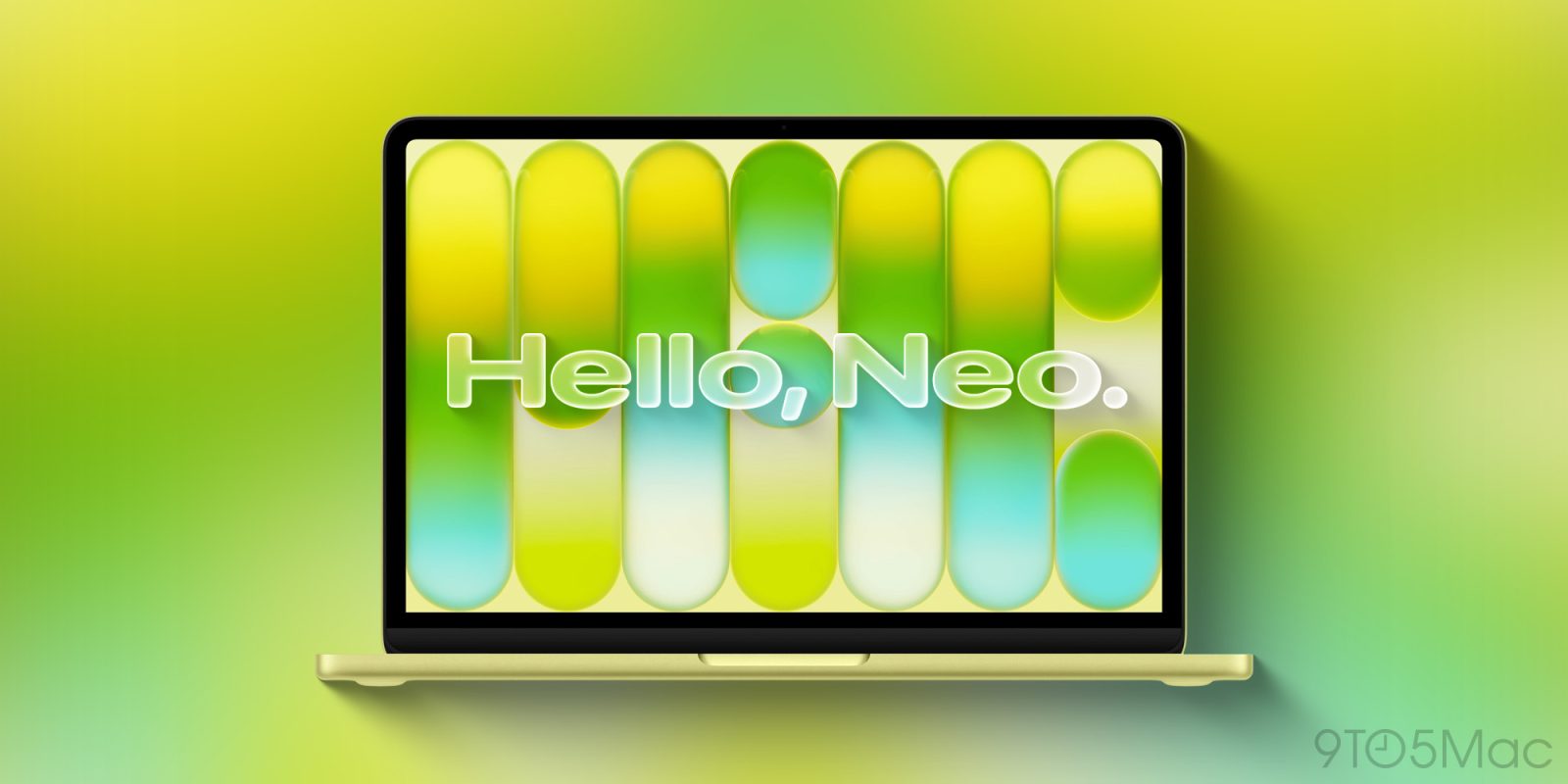
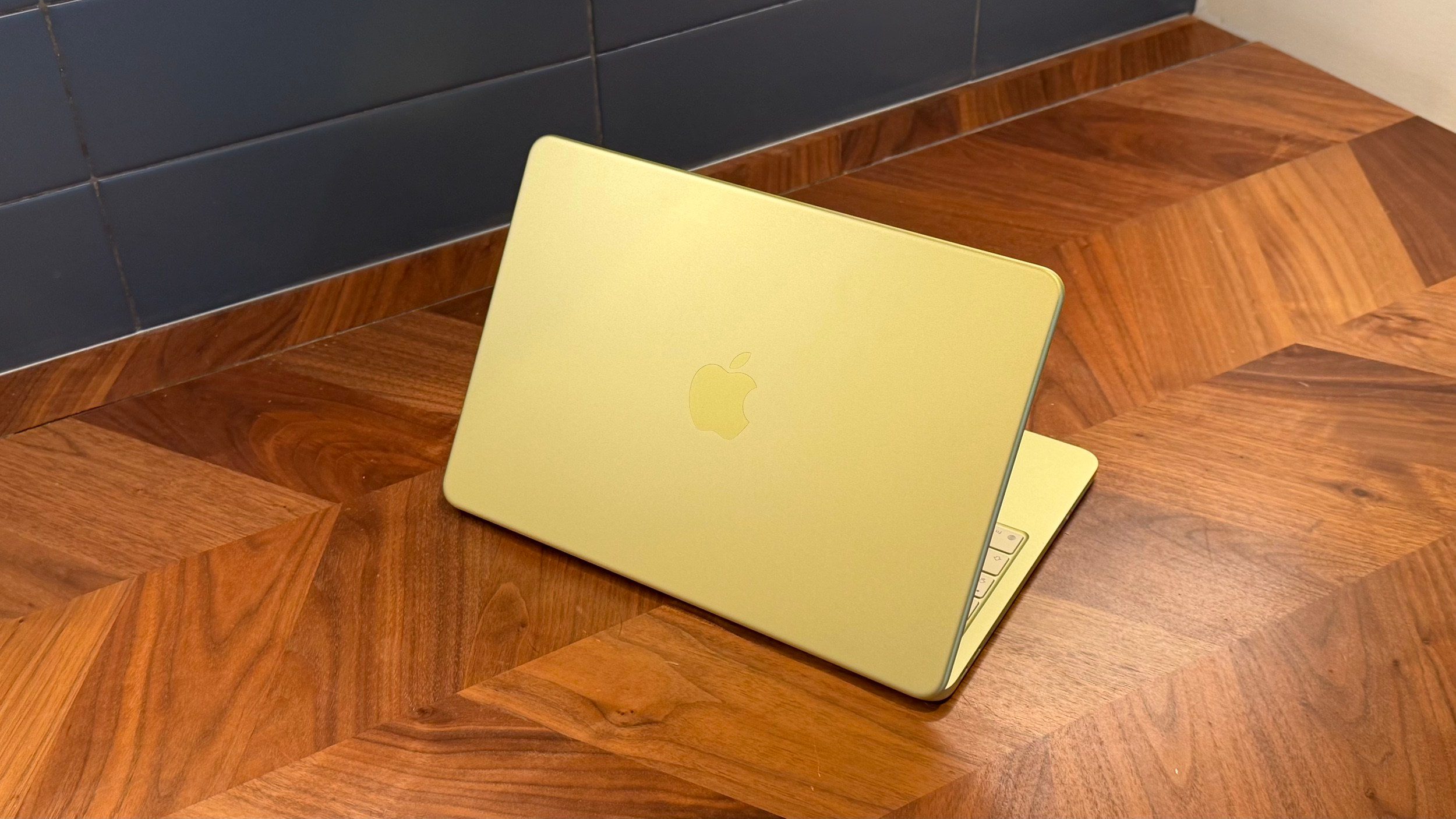
- Early 2026: Apple officially launches the original MacBook Neo to widespread critical acclaim. Powered by the A18 Pro chip—the same silicon driving the iPhone 16 Pro—and outfitted with 8GB of RAM, the device is marketed as Apple’s most affordable notebook yet. Available in striking colorways like citrus, blush, indigo, and silver, it instantly captures a younger, more mobile demographic.
- Spring 2026: High demand triggers severe supply chain constraints. Industry analysts, including reporter Tim Culpan, report that Apple is struggling to keep pace with global orders, underscoring a massive, previously underserved market for low-cost macOS hardware.
- Mid 2026 (WWDC): Apple unveils its next-generation, deeply integrated on-device AI models. However, early technical specifications reveal that these advanced features—such as enhanced semantic dictation and customizable Siri personas—require hardware thresholds beyond the reach of the original MacBook Neo’s 8GB memory ceiling and A18 Pro processing configuration.
- Late 2026: Leaks emerge via Bloomberg outlining Apple’s expansive, multi-year Mac roadmap. Buried within the supply chain data are the first concrete references to a second-generation MacBook Neo powered by an A19 Pro variant.
- 2027 (Projected): Analysts project the commercial release of the MacBook Neo 2, which aims to resolve performance bottlenecks, introduce expanded memory, and unlock modern AI utilities while preserving the device’s signature affordability.
Supporting Context & Metrics: Under the Hood of the MacBook Neo 2
While the physical footprint and chassis design of the MacBook Neo are expected to remain largely consistent, the internal engineering is slated for a thorough overhaul. The shift from the A18 Pro to the A19 Pro architecture brings several generational leaps in computing and graphics throughput.
The A19 Pro Chip and GPU Enhancements
The current MacBook Neo relies on the A18 Pro system-on-chip. For the second-generation iteration, Apple is turning to the A19 Pro—the very same silicon powering top-tier flagship hardware like the iPhone 17 Pro and the ultra-slim iPhone Air.
Performance benchmarks indicate that the standard A19 Pro yields a 10% to 15% increase in both single-core and multi-core CPU evaluations compared to its predecessor. However, the most profound architectural shift lies within the graphics processing unit. The A19 Pro GPU introduces hardware-level Neural Accelerators integrated into every single GPU core. Consequently, graphics benchmarks point toward a staggering 35% to 40% performance boost over the A18 Pro.
Yet, tailoring a mobile processor for a notebook computer requires strategic binning. According to supply chain reports from Tim Culpan, Apple intends to utilize a "binned" configuration of the A19 Pro for the MacBook Neo 2. While flagship iPhones utilize a fully enabled 6-core GPU layout, the MacBook Neo 2 variant is expected to step down to a 5-core GPU. This manufacturing approach allows Apple to maximize semiconductor yield, reduce production costs, and maintain the aggressive price point required for a budget-focused laptop, all while retaining the core efficiency benefits of the architecture.
Breaking the 8GB RAM Ceiling: Moving to 12GB
One of the most heavily scrutinized compromises of the original MacBook Neo was its reliance on 8GB of unified memory. While modern optimization routines in macOS allow the system to punch well above its weight class, the rest of Apple’s contemporary Mac portfolio starts at a baseline of 16GB of RAM.
Rather than leaping straight to 16GB—a move that would undoubtedly cannibalize sales of higher-tier MacBook Air and MacBook Pro models—the MacBook Neo 2 is expected to strike a middle ground. Industry consensus points to an upgrade to 12GB of RAM, made natively possible by the memory controller architecture of the A19 Pro platform.
While power users processing heavy video workloads or large datasets may still find 12GB restrictive, general office workers, students, and casual consumers will benefit noticeably from the added headroom. Multitasking with numerous browser tabs, running communication suites, and executing local productivity tools will feel markedly smoother.

Official Statements and Industry Insights
Apple has maintained its customary silence regarding unannounced products, but supply chain analysts and insiders have provided a remarkably cohesive picture of the device’s developmental arc.
Bloomberg’s reporting on Apple’s internal Mac roadmap emphasizes that the company views the Neo series not as a one-off experiment, but as a permanent, evolving product category. The strategy involves treating the laptop almost like a fashion-forward consumer accessory—hence the plan to periodically refresh the hardware with new, seasonal colorways. While the exact palette for the second-generation device remains under wraps, the precedent set by citrus, blush, indigo, and silver suggests Apple will continue leaning into vibrant, non-traditional aluminum finishes.
Furthermore, hardware reviewers who spent extensive time with the first-generation model have noted that the 8GB RAM restriction was primarily felt when attempting to run localized, advanced machine learning models. By bumping the memory specification to 12GB, Apple is directly responding to reviewer critiques and consumer feedback without altering the product’s fundamental identity as a lightweight, accessible machine.
Future Outlook: AI Integration and the 2027 Landscape
Perhaps the most compelling argument for the MacBook Neo 2 centers around artificial intelligence.

When Apple introduced its advanced on-device AI models, hardware requirements were a clear dividing line. The original MacBook Neo, constrained by its A18 Pro processing limits and 8GB memory ceiling, was fundamentally locked out of Apple’s most demanding localized intelligence tasks. These advanced capabilities include hyper-accurate semantic dictation engines and deeply customizable, context-aware Siri voice personalities that process locally for enhanced privacy and speed.
The combination of the A19 Pro’s core-level Neural Accelerators and the jump to 12GB of RAM positions the MacBook Neo 2 squarely inside Apple’s AI ecosystem. For consumers shopping in the entry-level bracket, this means the second-generation Neo will not feel like a compromise machine; it will serve as a fully capable gateway into Apple’s modern software suite.
Release Timeline and Consumer Expectations
Barring unforeseen logistical roadblocks or prolonged component shortages—similar to the supply chain pressures that plagued the device’s initial rollout—Apple is slated to release the MacBook Neo 2 in 2027. This timeline maintains a predictable multi-year cadence for the product line, allowing Apple to cycle its mature mobile chip architectures directly into its most affordable laptop form factor.
As the tech industry looks toward 2027, the MacBook Neo 2 represents a crucial evolution. By systematically addressing the original model’s most prominent bottlenecks—RAM limitations and AI feature exclusion—Apple is solidifying its dominance in the education, casual user, and enterprise entry-level markets. Whether consumers choose to hold out for the upcoming A19 Pro model or invest in the current, widely available iteration, the future of Apple’s budget-friendly laptop strategy is brighter, faster, and smarter than ever before.