Executive Overview
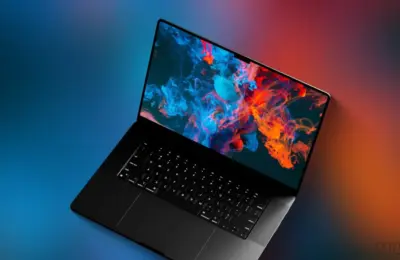
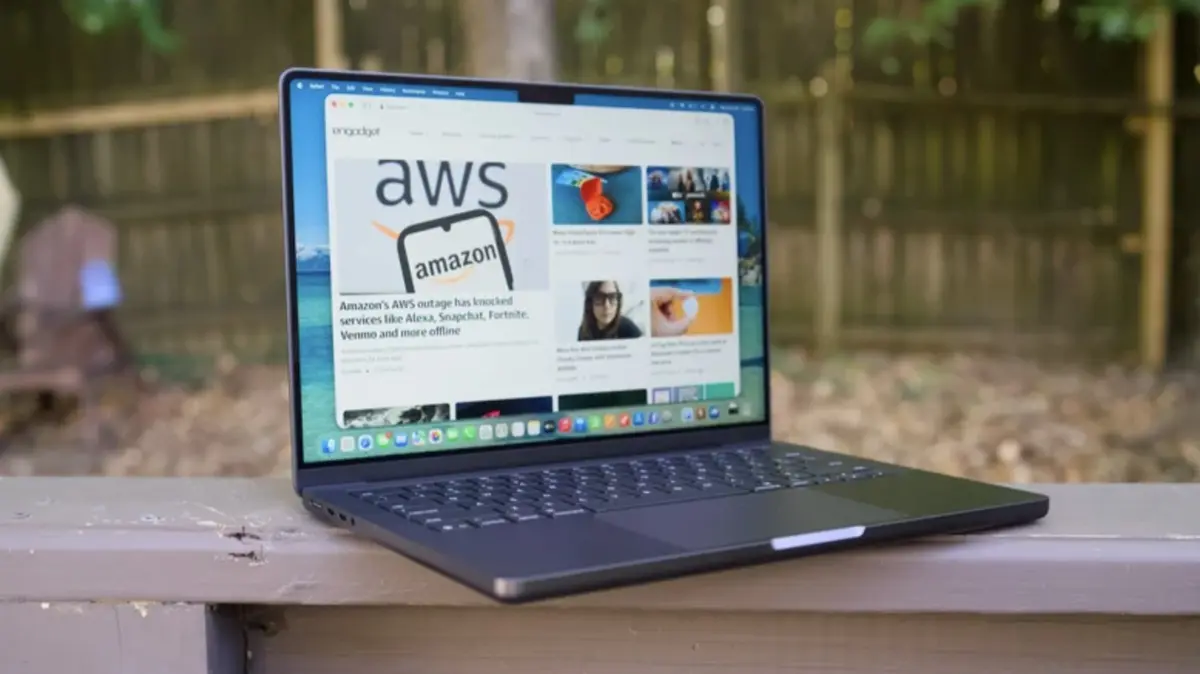
The technology landscape is bracing for one of the most significant hardware transformations Apple has undertaken in over a decade. According to insider reports corroborated by Bloomberg’s seasoned tech analyst Mark Gurman, Apple is gearing up to unveil its long-anticipated, first-ever touchscreen MacBook on or around October 27, 2026. This watershed moment shatters a decades-long company dogma established by Steve Jobs—who famously called vertical touchscreens on laptops "ergonomically terrible"—and pivots Cupertino toward a hybrid computing future.
The launch window does not arrive in isolation. Apple’s late-October showcase is slated to be one of the densest product drops in recent corporate history. Alongside the rumored "MacBook Ultra" touchscreen laptop, consumers and enterprise users alike can anticipate a redesigned iPad Mini sporting a vibrant OLED display, iterative M6-chip upgrades to entry-level 14-inch MacBook Pros and iMacs, and a separate, dedicated smart home hardware event scheduled earlier in the month on October 13.
This ambitious hardware pipeline follows a transformative summer that introduced the market to Apple’s first foldable smartphone, the iPhone Duo. As autumn unfolds, Apple is methodically redefining its ecosystem, blending touch interactions with macOS, integrating cutting-edge silicon, and aggressively expanding into ambient home computing. For consumers, developers, and industry competitors, the upcoming weeks will fundamentally alter expectations of what an Apple device can, and should, do.
Detailed Chronology: From Jobs’ Rejection to the Touchscreen Era
To understand the magnitude of the upcoming October 27 event, one must trace the evolutionary arc of Apple’s interface philosophy. For years, the corporate stance on touchscreens in personal computers was absolute. During a 2010 earnings call, Steve Jobs famously dismissed the idea, stating: "Touch surfaces don’t want to be vertical. It turns out it washes out the UI, it gives you arm fatigue, it’s not comfortable over a long period of time."
For nearly fifteen years, Apple held the line, arguing that iPadOS and macOS served two distinct, mutually exclusive paradigms. iPads were for touch; Macs were for trackpads and keyboards. However, consumer habits evolved, and competitors such as Microsoft, Dell, and Lenovo normalized the 2-in-1 hybrid form factor, proving that users desired the tactile flexibility of touch alongside the robust workstation power of a traditional laptop.
The Genesis of the Rumors (2023–2025)
Whispers of an internal pivot began leaking in early 2023, when industry reports suggested that Apple engineers were actively developing OLED touchscreens for a future MacBook Pro line. Initially met with skepticism by purists, the project slowly gained momentum within Cupertino’s hardware labs.
Throughout 2024 and 2025, supply chain checks by analysts pointed toward a shifting roadmap. Display manufacturers in Asia began retooling production lines for hybrid-touch OLED panels featuring ultra-thin glass layers durable enough to withstand daily typing pressure without buckling or degrading the visual fidelity.
The 2026 Breakthrough
By mid-2026, the timeline solidified. Bloomberg‘s Mark Gurman shifted speculation into high gear by pinpointing a launch window of "on or around October 27, 2026." Rather than a traditional, highly polished live keynote, Apple’s strategy points toward a hybrid press release and targeted media briefing rollout, mirroring how the company has occasionally dropped major hardware refreshes in the past.
Concurrently, the broader 2026 hardware calendar has proven relentless. Apple kicked off the year with steady iterative chip releases, followed by the groundbreaking summer introduction of the iPhone Duo—the company’s maiden voyage into the foldable phone market. Now, as the leaves turn, the focus shifts entirely to the desktop, tablet, and smart home ecosystems.
Supporting Context & Metrics: Hardware Specs, Architecture, and Ecosystem Shifts
The impending arrival of Apple’s touchscreen MacBook—frequently referenced by supply chain insiders under the moniker "MacBook Ultra"—represents a massive engineering undertaking. It requires more than simply slapping a digitizer onto an existing MacBook Pro chassis; it demands a complete reimagining of macOS to accommodate touch inputs seamlessly alongside cursor and keyboard controls.
The "MacBook Ultra" and Dynamic Interface
Reports indicate that the touchscreen MacBook will feature a revolutionary "dynamic interface." Unlike standard touch-enabled Windows laptops where users simply poke at desktop icons designed for mouse pointers, Apple’s software engineering team has reportedly built adaptive UI elements. When the system detects finger input versus trackpad navigation, the OS dynamically resizes hit-targets, introduces gesture-based multitasking shortcuts, and optimizes layout elements to prevent the very "arm fatigue" Steve Jobs warned against, while maintaining ergonomic comfort.
Under the hood, the device is expected to bypass the transitional M6 chip tier for its highest-end configurations. Earlier industry reporting indicated that pro-level iterations of the M6 silicon would not be ready in time, meaning the premier touchscreen MacBook will run on the bleeding-edge M5 Pro and M5 Max chips. This ensures that creative professionals, video editors, and software developers do not have to sacrifice raw compute power for the sake of a touchscreen display.
The OLED iPad Mini Refresh
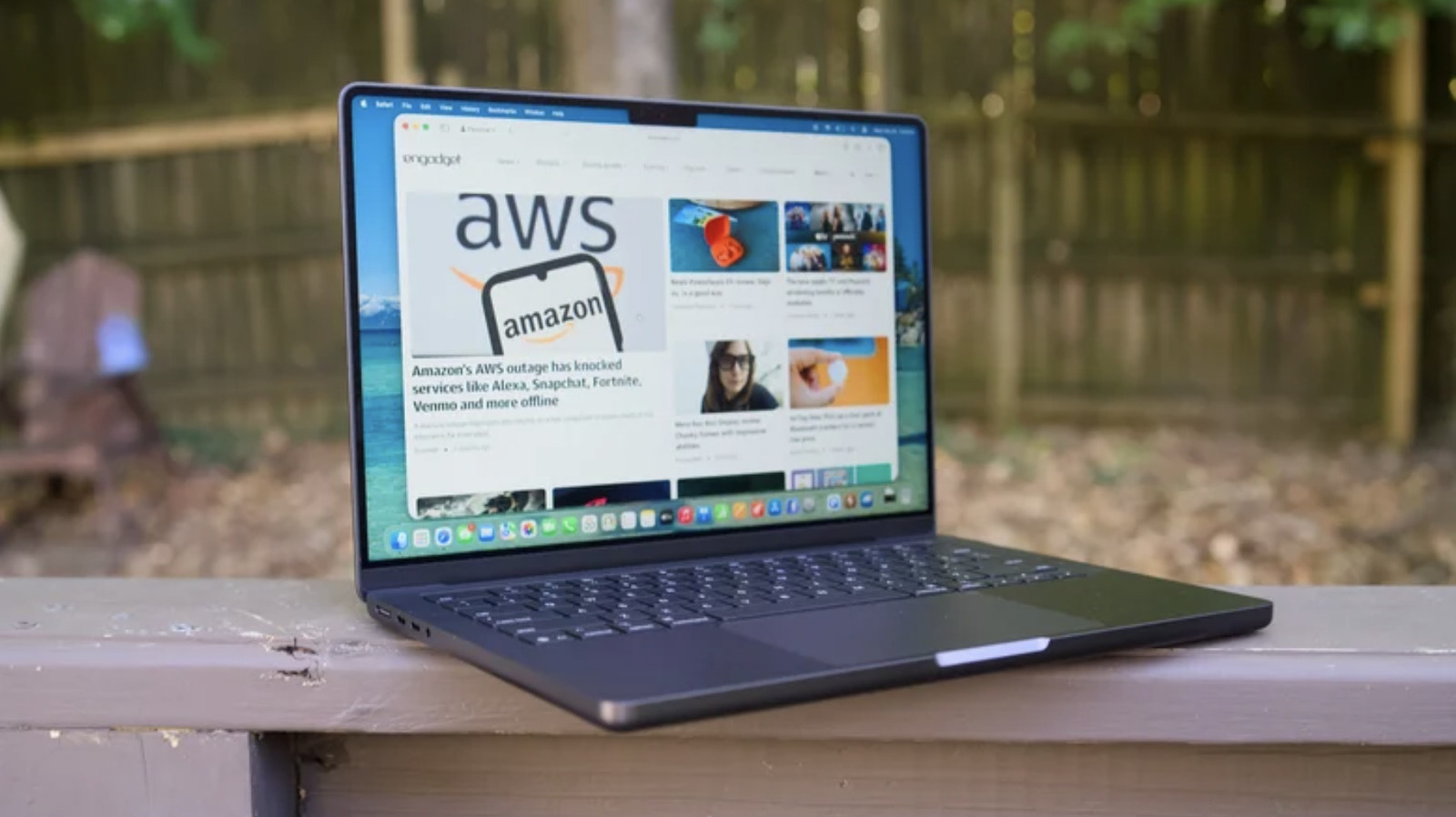
Tablets remain a cornerstone of Apple’s mobile strategy, and the iPad Mini is finally getting the premium treatment it has long deserved. The upcoming redesign will ditch older LCD technology in favor of an advanced OLED display. This upgrade brings infinite contrast ratios, deeper blacks, and higher peak brightness—features that have already delighted users on the iPad Pro and iPhone lines. Combined with a slimmer bezel profile and internal processing bumps, the new iPad Mini aims to cement its status as the ultimate portable powerhouse for readers, gamers, and digital artists.
M6 Chip Expansion: Entry-Level MacBook Pros and iMacs
While the top-tier laptops lean on M5 Pro/Max silicon, the broader Mac ecosystem is welcoming the M6 chip family. Following its successful debut in the radically redesigned Mac Mini refresh, the M6 is now cascading down to consumer-tier devices:
- Entry-Level 14-inch MacBook Pro: Currently powered by the M5 chip, this model is slated for a rapid generational update to the M6 to maintain parity across the entry professional lineup.
- iMac: Apple’s iconic all-in-one desktop, which has languished on the M4 architecture, is finally receiving the M6 treatment, promising substantial neural engine boosts for local AI processing under Apple Intelligence frameworks.
The October 13 Smart Home Invasion
Before the late-October laptop and tablet drop, Apple is scheduled to host a targeted smart home event on October 13. Industry insiders suggest Apple is preparing to unveil an entirely new category of wall-mounted smart home command centers, advanced spatial audio peripherals, and upgraded HomePod architecture designed to anchor the Apple Home ecosystem against heavy competition from Amazon and Google.
Official Statements and Industry Insights
While Apple has maintained its traditional public silence regarding unreleased products, the contours of their strategic shift are being mapped out by industry analysts and supply-chain insiders.
Mark Gurman, in his dispatch for Bloomberg, emphasized the strategic nature of this multi-tiered autumn rollout:
"Apple is not just updating its product catalog; it is breaking structural taboos that have defined its hardware philosophy for over a decade. Bringing touch to the MacBook line while simultaneously overhauling the iPad Mini and pushing deep into smart home hardware shows a company eager to capture consumer wallet share across every conceivable digital touchpoint."
Developers briefed on early SDK (Software Development Kit) adjustments note that Apple has been quietly distributing guidelines for "adaptive spatial touch targets" within macOS. While developers are initially cautious about how touch will integrate with desktop-class applications like Xcode or Final Cut Pro, the consensus is that Apple’s strict human interface guidelines (HIG) will prevent the messy, disjointed user experiences seen in early PC touch implementations.
Furthermore, supply chain audits from firms in Taiwan and South Korea confirm that OLED panel shipments for both the new iPad Mini and the hybrid MacBook displays have ramped up to maximum capacity. Manufacturers report yields that meet Apple’s notoriously rigorous quality control standards, mitigating fears of immediate post-launch shortages—though initial demand for the touchscreen MacBook is projected to heavily outstrip supply.
Future Outlook: What This Means for the Industry and Consumers
The convergence of touch and desktop computing catalyzed by Apple’s October 2026 hardware blitz marks the end of an era and the beginning of another. For years, the computing world was cleanly divided: mobile devices were touch-first and app-driven; desktop computers were cursor-first and window-driven. By blurring these lines, Apple is validating a unified computing philosophy.
Impact on Competitors
Microsoft and the broader Windows OEM ecosystem—which pioneered the 2-in-1 laptop category with devices like the Surface Pro and various Yoga laptops—will face a formidable new rival. While Windows manufacturers have offered touchscreens for over a decade, they have historically struggled to build a cohesive app ecosystem optimized for touch on a clamshell form factor. Apple’s entry with the "MacBook Ultra" brings the weight of the iOS/iPadOS developer community to the desktop table, potentially pressuring software developers to optimize their apps for touch across all operating systems.
Implications for the Consumer
For everyday users, professionals, and creatives, the decisions made in Cupertino this month will dictate hardware purchasing trends for the next five years.
- Should you buy now or wait? Anyone eyeing an entry-level MacBook Pro or iMac would be wise to hold off until the M6 upgrades drop.
- Is the touchscreen MacBook right for everyone? Consumers should expect a premium price tag for the "MacBook Ultra" tier. Traditionalists who despise smudges on their screens can take solace in the fact that non-touch MacBook Pros will likely remain in the lineup, ensuring choice is preserved.
As October 13 and October 27 rapidly approach, Apple is positioning itself to dominate the holiday shopping season. By tackling smart home automation, mobile display technology, and the final frontier of laptop ergonomics all at once, Apple is proving that even after decades at the pinnacle of consumer electronics, it is still willing to break its own rules to shape the future.