For well over a decade, Apple’s stance on touchscreens in laptops was unequivocal, bordering on dogmatic. From the introduction of the modern MacBook lineup through the revolutionary transition to Apple Silicon, the company’s executives—most notably the late Steve Jobs and current CEO Tim Cook—consistently dismissed the notion of macOS running on a touch-enabled display. They argued, logically for the era, that vertical touchscreens were ergonomically fatiguing, deeply flawed for desktop-class operating systems, and fundamentally inferior to the precision of a trackpad and keyboard.
That decades-long philosophy is about to be officially upended.
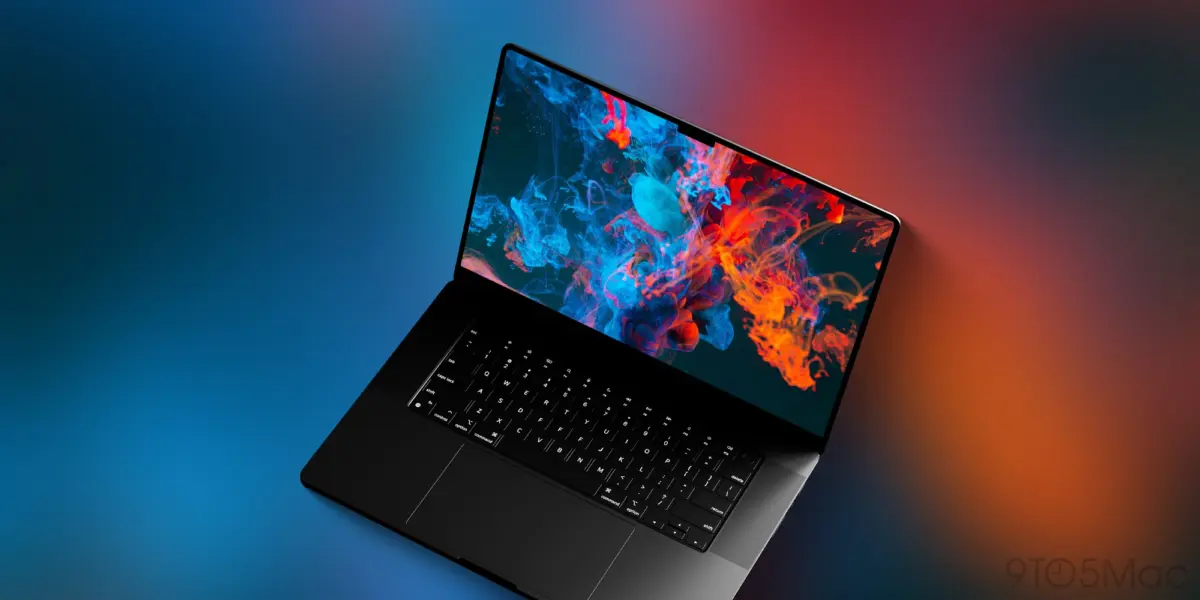
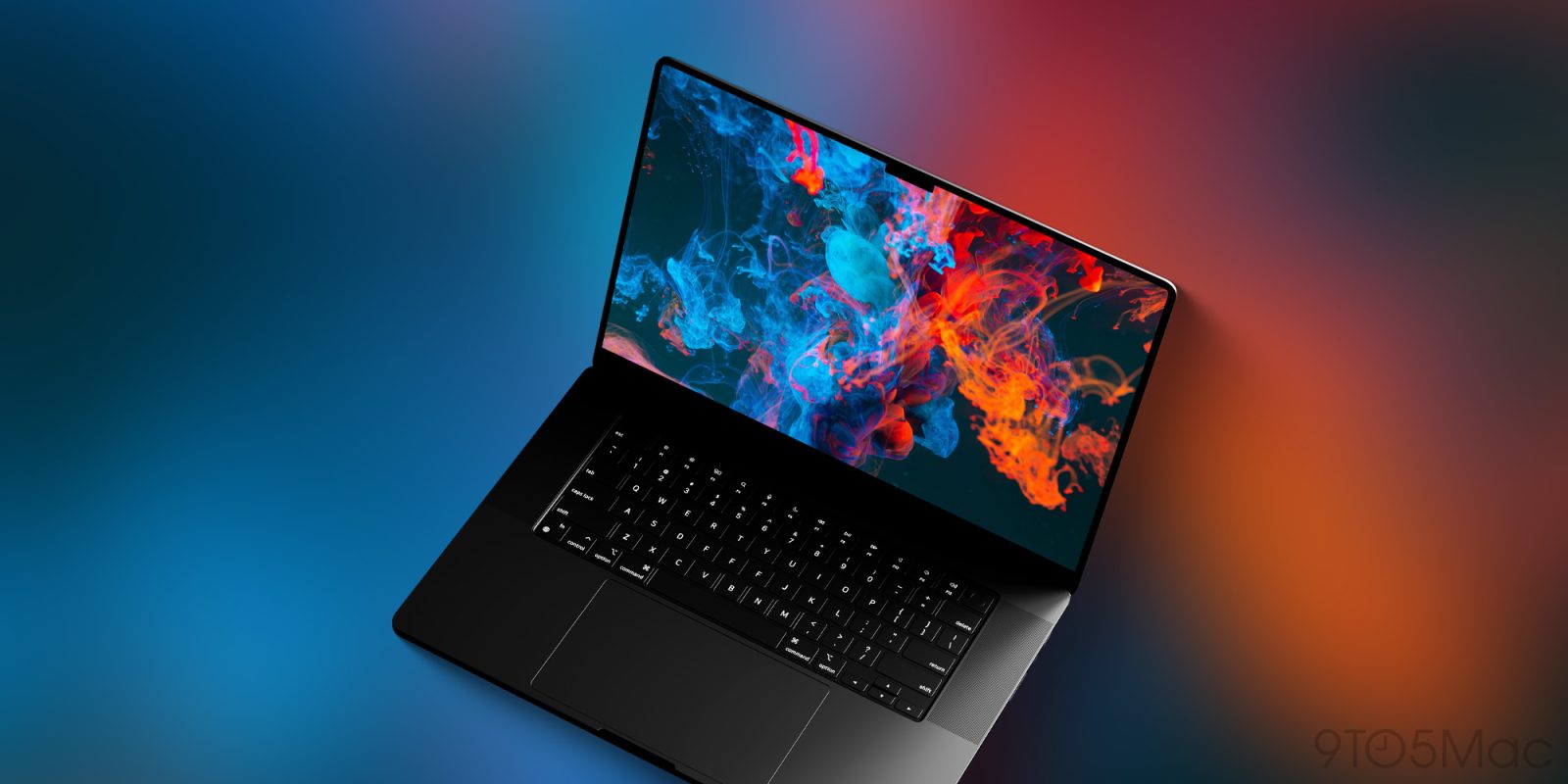
In a matter of days, Apple is poised to shatter its longest-standing hardware taboo with the introduction of its first-ever touchscreen MacBook Pro. This landmark release represents the most radical rethinking of the company’s flagship prosumer laptop since the major redesign of 2021. But this technological leap forward will not come cheap. According to supply chain whispers, industry analysts, and reports from insider outlets like Bloomberg, the forthcoming OLED touch models are set to command a significant financial premium, forcing Apple to restructure its pro laptop strategy into an unprecedented three-tier lineup.
Executive Overview: The Dawn of a New Era in Personal Computing
The forthcoming hardware event marks a tectonic shift in how Apple positions its professional portable computers. By introducing a touch-enabled, OLED-equipped MacBook Pro at the zenith of its catalog, Apple is finally acknowledging the evolving expectations of creative professionals, developers, and power users who have grown up with touch and tablet interfaces.
However, the introduction of this top-tier beast means the existing ecosystem must adapt. Rather than cleanly replacing the current generation of miniLED MacBook Pros, Apple is adopting a transitional strategy. The lineup will temporarily fracture into three distinct tiers:
- The Entry/Mid-Tier Standard Models: Powered by upcoming M6 chips, retaining traditional non-touch configurations at familiar baseline pricing ($1,999).
- The Mid-High Legacy Tier: Existing miniLED-equipped MacBook Pro models, which will slide gracefully into the middle of the catalog while components remain active through at least 2028.
- The Ultra-Tier Touch Models: The bleeding-edge, significantly lighter OLED touchscreen MacBook Pros featuring the Dynamic Island and potential cellular capabilities, occupying the highest price brackets ever seen for a standard MacBook.
This multifaceted approach is designed to cushion the sticker shock for standard consumers while giving bleeding-edge enthusiasts a luxury hardware tier to invest in.
Detailed Chronology: How Apple Arrived at the Touchscreen MacBook
To understand the magnitude of this week’s announcement, it is vital to trace the historical friction between Apple’s tablet and laptop paradigms.
The Post-PC Dogma and the iPad Pro Divergence
When Apple launched the iPad, and subsequently the iPad Pro, the company spent years aggressively marketing the tablet as the true "computer for the rest of us." Software features like iPadOS, Apple Pencil support, and the Magic Keyboard were positioned as the ultimate touch-first computing solutions. Meanwhile, macOS remained strictly bound to keyboard, mouse, and trackpad inputs.
For years, analysts regularly questioned why Apple refused to merge the lines. Competitors like Microsoft with the Surface Pro, and virtually every major Windows OEM, successfully mainstreamed 2in1 laptops with touchscreens. Apple’s official line was that macOS was architected for pixel-precise cursor interactions, making touch inputs clumsy on a vertical display.
The OLED and Form Factor Breakthroughs
The catalyst for Apple’s change of heart is twofold: display technology maturation and shifting component economics. For generations, OLED panels large enough for laptops were prohibitively expensive, prone to burn-in, and struggled to meet Apple’s stringent brightness standards for pro machines.
The industry’s gradual pivot toward tandem OLED structures—championed heavily by suppliers like Samsung Display and LG Display—finally unlocked the luminance, longevity, and efficiency required for Apple’s Pro branding. Furthermore, engineering advancements in ultra-thin glass matrices and localized haptic feedback have allowed Apple to design a touch display that mimics the familiar resistance and tactile response of traditional glass without adding undue weight to the chassis.
The Timeline to Launch
- Early 2026: Rumors intensify regarding a secret internal project codenamed with pro-tier display shifts. Supply chain checks reveal Apple orders for specialized hinge mechanisms and digitizer layers compatible with macOS window management.
- May 2026: Apple temporarily experiments with Mac mini base tiers, signaling an aggressive adjustment to memory and storage margins across the Mac ecosystem.
- September 2026: Reports from Omdia confirm that existing miniLED MacBook Pro display production lines will remain contracted through 2028, proving Apple plans to run a multi-tier hardware strategy.
- Late October 2026: Bloomberg’s Mark Gurman breaks definitive news confirming the imminent arrival of the touchscreen MacBook Pro alongside executive realignments.
- This Week: The official unveiling, setting a new precedent for the future of macOS hardware.
Supporting Context & Metrics: Pricing, Specs, and the Three-Tier Reality
Navigating the new MacBook Pro landscape requires a close look at how Apple plans to segment its hardware. The lineup is no longer just about chip variations (Pro, Max, Ultra); it is now defined by fundamental interaction models and display technologies.
The Three-Tier Breakdown
| Tier Level | Display Tech | Input Method | Target Audience | Expected Base Pricing |
|---|---|---|---|---|
| Tier 1: Standard | miniLED / IPS | Keyboard & Trackpad | Mainstream pros, developers, budget-conscious users | ~$1,999 (14-inch M6) |
| Tier 2: Mid-Range | Current miniLED | Keyboard & Trackpad | Existing high-end power users transitioning over time | Carried over from current pricing |
| Tier 3: Ultra-Tier | Tandem OLED | Touch + Trackpad + Dynamic Island | Early adopters, enterprise executives, creative elite | "Significantly higher" premium |
Storage, Memory, and the Baseline Economics
In terms of immediate pricing for the refresh cycle, industry watchers anticipate the upcoming M6 14-inch model will maintain the baseline $1,999 entry point established by its M5 predecessor. At this tier, consumers can typically expect 16GB of unified memory paired with 1TB of onboard storage—though analysts whisper that a return of a 512GB entry point remains a distinct possibility if component pricing dictates it.
Apple’s recent maneuvers with the Mac mini—which briefly retired and then aggressively restructured its base storage tiers earlier this year—demonstrate that the company is actively tuning its margins to absorb rising memory and silicon fabrication costs.
What Makes the Ultra-Tier Different?
Beyond the headlining inclusion of a touchscreen, the top-tier OLED MacBook Pros represent a complete industrial redesign—the first major chassis overhaul since the blocky, ports-heavy design language debuted in 2021.
- Weight Reduction: Reports indicate these models will be "significantly lighter," leveraging advanced aerospace-grade composite alloys to offset the marginal weight additions of digitizer layers and OLED subcomponents.
- The Dynamic Island: Migrating from the iPhone lineup, the Dynamic Island will likely replace the traditional webcam notch, housing Face ID hardware and offering contextual software notifications natively within macOS.
- Cellular Connectivity: Whispers suggest optional built-in 5G cellular support may finally arrive for mobile professionals who require always-on connectivity without tethering to an iPhone.
Official Statements and Industry Insights
While Apple remains notoriously tight-lipped ahead of formal keynotes, industry heavyweights and financial analysts have provided a clear picture of what consumers should expect.

In his recent Power On newsletter, Bloomberg’s Mark Gurman emphasized that the upcoming redesign will fetch a "significantly higher" price tag than anything previously seen in the laptop space. This pricing strategy reflects both the immense cost of manufacturing large-format tandem OLED panels with integrated touch digitizers and Apple’s ongoing positioning of the MacBook Pro as an elite, luxury productivity tool.
Furthermore, supply chain intelligence gathered by Omdia underscores that Apple is in no rush to completely phase out its current miniLED inventory. Because these manufacturing lines are locked in through 2028, Apple can afford a gradual, measured transition. This ensures that users who prefer traditional, non-touch clamshell laptops will not be forced into expensive OLED upgrades before they are ready.
Future Outlook: The Paradigm Shift for macOS
The addition of a touchscreen to the MacBook Pro is far more than a hardware checkbox; it forces a philosophical evaluation of macOS itself.
For years, critics argued that putting a touchscreen on a Mac was pointless unless the operating system was fundamentally rewritten to look and behave like iOS or iPadOS. Apple, however, has taken a more nuanced approach. Rather than forcing a clumsy tablet interface onto desktop screens, recent iterations of macOS have steadily introduced subtle layout adjustments, larger hit targets, and gesture-friendly UI elements that gracefully bridge the gap between pointer precision and finger navigation.
As these machines land in the hands of developers this week, the software ecosystem will inevitably adapt. We can expect a wave of updated creative suites, utility apps, and productivity tools optimized for direct touch interaction.
The Bottom Line
Apple’s reversal on laptop touchscreens marks the end of an era of absolute hardware orthodoxy. By carving out a new ultra-premium tier for OLED touch models while preserving traditional tiers for legacy buyers, Apple is hedging its bets. These new MacBook Pros will undoubtedly be the most exciting, technologically advanced Macs in years—provided you are willing to pay the steep price of admission.