For years, the evolution of smartphone photography has been defined by a quiet, persistent arms race: computational horsepower versus authentic aesthetics. Apple, Samsung, Google, and other heavyweights have continuously trained advanced neural engines to lift shadows, suppress highlights, and sharpen edges. The result? Unprecedented dynamic range and clarity, but often at the cost of artistic soul. Images captured on modern flagship devices can frequently feel clinically sterile, excessively smoothed, and aggressively overprocessed.
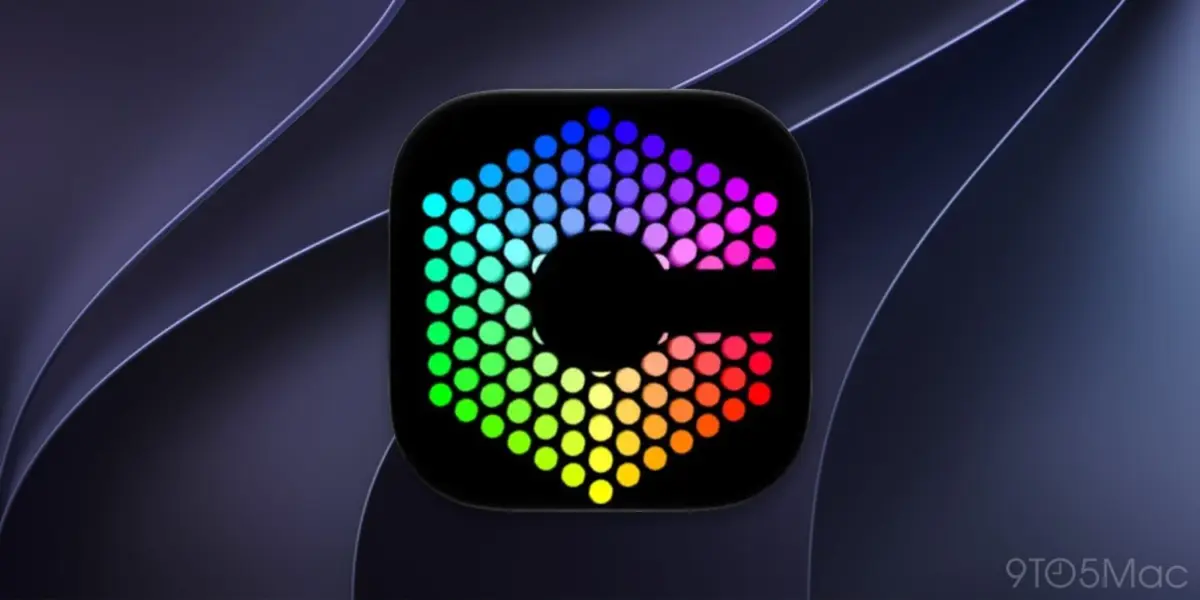
Enter acclaimed filmmaker Rian Johnson (Knives Out, Glass Onion, Star Wars: The Last Jedi), a notorious champion of celluloid and organic visual texture. Last week, in a surprise move that sent ripples through the mobile photography community, Johnson launched Chromagraph Camera, a dedicated iPhone application designed to fundamentally rethink what a smartphone photograph should look like straight out of the pocket.
Priced at a premium $12.99, Chromagraph Camera positions itself not as a complex manual utility for professional DPs who want to fiddle with ISO, shutter speeds, and log profiles, but as a frictionless point-and-shoot experience for everyday creators. It bypasses the frustrating, heavy-handed defaults of stock camera software, offering a cinematic look that bridges the gap between raw hardware potential and human emotion. This comprehensive analysis explores why Chromagraph has struck a chord, how it addresses the persistent shortcomings of native algorithms and competing apps like Adobe’s Project Indigo, and what its arrival means for the future of computational mobile imaging.
Detailed Chronology
The journey toward independent, director-led mobile camera solutions has been slow and deliberate, marked by a series of software iterations and hardware shifts.
Late 2025 (Project Indigo’s Debut): Adobe launched Project Indigo, an experimental mobile camera application aimed at bridging computational photography with professional color science. While it achieved commendable aesthetic results, users quickly ran into practical bottlenecks: extensive post-processing times and background task failures that occasionally resulted in lost captures.
Late October 2026: Acclaimed Hollywood director Rian Johnson officially announces the surprise release of Chromagraph Camera for iOS, promising a streamlined, cinematic point-and-shoot alternative to standard stock camera algorithms.
Late 2026 (iPhone 18 Pro & iPhone Duo Launch): Apple introduces native film texture and grain options across its newest hardware lineup, attempting to answer user complaints regarding clinical sharpness. However, early testing reveals that while the feature shows promise on the Pro tier, the film emulation feels overly exaggerated and harsh on the standard iPhone Duo.
Present Day: Early adopters and mobile photography enthusiasts embrace Chromagraph Camera, validating its $12.99 price point as a worthwhile investment for hassle-free, organic aesthetics without the burden of manual dialing or heavy background rendering queues.
Supporting Context & Metrics: The Problem with Out-of-the-Box iPhone Images
To understand why a third-party app developed by a Hollywood director commands a $12.99 price tag, one must first examine the inherent flaws in modern smartphone camera pipelines.
The Hardware-Software Disconnect
The current generation of iPhones possesses arguably the most capable miniature sensors and computational signal processors (ISPs) in consumer electronics history. The underlying glass and silicon are fully capable of capturing rich, nuanced, highly malleable image data. The limitation has never been hardware; it is software defaults.
When a user presses the shutter button on the native iOS camera app, the phone rapidly shoots multiple exposures, merges them via Smart HDR, applies aggressive local tone mapping, and runs deep-learning noise reduction algorithms. The consequence is a distinct "smartphone look":
Wiped Shadows: Low-light areas are artificially lifted to reveal hidden details, flattening natural contrast and eliminating dramatic mood.
Halos and Edge Artifacts: Over-sharpening routines create bright halos around high-contrast boundaries.
Plastic Skin Tones: Heavy-handed smoothing algorithms often strip away micro-textures, pores, and natural warmth from human subjects.
The Failure of Traditional Pro Apps
For years, enthusiasts seeking to escape these automated processing pipelines turned to professional manual camera apps. These tools offer precise control over white balance, focus peaking, exposure compensation, and RAW capture formats.
However, they suffer from a fatal flaw for casual street shooting: they require friction. Asking a user to manually dial in settings before capturing a fleeting candid moment defeats the primary advantage of a smartphone—its immediacy. If an artist wants total technical control over every parameter, they will reach for a mirrorless or cinema rig. When using an iPhone, the goal is typically a true point-and-shoot experience that yields a gorgeous aesthetic without demanding a masterclass in digital photography.
The Pitfalls of Competing Cinematic Solutions
Before Chromagraph, tools like Adobe’s Project Indigo attempted to solve this exact problem by applying sophisticated rendering profiles to mobile captures. While Indigo succeeded in producing rich, film-adjacent color science, its technical implementation proved frustrating for everyday use.
Because the heavy lifting occurred via complex post-processing pipelines running on the device, users frequently encountered workflow friction:
Rendering Latency: Waiting for images to finalize before reviewing them on the fly.
Background Termination: Instances where the app would close prematurely in the background during intensive processing tasks, resulting in permanently lost captures.
Apple’s Native Film Textures: A Mixed Bag
Recognizing the cultural demand for analog warmth, Apple introduced native film texture and grain options with the release of the iPhone 18 Pro and iPhone Duo. While this feature represented a step in the right direction—and quickly became a favorite feature for testers exploring the Pro hardware—it struggled with consistency. On the iPhone Duo specifically, the implemented film look often reads as heavy-handed and artificial, lacking the subtle organic diffusion found in true photochemical processes.
Official Perspectives and Expert Analysis
Industry observers and creative professionals have long debated the philosophical direction of mobile imaging. The release of Chromagraph Camera has reignited conversations around authenticity versus technical perfection in consumer tech.
"Most camera apps for iPhone require you to dial settings in. While that can be appropriate for certain settings, I ultimately want my iPhone to just be a point and shoot experience. If I wanted the perfect photo, I’d be using my camera."
— Tech and Apple Ecosystem Reviewers
Rian Johnson himself has frequently spoken about his affinity for imperfection in filmmaking. By translating his visual sensibilities into a consumer software product, he is advocating for a philosophy that embraces grain, natural falloff, and color palettes that evoke emotional resonance rather than clinical laboratory accuracy.
Industry analysts note that consumer fatigue with hyper-processed computational photography is real. As smartphone sensors have hit a plateau in physical resolution gains, differentiation increasingly relies on software personality and aesthetic philosophy. By anchoring an app to a recognized auteur’s distinct visual brand, Chromagraph successfully merges creator economy influence with utilitarian software design.
Future Outlook: Where Mobile Photography Goes From Here
The enthusiastic adoption of Chromagraph Camera—despite its $12.99 barrier to entry—sends a clear, unmistakable signal to Silicon Valley: a significant segment of users is willing to pay a premium for better aesthetic defaults.
1. Shift Toward Curated Profiles Over Raw Controls
In the coming years, we can expect third-party camera developers to shift away from overwhelming interfaces packed with technical readouts. Instead, the market will likely favor curated, artist-driven color science profiles that deliver instant gratification. Users do not want to become digital darkroom technicians every time they snap a photo of their lunch or a street corner; they want taste baked into the shutter press.
2. Apple’s Potential Response
Apple is notoriously attentive to cultural shifts in photography. Just as computational portrait mode bokeh eventually became an industry standard integrated directly into the core OS, Cupertino may look closely at how users respond to independent film emulation apps. Future iterations of iOS native camera settings could introduce more granular, subtle adjustment sliders for default noise reduction, local tone mapping intensity, and organic grain profiles—giving users a slider to dial down the computer vision rather than just piling on filters.
3. The Maturity of On-Device Processing
As mobile neural engines (NPUs) continue to advance in processing throughput and energy efficiency, the bottlenecks that plagued early apps like Project Indigo will gradually dissolve. Future cinematic apps will be able to apply complex, multi-layered analog simulation styles instantaneously without triggering background termination bugs or draining battery reserves.
Conclusion
Rian Johnson’s Chromagraph Camera is more than just a novelty app born out of Hollywood vanity; it is a direct critique of modern algorithmic photography. By proving that consumers are willing to spend $12.99 for an out-of-the-box experience that prioritizes mood, texture, and restraint over clinical sharpness and HDR gymnastics, it has raised the bar for mobile software design. For anyone tired of their iPhone photos looking like hyper-real digital paintings, Chromagraph offers a refreshing, frictionless breath of analog air.