For decades, the name BioWare has functioned as a cornerstone of the role-playing game (RPG) genre. While mainstream cultural memory predominantly links the Canadian developer to legendary space operas and epic high fantasy—cemented by the cultural footprints of the Mass Effect and Dragon Age franchises—reducing the studio’s footprint to these marquee titles severely undercuts its expansive historical range. BioWare’s collective catalog stretches far beyond predictable boundaries, encompassing intricate party-based dungeon crawlers, complex martial arts action systems, tactical tabletop adaptations, experimental franchise crossovers, and even misunderstood live-service spectacles.
An examination of the studio’s back catalog reveals a developmental laboratory that continuously redefined player agency, branching narratives, and real-time mechanics. From the punishing encounters of late-90s Infinity Engine classics to the breathtaking, seamless flight mechanics of its most infamous commercial misfire, BioWare’s historical output offers a masterclass in risk-taking and technical evolution. This retrospective evaluates eight foundational titles from BioWare’s history that continue to hold structural, narrative, and mechanical relevance in the modern gaming landscape.
The Core Hook: Real-time-with-pause tactics anchored by Advanced Dungeons & Dragons (AD&D) 2nd Edition rulesets, where even a pack of feral wolves can utterly devastate an unprepared party moments after the tutorial ends.
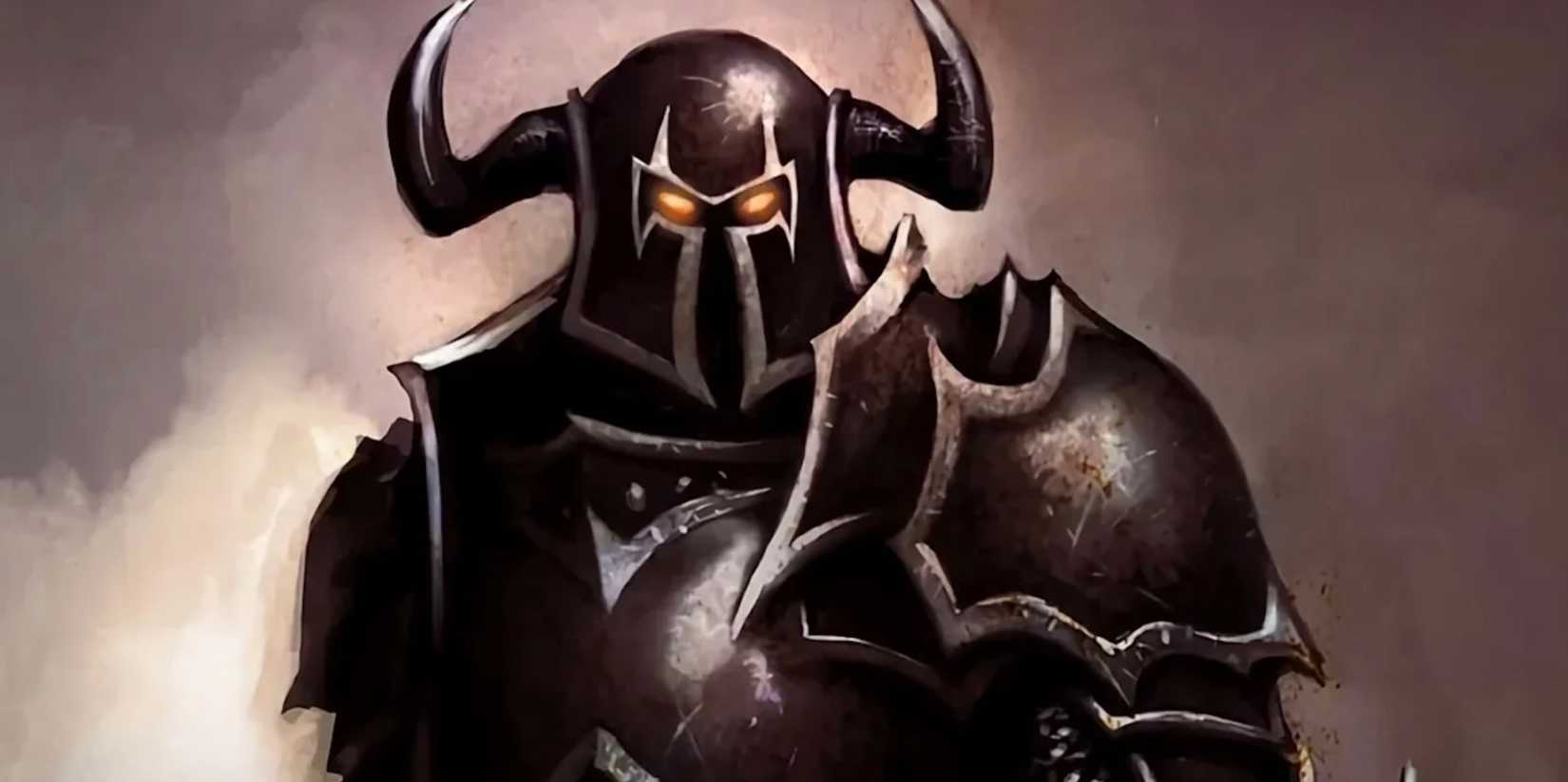
Long before modern revivals redefined tabletop adaptations, BioWare established its foundational reputation with 1998’s Baldur’s Gate. Built around the intricate and often unforgiving rules of AD&D 2nd Edition—famously introducing generations of PC gamers to terms like THAC0 (To Hit Armor Class 0)—the game refused to soften its tactical edges for a mainstream audience.
Baldur’s Gate proved conclusively that a party-based tactical RPG could thrive on personal computers without hiding its computational dice rolls behind invisible curtains. The creation of the proprietary Infinity Engine laid the bedrock for nearly a decade of classic PC role-playing games, proving that deep mechanical complexity and sprawling narrative exploration could coexist.
2. Star Wars: Knights of the Old Republic (2003)
Platform: PC, Xbox, Mobile, Nintendo Switch
The Core Hook: An alignment system tracking behavioral actions rather than isolated conversational choices, culminating in one of the most celebrated plot twists in interactive storytelling history.
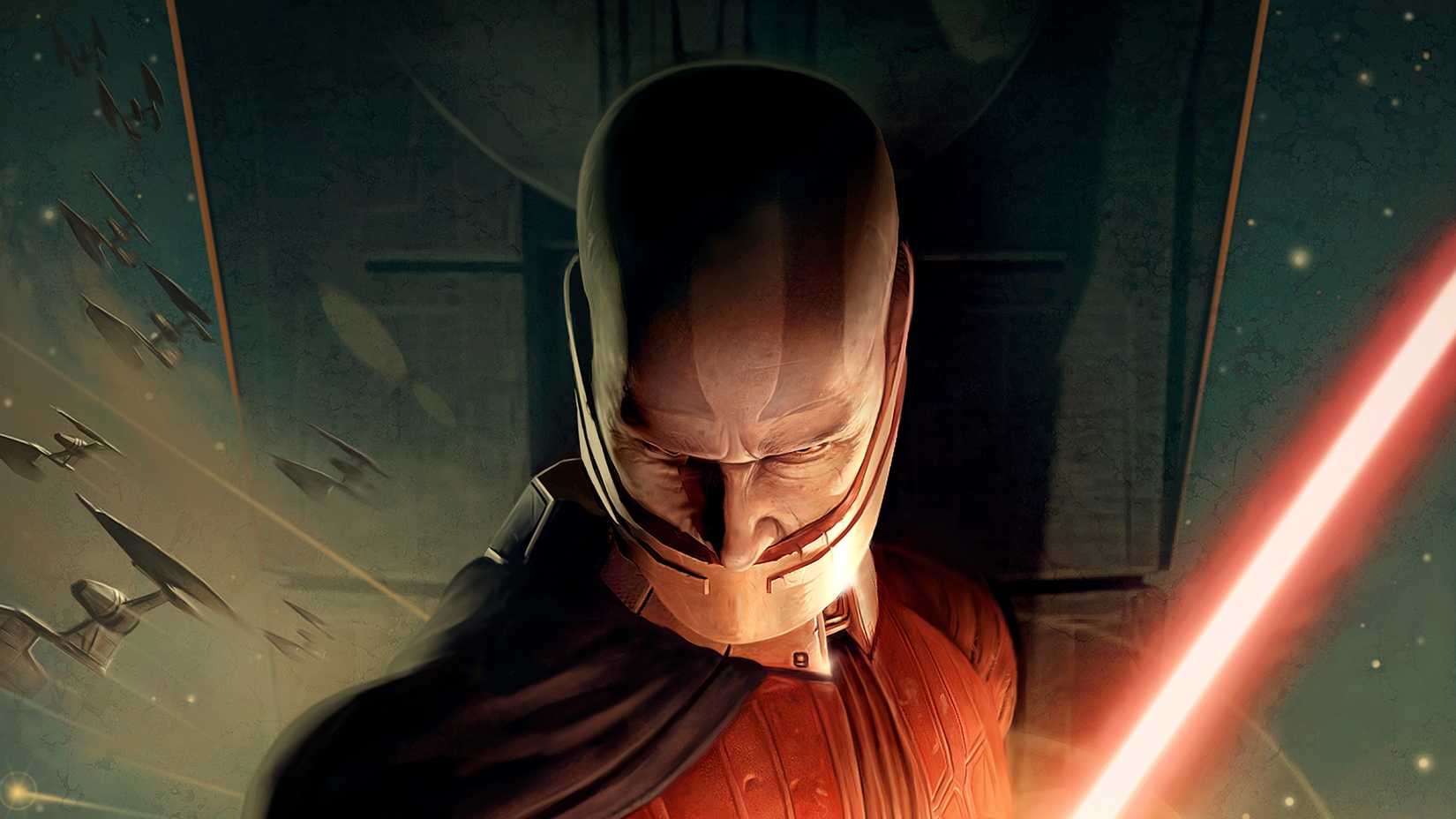
Set thousands of years before the Galactic Empire, Star Wars: Knights of the Old Republic (KOTOR) modernized BioWare’s formula for consoles while maintaining deep CRPG roots. By translating the Star Wars universe into a party-driven structural format, BioWare crafted a space opera that rivaled the cinematic impact of the original trilogies.
The game’s true brilliance, however, lay in its narrative architecture. Rather than relying on simple good-or-evil dialogue checkboxes, KOTOR tracked the player’s holistic gameplay actions to determine alignment drift. This systemic honesty earned the mid-game revelation regarding the protagonist’s true identity a permanent spot in gaming history, establishing a narrative high-water mark that modern RPGs are still measured against.
3. Jade Empire (2005)
Platform: PC, Xbox, Mobile, macOS
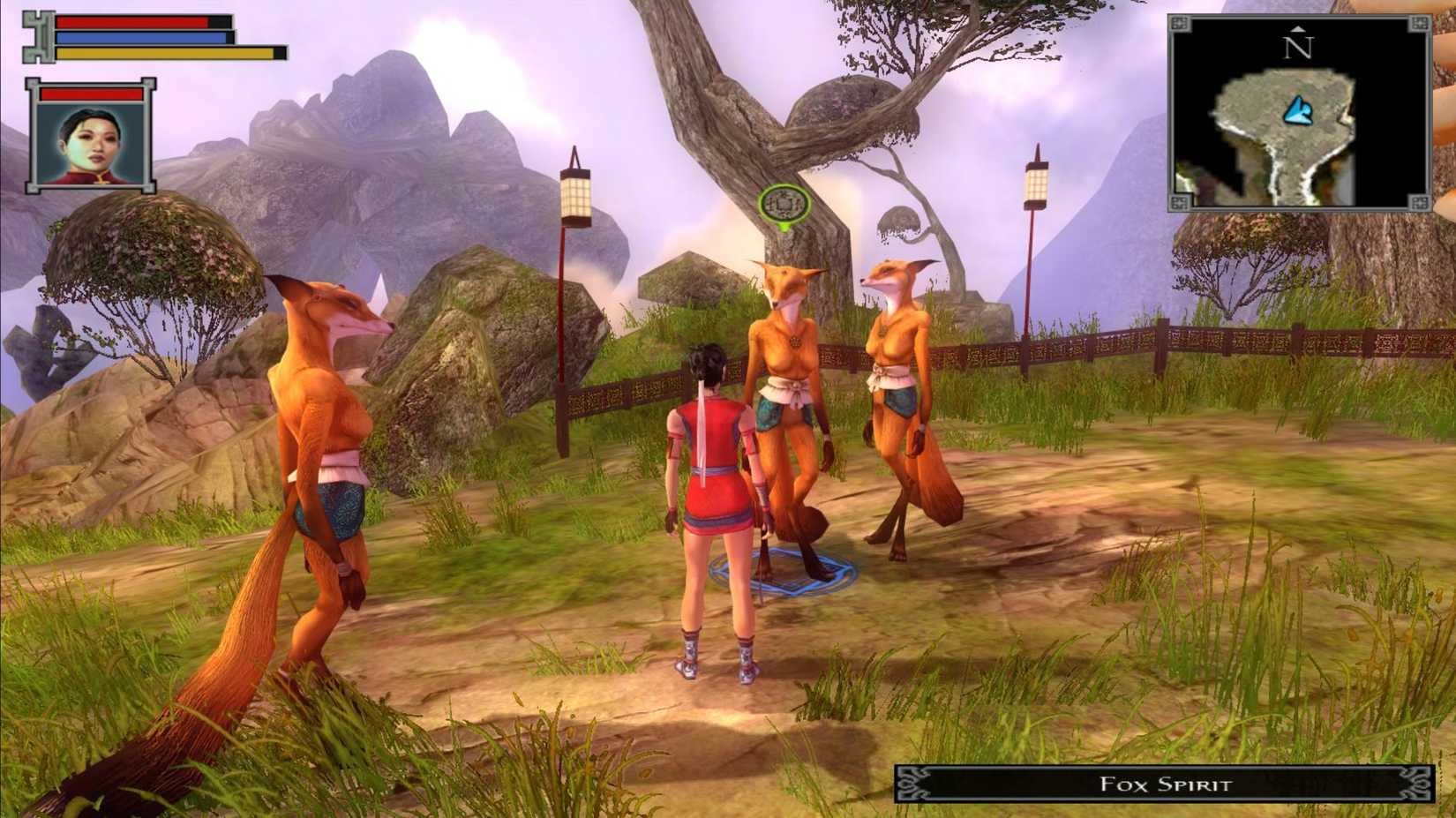
The Core Hook: Real-time martial arts combat allowing dynamic style-switching mid-combo—from bare-knuckle brawling to elemental casting and terrifying demonic transformations.
Moving away from Western fantasy and science fiction, BioWare turned its narrative lens toward a mythic, heavily stylized vision of ancient China with Jade Empire. Diverging from the slow-paced, tactical queue systems of its predecessors, Jade Empire introduced a fluid, real-time action-combat engine.
Players could seamlessly shift fighting styles on the fly, transitioning from traditional martial arts to mystical weapon arts or full spiritual transformations. Furthermore, the game’s philosophical alignment split—the disciplined Way of the Open Palm versus the pragmatic Way of the Closed Fist—judged the tangible outcomes of a player’s actions across the world rather than mere verbal intentions, foreshadowing modern moral design frameworks.
4. Neverwinter Nights 2: Mask of the Betrayer (2007)
Platform: PC
The Core Hook: A desperate survival hunger mechanic that forces players to consume the souls of others, tying fundamental morality directly to basic character preservation.
While Neverwinter Nights 2 was developed by Obsidian Entertainment utilizing BioWare’s foundational licensing and toolsets, its expansion Mask of the Betrayer stands as one of the finest narrative achievements in the broader Dungeons & Dragons digital canon.
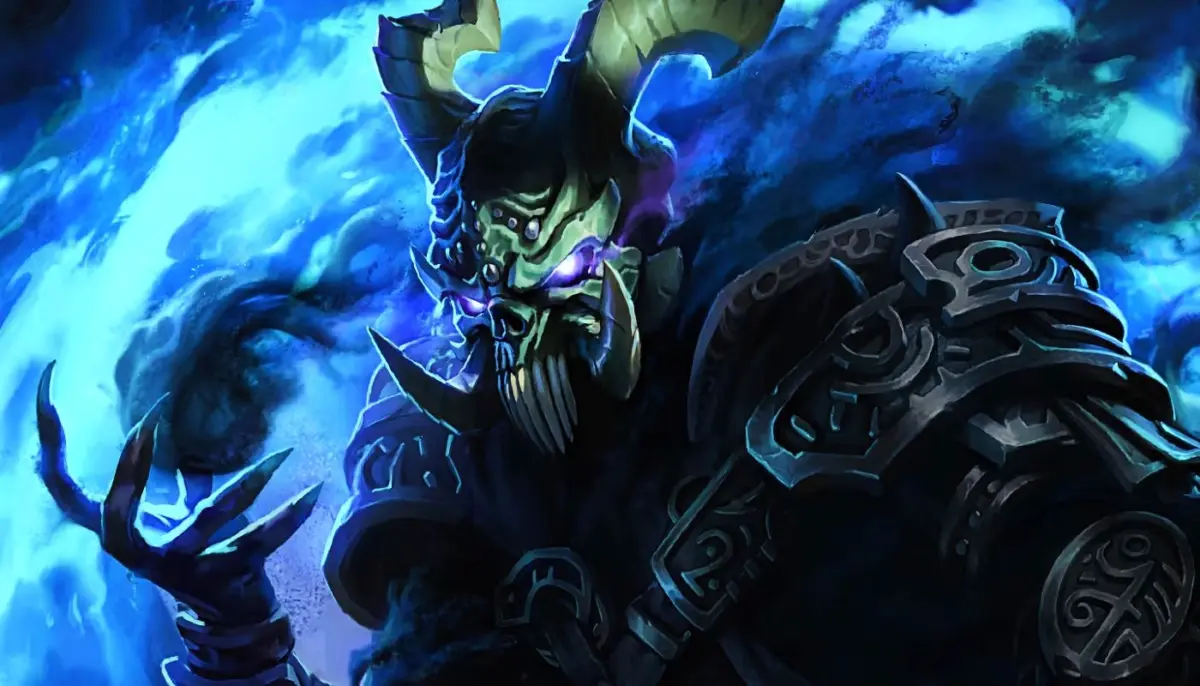
The expansion’s premise remains uniquely grim: the protagonist awakens cursed with an insatiable hunger that requires the consumption of souls to stave off permanent death. This mechanic fundamentally upended standard video game survival loops, transforming resource management into an ongoing, harrowing ethical crisis. Supported by complex companion dynamics touching on divine autonomy and existential weight, the expansion remains an underground masterpiece of dark fantasy writing.
5. Sonic Chronicles: The Dark Brotherhood (2008)
Platform: Nintendo DS
The Core Hook: BioWare tackling a turn-based, touch-driven RPG starring Sega’s blue mascot—complete with rhythm-timed inputs and surprisingly dense lore.
Amidst the heavy development cycles of massive cinematic blockbusters like Mass Effect and Dragon Age, BioWare engineered a surprising pivot by developing a turn-based role-playing game for the Nintendo DS starring Sonic the Hedgehog. Written in part by future Dragon Age creative leadership, Sonic Chronicles utilized touchscreen-driven rhythm inputs for special moves and leaned unexpectedly hard into deep franchise lore.
While commercial and critical receptions were mixed, the project underscored BioWare’s eclectic developmental appetite. The willingness to apply complex RPG mechanics to a colorful platforming mascot proved that the studio’s underlying systemic philosophy could stretch across wildly disparate intellectual properties.
6. Dragon Age: Origins (2009)
Platform: PC, PlayStation 3, Xbox 360
The Core Hook: Distinct, modular origin stories channeling into a massive tactical campaign governed by real-time companion approval systems.
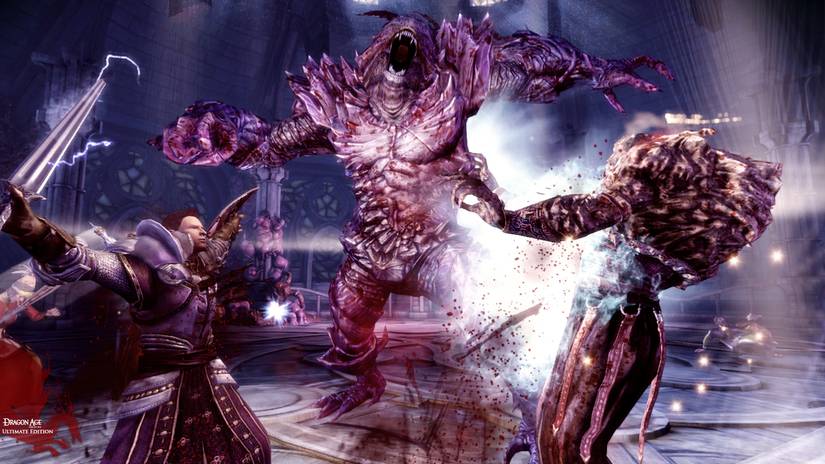
Dragon Age: Origins was designed as a "spiritual successor" to the Infinity Engine era, fusing classic tactical party management with modern dark fantasy aesthetics. The game’s defining stroke of genius was its opening structure: six distinct origin stories that framed the player’s entry into the world before funneled into a desperate war against the Blight.
Beyond its tactical depth, Dragon Age: Origins perfected companion reactivity. Party members did not wait passively for personal quests; they continuously evaluated the player’s choices, forging intense loyalties, bitter rivalries, or dramatic desertions in real time. The infamous final-act moral compromise involving ancient blood magic remains one of the most intellectually challenging dilemmas in genre history.
7. Mass Effect 2 (2010)
Platform: PC, PlayStation 3, Xbox 360, Modern Consoles (Legendary Edition)
The Core Hook: A high-stakes recruitment and loyalty loop where failing to invest in your crew leads directly to permanent, unscripted deaths during the endgame.
Widely regarded as a pinnacle of cinematic role-playing, Mass Effect 2 traded some of the hard inventory management of its predecessor for a tightly focused narrative about a suicide mission against the enigmatic Collectors. Commander Shepard’s journey to assemble a specialized crew of killers, scientists, and outcasts set a new standard for character-driven writing.
The game’s masterstroke resides in its climactic final sequence. Every neglected loyalty mission, every skipped personal conversation, and every tactical misstep during the final assault carries catastrophic weight. Crew members die permanently based on structural decisions made hours prior, creating an irreversible narrative consequence that reverberates throughout the remainder of the trilogy.
8. Anthem (2019)
Platform: PC, PlayStation 4, Xbox One
The Core Hook: Exosuit flight mechanics so fluid and responsive that players could dive straight from the upper atmosphere into deep aquatic caverns without a single loading screen.
Anthem occupies a complex space in BioWare’s history as a highly publicized commercial and critical misfire in the live-service shooter space, ultimately leading to EA halting post-launch support. However, even the most scathing critical evaluations of the title routinely isolated one undeniable triumph: its mechanical execution of flight.
Piloting the customizable Javelin exosuits offered a sense of momentum, verticality, and kinetic freedom that few modern action titles have matched. Navigating dense jungles, boosting through canyons, and plunging seamlessly into hidden underwater chambers demonstrated that BioWare’s engineering teams retained an exceptional capability for crafting satisfying moment-to-moment action mechanics, even within an unfamiliar genre.
Supporting Context & Metrics
To understand BioWare’s structural trajectory, one must examine the shifting paradigms of development scale, engine architecture, and genre evolution over three decades:
The Infinity Engine Era (1998–2002): Defined by 2D isometric layouts, pre-rendered backgrounds, and licensed rule adaptations. Games like Baldur’s Gate and Neverwinter Nights prioritized tactical depth, granular attribute management, and text-heavy exposition.
The Cinematic Renaissance (2003–2010): Marked by the shift to fully 3D engines, real-time voice acting, and dynamic dialogue wheels. Titles such as Knights of the Old Republic, Mass Effect, and Dragon Age: Origins brought Hollywood-caliber production values to interactive storytelling.
The Modern Pivot (2011–Present): Characterized by industry-wide pressures toward open-world exploration, action-heavy combat loops, and live-service monetization frameworks—culminating in the structural challenges faced by titles like Anthem and subsequent franchise entries.
Game Title
Release Year
Primary Engine / Tech Base
Core Gameplay Focus
Metacritic Range (PC/Console)
Baldur’s Gate
1998
Infinity Engine
Real-Time-with-Pause CRPG
91 / 85 (Enhanced)
Star Wars: KOTOR
2003
Odyssey Engine
Turn-Based/Queue RPG
94 / 93
Jade Empire
2005
NWN Engine (Modified)
Real-Time Action Martial Arts
81 / 89
Neverwinter Nights 2: MotB
2007
Electron Engine
Tactical Expansion / D&D 3.5
84 (PC)
Sonic Chronicles
2008
Proprietary DS Engine
Turn-Based Touchscreen RPG
74 (DS)
Dragon Age: Origins
2009
Eclipse Engine
Tactical Dark Fantasy Party RPG
91 / 86-87
Mass Effect 2
2010
Unreal Engine 3
Cinematic Sci-Fi Action RPG
94 / 94-96
Anthem
2019
Frostbite Engine
Online Co-op Action Shooter
54 – 59
Official Statements and Industry Impact
Reflecting on the studio’s historical output, veteran developers and industry analysts have frequently highlighted the unique collaborative culture that allowed BioWare to pivot from high fantasy to sci-fi, and even children’s mascots, without losing its narrative voice.
"When we built the structural foundations for our early RPGs, the goal was never just to tell a story; it was to make the player feel the weight of their own agency. Whether you are rolling dice in Candlekeep or issuing commands on the Normandy, the core DNA has always been about character consequence."
— Retrospective Industry Consensus from BioWare Development Veterans
Analysts note that BioWare’s willingness to cannibalize its own successful formulas—transitioning from isometric tactical menus to full 3D action wheels, and later experimenting with multiplayer cooperative shooters—demonstrates an internal engineering ethos that valued iterative risk over creative stagnation. Even when structural experiments faltered, the residual innovations in companion design, moral accountability, and world-building permanently raised the baseline expectations of the entire video game industry.
Future Outlook
As BioWare navigates its contemporary development cycle—focusing heavily on the core pillars of single-player storytelling with upcoming iterations in the Dragon Age and Mass Effect universes—the lessons of its eclectic historical catalog remain vital.
The industry at large has experienced a major renaissance for isometric CRPGs and deep, narrative-driven party systems, largely inspired by the enduring standards set by Baldur’s Gate and Dragon Age: Origins. Meanwhile, modern action-RPGs continue to borrow heavily from the companion approval metrics and real-time tactical spacing pioneered in the studio’s golden eras.
Ultimately, BioWare’s legacy is not confined to a single franchise or a singular genre format. It resides in a vast, diverse library of interactive experiments that proved compelling storytelling, mechanical ambition, and emotional consequence could be successfully woven into nearly any setting imaginable—from the ancient ruins of Forgotten Realms to the cockpit of a Javelin exosuit, and yes, even a high-speed hedgehog’s frantic dash across a shattered earth.