Executive Overview
The evolution of display technology has moved at a breakneck pace over the last quarter-century. Since the debut of the pioneer IBM T220 4K monitor in 2001—which carried a staggering $22,000 price tag—high-resolution screens have transitioned from esoteric luxury items to mainstream staples. Today, 4K monitors command roughly 35 percent of the United States market share, serving as the benchmark for high-end multimedia consumption and PC gaming.
However, the tech landscape is continuously shifting. Industry manufacturers have begun pushing the next frontier: 5K monitors. Packing an astonishing 5120 x 2880 resolution (roughly 14.7 million pixels), 5K displays offer a 77 percent pixel increase over standard 4K panels (3840 x 2160, totaling 8.29 million pixels). On paper, higher numbers invariably signal a superior product. Yet, when evaluated through the rigorous lens of PC gaming performance, hardware limitations, and cost-to-benefit ratios, 5K displays reveal themselves to be specialized tools for creative professionals rather than essential upgrades for gamers.
For the average enthusiast, bypassing 5K in favor of a well-optimized 4K monitor—or even stepping down to a high-refresh-rate 1440p panel—delivers vastly superior value, performance headroom, and an overall more balanced gaming experience. This report explores the hardware demands, financial hurdles, pixel-density physics, and strategic choices underpinning the modern high-resolution monitor market.
Detailed Chronology of High-Resolution Displays
To understand where desktop display technology stands today, it is helpful to trace its trajectory from early experimental tech to the present era of ultra-dense panels.
- 2001: The Dawn of Ultra-High Definition. IBM releases the T220, widely recognized as the world’s first commercially available 4K monitor. Priced at an astronomical $22,000, it establishes the technical feasibility of packing massive pixel counts into a desktop form factor, though it remains restricted to specialized enterprise and scientific visualization applications.
- The 2010s: Democratization of 4K. As manufacturing processes mature, production costs plummet. 4K monitors transition from five-figure corporate assets to consumer-grade electronics. By the mid-2010s, 4K resolution becomes the standard for home televisions and gains traction among early-adopter PC gamers equipped with multi-GPU setups.
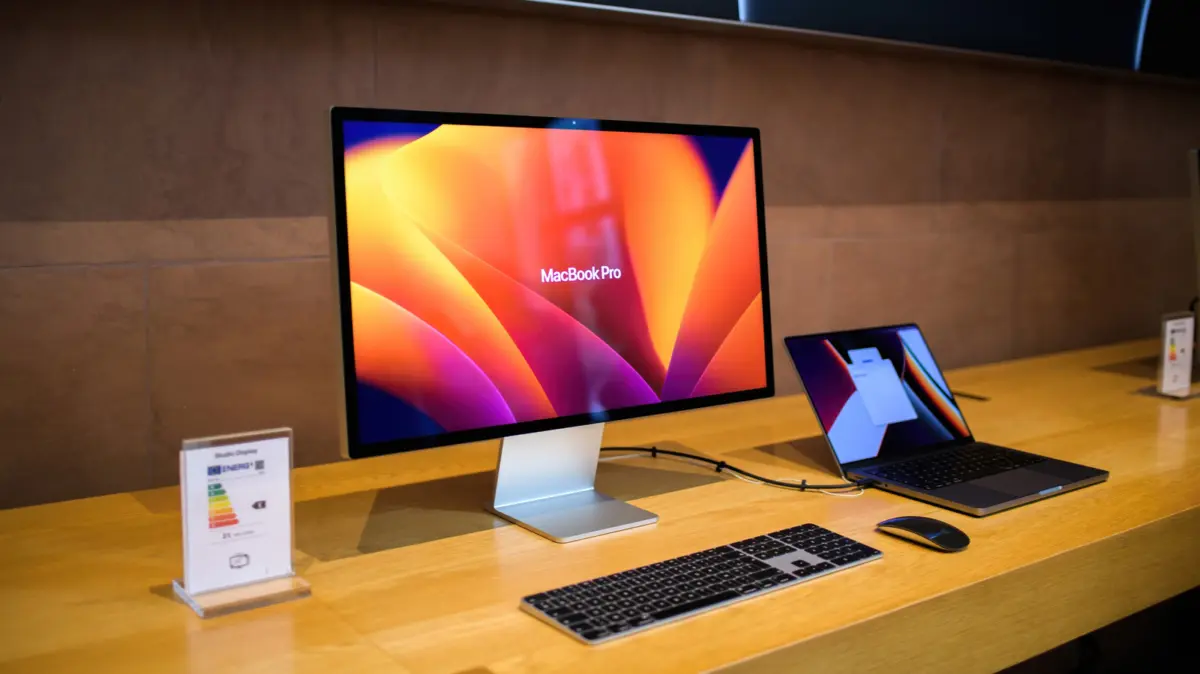
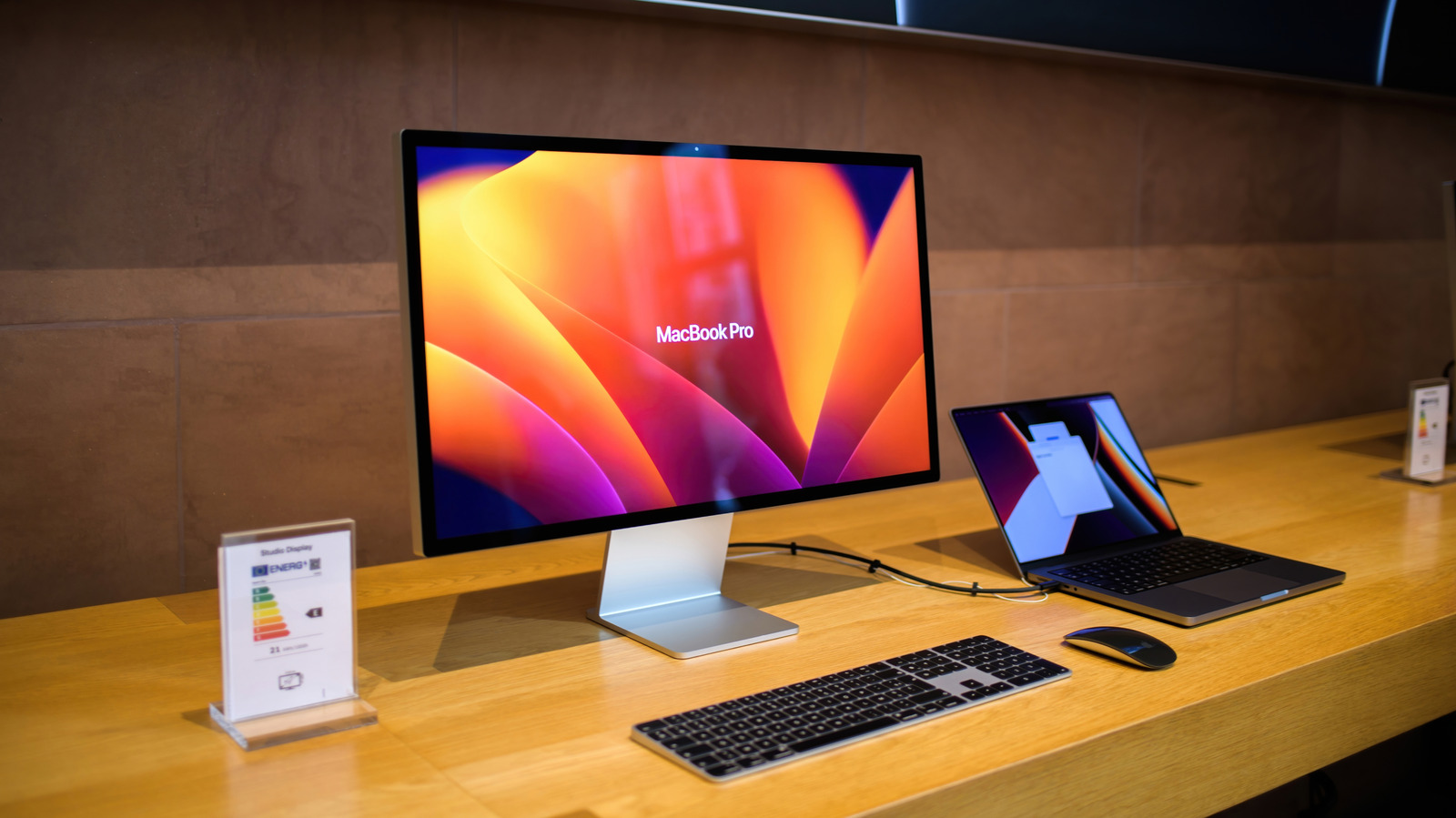
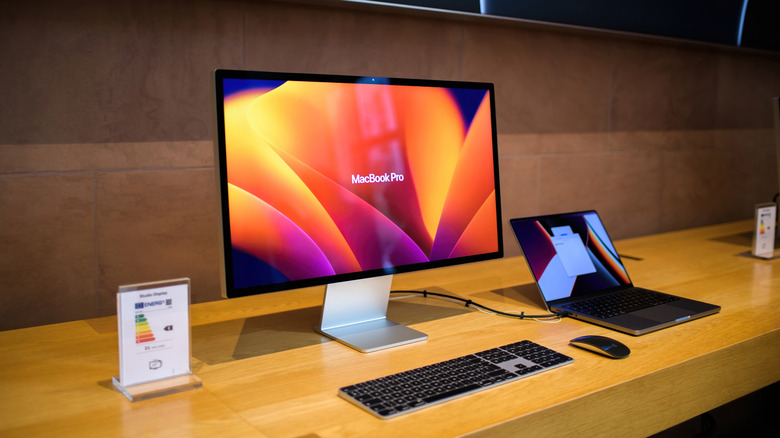
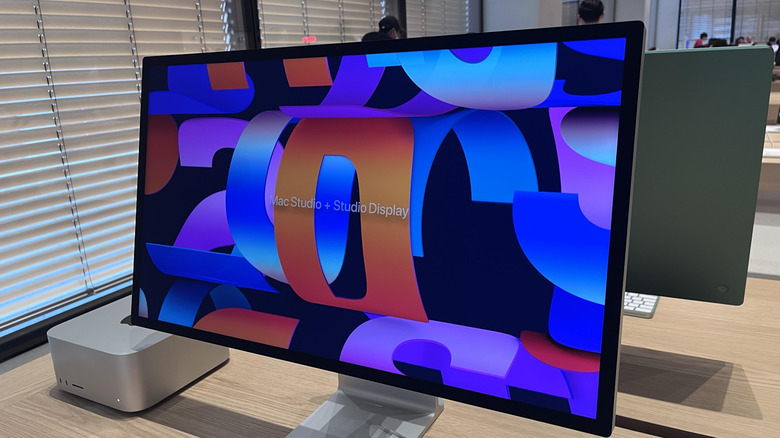
- The Late 2010s to Early 2020s: The Retina and "Prosumer" 5K Wave. Apple popularizes 5K resolution with its Retina iMac and Studio Display lines, targeting photographers, videographers, and graphic designers who require pixel-accurate editing environments without visible scaling artifacts.
- The Mid-2020s: The Great Resolution Divergence. The display market fractures into two distinct philosophies. The gaming sector focuses heavily on high refresh rates (240Hz and beyond) paired with 4K or 1440p resolutions. Simultaneously, the creative productivity sector embraces 5K and ultra-wide formats to maximize screen real estate and text clarity, creating a strategic dilemma for PC users who split their time between work and play.
Supporting Context & Metrics: Resolution, Hardware, and Performance
Evaluating whether to invest in a 5K display requires a granular look at the technical trade-offs involving pixel density, GPU power, refresh rates, and financial investment.
1. Pixel Density and Viewing Distances
Unlike living room televisions, where viewers sit several feet away, computer monitors are typically viewed from a distance of less than 12 inches to two feet. At this close range, clarity and pixel density—measured in Pixels Per Inch (PPI)—are paramount.
- 4K Resolution (3840 x 2160): Provides roughly 8.29 million pixels. On a standard 27-inch or 32-inch monitor, this yields an exceptionally sharp image without requiring excessive operating system scaling.
- 5K Resolution (5120 x 2880): Delivers roughly 14.7 million pixels. While undeniably crisper, this extreme density is primarily beneficial for professionals working with native 4K video timelines or ultra-high-resolution RAW photography, where UI elements need to sit comfortably alongside full-scale media assets.
2. The GPU Bottleneck and Native Rendering Costs
Running modern AAA video games natively at 4K is already a monumental task for graphics hardware. To maintain a smooth 60 frames per second (FPS) or higher in visually intensive titles featuring path-tracing and advanced ray-tracing, gamers historically relied on high-end GPUs like the Nvidia GeForce RTX 4070 or AMD Radeon RX 9070 XT. With the latest generation of graphics-heavy titles, native 4K performance practically demands flagship silicon such as the Nvidia GeForce RTX 5080 or RTX 5090.
Scaling that workload up to native 5K introduces an exponential performance penalty. Rendering 14.7 million pixels natively will severely cripple frame rates on all but the absolute most powerful consumer workstations on earth. While AI-driven supersampling technologies—such as Nvidia DLSS (including multi-frame generation capabilities) and AMD FidelityFX Super Resolution (FSR)—can help bridge the gap by rendering at lower resolutions and upscaling via machine learning, these techniques can introduce artifacts or measurable input lag.
3. Refresh Rate Disparities
For competitive and fast-paced gaming, refresh rates are often prioritized over raw resolution.
- The 4K Advantage: The fastest consumer 4K gaming monitors (such as the MSI MPG 272URX QD-OLED) support blisteringly fast refresh rates reaching up to 240Hz.
- The 5K Limitation: The quickest available 5K monitors on the market (such as the AOC Agon Pro AGP277KX or prosumer alternatives) are typically capped between 165Hz and 180Hz. While adequate for immersive single-player adventures, eSports competitors and twitch-shooter enthusiasts will find these ceilings suboptimal.
4. Financial Realities: Cost-to-Value Ratio
Price remains the ultimate barrier to entry for 5K technology. Because 5K panels cater to a specialized niche of creative professionals rather than mass-market gamers, economies of scale have not driven prices down to the degree seen with 4K hardware.
- Entry-Level 4K: Reliable, entry-level 4K gaming and productivity monitors can be purchased starting around $200.
- Entry-Level 5K: The most affordable 5K monitor on the market, such as the ASUS ProArt Display PA27JCV, retails for approximately $650.
Investing more than triple the baseline cost for a 5K panel yields diminishing returns for anyone whose primary use case is gaming or general multitasking.
Official Industry Perspectives and Expert Insights
Hardware analysts and display manufacturers have increasingly acknowledged the divergent paths of productivity and gaming screens. Industry consensus highlights that higher resolution does not universally translate to a better user experience.
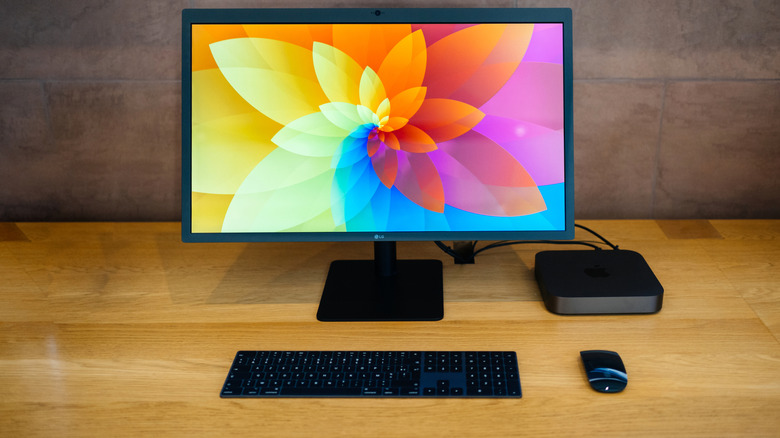
Display engineers frequently emphasize the importance of the PPI sweet spot. For instance, a massive 42-inch 4K panel yields a pixel density of roughly 105 PPI. In contrast, a smaller 24-inch 1440p (2K) monitor can achieve a much tighter 122 PPI, rendering fine text and UI elements with superior crispness despite having a lower overall resolution.
Furthermore, display ergonomics experts point toward alternative form factors like ultrawide (UWQHD, 3440 x 1440) and super-ultrawide panels (such as the 49-inch Samsung Odyssey OLED G9 running at 5120 x 1440). These displays trade vertical pixel bloat for horizontal screen real estate, offering an aspect ratio of 21:9 or 32:9 that fundamentally enhances productivity workflows and cinematic gaming immersion far better than a standard 16:9 5K monitor ever could.
+--------------------+-------------------------+-------------------------+
| Feature / Metric   | 4K Gaming Monitors      | 5K Prosumer Displays    |
+--------------------+-------------------------+-------------------------+
| Resolution         | 3840 x 2160 (~8.3M px)  | 5120 x 2880 (~14.7M px) |
| Max Refresh Rates  | Up to 240Hz+            | Typically 165Hz - 180Hz |
| Entry-Level Price  | ~$200                   | ~$650+                  |
| Primary Target     | Gamers & Multimedia     | Creators & Editors      |
| GPU Load           | Heavy (DLSS/FSR helps)  | Extreme (Native 5K)     |
+--------------------+-------------------------+-------------------------+
Future Outlook: Where the Display Market is Headed
Looking forward, the monitor market will continue to segment based on user intent. OLED technology, quantum-dot enhancements, and high-refresh-rate engineering will remain the primary battlegrounds for gaming displays, with 4K solidifying its position as the ultimate high-end resolution ceiling for entertainment.
As graphics cards grow more powerful, the need for aggressive upscaling will gradually decrease, making native 4K at ultra-high refresh rates more accessible to mainstream builders. Meanwhile, 5K will likely remain a boutique category tailored specifically for macOS power users, professional photographers, and video editors who prioritize workspace density over gaming frame rates.
For consumers currently building or upgrading a battle station, the advice from hardware reviewers is clear: skip the 5K monitor tax. Invest those funds into a high-refresh-rate, OLED-backed 4K panel—or a balanced 1440p screen if paired with an aging GPU—to secure optimal visual fidelity, responsive frame rates, and uncompromising value for years to come.