Executive Overview
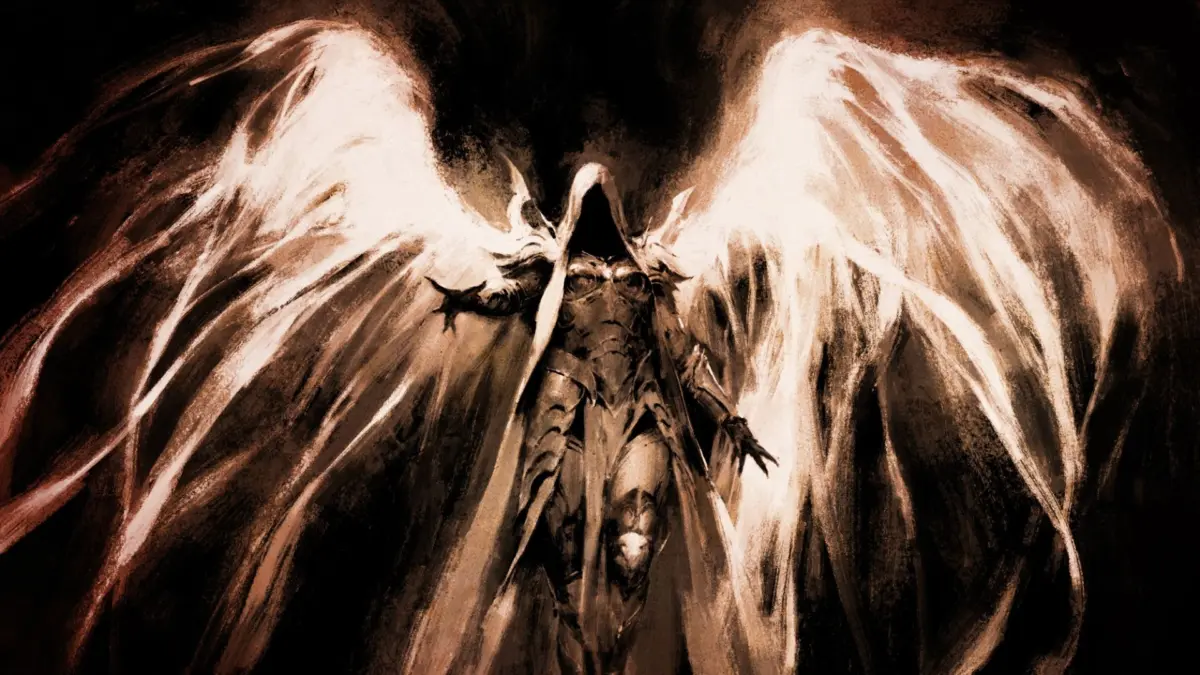
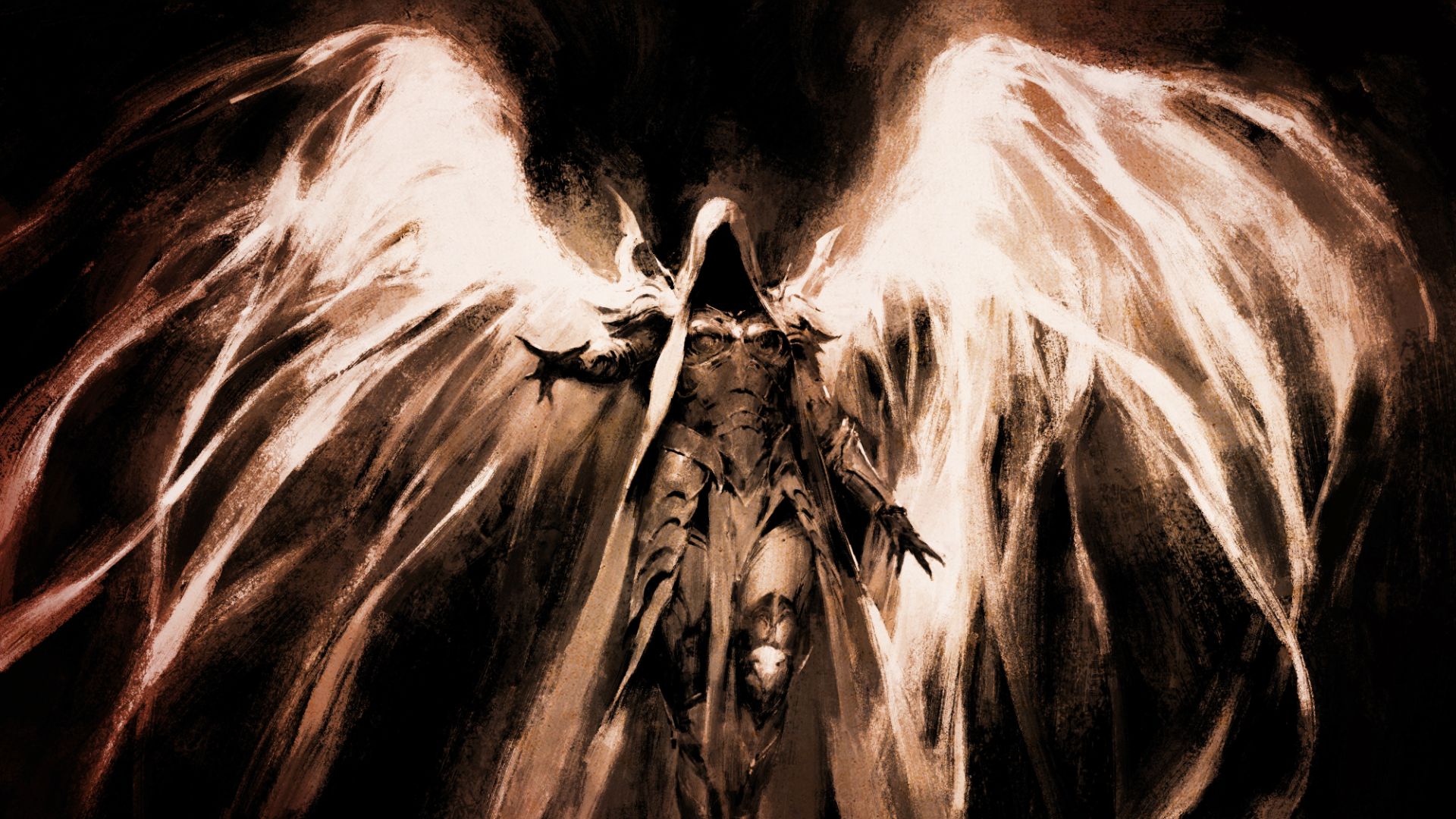
When Blizzard Entertainment shocked the gaming community at BlizzCon with the surprise announcement of Diablo 5, it immediately sent ripples through the action RPG (ARPG) landscape. However, the revelation came with a significant caveat: the game is still roughly three years away, with a targeted release window pointing toward 2029. Because the initial reveal consisted purely of a cinematic teaser devoid of actual gameplay, the specifics of what Diablo 5 will look, feel, and play like have remained shrouded in mystery.
Yet, as details begin to trickle out from the development team—including statements from Game Director Joe Shely, Executive Producer Matt Zitterman, and Narrative Director Jennifer Hepler—a clearer picture is starting to form. Notably, Blizzard is engaging in some critical self-reflection. The team is re-evaluating core mechanics that defined the more recent entries in the franchise, such as Diablo 3 and Diablo 4.
Chief among these points of contention is the implementation of level scaling—a mechanic that has divided the community for over a decade. By weighing the successes and failures of past systems, Blizzard is signaling a willingness to course-correct, leaning into procedural generation and nostalgic design philosophies reminiscent of Diablo 2. As development ramps up and regular updates are promised for the coming year, Diablo 5 is shaping up to be a defining moment for a franchise struggling to balance modern accessibility with old-school hardcore satisfaction.
Detailed Chronology: From the Ashes of Sanctuary to the 2029 Horizon
To understand the weight of the Diablo 5 announcement, one must look at the timeline of the franchise over the past twenty-five years and the recent developments leading up to the BlizzCon reveal.
- The Golden Age and the Purist Standard (2000–2012): Diablo 2, released in 2000, established the gold standard for the ARPG genre. Its fixed-level regional design, randomized map generation, and punishing loot chase created an enduring legacy. When Diablo 3 launched in 2012, it pivoted toward a flashier, more streamlined combat loop, eventually introducing dynamic difficulty adjustments through its Adventure Mode and Greater Rifts.
- The Modern Era and the Scaling Debate (2018–2023): Diablo 4 arrived with a grim, open-world aesthetic that won critical acclaim for its atmosphere. However, its implementation of world scaling—where monsters level up alongside the player character—drew persistent criticism from veterans who felt it diluted the sense of tangible progression.
- The BlizzCon Bombshell (Late 2023–2025): Blizzard kept Diablo 5 tightly under wraps while continuing to support Diablo 4 with expansions and seasonal updates. Behind closed doors, pre-production and conceptual planning were well underway. The surprise cinematic teaser at BlizzCon confirmed that a fifth installment is officially in motion.
- The Post-Apocalyptic Horizon (2029): With the game targeted for a 2029 release, Blizzard has entered an extended communication phase. Leadership has promised that deep dives, developer updates, and community feedback sessions will begin in earnest next year, ensuring that players have a voice in shaping the sequel long before it hits hardware shelves.
Supporting Context & Metrics: The Anatomy of Player Progression and World Design
The core tension surrounding Diablo 5 boils down to a fundamental question: How do you balance ongoing challenge with the unadulterated power fantasy that defines the ARPG genre?
The Level Scaling Dilemma
In Diablo 2, zones possessed hardcoded level limits. If a player struggled against a particular pack of monsters in Act 3, they could retreat to earlier zones, grind experience, secure better gear, and return to utterly obliterate the foes that previously terrorized them. This friction provided an unmistakable vertical spike in power.
Conversely, Diablo 3 and Diablo 4 adopted universal level scaling to ensure that open-world zones never truly become obsolete. While this prevents high-level players from trivializing low-level content and maintains structural challenge across cooperative sessions, it introduces a psychological drawback. When a player completes a rigorous leveling milestone, allocates a skill point, or equips a new weapon, but the monster standing directly in front of them simultaneously scales upward in power, the immediate gratification of growth is diminished.
+-------------------------------------------------------------------------+
                    DIABLO FRANCHISE DESIGN EVOLUTION
+-------------------------+-----------------------+-----------------------+
| Game Feature            | Diablo 2 (Classic)    | Diablo 3 & 4 (Modern) |
+-------------------------+-----------------------+-----------------------+
| World Design            | Fixed Zone Levels     | Dynamic Scaling       |
| Loot Philosophy         | Rare, Impactful Drops | Streamlined / Smart   |
| Map Layouts             | Procedurally Gen.     | Semi-Fixed / Static   |
| Power Fantasy Curve     | Spiky & Rewarding     | Controlled & Smooth   |
+-------------------------+-----------------------+-----------------------+
The Return of Procedural Generation
Compounding the discussion on pacing and challenge is the confirmation that Diablo 5 will embrace deep, randomized procedural generation for its dungeons and open-world environments. While Diablo 4 utilized a hybrid approach featuring hand-crafted overworlds stitched together with randomized dungeons, Diablo 5 aims to recapture the infinitely replayable, unpredictable nature of Diablo 2’s map layouts. This shift ensures that no two excursions into the wilderness or subterranean networks will feel identical, encouraging genuine exploration rather than rote memorization of optimal paths.
Official Statements: Inside the Minds of the Developers
During a candid group interview with industry press, Game Director Joe Shely, Executive Producer Matt Zitterman, and Narrative Director Jennifer Hepler opened up about the creative philosophy driving Diablo 5. Their comments reveal an acute awareness of what has historically alienated core fans and what must change for the next generation.
Speaking directly on the psychological impact of character growth versus enemy scaling, Joe Shely noted:
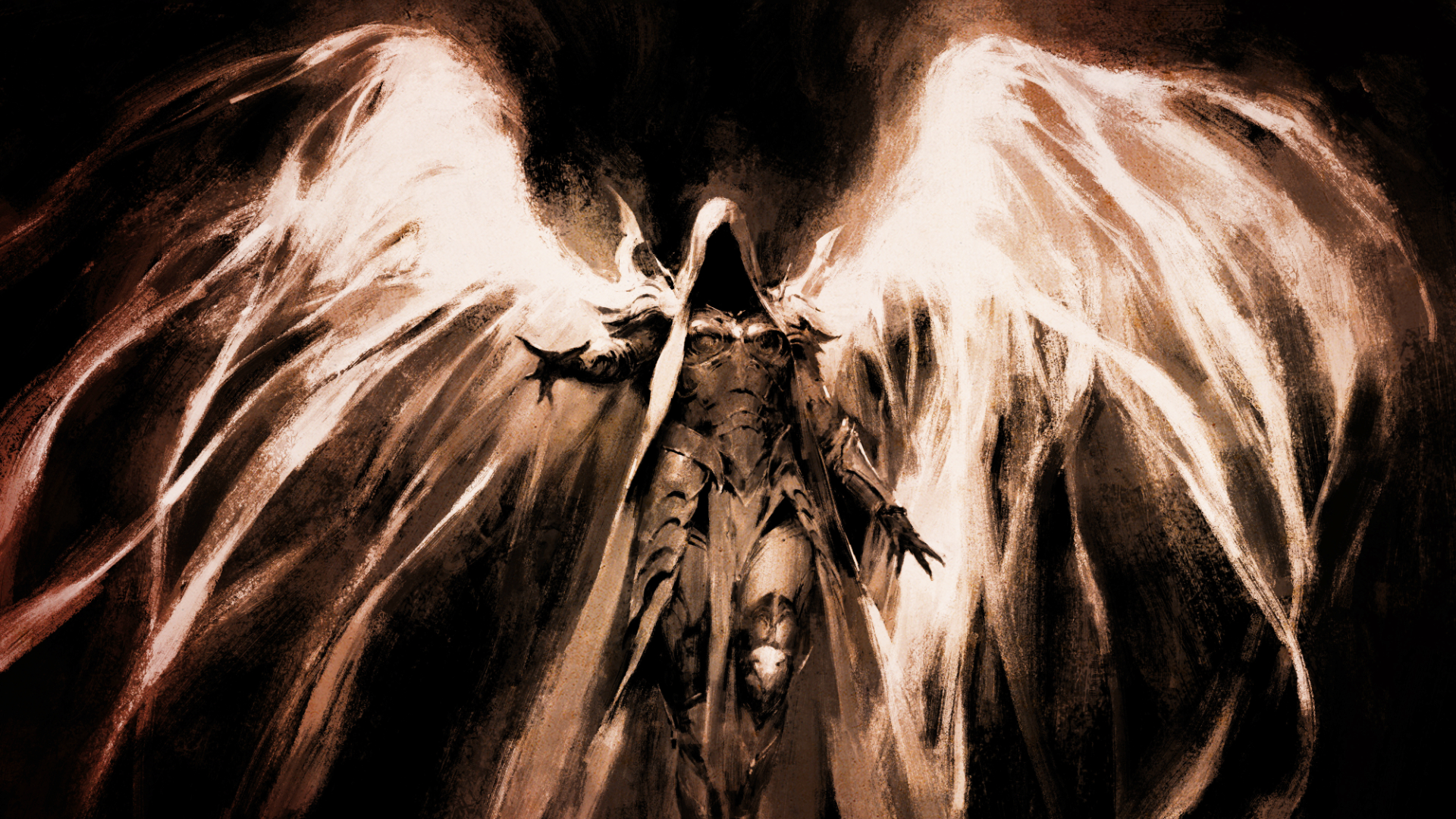
"Diablo is a game that, in many ways, is about your character getting stronger and when the monsters get stronger at the same time, especially outside of your control… You’ve filled the experience bar, you get stronger, you should feel awesome now, a wave of light pulses out from you, a bunch of monsters die. That’s wonderful, but then you’re going to go hit some more monsters and you should feel powerful. And sometimes automatic scaling can get in the way of that feeling, which is so core to it, and that’s why this is a really important question. And so, we’re going to take a somewhat different approach to that in Diablo 5."
This statement is a vital admission. It acknowledges that the mechanical convenience of scaling can actively work against the emotional payoff of an ARPG. By promising a "somewhat different approach," Blizzard is acknowledging that players need moments where they can look back at past struggles and realize they have become near-godlike entities within Sanctuary.
Furthermore, Narrative Director Jennifer Hepler and Executive Producer Matt Zitterman have hinted at a bleaker, more desperate narrative backdrop. Diablo 5 posits a world where the forces of Hell have fundamentally shifted the geopolitical and spiritual balance of Sanctuary—a post-apocalyptic setting where the prime evils have effectively secured a baseline victory. In such an oppressive landscape, every salvaged sword, every hard-fought level, and every defeated demon must carry immense narrative and mechanical weight.
Future Outlook: What to Expect Before 2029
As the gaming community processes the long wait ahead of them, attention turns to how Blizzard will handle the four-year development runway leading to 2029.
- Iterative Transparency: Blizzard has committed to a paradigm of open communication reminiscent of their early handling of Diablo 4’s quarterly developer updates. Beginning next year, fans can expect deep dives into class design, itemization philosophies, and engine capabilities.
- Community-Driven Adjustments: Given Shely’s open-ended remarks on level scaling, it is clear that certain systems are not yet locked in stone. Blizzard intends to use public forums, surveys, and closed technical alphas to test alternative scaling models, ensuring the final product strikes an organic balance between challenge and empowerment.
- Genre Competition: Diablo 5 will not launch in a vacuum. Competitors like Grinding Gear Games’ Path of Exile 2 are currently setting high benchmarks for mechanical friction, meaningful risk-reward loops, and complex character building. To stand out, Diablo 5 must prove it can modernize without losing the raw, visceral identity that made the series a household name.
Ultimately, while 2029 is a long way off, the early transparency from Blizzard suggests a development team that is listening. By confronting the pitfalls of modern level scaling and returning to the randomized roots that made the franchise iconic, Diablo 5 has the potential to reclaim the dark throne of the action RPG genre.