Executive Overview
The sprawling galaxy far, far away is poised for yet another major creative pivot. Disney and Lucasfilm have reportedly tapped Jon Watts—best known for directing Marvel’s modern Spider-Man trilogy starring Tom Holland—to helm the inaugural film of a brand-new Star Wars trilogy written and produced by Simon Kinberg (Star Wars: Rebels, X-Men, Mr. & Mrs. Smith).
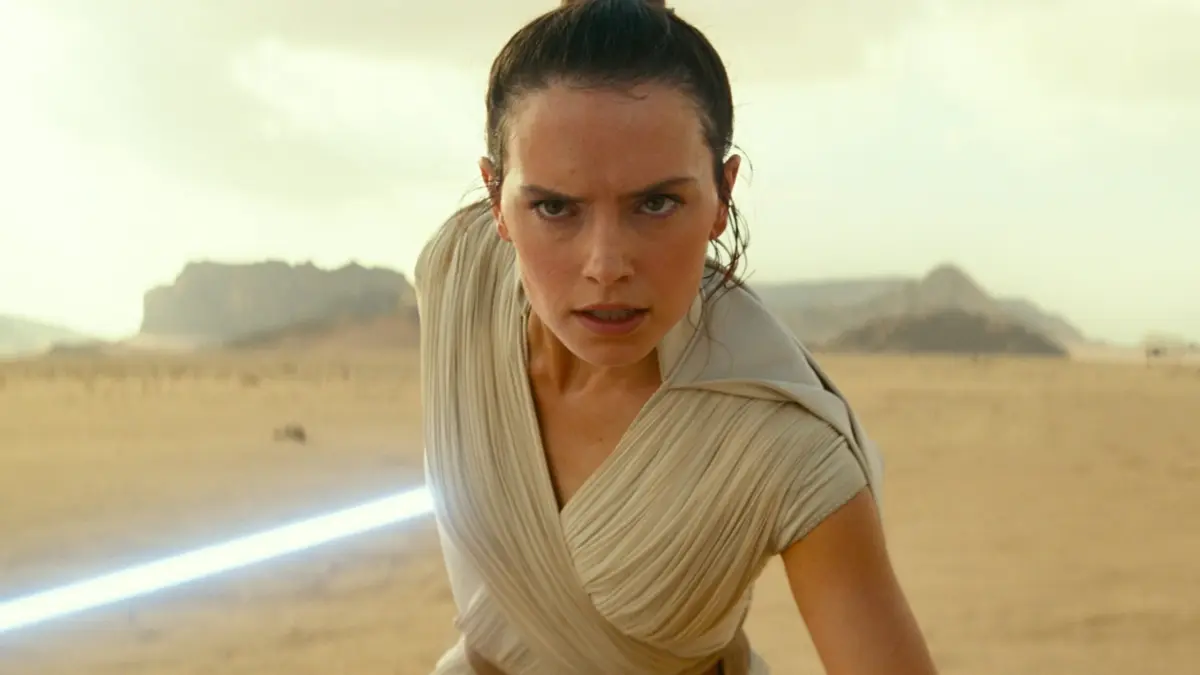
This ambitious cinematic venture, first broken by insider Daniel Richtman and subsequently corroborated by The Hollywood Reporter, is designed to map out the next major chapter of the historic Skywalker Saga. While specific narrative details remain tightly under wraps, early reports indicate that Daisy Ridley’s sequel-trilogy Jedi, Rey Skywalker, is slated to play a pivotal role in the unfolding plot.
For Watts, this project marks a high-profile return to the sci-fi franchise following his tenure as a co-creator on the 2024 television series Skeleton Crew. Yet, despite the undeniable excitement surrounding his hiring, the film has not yet received an official green light from Disney executives. As Lucasfilm continues to navigate a turbulent era of creative restructuring, leadership transitions, and box office corrections, the studio is moving forward methodically, ensuring that the foundational elements of this new trilogy are meticulously crafted before cameras start rolling.
Detailed Chronology: From Rumors to Reality
The journey toward Simon Kinberg’s new Star Wars trilogy has been anything but linear, marked by shifting mandates, conflicting insider reports, and extensive script iterations.
The 2024 Genesis and Initial Confusion
Back in 2024, rumors first began circulating that Kinberg had been brought into the Lucasfilm fold to draft a brand-new trilogy of mainline Star Wars films. At the time, the entertainment industry was awash with conflicting information. Some trade reports asserted that the upcoming films would continue the overarching Skywalker Saga, while others fiercely maintained that Lucasfilm was ready to completely abandon its legacy characters to tell an entirely standalone story in an uncharted galactic era.
This uncertainty was further compounded by leadership shifts at Lucasfilm. Former studio head Kathleen Kennedy, who steered the ship for over a decade following Disney’s acquisition of the company, offered vital transparency regarding Kinberg’s progress during an exit interview with Deadline earlier this year. Kennedy pulled back the curtain on the grueling development process, revealing that Kinberg’s creative vision had undergone substantial restructuring.
“[Kinberg] wrote something that we read in August [2025], and it was very good, but not there,” Kennedy noted in January. “We’ve pretty much upended the story, and then spent a great deal of time on the treatment, which he finished literally about four weeks ago. And it’s a very detailed treatment, like 70 pages. And so he is expected to give us something in March.”
Landing Jon Watts and the Path to Production
With Kinberg’s extensive treatment finally materializing in early 2026, Lucasfilm began actively assembling its creative team, culminating in the selection of Jon Watts as director for the trilogy opener.
Watts skyrocketed to blockbuster fame in 2017 when Marvel Studios and Sony Pictures tapped him to direct Spider-Man: Homecoming. He successfully shepherded the MCU’s wall-crawler through two massively lucrative and critically praised sequels: Spider-Man: Far From Home (2019) and Spider-Man: No Way Home (2021). After passing the Marvel torch to Destin Daniel Cretton and stepping behind the camera for the 2024 thriller Wolfs, Watts proved he could handle massive intellectual properties while retaining character-driven heart—a skill set Lucasfilm desperately needs.
Despite securing a director, sources close to production emphasize that the project remains in early development. It has yet to receive an official green light from Disney, meaning fans should not expect an imminent theatrical release. Nevertheless, industry trackers note that Kinberg and Watts’ collaborative effort is progressing faster than the vast majority of other dormant or rumored Star Wars cinematic endeavors. The only upcoming theatrical project currently ahead of it on the production calendar is Shawn Levy and Ryan Gosling’s Star Wars: Starfighter, which holds a firm release date of May 28, 2027.
Supporting Context & Metrics: Navigating a Post-Skywalker Landscape
To understand why Disney and Lucasfilm are moving so cautiously with Kinberg and Watts’ trilogy, one must analyze the precarious state of the Star Wars theatrical pipeline over the past several years.

The Theatrical Drought and Critical Missteps
The Skywalker Saga officially concluded its nine-film narrative arc in December 2019 with Star Wars: Episode IX – The Rise of Skywalker. Directed by J.J. Abrams, the film was designed to be a grand finale, but it ultimately landed with a whimper rather than a triumphant roar. Plagued by polarizing narrative choices, behind-the-scenes friction, and immense fan division, The Rise of Skywalker earned a lackluster 51% on Rotten Tomatoes and a mediocre 7/10 review from IGN—a critical reception rivaled in the franchise only by 1999’s The Phantom Menace.
In the wake of that reception, Disney elected to pump the brakes on theatrical releases, plunging the franchise into a historic seven-year cinematic drought. While live-action storytelling continued via Disney+ television series, fans were forced to wait until this year’s release of The Mandalorian and Grogu to experience a new Star Wars movie on the big screen.
Unfortunately, The Mandalorian and Grogu encountered its own trials. The film netted a lukewarm critical response (including a 5/10 from IGN) and underperformed at the global box office. The financial disappointment was significant enough that Disney executives openly admitted during an earnings call that both The Mandalorian and Grogu and the live-action Moana fell short of box office expectations, even if they successfully drove auxiliary merchandise sales.
The Streaming Renaissance and Division
While the cinematic side of the galaxy has struggled to recapture the universal acclaim of George Lucas’ original 1977–1983 trilogy, the small screen has been a different story entirely.
- The Triumphs: Seasons 1 and 2 of Andor—the gritty, politically charged prequel to Rogue One—cemented themselves as arguably the most universally praised live-action Star Wars projects ever produced. Meanwhile, series like Skeleton Crew and Maul – Shadow Lord successfully cultivated dedicated, passionate fanbases through strong character work and atmospheric world-building.
- The Divides: Conversely, projects like The Acolyte (2024) ignited intense online debates and mixed critical responses, highlighting the deep ideological and stylistic fractures within the broader Star Wars fandom.
This dichotomy explains why the announcement of a new Skywalker-adjacent trilogy helmed by Kinberg and directed by Watts is met with equal parts cautious optimism and deep-seated skepticism. Audiences are desperate for a theatrical return that captures the old magic, but they are weary of corporate missteps.
Official Statements and Leadership Transitions
The shifting fortunes of the franchise coincide with monumental changes at the executive level. Following Kathleen Kennedy’s departure after a 14-year tenure at the helm of Lucasfilm, veteran creator Dave Filoni and Lynwen Brennan have stepped up as the new creative architects of the studio.
Filoni, a protégé of George Lucas and the mastermind behind animated mainstays like The Clone Wars and Rebels, has attempted to calm fan anxieties regarding the future of the brand. In recent interviews, Filoni has emphasized that modern Lucasfilm is operating in a fundamentally different era—one where individual projects are given the breathing room to find their own identity without carrying the crushing, monolithic burden that The Force Awakens and The Rise of Skywalker had to shoulder.
Furthermore, leadership has had to gracefully manage persistent fan campaigns. Following announcements regarding upcoming Marvel and Star Wars slates, fervent online communities have relentlessly campaigned to see Adam Driver reprise his tragic role as Kylo Ren in a rumored (and subsequently shelved) project tentatively dubbed The Hunt for Ben Solo. While Filoni confirmed that Disney is not currently pursuing that specific scrapped movie, the sheer volume of fan demand underscores how deeply invested viewers remain in the post-sequel trilogy era—an era that Kinberg and Watts are now tasked with expanding.
Future Outlook: What Lies Ahead for the Galaxy Far, Far Away?
As Disney and Lucasfilm recalibrate their long-term strategy, the horizon is filled with an array of upcoming films and television shows in various stages of active development:
- The Small Screen Continues: Maul – Shadow Lord Season 2 and Ahsoka Season 2 are both slated to premiere next year, ensuring that Disney+ remains a steady stream of content for subscribers.
- Theatrical Resurgence: Shawn Levy and Ryan Gosling’s Star Wars: Starfighter is locked in for a May 28, 2027 release date, serving as the immediate test of audience appetite for cinematic Star Wars.
- The Horizon: Beyond Starfighter, Simon Kinberg’s trilogy—with Jon Watts locked in for the first installment and Rey Skywalker positioned as a central anchor—represents the long-term blueprint for the franchise.
Whether this creative partnership can finally heal the divisions of the sequel era and provide the definitive, crowd-pleasing cinematic renaissance that fans have craved for nearly a decade remains to be seen. However, by pairing a seasoned blockbuster director like Watts with a veteran writer-producer like Kinberg, Lucasfilm is signaling a clear desire for stability, competence, and structured storytelling.
The Force is once again in motion, and all eyes in Hollywood will be watching to see if this new chapter finally delivers on its galactic promises.