Executive Overview
In a sweeping strategic move designed to redefine micro-merchandising, mobile commerce, and entrepreneurial infrastructure, Apple has officially announced the rollout of Tap to Pay on iPhone across eight prominent Latin American and Caribbean nations. Released via the company’s regional newsroom, this expansion encompasses Argentina, Colombia, Costa Rica, the Dominican Republic, Guatemala, Honduras, Panama, and Peru, bringing seamless, hardware-free contactless payments to millions of businesses ranging from independent street vendors and boutique creators to large-scale enterprises.
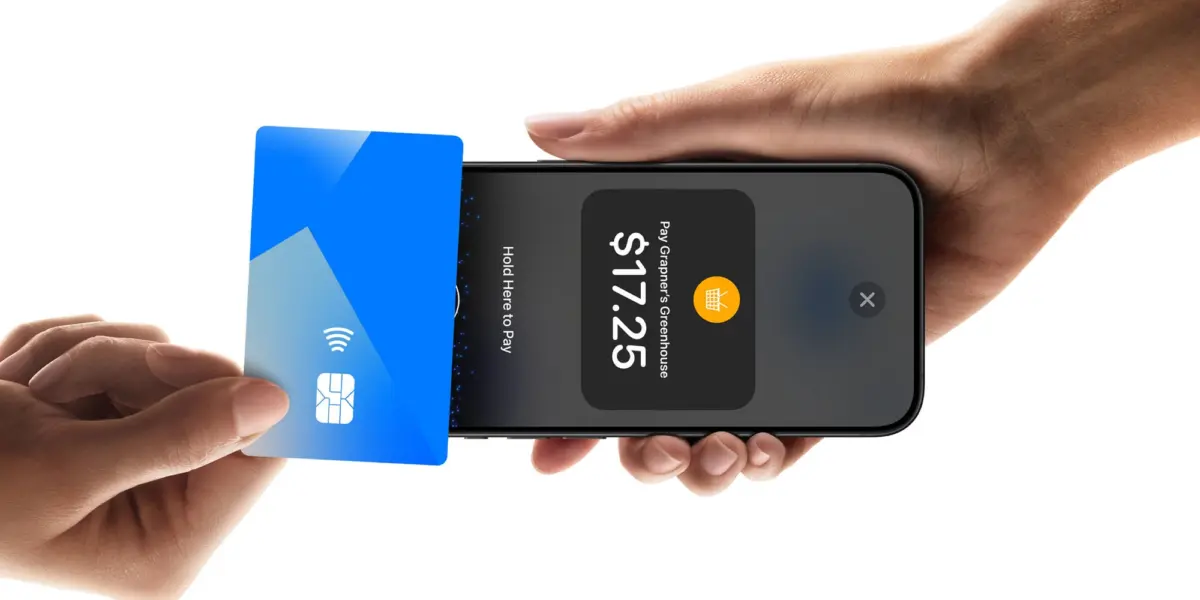
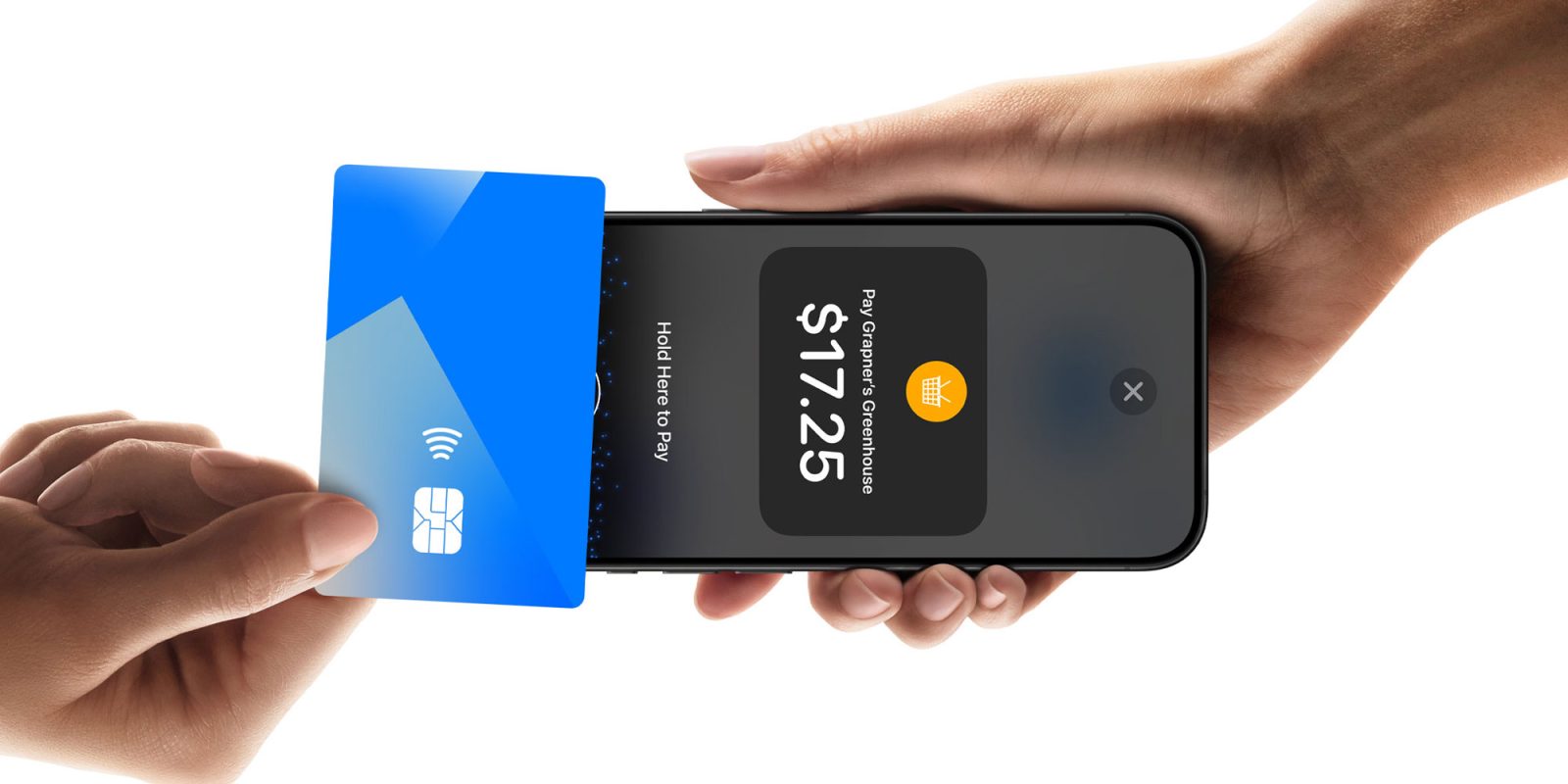
First unveiled in February 2022 as a paradigm-shifting alternative to traditional point-of-sale (POS) terminals, Tap to Pay on iPhone enables merchants to securely and effortlessly accept contactless credit and debit cards, Apple Pay, and other digital wallets using nothing more than a compatible iPhone and an integrated, third-party payment application. By eliminating the necessity for costly, bulky, and maintenance-heavy dedicated card readers, Apple is democratizing financial technology. Small and medium-sized enterprises (SMEs) across Latin America—a region historically reliant on cash transactions or encumbered by high hardware costs for electronic payments—can now leverage enterprise-grade payment security directly from their pockets.
This latest regional deployment underscores Apple’s aggressive global strategy to scale its financial services ecosystem. With these new additions, Tap to Pay on iPhone is now live in 59 countries and regions globally, supported by a robust network of over 100 payment service providers and financial institutions worldwide. Supported major global payment networks include American Express, Mastercard, and Visa, ensuring compatibility with the vast majority of circulating financial instruments.
Detailed Chronology: From Silicon Valley Concept to Global Financial Infrastructure
To truly understand the weight of this Latin American expansion, it is essential to retrace the evolutionary path of Tap to Pay on iPhone. The technology represents years of advanced cryptographic engineering, regulatory negotiations, and strategic ecosystem alignment.
The Genesis (February 2022)
Apple initially pulled back the curtain on Tap to Pay on iPhone on February 8, 2022. The announcement marked the culmination of years of internal development following Apple’s acquisition of startup Mobeewave in 2020. Mobeewave had pioneered technology that allowed smartphones to process credit card payments via near-field communication (NFC) chips without additional hardware attachments.
Upon its initial launch in the United States, Stripe served as the inaugural payment platform partner, integrating the feature into its software development kits (SDKs) to allow business customers to accept contactless payments straight out of the box using an iPhone XS or newer device.
Gradual Global Scaling (2022–2024)
Recognizing the massive global appetite for flexible, frictionless merchant solutions, Apple methodically expanded the footprint of Tap to Pay.
- Taiwan (2023): Became the first Asian market to receive the feature, paving the way for high-density metropolitan merchant adoption.
- Europe and the UK (2023–2024): Apple navigated complex regional banking regulations to launch across the United Kingdom, France, Italy, the Netherlands, and Ukraine, proving the technology’s adaptability across fragmented regulatory landscapes.
- Australia and Brazil (2024): The landing of Tap to Pay in Brazil served as Apple’s crucial beachhead in Latin America, establishing vital regulatory and banking partnerships that would eventually pave the way for this current eight-country expansion.
The Latin American Leap (Today)
By integrating Argentina, Colombia, Costa Rica, the Dominican Republic, Guatemala, Honduras, Panama, and Peru into the fold, Apple has effectively bridged major financial gaps across Central America, South America, and the Caribbean. Merchants in these regions can now transition from cash-dominated or hardware-constrained operational models into modern digital economies overnight. The rollout is backed locally by six major regional payment platforms, ensuring that business owners can seamlessly plug into familiar local acquiring banks and financial service ecosystems.
Supporting Context & Metrics: The Economic Imperative of Hardware-Free Payments
The timing of Apple’s Latin American expansion is not accidental; it is a calculated response to shifting macroeconomic trends, mobile penetration rates, and consumer preferences across the Global South.
The Shift Away from Cash
Latin America has historically been a cash-heavy economy, where informal commerce makes up a massive percentage of GDP. However, the COVID-19 pandemic permanently accelerated the shift toward digital and contactless payments. Consumers increasingly expect to pay with cards or phones, even for small-ticket items like street food, taxi rides, or artisanal goods.
Historically, small business owners faced steep barriers to entry when attempting to accept electronic payments:
- Capital Expenditure: Traditional POS terminals often require upfront hardware purchasing or expensive monthly rentals.
- Logistics: Maintenance, paper rolls, battery degradation, and cellular connectivity issues plagued traditional card readers.
- Bureaucracy: Lengthy onboarding processes with legacy merchant acquirers often discouraged informal or micro-entrepreneurs.
Tap to Pay on iPhone dismantles these barriers entirely. Because the terminal is the phone the merchant already owns, the capital expenditure drops to zero.

Security and Privacy Architecture
Security remains the bedrock of Apple’s financial ecosystem. Unlike traditional hardware terminals where card data might be handled via third-party modules, Tap to Pay on iPhone utilizes the built-in hardware security features of the iPhone.
- Secure Element: All payment data is encrypted using the Secure Element, a dedicated, tamper-resistant chip designed to safely store cryptographic keys.
- Data Anonymity: Apple does not know who is buying what or what is being bought. Card numbers and transaction details are never stored on Apple servers or on the device itself, ensuring absolute adherence to strict privacy standards like PCI DSS (Payment Card Industry Data Security Standard).
Official Statements and Industry Impact
While Apple’s software announcement highlights the technical deployment across the eight nations, the broader industry reaction emphasizes the profound socio-economic impact of this infrastructure deployment.
Industry analysts and financial experts have pointed out that empowering micro-merchants with institutional-grade payment tools drastically reduces the shadow economy, bringing informal workers into the formal tax and banking structures. This, in turn, makes these businesses eligible for micro-loans, business insurance, and other financial services that require verifiable transaction histories.
Furthermore, leading regional payment platforms partnering with Apple in this expansion have noted an unprecedented surge in merchant pre-registrations. By embedding Apple’s Tap to Pay SDK into their existing merchant applications, these regional payment facilitators are positioning themselves as the go-to financial backbone for the next generation of Latin American commerce.
Future Outlook: What Lies Ahead for Mobile Payments?
As Tap to Pay on iPhone establishes a firm foothold across 59 countries and counting, the horizon for mobile commerce points toward total hardware obsolescence. The physical wallet, and by extension the physical cash register, is rapidly becoming a relic of the past.
1. Deeper Software Integration
Looking forward, expect to see deeper integration between Tap to Pay and vertical-specific business software—such as inventory management tools, appointment booking apps, and accounting suites. A hairdresser in Bogotá or a tour guide in Costa Rica will not only accept payments via their iPhone but automatically log taxes, update inventory counts, and issue digital receipts instantly.

2. Expanded Regional Footprint
While this eight-country rollout covers a massive swath of Latin America, Apple shows no signs of slowing down. Analysts predict further expansions into Africa, additional Southeast Asian markets, and deeper penetration into Eastern Europe over the next 18 to 24 months.
3. The Convergence of Consumer and Merchant Hardware
With Apple continuously refining iPhone hardware—introducing faster processors, advanced NFC capabilities, and robust security frameworks—the iPhone is cementing its status not just as a consumer communication device, but as a comprehensive, portable economic engine.
For the millions of entrepreneurs waking up today in Argentina, Colombia, Costa Rica, the Dominican Republic, Guatemala, Honduras, Panama, and Peru, doing business just got a whole lot simpler. All they need to say is: "Tap to Pay on iPhone."