Executive Overview
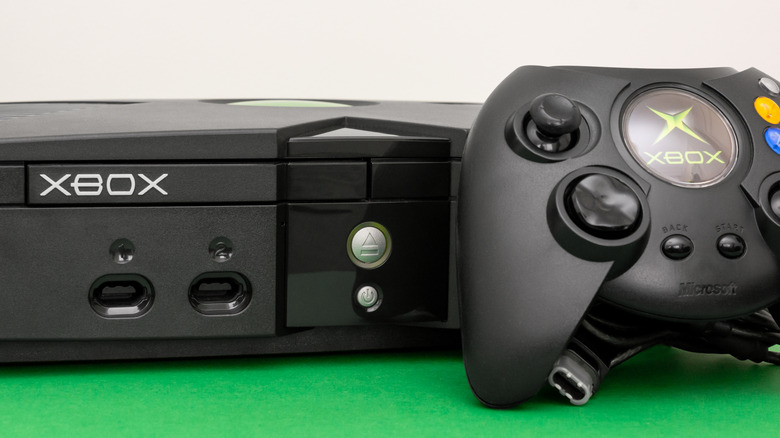
As the original Xbox approaches its landmark 25th anniversary in 2026, the trajectory of Microsoft’s gaming hardware tells a fascinating story of design iteration, ergonomic research, and cultural adaptation. When the original Microsoft console launched on November 15, 2001, it introduced the world to an input device that would become as infamous for its massive proportions as it was revolutionary for its ambitions: the "Duke."
Over the subsequent quarter-century, the Xbox controller has undergone an extraordinary evolution. Moving from the wired behemoth of the early 2000s to the streamlined, Bluetooth-enabled, and haptically refined Xbox Series X/S peripherals of today, Microsoft has systematically refined its hardware philosophy.
While core design elements—such as the asymmetrical thumbstick layout, iconic colored ABXY action buttons, and a persistent reliance on AA batteries—have endured, the underlying technology, structural ergonomics, and feature sets have been thoroughly modernized. This report examines the technical milestones, engineering challenges, and cultural shifts that transformed one of the most polarizing controllers in gaming history into the industry gold standard for modern ergonomics.
Detailed Chronology: Four Generations of Hardware Iteration
Generation 1: The Original Xbox and the Birth of the "Duke" (2001–2005)
The launch of the original Xbox was a high-stakes entry into a console market dominated by Sony’s PlayStation 2 and Nintendo’s GameCube. To signal its arrival as a powerhouse for mature, Western-centric action games like Halo: Combat Evolved, Dead or Alive 3, and Project Gotham Racing, Microsoft opted for a robust, heavy-duty industrial design.
Measuring a staggering 7 inches wide, 5.5 inches tall, and 2.7 inches thick—and weighing an imposing 14 ounces—the original controller, colloquially known as the "Duke," was engineered for players with larger hands. However, its proportions proved immediately problematic for the Japanese market, prompting Microsoft to release the streamlined "Controller S" in early 2002.
The Duke and Controller S were defined by mechanical layout choices that seem archaic by modern standards, including small black and white face buttons positioned above the primary action buttons, and dual memory card expansion slots integrated directly into the top of the peripheral rather than the console body. Despite its awkward dimensions, the Duke laid the groundwork for modern gaming control schemes with its pioneering dual analog sticks and integrated rumble motors.
Generation 2: The Xbox 360 and Wireless Mainstreaming (2005–2013)
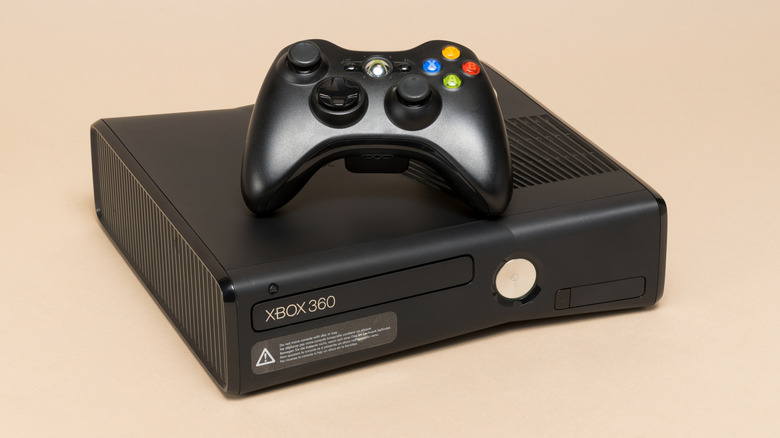
The debut of the Xbox 360 in 2005 marked a golden era for Microsoft hardware. Moving away from the polarizing size of the Duke and the Controller S, the Xbox 360 gamepad established a sleek, universally praised ergonomic contour that fit seamlessly into the palms of millions of players worldwide.
Most importantly, the Xbox 360 controller successfully mainstreamed wireless RF connectivity for home consoles, liberating players from tethered cords without introducing perceptible input latency. This generation also brought vital quality-of-life adjustments:
- The clumsy black and white auxiliary buttons were replaced with responsive, tactile left and right shoulder buttons (LB and RB).
- The introduction of the iconic "Guide Button" in the center allowed instantaneous navigation of the console’s dashboard, setting a new industry standard for system-level shortcuts.
- Through Microsoft’s Xinput API, the Xbox 360 controller became the definitive standard for PC gaming, bridging the gap between console and desktop ecosystems.
Generation 3: The Xbox One and Precision Refinements (2013–2020)
When the Xbox One launched in 2013, Microsoft focused on subtle, structural refinements rather than radical reinvention. The controller underwent dozens of subtle design modifications to improve responsiveness and comfort.
Notable upgrades included a redesigned, clickier D-pad optimized for both fighting games and menu navigation, and the introduction of "Impulse Triggers," which integrated independent rumble motors into the trigger pulls to deliver localized, visceral feedback—a feature highlighted prominently in racing titles like Forza Motorsport.
As online multiplayer grew increasingly vital, the later iterations of the Xbox One controller added a standardized 3.5mm headphone jack and native Bluetooth support, drastically simplifying wireless connectivity to Windows PCs, tablets, and mobile devices. This era also birthed the ultra-premium Xbox Elite Wireless Controller Series 2, introducing adjustable thumbstick tension, hair-trigger locks, and interchangeable rear paddles.
Generation 4: Xbox Series X/S and the Modern Standard (2020–Present)
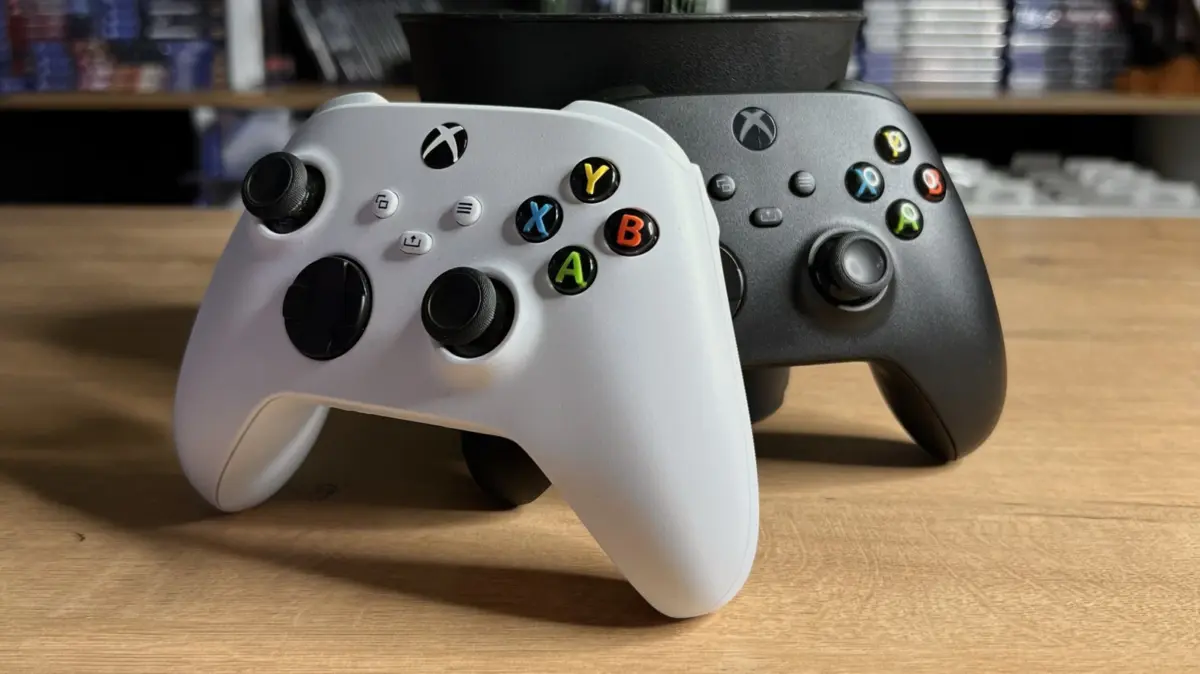
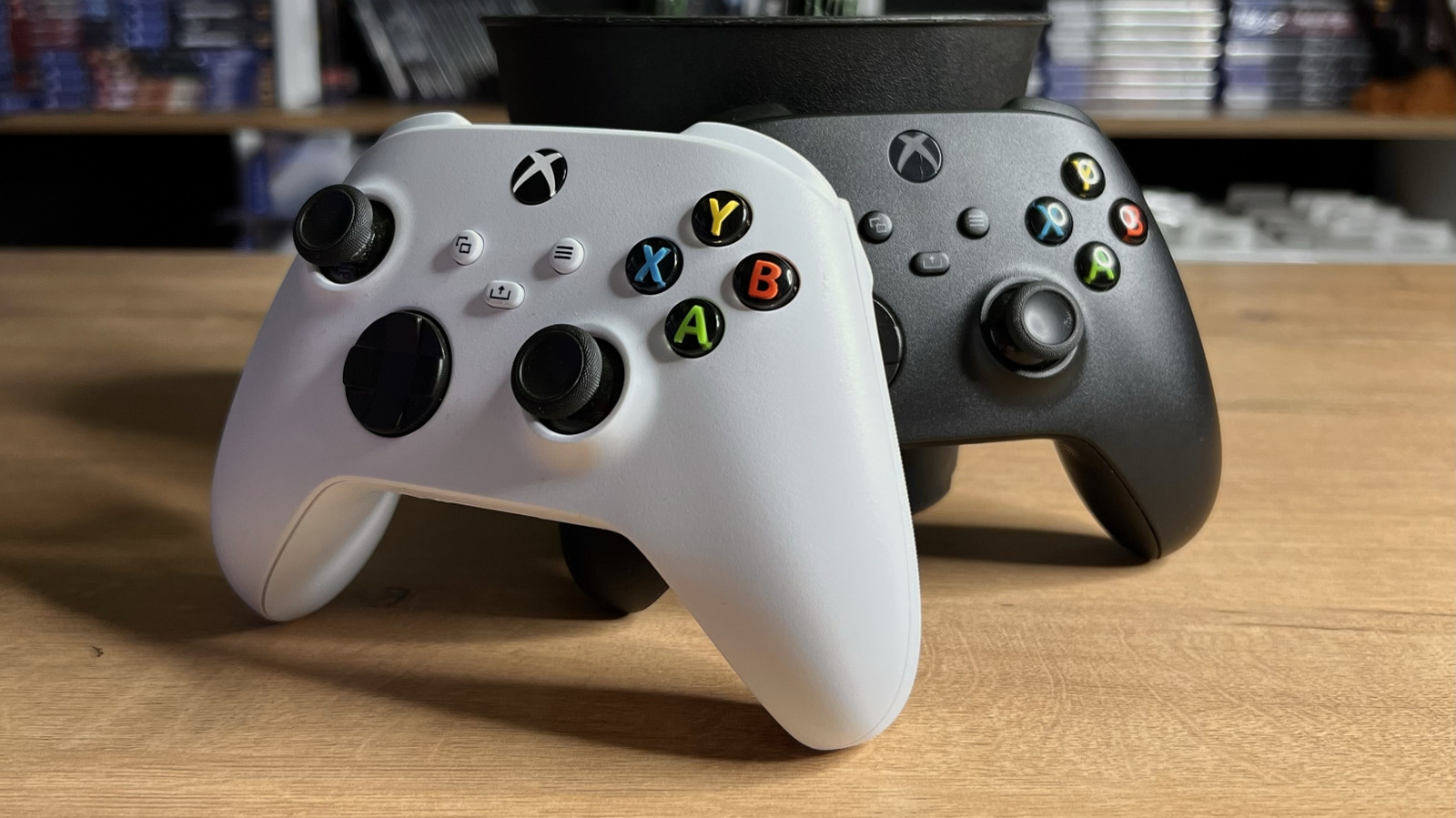
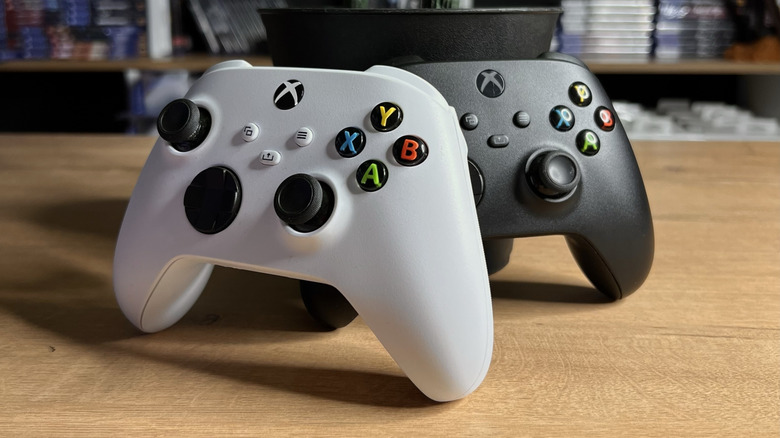
The current generation Xbox Wireless Controller, designed for the Xbox Series X/S, represents the culmination of 25 years of user feedback. While visually reminiscent of its Xbox One predecessor, it features a slightly smaller shell designed to accommodate an even wider demographic of hand sizes.
Key additions to the modern hardware include a dedicated "Share" button for rapid screenshot and video capture, heavily textured grips on the triggers, bumpers, and back case to prevent slippage during extended gaming sessions, and a hybrid D-pad modeled after the specialized directional pad of the Elite controller.
Supporting Context & Metrics: Engineering the Ultimate Gamepad
To truly understand how far Xbox hardware has advanced, examining the hard metrics across generations highlights the engineering shifts implemented by Microsoft’s design teams:
| Controller Era | Approximate Weight | Key Technological Leap | Primary Power Source | Notable Structural Addition |
|---|---|---|---|---|
| Original Xbox ("Duke") | ~14.0 oz (396g) | Dual analog integration & internal rumble | Wired (Proprietary USB) | Dual 8MB memory card slots |
| Xbox 360 Wireless | ~9.6 oz (272g) | 2.4GHz Wireless RF mainstreaming | AA Batteries / Play & Charge | Center Guide Button & LB/RB bumpers |
| Xbox One Controller | ~9.9 oz (280g) | Impulse Triggers & Bluetooth support | AA Batteries / Rechargeable Pack | 3.5mm Headphone Jack |
| Xbox Series X/S Pad | ~9.8 oz (278g) | Universal multi-platform sync & dynamic latency input | AA Batteries / Rechargeable Pack | Dedicated Share Button & Textured Grips |
The Battery Debate: AA vs. Internal Cells
One of the most enduring design decisions in Xbox controller history is Microsoft’s persistent reliance on AA batteries for standard wireless controllers. While competitors like Sony transitioned exclusively to built-in rechargeable lithium-ion packs with the introduction of the PlayStation 3, Microsoft has maintained AA compatibility while offering optional proprietary rechargeable battery packs.
Industry analysts and consumer feedback point to both pros and cons regarding this philosophy:
- The Consumer Argument for AA: Built-in rechargeable batteries inevitably degrade over years of heavy usage, eventually holding minimal charge and forcing consumers to replace the entire peripheral. AA battery support ensures that even decades down the line, vintage controllers remain fully functional using modern rechargeable NiMH AA cells.
- The Convenience Argument Against AA: Many modern gamers prefer the seamless, USB-C drop-in charging standard common to smartphones and competing gamepads, viewing external battery compartments as an unnecessary relic of the past.
Future Outlook: The Next 25 Years of Input Design
As gaming shifts toward cloud streaming, modular hardware, and cross-platform ecosystems, the physical controller remains the anchor of the interactive experience. Microsoft’s hardware division faces new challenges and opportunities as it looks past 2026:
- Sustainability and Eco-Friendly Materials: With global pushes toward reduced carbon footprints and recycled plastics, future iterations of Xbox peripherals are expected to rely heavily on post-consumer recycled (PCR) resins and biodegradable packaging, building on the bio-resin components already introduced in select special-edition controllers.
- Advanced Haptic Feedback: While Microsoft pioneered impulse triggers in the Xbox One era, competitors have made waves with advanced voice-coil haptic actuators (such as the PS5’s DualSense). Future Xbox iterations will likely explore deeper, more nuanced haptic frameworks to bridge this technological gap.
- Accessibility Integration: Following the massive industry success of the Xbox Adaptive Controller, Microsoft’s ongoing commitment to inclusive design will undoubtedly influence the ergonomics of mainstream controllers, ensuring adaptive features become more natively integrated into standard hardware models.
Ultimately, the 25-year journey of the Xbox controller demonstrates a rare mastery of evolutionary design. By respecting the core muscle memory built by generations of gamers while aggressively innovating on materials, connectivity, and precision engineering, Microsoft has turned an awkward, oversized experiment into one of the most refined pieces of consumer technology in gaming history.