Executive Overview
In a sudden development that has rippled through the global community of action-RPG enthusiasts, developer FromSoftware has temporarily taken offline the official online multiplayer servers for both Dark Souls II and Dark Souls III. Announced via an official statement on social media, the sudden shutdown affects cooperative play, player-versus-player invasions, and the iconic, cryptic asynchronous message systems that have defined the franchise’s unique communal atmosphere for over a decade.
Unlike previous localized or platform-specific interruptions, this blackout spans all available hardware platforms—leaving players on PC, PlayStation, and Xbox stranded in solo play for an indeterminate amount of time. While the studio has assured the community that it is actively investigating the undisclosed "server issue," the lack of a firm restoration timeline has sparked widespread discussion regarding the fragility of aging online infrastructure in modern gaming.
However, the timing has inadvertently cast a spotlight on the vibrant PC modding community. Just as official connectivity grinds to a halt, independent modification projects—most notably the revolutionary "Seamless Co-op" series—are offering a lifeline, proving that passionate players are often the ultimate caretakers of gaming history.
Detailed Chronology: The Unfolding Outage
The current crisis began taking shape quietly before spilling into public view on October 30. Players across various regions began reporting sudden connection drops, failed summoning attempts, and an inability to log into the online services for Dark Souls II (including both the original release and Scholar of the First Sin) and Dark Souls III.
As error logs piled up and community forums lit up with troubleshooting threads, FromSoftware officially acknowledged the disruption via an update on X (formerly Twitter). The studio confirmed that all multiplayer features—including summoning phantoms for boss fights, executing malicious or cooperative invasions, and reading or leaving the ground-messages left by fellow "Chosen Undead" and "Ashen Ones"—had been deliberately disabled while technical teams diagnose the underlying server anomaly.
As of now, FromSoftware has committed to releasing an updated restoration timeline only once engineers have pinpointed the root cause of the issue and devised a stable patch. Until then, the desolate worlds of Drangleic and Lothric remain strictly single-player experiences on official servers.
Historical Context: A Troubled Legacy of Online Stability
To fully understand the weight of this latest outage, one must look back at FromSoftware’s checkered history with server security and stability, particularly on the PC platform.
The 2012–2022 Vulnerability Crisis
For years, veteran players have harbored anxieties regarding the developer’s netcode and server architecture. These fears culminated in early 2022—just weeks before the historic launch of Elden Ring—when a severe remote code execution (RCE) vulnerability was discovered across the entire Dark Souls franchise on PC.
The exploit was dangerously potent: malicious actors could theoretically use online multiplayer connections to execute arbitrary code on a victim’s machine, posing genuine cybersecurity risks beyond mere in-game griefing. Reacting swiftly to protect its player base, FromSoftware took the unprecedented step of shutting down PC servers for Dark Souls: Remastered, Dark Souls II, and Dark Souls III.
While Dark Souls III servers were brought back online months later, the original Dark Souls: Prepare to Die Edition permanently lost its online services on PC, and the community waited nearly an entire year for full functionality to be restored across the board.
Parallels and Differences Today
The current outage shares some DNA with the 2022 debacle in that it involves sudden, total blackouts managed manually by the developer. However, critical differences offer a glimmer of hope:
- Platform Scope: The 2022 RCE exploit primarily plagued the PC ecosystem due to platform-specific architecture and hack tool proliferation. The current October outage, by contrast, hits all platforms—consoles and PC alike.
- Targeted Titles: While the 2022 crisis crippled the entire trilogy, the current shutdown is explicitly limited to Dark Souls II and Dark Souls III.
Industry analysts and technical observers suggest that a multi-platform sweep often points toward centralized backend database issues, cloud hosting provider maintenance, or protocol updates rather than a critical security exploit—though FromSoftware has yet to explicitly rule out security concerns.
Supporting Context & Community Impact
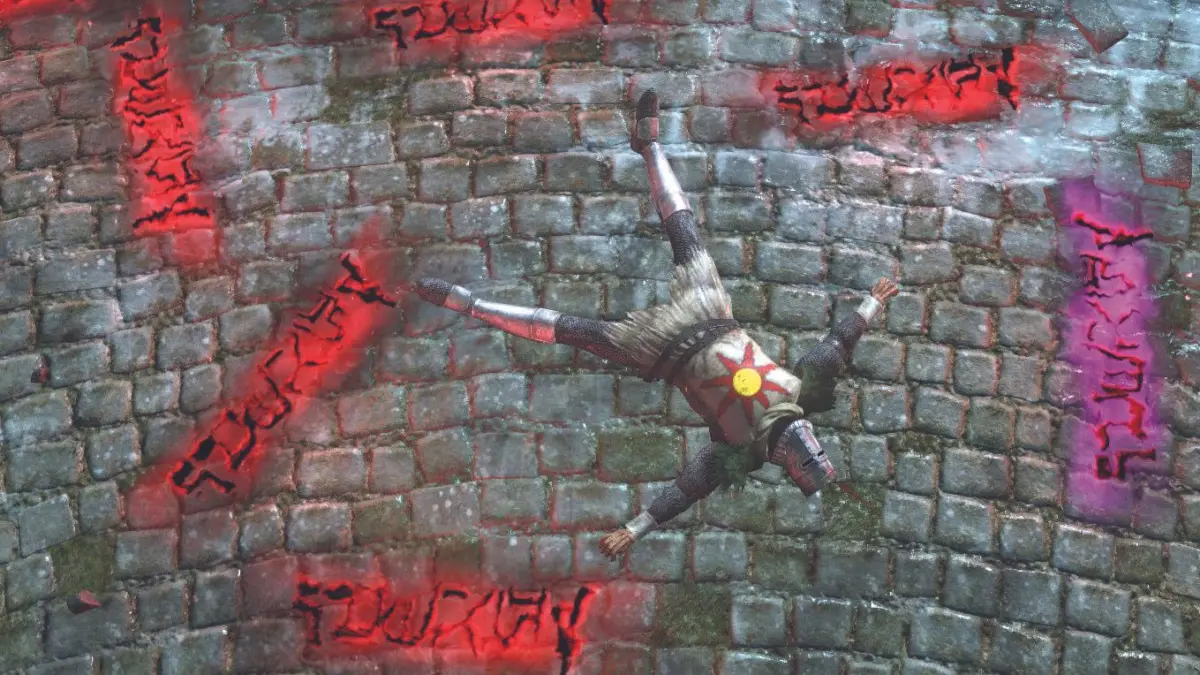
The Soulsborne community is notoriously resilient, yet losing core multiplayer functionality changes the fundamental rhythm of the games. Dark Souls was built on the philosophy of asynchronous multiplayer—the comforting glow of a message warning "trap ahead," the ghostly silhouettes of players resting at bonfires, and the adrenaline spike of a sudden invasion.
Stripping these elements away turns a shared pilgrimage into a lonely descent. For newcomers, the loss of cooperative summoning makes notoriously punishing encounters—such as the Fume Knight in Dark Souls II or the Nameless King in Dark Souls III—significantly more daunting.
The Rise of Seamless Modding
Fortunately, PC players have a powerful safety net that softens the blow of FromSoftware’s offline status. In recent years, community modders have taken server dependency into their own hands.
Chief among these technical triumphs is the "Seamless Co-op" framework, spearheaded by renowned modder Yui. While official servers route connections through FromSoftware’s proprietary infrastructure, mods like Seamless Co-op utilize peer-to-peer or independent server-routing solutions.
- Dark Souls III Integration: Having been available for quite some time, the DS3 seamless mod has long allowed players to experience the entirety of Lothric side-by-side without traditional boundary restrictions or phantom disconnections.
- Dark Souls II’s Recent Milestone: Remarkably, just weeks before the official servers went dark in late September, Dark Souls II received its own Seamless Co-op treatment after 12 years of community requests.
For PC players diving into Drangleic with friends, the official server outage has registered as little more than a minor footnote. By bypassing FromSoftware’s infrastructure entirely, these mods provide a vastly superior, uninterrupted cooperative experience—complete with shared progression and the elimination of session-ending disconnects upon boss defeats.
Official Statements & Industry Reaction
FromSoftware’s communication strategy regarding server outages has historically leaned toward brevity. The developer’s recent social media dispatch adhered strictly to this minimalist template, expressing regret for the inconvenience while offering zero technical specifics regarding the nature of the "server issue."
This lack of transparency is standard operating procedure for the Japanese studio, which typically prioritizes quiet, methodical engineering over public roadmaps. Major gaming outlets and technical commentators have noted that while frustrating, this approach aligns with FromSoftware’s long-standing corporate culture.
Nevertheless, pressure is mounting within the industry for major publishers to provide more robust, future-proof online architectures—especially for legacy titles that maintain active, passionate player bases long after their initial commercial lifecycles have ended.
Future Outlook: What Lies Ahead for the Undead?
As the gaming community waits for FromSoftware to complete its diagnostic procedures, speculation runs rampant regarding when—and how—the servers will return.
- Short-Term Resolution: Given that the outage affects consoles alongside PC, many engineers suspect a localized backend failure or database corruption rather than a systemic security rewrite. If this proves true, a standard patch or cloud server reboot could restore services relatively quickly.
- Long-Term Preservation Questions: The incident inevitably revives broader conversations about video game preservation. As publisher-run servers age, the day will eventually arrive when official support for titles like Dark Souls ceases permanently. When that day comes, the reliance on community-driven tools—such as Yui’s mods or private server projects—will transform from a convenient alternative into the only way to experience these masterpieces online.
For now, players are advised to keep an eye on FromSoftware’s official support channels for updates. Whether you choose to brave the fading fires alone on a console or embark on a cooperative crusade through Drangleic via PC mods, the embers of the Dark Souls universe refuse to go out quietly.