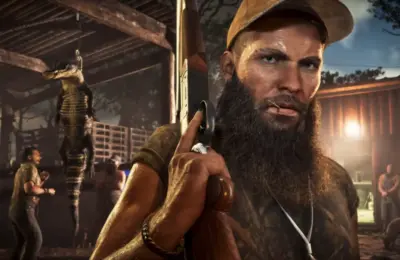
For over a decade, Red Barrels’ acclaimed Outlast franchise has served as a cornerstone of the modern survival-horror genre. Since its terrifying debut in 2013, the series has continuously pushed the boundaries of interactive dread, pulling back the veil on institutional horrors, religious fervor, and psychological torture. Amassing an incredible user base of over 50 million players globally, the franchise has cemented itself as a titan of terror.
Yet, perhaps the most fascinating and confounding aspect of Outlast’s extraordinary 13-year reign is not its capacity to terrify, but the conspicuous absence of direct competitors. In an industry defined by the rapid commercialization of successful trends—where the breakout mechanics of one studio inevitably spawn a dozen imitators within months—Outlast stands entirely alone.
While titles like Resident Evil 7: Biohazard, Agony, and Harvester have dabbled in extreme gore or first-person frights, none have successfully replicated the precise formula of relentless, combat-free vulnerability coupled with unyielding, stomach-churning body horror that defines the Red Barrels catalogue. To understand this strange phenomenon, one must examine the delicate alchemy of studio independence, design philosophy, and the perilous tightrope walk of artistic boundary-pushing that has kept Outlast without a peer for over a decade.
Detailed Chronology: Thirteen Years of Terror
To appreciate the gravity of Outlast’s isolation within the market, it is necessary to trace the trajectory that brought the franchise to its current status.
2013: The Genesis at Mount Massive Asylum
When Montreal-based independent developer Red Barrels—founded by industry veterans who previously worked on AAA franchises like Assassin’s Creed and Prince of Persia—released the original Outlast, the survival-horror landscape was in a precarious state. The genre had largely pivoted toward action-heavy blockbusters like Resident Evil 5 and 6, leaving fans of psychological dread starving for innovation.
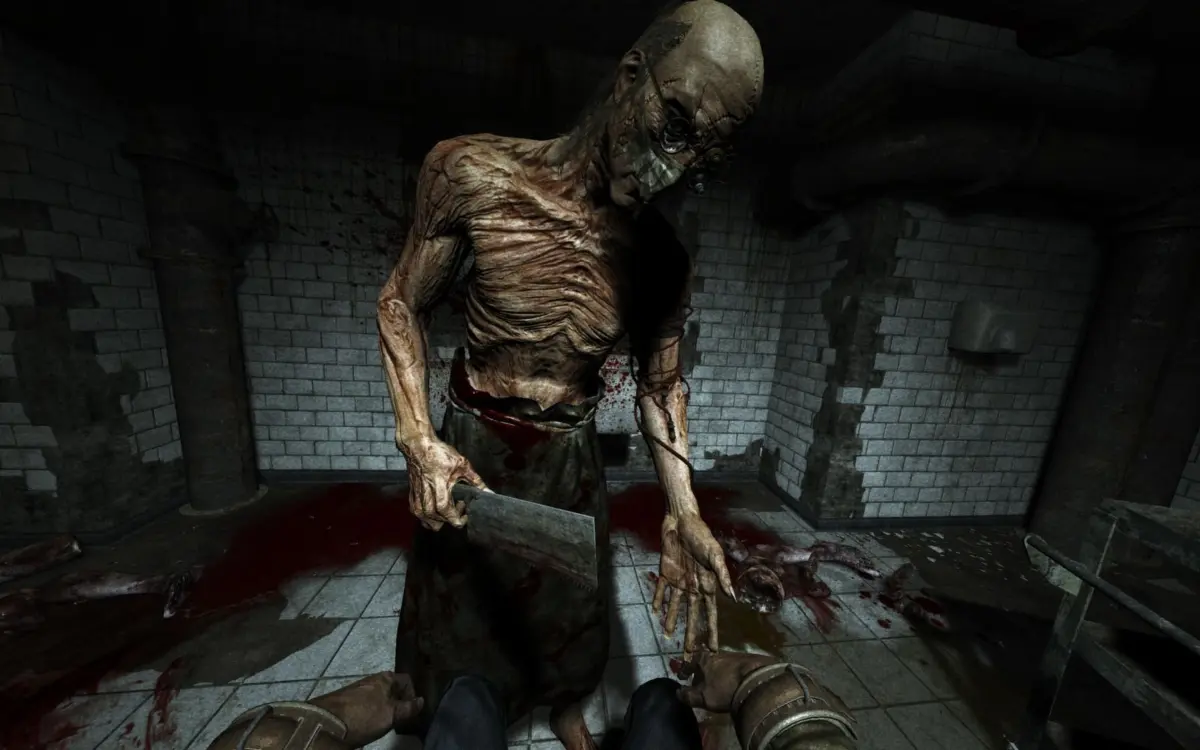
Outlast stripped the player of all agency save for two tools: a camera equipped with night-vision and the ability to run and hide. Dropped into the labyrinthine corridors of Mount Massive Asylum as investigative journalist Miles Upshur, players were forced to witness atrocities through the green-tinted, claustrophobic lens of a digital viewfinder. The game bypassed conventional combat entirely, establishing a primal loop: run, hide, or die.
2014–2017: Expanding the Nightmare
The massive success of the original game and its subsequent DLC, Outlast: Whistleblower, proved that there was a hungry audience for uncompromising, high-intensity horror. This momentum culminated in 2017 with the release of Outlast 2. Transporting players from the echoing halls of a psychiatric hospital to the desolate, sun-bleached fields of rural Arizona, the sequel ramped up the psychological and physical torment. It introduced complex themes of religious cultism, historical trauma, and sensory overload, proving that the franchise’s dread could function just as effectively outside closed indoor spaces.
2023–Present: The Multiplayer Evolution with The Trials
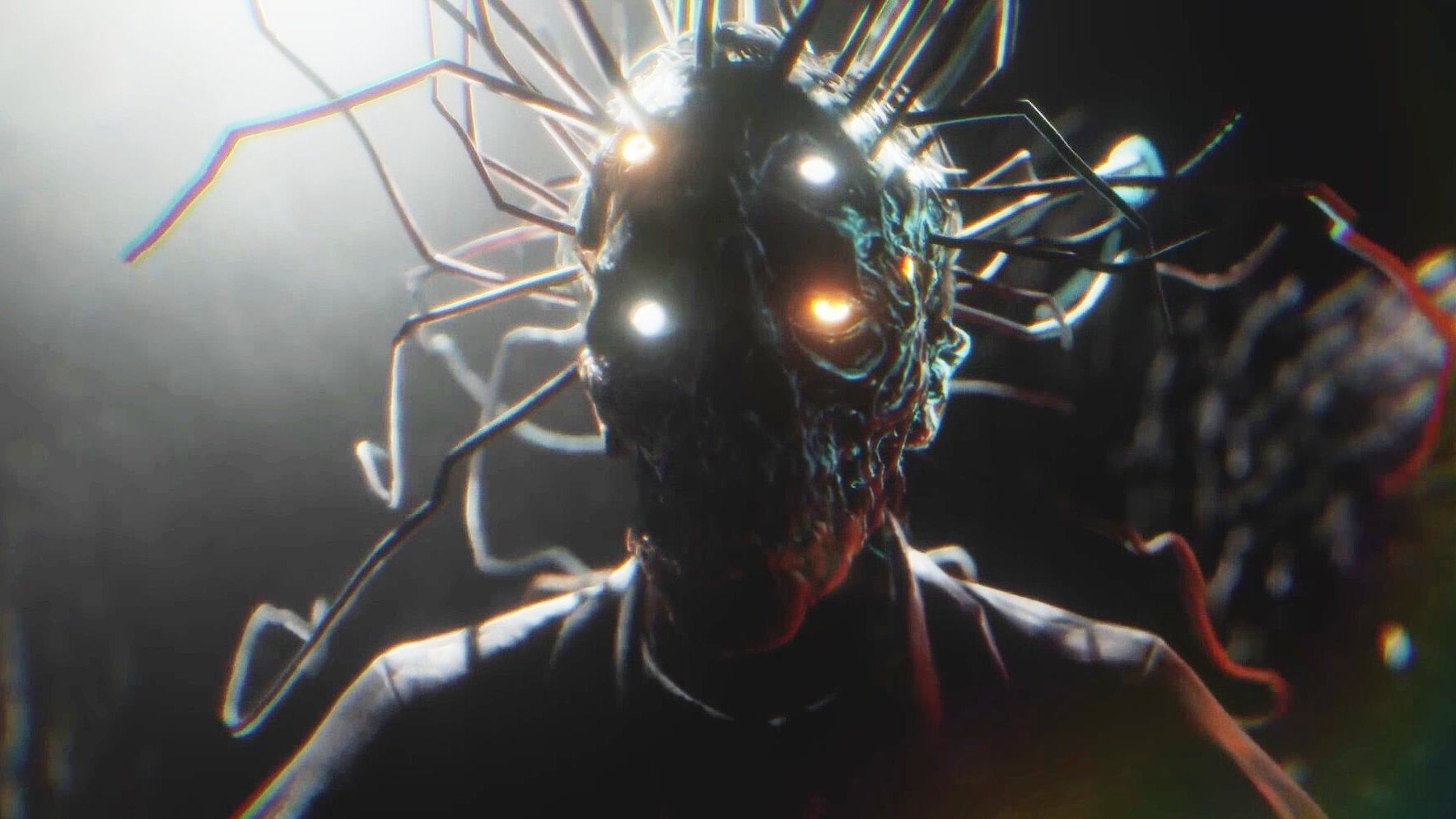
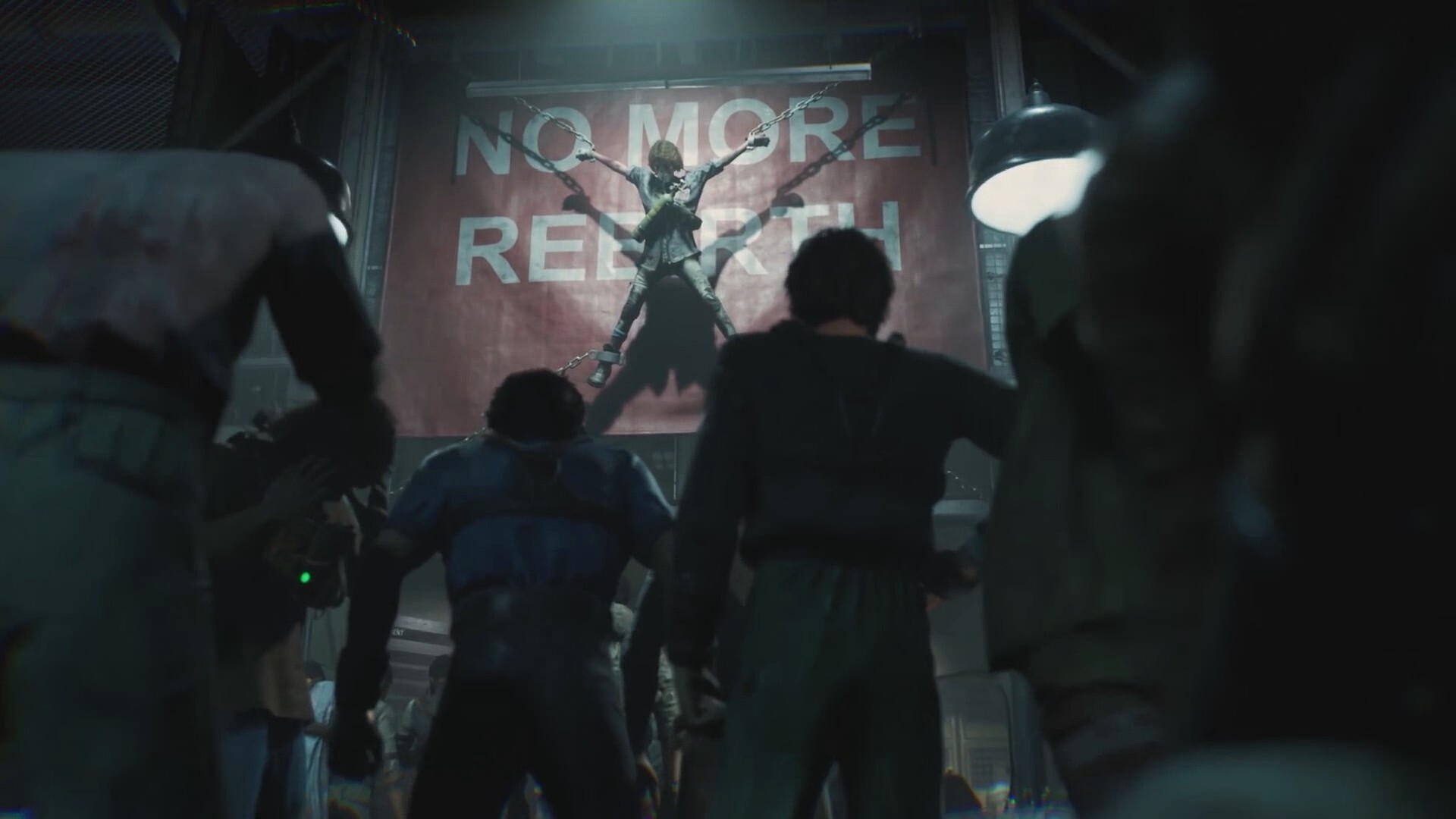
Most recently, Red Barrels took a bold gamble by shifting the paradigm with The Outlast Trials. Released in full in 2024 following an early access period, the game introduced cooperative multiplayer elements while retaining the core DNA of the franchise—hiding from grotesque stalkers in lockers, managing failing resources, and enduring psychological manipulation within a Cold War-era MK-Ultra-style facility.
Through every iteration, the franchise has grown not just in scope, but in cultural footprint, securing its place as a definitive touchstone for modern horror enthusiasts.
Supporting Context & Metrics: The Anatomy of a Niche Monopoly
The survival-horror genre has experienced numerous renaissance periods, driven by shifts in technology and audience appetite. However, the market dynamics surrounding first-person, non-combat horror remain uniquely hostile to new entrants, helping to explain why competitors have largely steered clear of Outlast’s territory.
The Numbers Speak for Themselves
50 Million+: The cumulative player count across the Outlast franchise over its 13-year history.
Thousands: The sheer volume of new indie titles launching on platforms like Steam annually, creating an overcrowded digital storefront where distinct identities are paramount for survival.
Zero: The number of direct, commercially viable franchise clones that have managed to match Outlast’s critical longevity and production values.
The Fine Line of Transgression
The primary barrier to entry for potential Outlast imitators lies in the execution of its extreme content. Red Barrels has consistently walked a razor-thin line between shocking artistry and gratuitous shock value. Pushing the envelope too far risks alienating players and platform holders alike, while pulling punches dilutes the identity that makes the games memorable.
Achieving this balance requires an exceptional degree of creative maturity. Newer studios attempting to court controversy often fall into the trap of shock-for-shock’s-sake—as seen in poorly received titles like Agony—where offensive imagery outshines compelling gameplay design. Conversely, major publishers are inherently risk-averse, unwilling to sink millions of dollars into intellectual properties that rely on amputations, visceral body horror, and psychological trauma, fearing the inevitable regulatory pushback and marketing limitations.
Official Statements: Inside the Mind of Red Barrels
Even the creators behind the franchise are baffled by their own lack of competition. Speaking candidly about this industry anomaly, Red Barrels co-founder Philippe Morin expressed genuine astonishment regarding the scarcity of imitators.
"Honestly, I don’t know," Morin admits when asked why no other studio has attempted to capture the Outlast market share. "Sometimes I ask myself the same thing, but I’m glad that we’re still different from other games because it can be so hard. There’s thousands of games coming out on Steam every year. So that’s a lot of other games people can decide to spend time with."
Despite operating in a relatively empty lane, the development team is not entirely immune to false alarms. Morin notes that the studio occasionally spots an upcoming project that sparks anxiety within their offices:
"Sometimes there’s a game coming up, and we’re like, ‘Alright, this one is probably gonna be the next Outlast.’ But so far [nothing’s come of them]. It’s maybe a combination of different things. The fact that there is no combat or the gore [is lacking]."
Crucially, Red Barrels has deliberately chosen not to chase mainstream ubiquity at the expense of their artistic vision. While many independent studios scale up and pivot toward mass-market appeal after tasting success, Red Barrels has comfortably embraced its niche status.
"We’re happy to be part of a niche and be successful within that niche," Morin emphasizes. "We don’t try to, or I should say, it’s not part of our internal dialog that we need to make this more mass market or we need to reach a wider audience. Obviously, we want as many people as possible to play the game, but we don’t want to let that dilute or become something that takes our focus away from what makes an Outlast game. If we ever decide that we need to be more mass market, then we’ll just come up with a different IP or call it something else."
Future Outlook: Can Outlast Maintain Its Monopolistic Grip on Terror?
As the gaming industry faces shifting economic pressures, rising development costs, and an unpredictable publishing landscape, the future of the horror genre remains dynamic. Yet, Red Barrels’ unique positioning suggests that their self-imposed isolation in the extreme horror market will likely continue for the foreseeable future.
By remaining a nimble, independent studio that deeply understands its core audience, Red Barrels has insulated itself from the pressures that force larger publishers to homogenize their portfolios. They do not need to appeal to every demographic; they only need to satisfy the millions of horror aficionados who crave the specific brand of adrenaline that only a night-vision camera and a psychotic pursuer can provide.
Until another studio masters the delicate craft of balancing profound vulnerability, uncompromising gore, and masterclass pacing without relying on firearms or combat mechanics, Outlast will remain the undisputed monarch of its terrifying domain—wandering the dark corridors of the video game industry entirely alone.