Executive Overview
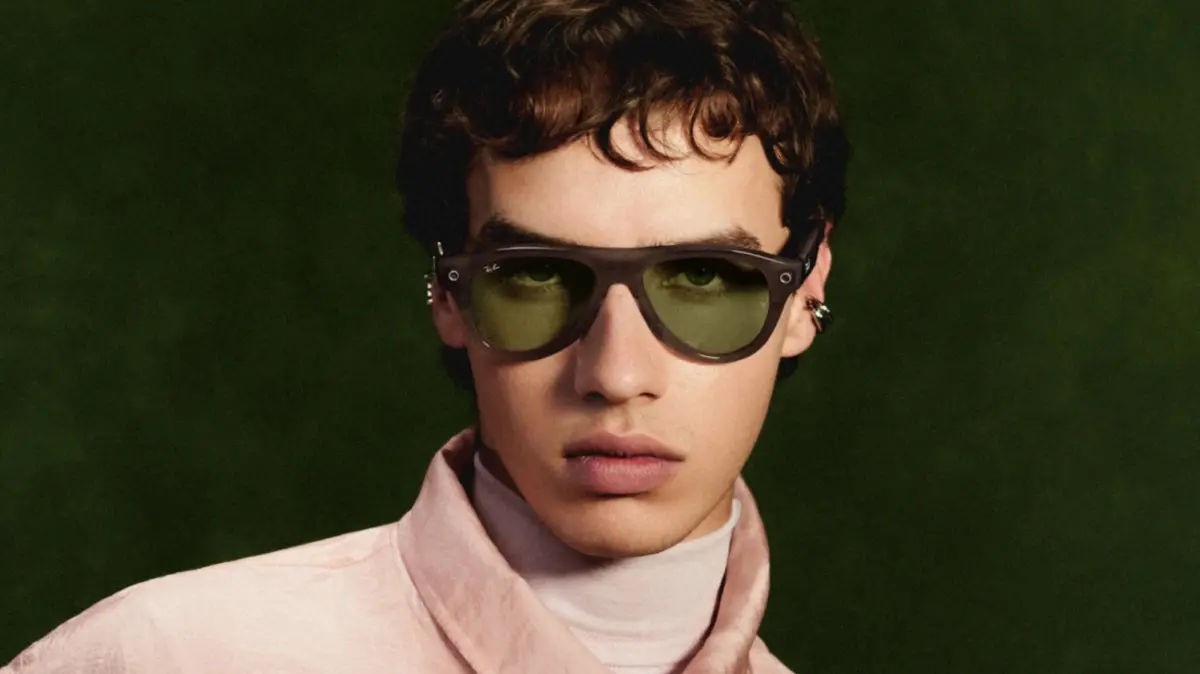
At the highly anticipated Meta Connect 2026 conference, the technology giant pulled back the curtain on its next-generation ecosystem of wearable technology. Among the sprawling array of announcements—which notably included Meta’s first-ever camera-free smart glasses—the spotlight firmly remained on its flagship collaboration with EssilorLuxottica: the Ray-Ban Meta Gen 3.
Priced at a steeper starting point of $449, the third-generation AI-powered smart glasses represent a $70 price hike over their predecessors, the Gen 2 models. For this premium, consumers receive a suite of subtle hardware refinements, expanded stylistic options, improved battery endurance, and upgraded multi-microphone arrays. However, because Meta has chosen to backport the vast majority of its newly unveiled software innovations—including the FDA-cleared hearing enhancement tools, the advanced Muse AI agent, and dynamic multi-shot photo capture—to older Gen 2 devices, the primary value proposition of the Gen 3 hardware is brought into sharp relief.
This comprehensive analysis examines the technical specifications, physical redesigns, financial implications, and overarching strategy behind Meta’s latest flagship wearable. As the augmented and smart eyewear market matures, the introduction of the Gen 3 forces both consumers and industry analysts to evaluate whether iterative hardware updates justify a significantly higher entry barrier, or if the true evolution of smart glasses lies strictly within software longevity.
Detailed Chronology: The Evolution of Meta’s Smart Glasses Ecosystem
To understand where the Ray-Ban Meta Gen 3 fits into the modern consumer electronics landscape, one must trace the rapid, calculated trajectory of Meta’s wearable hardware strategy over recent years.
The Foundation: From Ray-Ban Stories to Gen 2
Meta’s journey into smart eyewear began with the tentative steps of the original Ray-Ban Stories. While those initial frames established the form factor—blending iconic Ray-Ban aesthetics with discreet cameras and open-ear speakers—they suffered from poor battery management, mediocre capture quality, and limited software integration.
The launch of the Ray-Ban Meta Gen 2 changed the narrative entirely. By integrating deeper multimodal AI features, boosting camera resolution, and refining the audio system, Meta turned a niche novelty into a genuine mainstream hit. Over the subsequent months, Meta utilized incremental, targeted updates to expand the ecosystem. Mid-cycle refreshes introduced specialized variants, such as the prescription-friendly Ray-Ban Meta Optics and the more budget-oriented Meta Glasses.
The 2026 Meta Connect Turning Point
At Meta Connect 2026, the company sought to segment its product portfolio even further. Alongside specialized audio-only form factors designed to strip away camera privacy concerns for corporate and casual environments alike, Meta officially introduced the Ray-Ban Meta Gen 3. Rather than deploying a radical reimagining of the device architecture, the Gen 3 consolidates the lessons learned from the past two years of hardware distribution, wrapping them in fresh design choices while keeping the underlying operating philosophy tied closely to the broader Meta AI ecosystem.
Supporting Context & Metrics: Gen 3 vs. Gen 2 Hardware Breakdown
A meticulous specification-by-specification comparison reveals the subtle engineering choices Meta made when crafting the Gen 3. While the differences may appear marginal on paper, they dictate the physical user experience and justify the $449 price point.
1. Power and Endurance
- Ray-Ban Meta Gen 2: Up to 8 hours of mixed usage per charge, with a total of 48 hours provided via the accompanying charging case.
- Ray-Ban Meta Gen 3: Extends single-charge longevity up to 9 hours (a modest one-hour gain) and reaches up to 50 hours total with the case.
While a 9-hour battery life edges the device closer to all-day standalone utility, it still trails behind specialized audio wearables like the upcoming camera-free Ray-Ban Meta Audio line, which boasts up to 12 hours of continuous operation. Real-world stress testing will ultimately determine how power consumption scales when users heavily engage the onboard cameras and active AI processing loops.
2. Audio Engineering and Microphone Arrays
Audio capture and reproduction represent critical vectors for smart glasses, functioning both as telephone headsets and as interfaces for voice-activated AI agents.
- Gen 2 Configuration: Utilized a robust multi-microphone setup capable of handling open-air calls and basic voice commands.
- Gen 3 Configuration: Upgraded to a sophisticated six-microphone array (adding one dedicated mic to the previous architecture) featuring an entirely redesigned spatial layout.
Meta asserts that this physical rearrangement dramatically reduces background interference during voice calls and AI queries. Furthermore, the Gen 3 hardware has been engineered to support the playback and recording of Dolby Atmos spatial audio, an immersive audio standard slated for full deployment later in 2026.
3. Physical Dimensions, Weight, and Ergonomics
Smart glasses must succeed first as eyewear before succeeding as computers. Recognizing this, Meta made subtle adjustments to the chassis footprint:
- Wayfarer Comparison: The standard-fit Gen 2 Wayfarer measures 131mm from hinge to hinge, whereas the Gen 3 Wayfarer shrinks slightly to 129mm.
- Temple Length: Temples on the Gen 3 model are marginally shorter at 149mm, compared to the Gen 2’s 150mm.
- Weight Distribution: Interestingly, the Gen 3 is fractionally heavier at 51.5 grams, up from the Gen 2’s 51 grams.
These physical adjustments—a narrower hinge span combined with a microscopic increase in mass—suggest an ongoing effort by Meta to optimize the glasses for smaller facial profiles, though the differences will remain virtually imperceptible without direct side-by-side comparison.
4. Interface and Controls
The Gen 3 inherits the dedicated action button first debuted on niche variants like the Meta Optics and baseline Meta Glasses. Unlike the Gen 2, which relied on a capture button strictly bound to media functions, the Gen 3 action button can be fully customized. Users can program it to summon Meta AI instantly, act as a shutter button, or serve as a customizable shortcut for frequently used system features.
5. Aesthetic Variety and Style Expansion
Fashion remains the gatekeeper for wearable technology adoption. Acknowledging that consumers demand individuality, Meta expanded the stylistic catalog for the Gen 3 release:
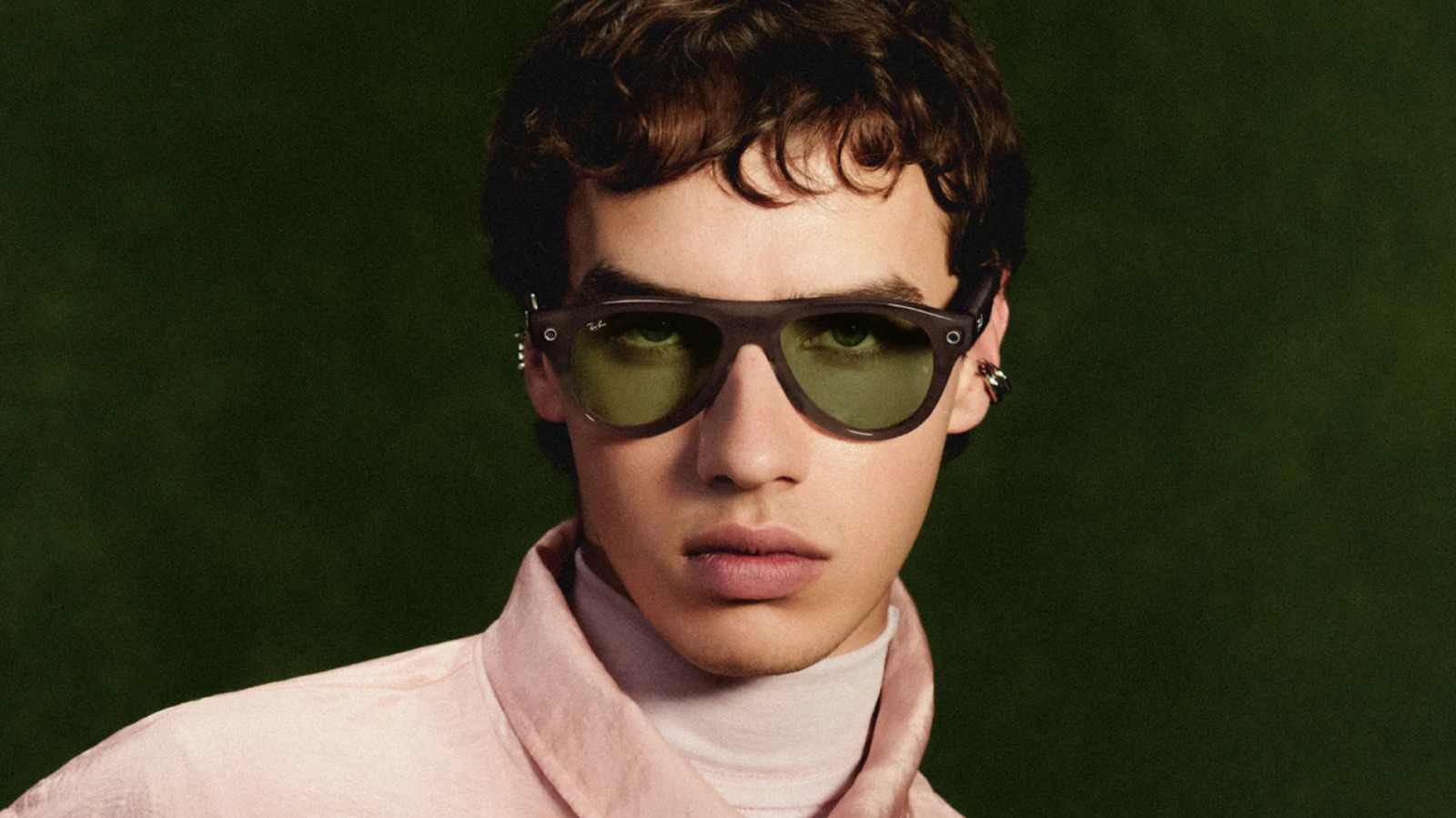
- The Aviator: Bringing the timeless teardrop lens geometry of classic Ray-Ban aviators to the smart eyewear space, complete with thick, premium frames available in various translucent and tortoiseshell colorways.
- The Zena: A softer, cat-eye frame silhouette targeted at users seeking a subtler, more expressive aesthetic profile available in black, translucent, and tortoiseshell finishes.
- The Wayfarer: The ubiquitous classic carries over as the sole surviving frame style from the Gen 2 era, though additional legacy styles are widely anticipated to roll out in subsequent mid-cycle refreshes.
Official Statements and Strategic Vision
Meta’s hardware executives and engineering leads have consistently framed their wearable roadmap as a steady march toward ambient computing. During the Meta Connect 2026 keynotes, leadership emphasized that the true power of their ecosystem does not reside within silicon alone, but within the seamless convergence of hardware comfort, multi-modal artificial intelligence, and cloud-based software updates.
Industry observers note that pricing the Gen 3 at $449 positions the device firmly in the territory of luxury traditional eyewear, putting pressure on Meta to prove that the hardware justifies the premium. By focusing manufacturing efforts on refined ergonomics, expanded acoustic engineering, and premium frame aesthetics like the Aviator and Zena, Meta is signaling that smart glasses are no longer experimental gadgets for early adopters, but mainstream luxury fashion accessories infused with ambient computing capabilities.
Future Outlook: The Upgrade Dilemma and Market Impact
As the Ray-Ban Meta Gen 3 hits the global market, it creates a fascinating dilemma for prospective buyers and current owners alike.
The Software Equalizer
The single greatest hurdle for the Gen 3 sales team is Meta’s commitment to software longevity. Because features such as the FDA-cleared hearing enhancement tools, the conversational Muse AI agent, and dynamic multi-shot photo capture are being backported to older Gen 2 devices, current owners have very little technological incentive to upgrade.
For first-time buyers entering the ecosystem, the Gen 3 offers the absolute pinnacle of Meta’s physical design language, smaller hinge-to-hinge tolerances, and fresh aesthetic choices like the Aviator and Zena frames. However, cost-conscious consumers may find greater value in seeking discounted Gen 2 units on the secondary market—provided they do not require custom optical prescriptions or the latest frame silhouettes.
Looking Ahead to Late 2026 and Beyond
The unfolding lifecycle of the Gen 3 will depend heavily on the rollout of promised capabilities, such as Dolby Atmos spatial audio recording, and how effectively the new six-microphone array performs in chaotic, real-world acoustic environments. If these software expansions prove revolutionary in daily use, the $449 price tag may find ready acceptance among tech enthusiasts and fashion-forward consumers. If not, the Gen 3 risks being viewed as a minor evolutionary step that inadvertently highlights the enduring value of its predecessor.
Ultimately, Meta’s strategy confirms one undeniable reality: the era of smart eyewear is here to stay, and the battleground for consumer loyalty will be fought as fiercely in the realm of software refinement and optical style as it is in raw semiconductor engineering.