Executive Overview
For the better part of the past year, the sub-$1,500 prebuilt gaming PC market has resembled a structural wasteland. Driven by relentless corporate and consumer demand for enterprise-grade artificial intelligence infrastructure, global supply chains for crucial hardware components—most notably memory modules (RAM) and high-density NAND flash storage—have experienced catastrophic bottlenecks. The trickle-down effect for everyday consumers and budget-conscious gamers has been severe: soaring component costs, margin-pinched system integrators, and an acute scarcity of competitively priced, mid-tier prebuilt rigs.
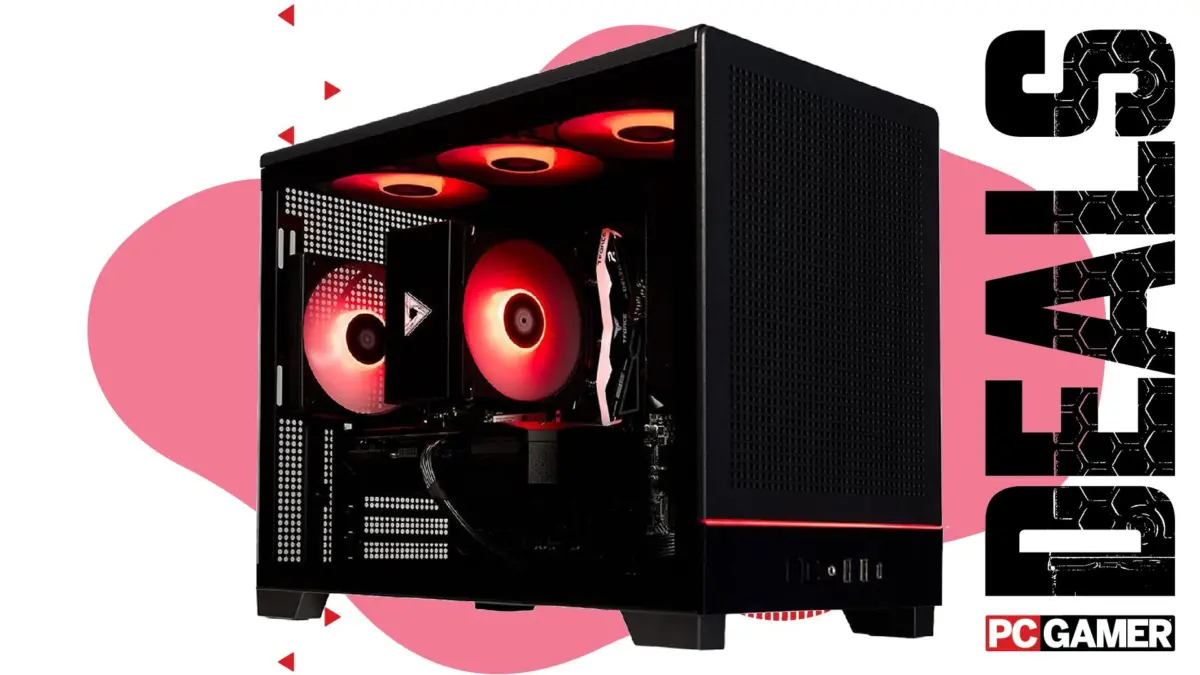
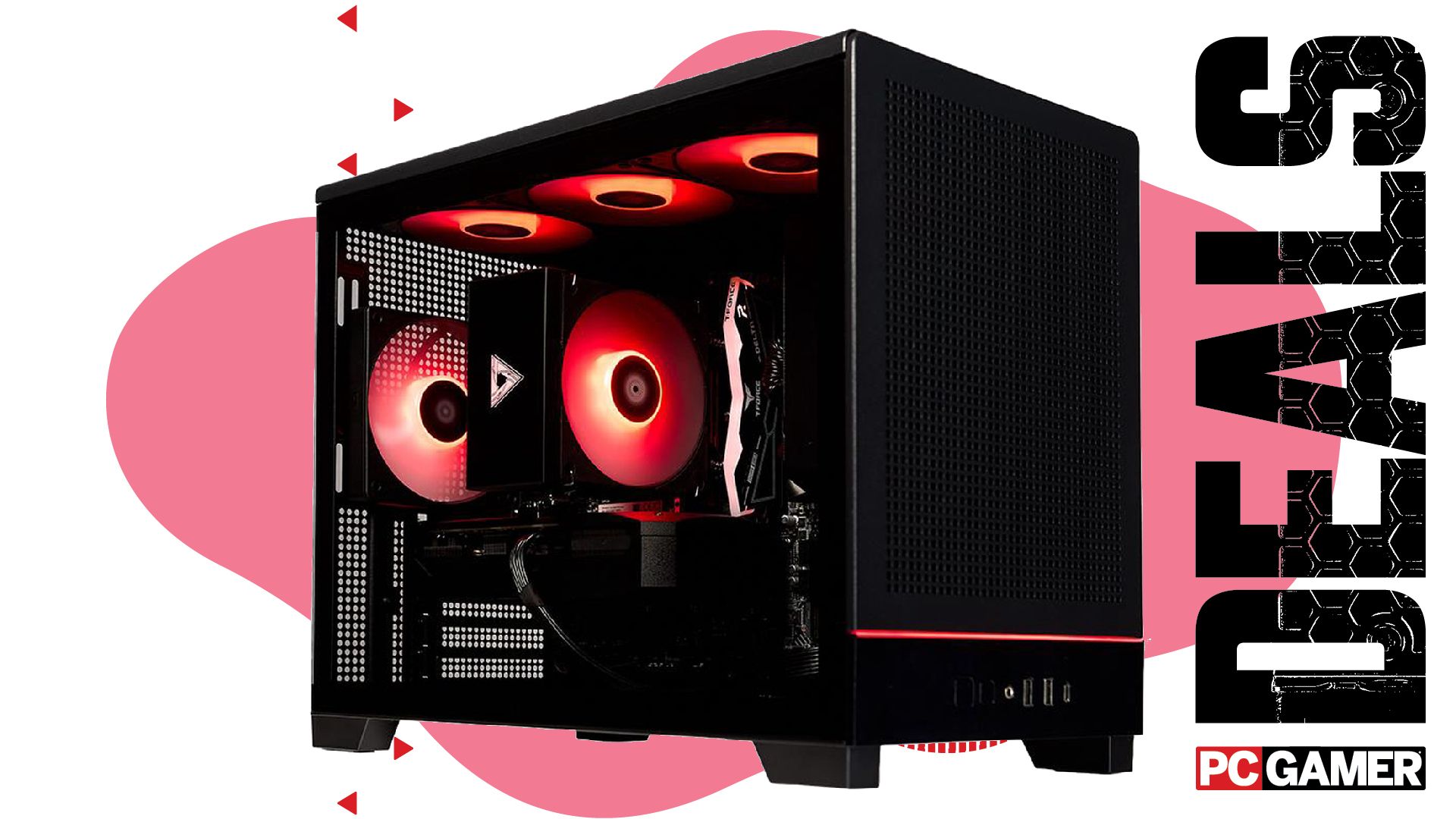
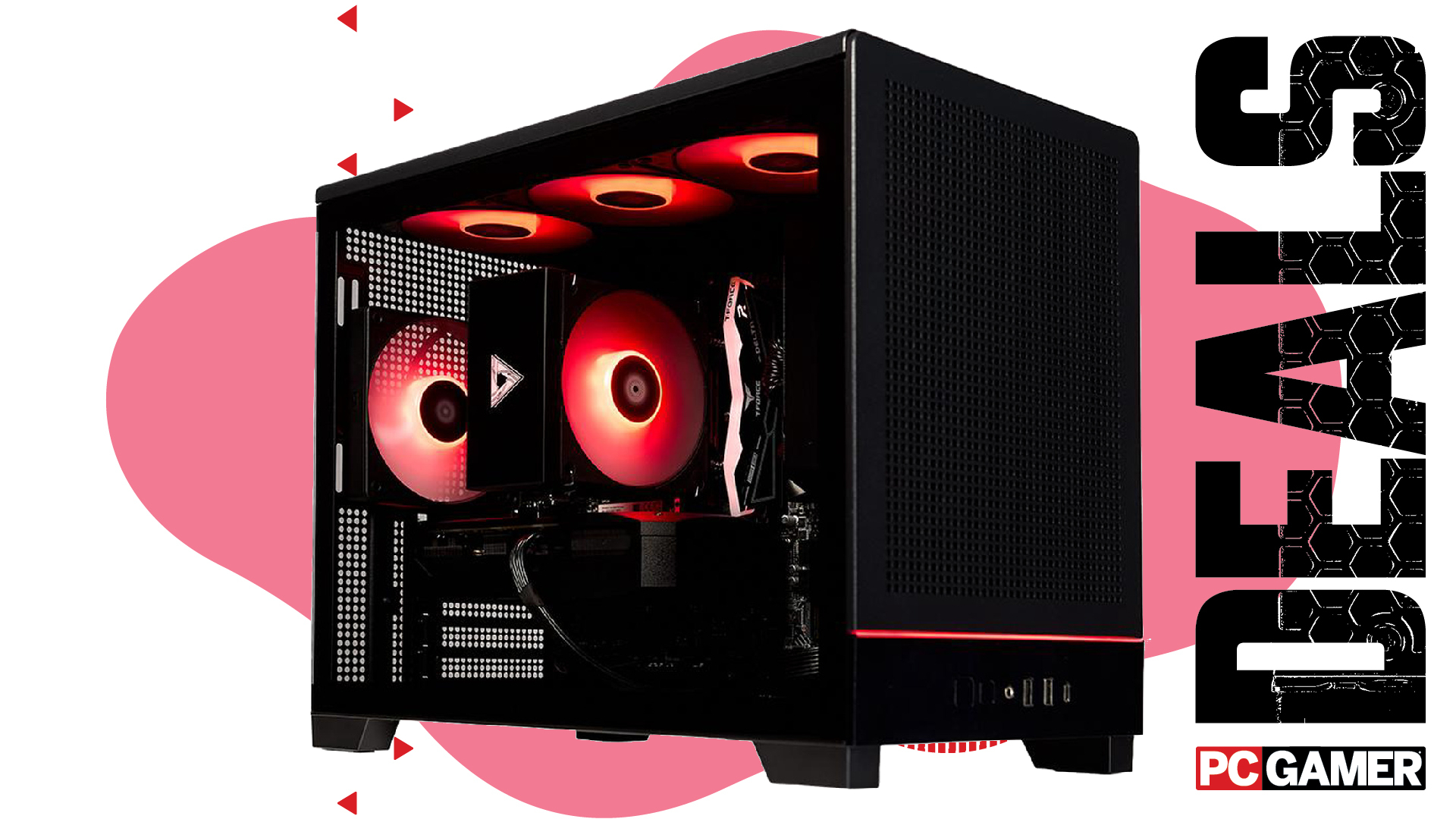
Amid this punishing hardware landscape, finding a balanced, modern prebuilt machine that avoids astronomical markups feels increasingly like a logistical miracle. Enter the Stormcraft Viper, currently retailing at Newegg for $1,150. Equipped with an Intel Core i5-14400F processor, a 1TB solid-state drive, and an Nvidia GeForce RTX 5060 Ti graphics card, the Viper occupies a vital pricing sweet spot.
However, prospective buyers shouldn’t rush in blindly. The system arrives with a notable structural compromise: a solitary 16GB stick of DDR4 RAM running in a single-channel configuration. While purists may wince at this penny-pinching specification, a closer analytical look reveals a more nuanced reality. In an era where component inflation threatens to price average consumers out of the market entirely, the Stormcraft Viper offers a pragmatic, upgradeable gateway to modern 1080p and 1440p gaming without demanding an exorbitant financial sacrifice.
Detailed Chronology: The Anatomy of a Market Squeeze
To fully comprehend the significance of the Stormcraft Viper’s pricing and configuration, one must trace the trajectory of the hardware market over the preceding eighteen months.
The Genesis of the Memory Crisis
The roots of the current memory shortage trace back to an unprecedented pivot by major semiconductor fabricators—such as Samsung, SK Hynix, and Micron—toward High Bandwidth Memory (HBM) and enterprise-tier DDR5 modules. These specialized components are foundational to powering hyperscale AI data centers and massive Large Language Model (LLM) training clusters. Consequently, consumer-grade dynamic random-access memory (DRAM) and NAND flash production lines were scaled back to prioritize higher-margin corporate contracts.
By mid-to-late 2025, the ripple effects hit the retail market with full force. Independent system builders watched component wholesale prices climb week-over-week. Prebuilt desktop margins evaporated, forcing major system integrators to either hike retail prices significantly or dilute component specs to maintain an attractive entry-level price point. The $1,000-to-$1,500 bracket—historically the most popular playground for mainstream enthusiasts looking for a complete system upgrade—became a virtual desert of overpriced, underpowered hardware.
The Arrival of the Stormcraft Viper
It is against this bleak economic backdrop that Stormcraft introduced the Viper. Aimed squarely at mainstream gamers who refuse to empty their savings accounts for a mid-range system, the Viper bypasses some of the hyper-inflationary traps ensnaring newer DDR5-based platforms by leveraging mature, cost-effective technologies.
By pairing an Intel Core i5-14400F processor with a GeForce RTX 5060 Ti, Stormcraft targeted the exact performance tier required to tackle modern AAA game engines at high refresh rates. Yet, to hit that coveted $1,150 price ceiling, cost-saving measures were inevitable. The decision to equip the machine with a single 16GB DDR4 memory module rather than a matched dual-channel kit was clearly calculated to preserve profit margins while keeping the sticker price below the psychological $1,200 threshold.
Supporting Context & Metrics: Performance, Compromises, and Benchmarks
Evaluating the Stormcraft Viper requires separating internet forum dogma from empirical, real-world benchmarks. Single-channel memory configurations have long been a cardinal sin among hardware enthusiasts, but just how badly does it hobble a modern gaming rig?
Unpacking the Single-Channel RAM Caveat
The system’s primary architectural compromise is its single 16GB DIMM of DDR4 memory. Running memory in single-channel mode effectively halves the bandwidth available to the CPU compared to a dual-channel setup.
- The Impact on Frame Rates: Extensive real-world testing demonstrates that while single-channel configurations do impose a performance tax, the penalty is rarely catastrophic. In GPU-bound scenarios—which encompass the vast majority of modern graphical workloads at 1080p and 1440p—the graphics card shoulders the heaviest burden. Users will notice a minor dip in average frame rates and slightly lower 1% low metrics, particularly in CPU-heavy titles or sprawling open-world simulations, but the system remains thoroughly responsive and playable.
- The Longevity of 16GB in 2026: Despite shifting industry standards toward 32GB configurations, independent testing continues to confirm that 16GB of system memory is entirely sufficient for the vast majority of mainstream PC games. Provided you aren’t simultaneously streaming high-bitrate video, running unoptimized background applications, and rendering 4K video assets, 16GB remains a capable baseline.
GPU Performance: The RTX 5060 Ti in Action
At the heart of the Viper’s graphical subsystem is the Nvidia GeForce RTX 5060 Ti (8GB VRAM variant). Real-world gaming benchmarks underscore the card’s competency across contemporary titles, especially when leveraging Nvidia’s advanced DLSS upscaling and frame generation technologies.
In demanding titles like Black Myth: Wukong tested at 1440p with High settings and Quality upscaling enabled, the performance metrics tell a reassuring story:
- Nvidia RTX 5060 (Baseline): 73 Average FPS | 62 1% Low FPS
- Nvidia RTX 5060 Ti 8GB: 79 Average FPS | 68 1% Low FPS
- Nvidia RTX 5060 Ti vs. RTX 5070: While the step up to an RTX 5070 yields a substantial performance jump (reaching 107 Average FPS in the same benchmark), it also commands a severe price premium that pushes systems far out of the budget tier.
For everyday gaming, the RTX 5060 Ti strikes a practical balance. It handles 1080p native rendering effortlessly and can push smooth frame rates at 1440p provided users are willing to tweak a few graphics settings and lean on intelligent upscaling algorithms.
Thermal Design, Power, and Form Factor
Beyond its core silicon, the Viper benefits from thoughtful physical engineering. The system utilizes a compact, space-saving chassis layout featuring a rear-mounted power supply unit (PSU). This design choice results in a stubby, visually appealing desktop footprint that avoids the cavernous, dead-space aesthetic of traditional mid-towers.
The included 650W power supply provides ample headroom for the current Intel Core i5 and RTX 5060 Ti pairing. It ensures system stability under sustained gaming loads while leaving a safe margin for future component swaps.
Official Statements and Industry Insights
Industry analysts tracking the semiconductor market echo a sobering consensus: consumer hardware pricing is unlikely to experience a sudden, dramatic correction in the near term. Corporate enterprise spending on AI infrastructure continues to absorb wafer allocations at foundries, leaving consumer components vulnerable to ongoing price floors.
System integrators caught in this squeeze face an unenviable dilemma. Hardware manufacturers note that offering prebuilt configurations under $1,500 requires aggressive supply chain optimization. "When memory and storage components dictate a disproportionate share of the bill of materials, builders are forced to innovate around the margins," explains one component logistics manager who spoke on condition of anonymity. "A single-channel memory configuration isn’t ideal from a purist standpoint, but it represents the functional difference between bringing a viable product to market at an accessible price point or abandoning the budget category altogether."
Future Outlook and Upgrade Path
The ultimate saving grace of the Stormcraft Viper is its inherent upgradeability. While buying a prebuilt PC with a single-channel RAM stick is an imperfect starting point, it does not permanently lock the user into a substandard performance tier.

The Low-Cost Path to 32GB
Because the motherboard utilizes standard, widely available DDR4 memory architecture, upgrading the system down the road is remarkably straightforward and cost-effective. High-performance 32GB DDR4 kits (such as popular CAS Latency CL16 variants) are readily available on the retail market for approximately $195.
Even factoring in the purchase of a replacement 32GB memory kit, the total cumulative investment for the system remains comfortably under $1,400. This places a fully optimized RTX 5060 Ti rig with ample RAM well within historical market norms for a mid-range gaming desktop—an achievement few competitors can match in the current economic climate.
Conclusion: Who Is This PC For?
The Stormcraft Viper is not designed for hardcore enthusiasts seeking uncompromised, top-tier productivity performance or bleeding-edge 4K ray-tracing capabilities. The 6-performance-core Intel CPU and 8GB VRAM allocation have natural boundaries.
However, for the mainstream gamer tired of being priced out of the market by AI-driven hardware inflation, the Viper offers an intelligent compromise. Buyers can acquire a competent, visually striking, and fully functional gaming PC today at a defensible price, confident in the knowledge that a simple, inexpensive RAM upgrade tomorrow will unlock the system’s absolute peak potential.